Buckthorn Removal in the Twin Cities: What Mulching Fixes and What It Does Not
Cut Brush Team · September 12, 2026 · 5 min read
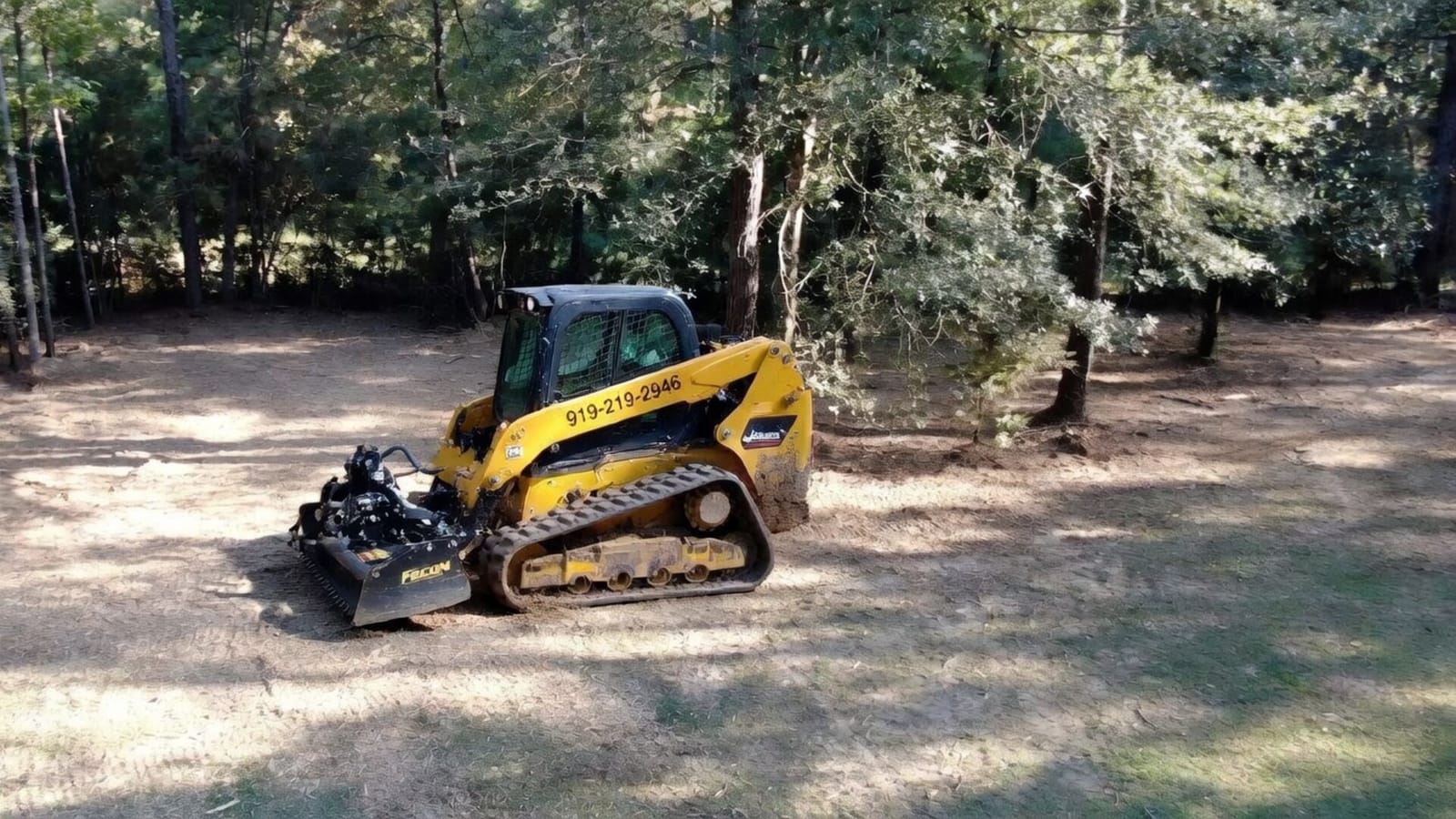
Forestry mulching opens a buckthorn-choked lot in a day; it does not end buckthorn’s presence on the property. That distinction matters more here than almost anywhere else Cut Brush works, because common and glossy buckthorn are the plants behind most of the dense, walk-through-blocking thickets across Twin Cities yards, woodlots and field edges. Knowing what one pass actually buys you, and what still needs a follow-up, is the difference between a satisfied customer and a surprised one a year later.
What Buckthorn Actually Is, and Why It Is Everywhere Here
Common buckthorn and glossy buckthorn are both classified by the Minnesota Department of Agriculture as Restricted noxious weeds: not required by law to be controlled or eradicated on private property, but illegal to import, sell, or transport propagating parts of the plant anywhere in the state, except by permit (Minnesota Department of Agriculture). That Restricted status, rather than a stricter eradication mandate, is part of why it has spread so widely: nothing forces a property owner to act, so a thicket on one lot seeds the neighboring ones year after year.
Left alone, buckthorn forms a dense mid-layer canopy beneath the mature trees, shading out native shrubs, wildflowers and tree seedlings before they get a chance to establish. That is the ecological version of the problem. The practical version, for a homeowner or a builder, is simpler: it closes in a yard, a fence line or a wooded lot until the ground underneath is unusable.
What Forestry Mulching Does in One Pass
A forestry mulcher is the right tool for the first step. The machine grinds standing buckthorn stems down to the ground, spreading the material as a mulch mat rather than leaving a burn pile. In a single visit, a thicket that blocked a view or a walking path becomes open, walkable ground.
That is real progress, and for most properties it is the visible result the owner actually wants. But it is not the end of the buckthorn story, and a contractor who lets a customer assume otherwise is setting up a bad surprise.
What Mulching Does Not Do: Stop the Resprout
The Minnesota DNR is direct about what happens next. Its guidance states that cutting buckthorn without further treatment results in vigorous resprouting from the cut stump (Minnesota DNR). A mulcher’s rotating head cuts the stem the same way a saw would; it does not kill the root system underneath, and buckthorn’s roots respond to that damage by sending up a cluster of new shoots from the same stump.
On top of the resprout problem, there is a second one working against a single-visit fix: a mature buckthorn thicket has usually been dropping seed for years, and that seed persists in the soil. Even a perfectly treated stump does not stop new seedlings from germinating out of that existing seed bank. Between resprouting stumps and a standing seed bank, one mulching pass is best understood as site preparation, not eradication.
What an Honest Plan Looks Like
The practical sequence, and the one worth setting expectations around before the first pass:
- Mulch the standing growth. This is the visible, satisfying part, and it is what most quotes cover.
- Treat or cover the cut stumps. DNR guidance on established buckthorn points to cutting the stem at the soil surface and then treating or covering the stump to prevent resprouting. Cut Brush does not apply herbicide, so where a chemical stump treatment is wanted, it is arranged with a licensed applicator rather than folded into the mulching scope.
- Plan a follow-up pass. Because of the seed bank, new seedlings typically appear the following season regardless of how well the first pass and any stump treatment were done. A maintenance visit a year or two later costs a fraction of re-clearing a closed thicket from scratch, and it is the step that actually turns a mulched lot into a buckthorn-free one over time.
Where This Fits Into a Bigger Property Plan
Buckthorn removal is rarely the only thing happening on a property. A lot being mulched for buckthorn is often also being opened for a fence line, a trail, a future homesite, or simply a walkable yard, and the same equipment covers all of it in one visit. Where a parcel sits near a lake, river or wetland, state shoreland and wetland rules can also narrow what clearing is allowed close to the water, a separate consideration from the buckthorn question itself and one worth raising at the same walk-through.
Frequently Asked Questions
Will one forestry mulching visit get rid of my buckthorn for good?
No. It clears the standing growth and opens the ground immediately, but cut stumps resprout vigorously without further treatment, and a seed bank in the soil keeps producing new seedlings regardless. Treat it as the first step in a plan, not a one-time fix.
Do I have to remove buckthorn from my property?
No. The Minnesota Department of Agriculture lists it as a Restricted noxious weed, which means its propagating parts cannot legally be sold or transported except by permit, but property owners are not required to eradicate it. Most people choose to clear it because of how densely it grows and how much ground it closes off, not because of a legal mandate.
Does Cut Brush apply herbicide to stumps?
No. Cut Brush clears and mulches the standing growth. Where a chemical stump treatment is wanted to reduce resprouting, that step is arranged with a licensed applicator rather than performed by our crew.
Get a Plan for Your Buckthorn
An honest buckthorn plan separates what one visit accomplishes from what a longer-term clear property actually takes. See what the work costs on our Minneapolis pricing guide, what each clearing method actually does on our Minneapolis services page, read the wider Minneapolis land clearing page, then request a free quote and we will walk the property with you.
More from the Cut Brush Blog
Keep reading for more tips and guides on land clearing.
 Cost Guide
 Forestry Mulching Cost in Minneapolis, MN (2026)
Forestry mulching around Minneapolis runs $1,500 to $4,000 per acre. See what buckthorn density and permits do to the hours and the price on your land.
Cost Guide Land Clearing Cost Per Acre in Minnesota (2026 Guide)
Land clearing cost per acre in Minnesota runs $1,500 to $4,500. See how buckthorn, permits and frozen-ground season move the number. Free quotes.
County Guide Land Clearing Permits in Minneapolis & Hennepin County (2026)
Do you need a permit to clear land in Minneapolis? City erosion control rules trigger at 500 square feet, and a state permit adds in at one acre.
Ready to Get Started on Your Land?
Get a free, no-obligation estimate for property in Minneapolis & the Twin Cities.
Get Your Free QuoteOr call us directly: (919) 525-3950