
Forestry Mulching Cost in Santa Clara, UT (2026)
Cut Brush Team · October 31, 2026 · 5 min read
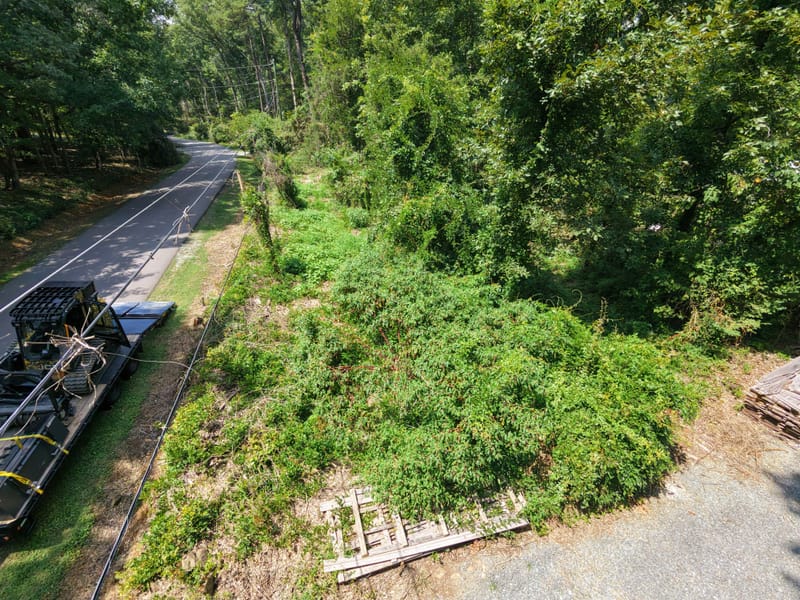
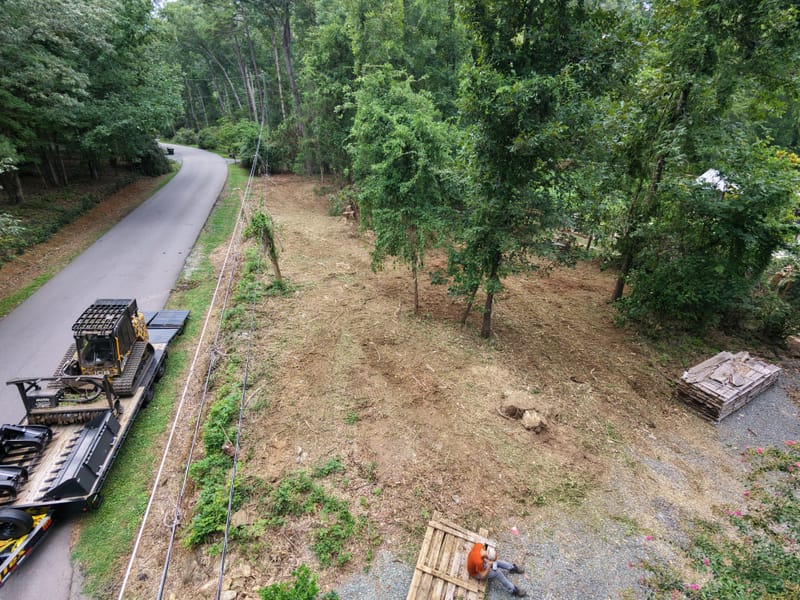
Forestry mulching around Santa Clara, Utah costs $1,500 to $4,000 an acre, and cutting tamarisk or giant reed off a wash or river bank costs $1,500 to $2,500 an acre. “Mulching” covers two very different jobs, so below they are separated, with how a per-acre quote lines up against an hourly one and what moves a desert lot or a river-bank thicket within its band.
Every band buys the same finish: brush, small trees and stumps mulched on site, stumps cut flush, nothing hauled away. Removing stumps below grade, or cutting and hauling very large trees, is discussed and priced in the quote, and grading sits outside our price because we clear to the ground for your builder. A small job bills a minimum charge of about $1,500, in place of an acre rate and never on top of one.
Forestry Mulching Is Not Landscape Mulch
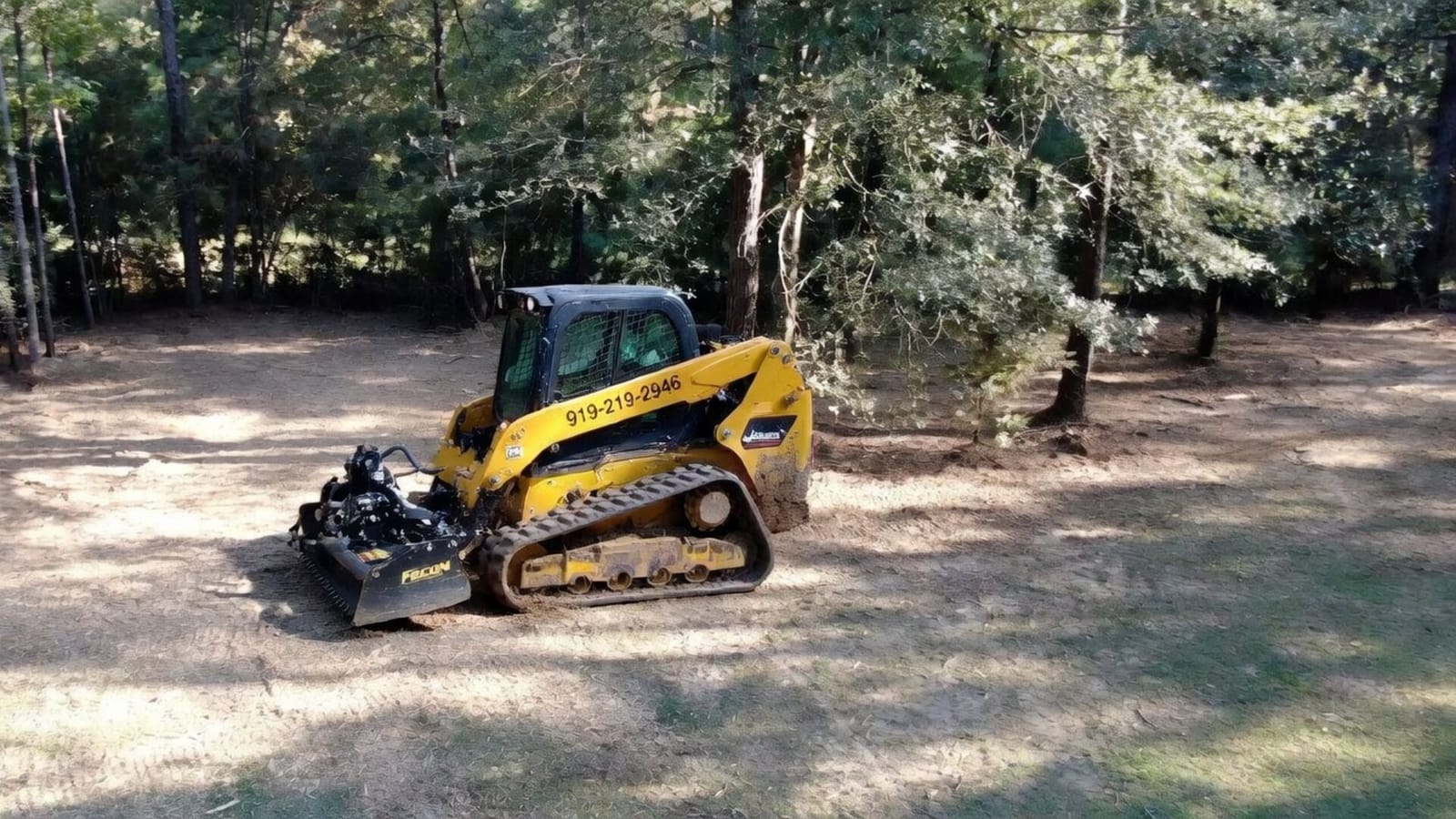
Landscape mulch is bark or wood chips spread over a planting bed, and it is sold by the bag or the cubic yard. Forestry mulching works the other way around. A tracked machine with a spinning rotor drives into standing brush and young trees and shreds them where they grow, and the chips it leaves behind cover the ground.
That is why the price is per acre: you pay for ground cleared, not material delivered.
Per Acre, Per Day or Per Hour
A day rate sells you a machine and an operator for a block of time, and an hourly rate does the same in smaller pieces. Whatever the mulcher gets through is what you get, so a stand that is thicker than it looked costs you the slow hours. A per-acre quote sells a result: this ground, cleared to this line, finished this way, with the risk of a slow day on us instead of on you.
To compare the two, work out the job total first. Multiply the hourly rate by the hours, add any trailer or mobilization charge, then divide by the acres cleared.
| Example bid (not a quote) | Job total | Acres cleared | Per acre |
|---|---|---|---|
| 12 hours at $200, plus a $600 trailer charge | $3,000 | 1.5 | $2,000 |
| The same bid, thicker brush, 1 acre finished | $3,000 | 1 | $3,000 |
The hourly rate never changed between those rows; the ground did. Before comparing, find out how many acres of your growth the hours are meant to finish, and whether a return visit is inside them.
What Moves a Desert Lot Within the Band
Much of the ground around Santa Clara is open shrubland, and open shrubland sits toward the bottom of its band. Three things push a lot up from there.
- Stem size and density. Thin brush passes through the head at a steady walk. A thicket of thick woody stems, or a lot with larger trees to grind, slows the machine and raises the price.
- Broken ground. Rock near the surface, steep banks and loose footing all cut into how much ground a day covers. A walk of the lot shows most of it before the quote is written.
- Lot size. A single town lot lands on the $1,500 minimum. Two or three neighboring lots done in one visit make better use of the trip.
A tracked mulcher typically covers 1 to 2 acres a day in light brush and closer to half an acre in dense growth, which is why an acre has no single time.
What Moves a River-Bank Thicket
Washington County lists tamarisk as a Class 3 containment weed and giant reed as a Class 1B early-detection weed, and puts the duty to control them on the property owner. Along the Santa Clara and Virgin rivers and their washes, these two plants are the dense work.
- Strip shape. A bank is priced by the area it covers. A strip 20 feet wide and 2,178 feet long is one acre, so a short run of bank is a small fraction of one and starts at the minimum.
- Giant reed clumps. Giant reed grows as tall cane from a heavy root mass, and an old clump takes more machine time than its footprint suggests.
- Water-edge footing. Soft ground beside a river or wash is worked when it will carry the machine, so waiting for firm ground moves the start date and not the rate.
- The return visit. Both plants send up new growth from the root, so cutting once is the beginning of the job. Each return cut by our crew is its own line on the quote, and stump treatment is a licensed applicator’s work with its own price. Our Utah tamarisk removal guide sets out the cut, treat and check sequence.
Approvals That Move the Schedule
An approval changes when work starts or where it stops, seldom the per-acre figure. Santa Clara City’s Building Department takes applications for excavation and grading and for floodplain development; ask it whether your scope needs either. Disturbing an acre or more of soil, or less as part of a larger plan, brings in the state’s construction storm water permit. Altering the bed or banks of a natural stream takes the State Engineer’s written authorization, while man-made ditches and canals are not counted as natural streams. Requirements vary by parcel, scope and jurisdiction, and the governing authority makes the determination.
Frequently Asked Questions
How much does a day of forestry mulching cost?
We quote by the acre, not by the day, because a day covers very different ground depending on the growth: one to two acres in light brush and about half an acre in dense stands. The bands on the Santa Clara pricing page are the figures to plan on.
Does a small lot still cost $1,500?
Yes. A single lot or a short stretch of bank starts at the minimum charge of about $1,500, billed in place of an acre rate and never added to one. Past one acre, the per-acre bands apply.
Will tamarisk come back after mulching?
Yes, from the root crown, so the first cut starts the job. Each return cut is listed on a separate line in the quote, and any stump treatment is a licensed applicator’s work.
Get a Price for Your Santa Clara Ground
Request a free quote and we’ll contact you to discuss your property, access and the clearing you need. The quote lists the first pass and any return visit as separate lines.
Read more: the bands on our Santa Clara pricing page, the towns we cover on the Santa Clara land clearing page, and statewide figures in the Utah land clearing cost guide.
More from the Cut Brush Blog
Keep reading for more tips and guides on land clearing.
 Cost Guide
Land Clearing and Grading Cost in Utah (2026 Guide)
Clearing a Utah homesite runs $1,500 to $4,500 an acre before grading. Who does each phase, and the soil, dust, tortoise and prairie dog rules to plan for.
 Cost Guide
Forestry Mulching Cost in Utah (2026 Guide)
Forestry mulching in Utah runs $1,500 to $4,000 an acre. See how Gambel oak regrowth, juniper size, slope and the June to October fire season move a price.
Let's Get Started on Your Land
Request a free quote. We'll contact you to discuss your property, access, and the clearing you need.
Get a Free QuoteOr call us directly: (919) 525-3950
 Quick answers from Cut Brush