Redberry Juniper Clearing in San Angelo, TX: Why Cedar Resprouts
Cut Brush Team · October 1, 2026 · 5 min read
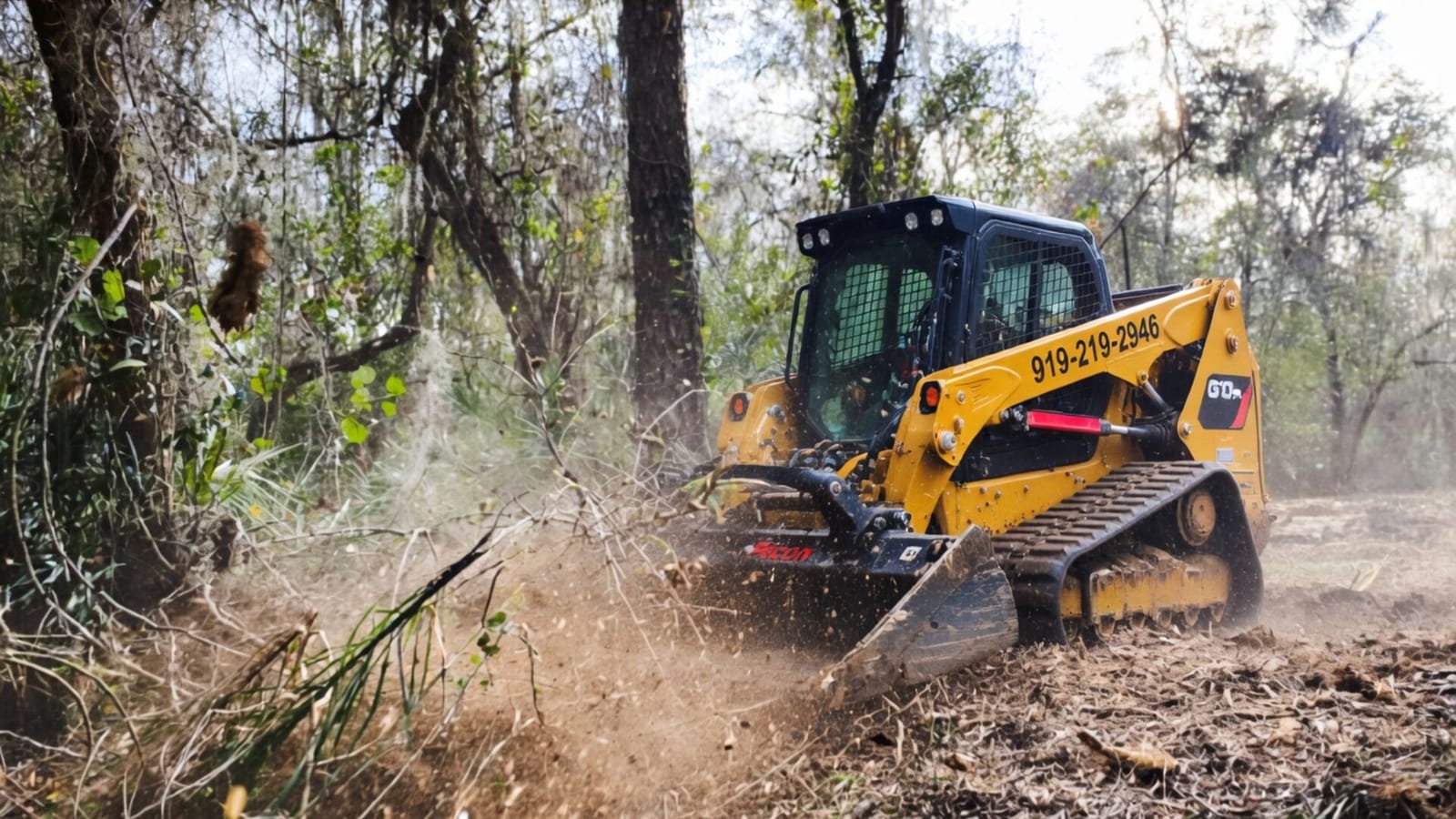
Most of the cedar around San Angelo is redberry juniper, and unlike the Ashe juniper further east it grows back from its base when only the top is cut. Texas A&M research shows young plants taken out at ground level die, while plants older than about 8 to 10 years usually resprout after top removal. So the age of the cedar on your land decides whether one mulching pass finishes the job or whether the plan needs a second step. Sort it before anyone quotes.
How Cedar Spread Across the Concho Valley
Texas Parks and Wildlife places parts of Tom Green, Concho, Irion and Sterling counties, and a separate area of Coke County, within the Edwards Plateau ecoregion (TPWD, Edwards Plateau Ecological Region). Its account of the region is one of grassland lost: by 1900, heavy grazing and the control of fire had turned it toward brushland, and today Ashe and redberry juniper, both called cedar, dominate much of it. Mesquite, lotebush and pricklypear fill in around them.
Texas A&M puts a scale on the redberry side of that story. A 1982 Soil Conservation Service survey, cited in its review, found the species on about 11.7 million acres of Texas rangeland, and acreage across a 65-county area of northwest Texas grew by about 60 percent between 1948 and 1982 (Texas A&M, Biology and Ecology of Redberry Juniper).
On a ranch in Tom Green or Runnels County that shows up as grass thinning under a growing canopy, fence rows lost in cedar, and pasture that carries fewer animals than it used to.
Why Redberry Juniper Comes Back
The same Texas A&M review explains the problem in one line: redberry juniper plants “resprout profusely” if the part above the bud zone is killed or damaged by fire, hand cutting or shredding. Brush Busters places the basal knob, where those buds sit, at or slightly beneath the soil surface. Take the top off and leave the crown, and the plant sends up a cluster of new stems.
Age changes the odds. The review reports that clipping at ground level killed essentially all seedlings and saplings until they were about 8 years old. Texas A&M’s Brush Busters program gives owners the practical version: top removal will not control redberry cedar over 8 to 10 years old, and seedlings under 2 feet tall can be killed by grubbing them out below the basal knob (Texas A&M Brush Busters, Top Removal Method). The same page says blueberry cedar, the Ashe juniper of the Hill Country, can be controlled by cutting at the ground line.
Sorting Your Land Before It Is Quoted
Walk the pasture with three groups in mind.
Young cedar. Small plants scattered through grass. A mulching head takes these down at or below the surface quickly, and the research says they rarely return. This is the cheapest and most final part of the job.
Old, broad cedar. Plants with a wide crown and several thick stems, often in draws or along fence lines. These grind slowly and are the ones most likely to resprout. Plan for a return pass in a season or two, grubbing the crown out, or a herbicide follow-up by you or a licensed applicator.
Mesquite and everything else. Texas A&M notes that mesquite thrives across the western two-thirds of Texas (Texas A&M Brush Busters, Mesquite). It is a different plant with its own regrowth habits, so treat it as its own line on the plan rather than assuming it behaves like cedar.
A quote that treats all three the same is either overpriced on the young cedar or underplanned on the old.
What Mulching Does Well Here
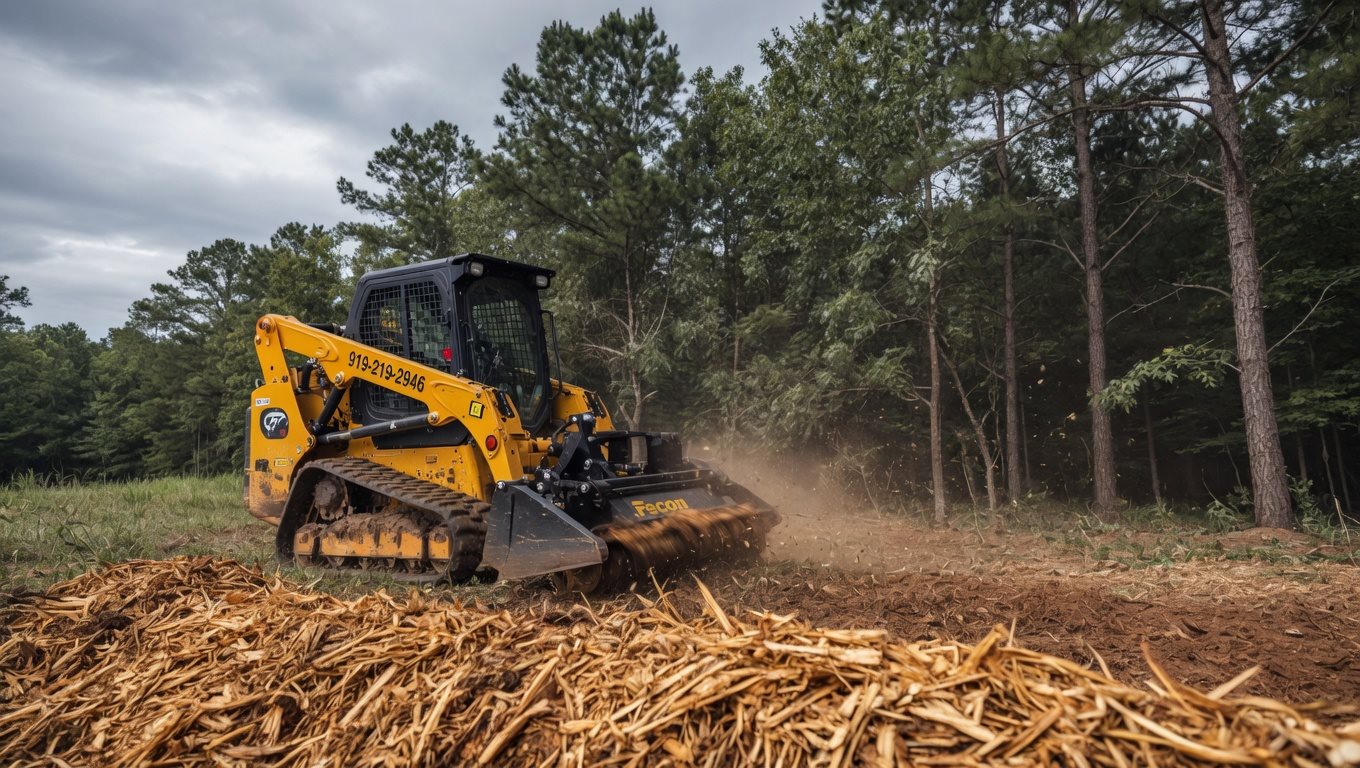
Forestry mulching grinds cedar and mesquite into chips where they stand. On young redberry juniper, taking the plant down to the ground is the whole job. On thin, rocky plateau soil, the chip layer shades the ground and slows runoff while grass comes back. And because nothing is burned, the work goes ahead during a Tom Green County burn ban.
Where mulching falls short is the old cedar crown. A mulcher works at the surface; it does not dig out a crown that sits below it. For those plants the sound plan is a second pass when the sprouts are small and quick to grind, or a separate grubbing scope priced as land clearing. Cut Brush offers the mechanical work only; spraying is for you or a licensed applicator.
Planning a Clearing That Lasts
- Start with the pasture you will use first. Clearing young cedar there gives the fastest, most lasting result.
- Write the return pass into the quote. If old cedar is involved, agree on timing and price for a follow-up visit up front.
- Keep the keepers. Mark live oaks and shade trees before work starts.
- Check the paperwork inside city limits. A construction project that disturbs an acre or more in San Angelo needs a stormwater plan; the San Angelo and Tom Green County permit guide explains the offices involved.
Frequently Asked Questions
Is all the cedar around San Angelo redberry juniper?
No. TPWD lists both Ashe and redberry juniper on the Edwards Plateau, and both are called cedar. Clear photos, or a site visit where we can take the job, identify which is on your land.
How do I know if a cedar is too old to stay gone?
Brush Busters uses roughly 8 to 10 years as the line for top removal. In practice, a broad plant with several thick stems is usually past it.
Does Cut Brush spray the regrowth?
No. Herbicide work needs a licensed applicator. Cut Brush handles mulching, grubbing and clearing.
Get a Plan for Your Cedar
Compare your acreage against the San Angelo pricing guide, read about the local ground on our San Angelo land clearing page, then request a free quote. If we can take work at your location, the written quote says which acres are a single pass and which carry a follow-up.
More from the Cut Brush Blog
Keep reading for more tips and guides on land clearing.
 Guide
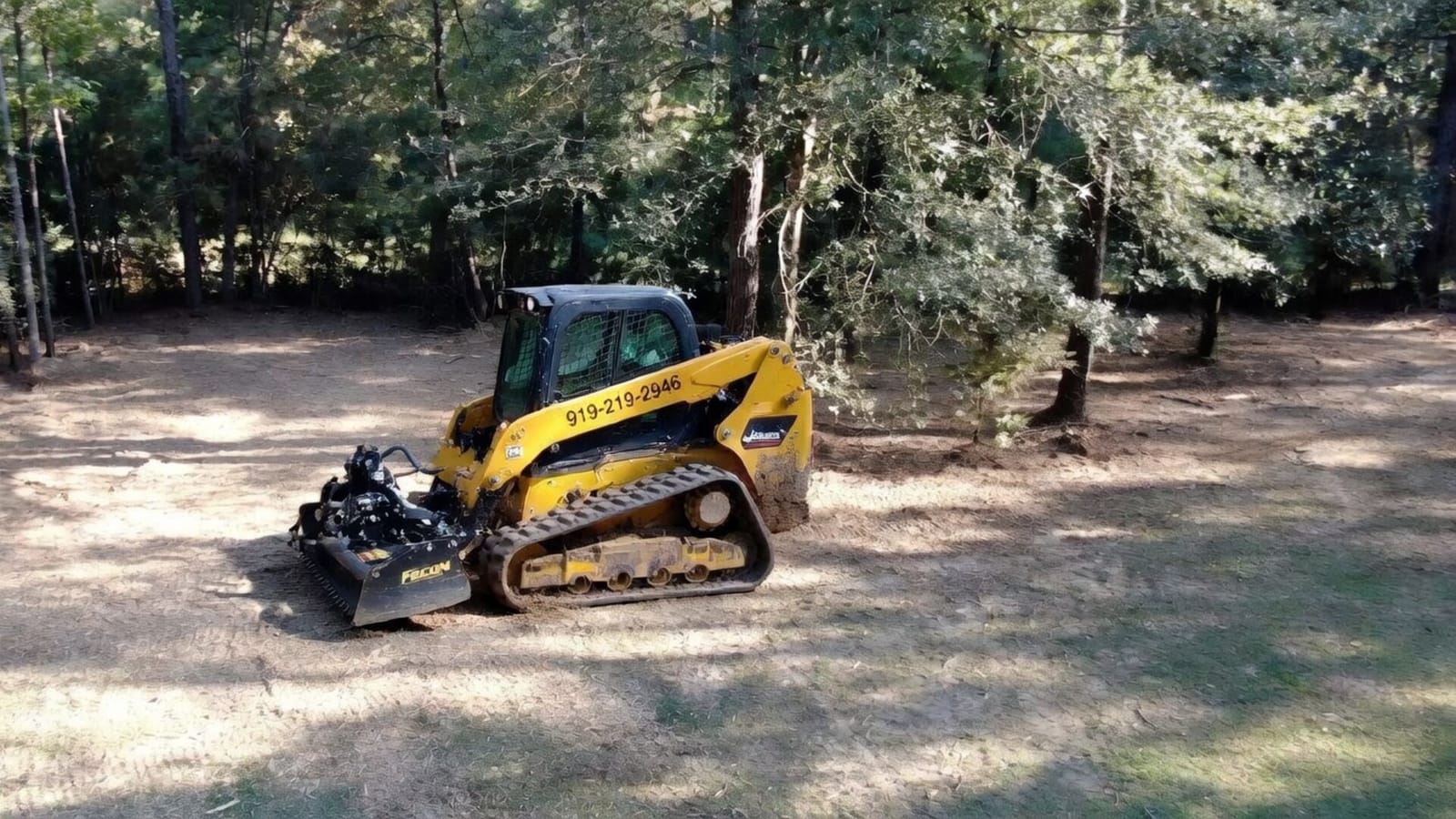
Guide Land Clearing Permits in San Angelo & Tom Green County, TX
When clearing land in San Angelo needs a stormwater plan, what the city weed rule asks, who handles floodplain and septic in Tom Green County, and burn bans.
 Cost Guide
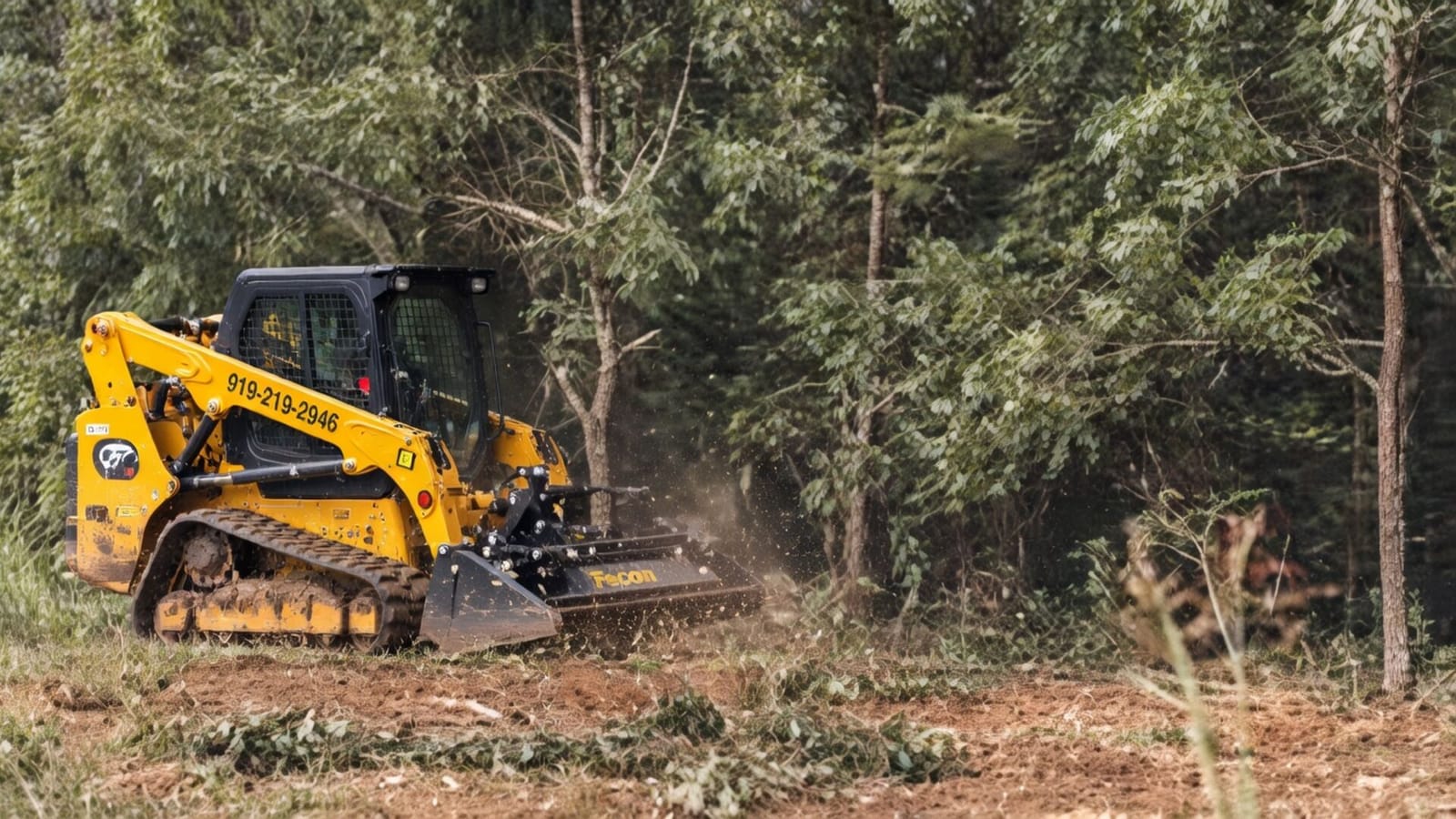
 Forestry Mulching Cost in San Angelo, TX (2026)
Forestry mulching around San Angelo, TX runs $1,500 to $4,000 per acre. How cedar age, regrowth, rock and burn bans move a Tom Green County quote.
 Cost Guide
 Land Clearing Cost Per Acre in Texas (2026 Guide)
Land clearing cost per acre in Texas runs $1,500 to $4,500. See what cedar density, rock, and access do to a quote, with real Hill Country ranges by vegetation type.
Ready to Get Started on Your Land?
Get a free, no-obligation estimate for property in San Angelo & the Concho Valley.
Get Your Free QuoteOr call us directly: (919) 525-3950