What to Know Before Clearing Land Around Wilton
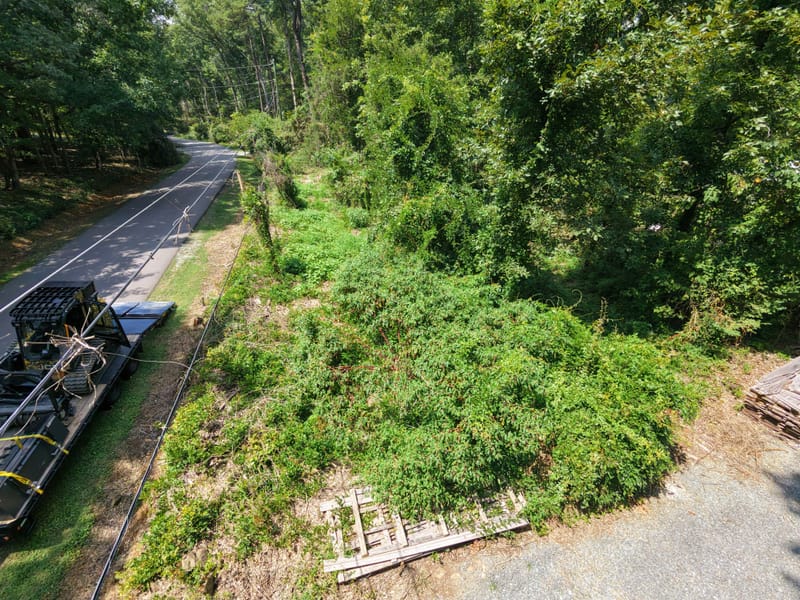
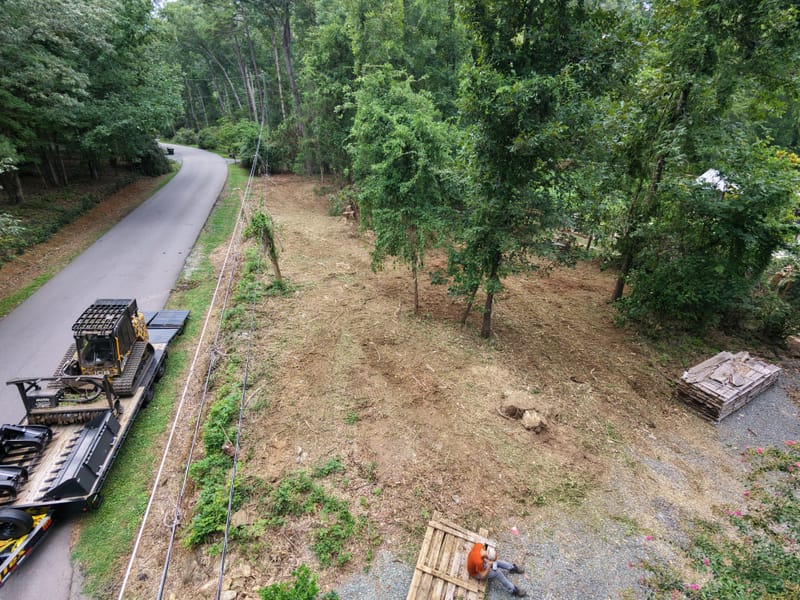
Barberry fills the understory. The Connecticut Agricultural Experiment Station reports
that Japanese barberry escaped from gardens and now grows wild throughout the state's woodlands, where
its thickets keep native trees and wildflowers from coming back. It is thorny and slow to grind, and it
resprouts from the crown, so plan for a follow-up visit. Our
Japanese barberry removal guide
sets out the plan.
The 100-foot line around water. Wilton's wetland regulations treat clearing, grubbing
and grading within 100 feet of a wetland or a watercourse, such as the Norwalk River and its brooks, as a
regulated activity that needs an Inland Wetlands Commission permit first. Requirements vary by parcel,
scope and jurisdiction, and the governing authority makes the determination; the town's Environmental
Affairs Department is the first call, and the
Wilton cost guide
explains how that changes timing and price.
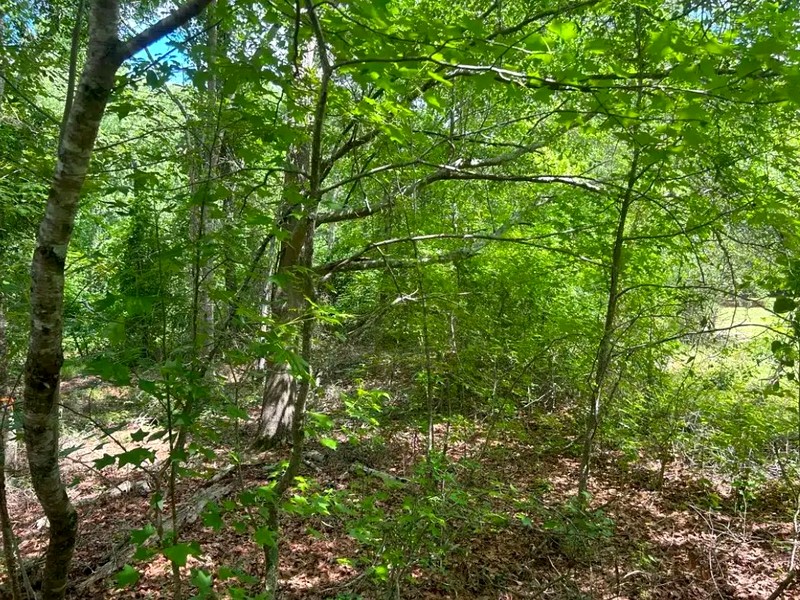
Ticks live in the shrub layer. The Experiment Station found significantly more ticks
carrying the Lyme disease bacterium in barberry-infested woods than in woods without it, and that
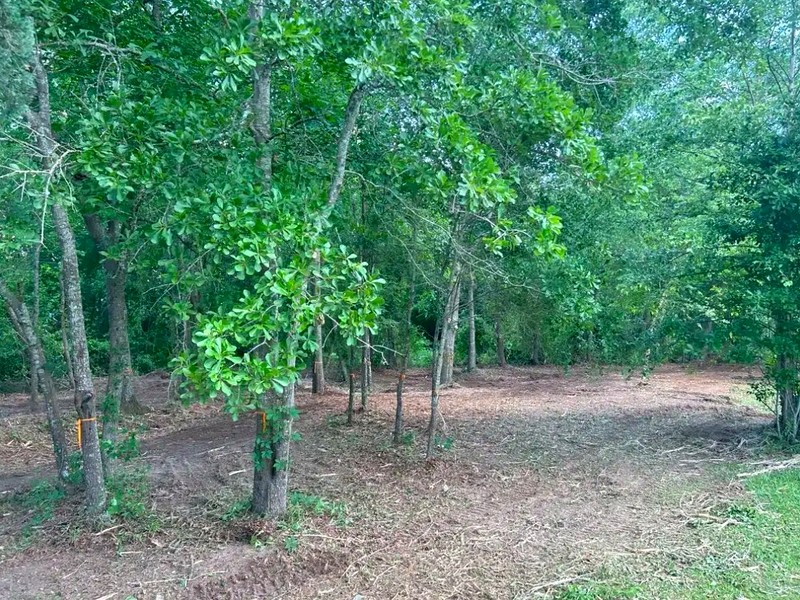
managing barberry cut tick numbers for up to five years. That is why the strip between a lawn and the
trees is often the first place an owner here wants opened.