Clearing the Piedmont: Growth, Clay, and the Rules
The work follows the corridors. North on I-77, Iredell County leads the metro in growth and
Mooresville has added nearly a fifth to its population since 2020; east on US-74, the Monroe
Expressway turned Union County farmland into subdivision ground with a projected 60% more growth by
2050; south across the line, Indian Land pushed Lancaster County up 19% in five years. Builders
from D.R. Horton and True Homes to Mattamy are working projects as big as the 1,400-acre River
District on the Catawba, and every one of them, along with thousands of private owners, starts with
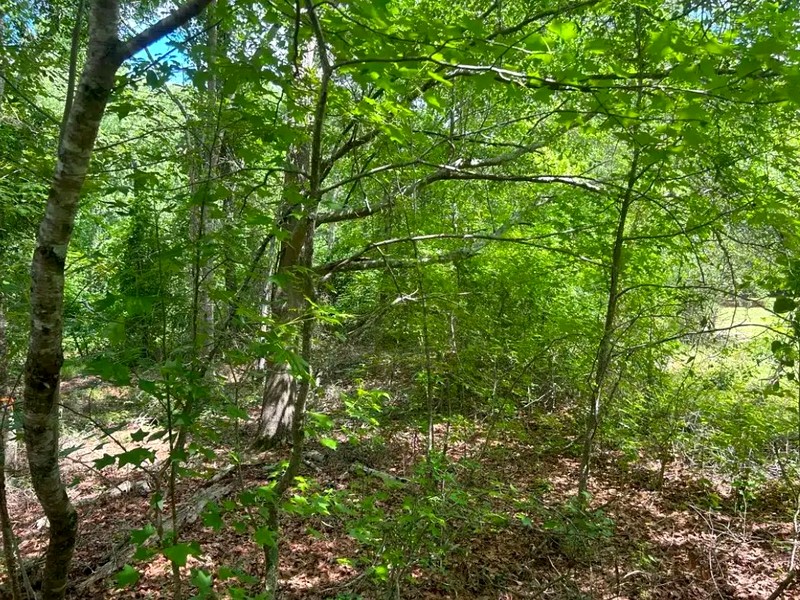
the same step: wooded ground becoming usable ground.
The ground itself sets the method. The Southern Piedmont sits on Cecil soil, North Carolina's
official state soil, a deep red kaolinite clay that erodes the moment it is stripped bare, which is
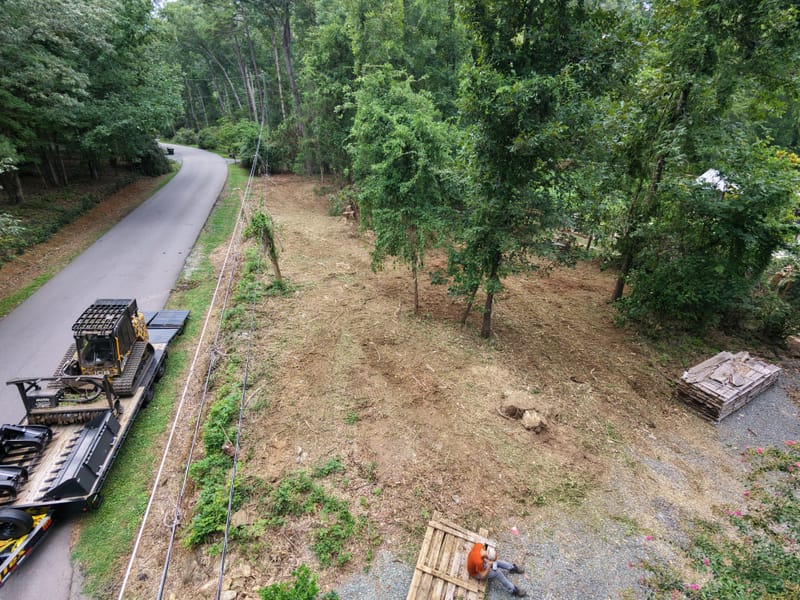
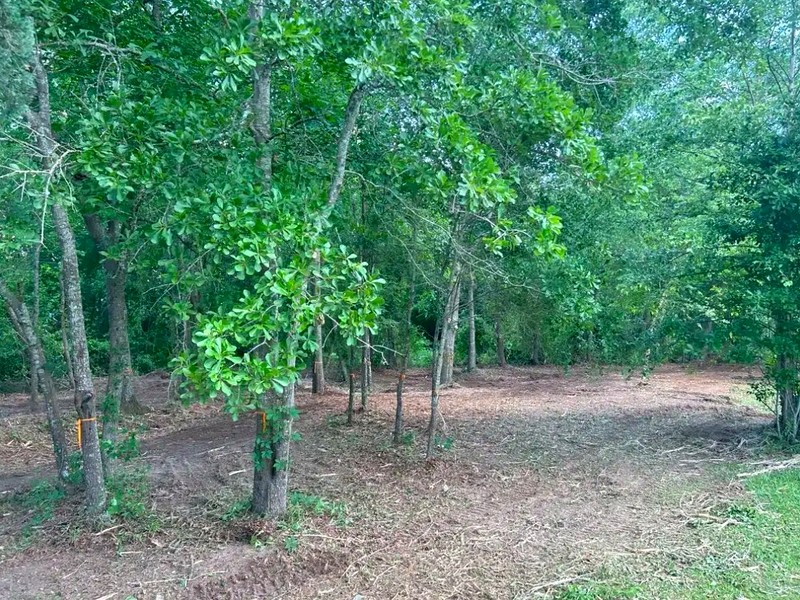
exactly why mulch-in-place clearing fits this region: the mat holds the clay through the storm, and
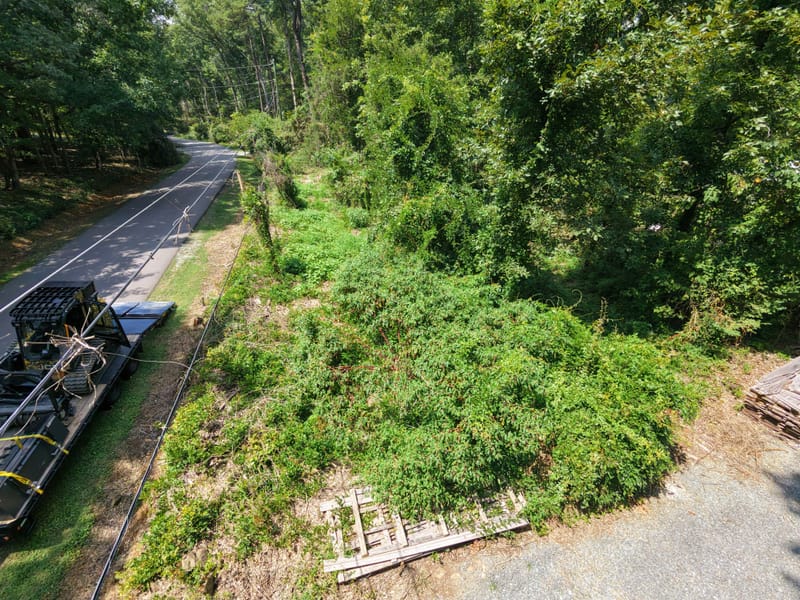
tracks spread the machine's weight instead of rutting soft ground. The vegetation fights back too:
Chinese privet, the piedmont's most aggressive invasive shrub, plus kudzu on the fence lines and
Bradford pears seeding into every unmowed field.
And the rules reward planning ahead. Disturbing an acre or more of soil triggers North Carolina's
erosion-plan requirement with its 30-day lead time; Charlotte-Mecklenburg's SWIM buffers protect
regulated streams with a 50-foot corridor whose first 30 feet is untouchable; open burning near
woodland runs through NC Forest Service permits, one more reason most of our projects burn nothing;
and commercial sites in Charlotte carry a 15% tree save requirement. We plan clearing limits around
all of it before the machine unloads.