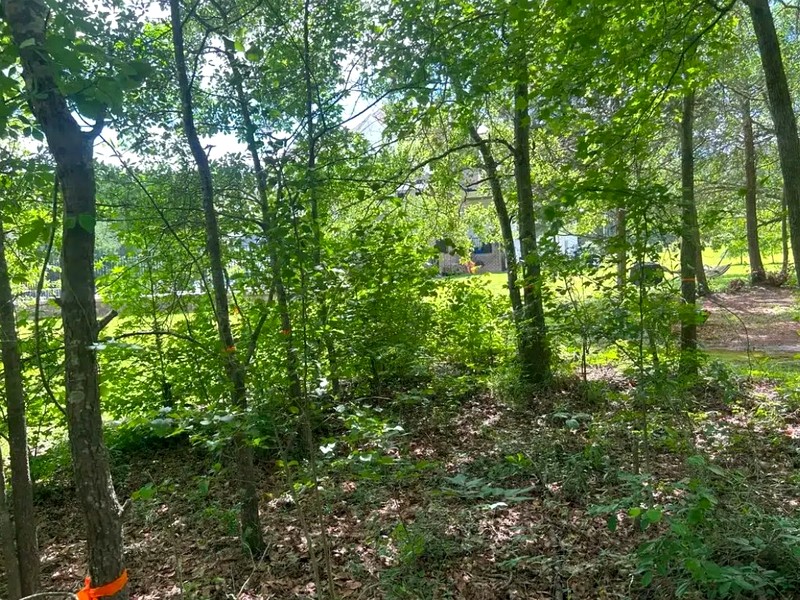
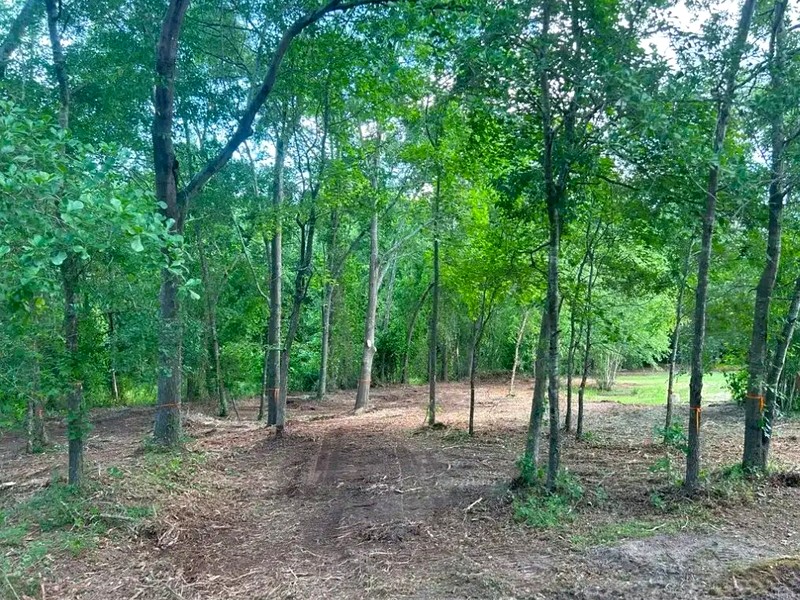
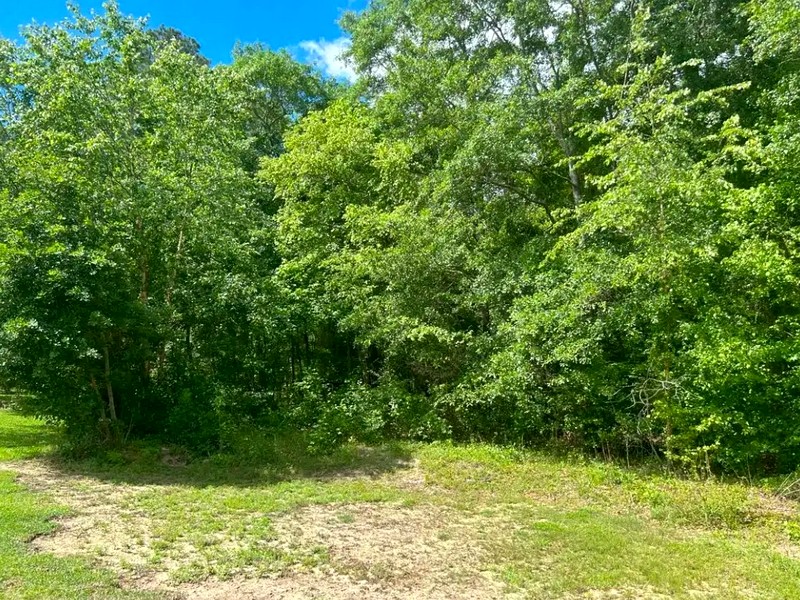
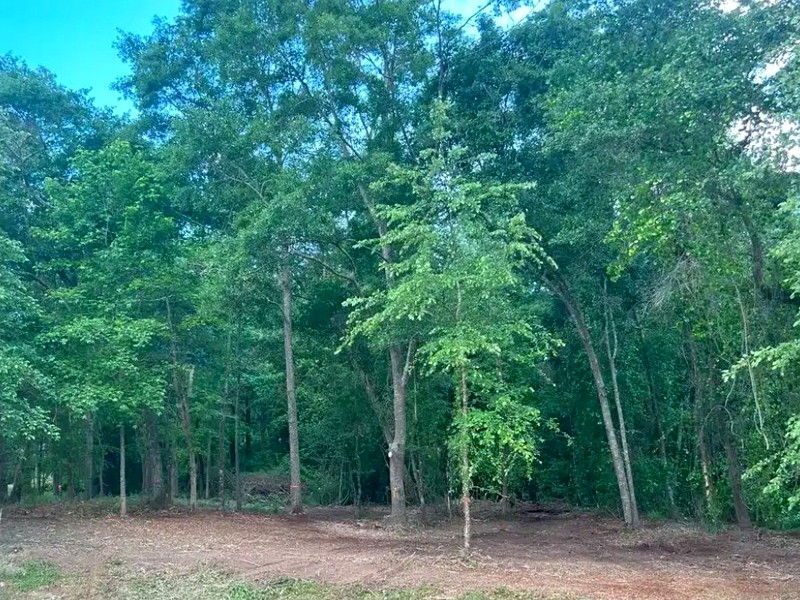
What to Know Before Clearing Land Around Shallotte
Soft, sandy ground sets the calendar. The most common soil in Brunswick County is Leon fine sand: flat, sandy and poorly drained, with the water table 6 to 18 inches down for one to four months of the year. A tracked mulcher spreads its weight, but it still bogs down in a wet week, so we work soft ground in the drier months and plan the route around the wet spots. The wetter the lot, the higher it sits in its price band.
Permits depend on acreage and the water. Brunswick County's stormwater permit covers residential development that disturbs more than an acre, and any related disturbance within 30 feet of the banks of a natural stream or water body. The county administers it in unincorporated areas and in Belville, Boiling Spring Lakes, Bolivia, St. James and Sunset Beach. North Carolina also requires an erosion and sedimentation control plan at least 30 days before work starts on a site that disturbs more than an acre. Ask the county, or your town if you live inside one, before a house site is opened up; requirements vary by parcel, scope and jurisdiction, and the governing authority makes the determination.
Burning is limited, and mulching skips it. All burning within 100 feet of any structure is banned in unincorporated Brunswick County, and the county is a high hazard county where a North Carolina Forest Service burn permit is required. Towns set their own rules. Check the county's burn ban page before you light anything. Mulching leaves nothing to burn.