Clearing Land on Black Belt Clay Around Montgomery
Cut Brush Team · September 25, 2026 · 5 min read
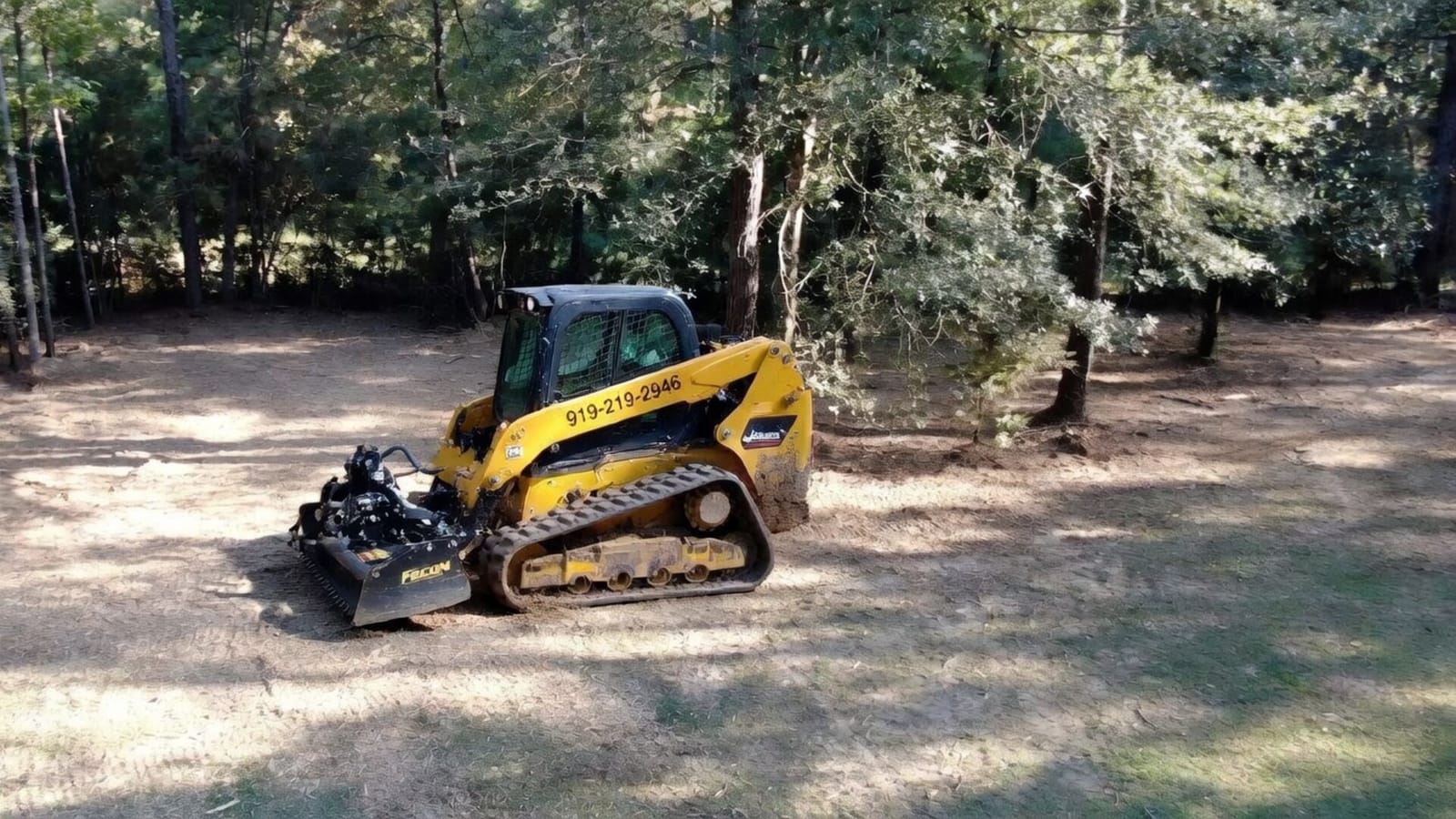
On Black Belt clay, when you clear matters almost as much as how. Alabama Extension describes these clays as shrinking and cracking when dry and swelling when wet, and the USDA describes a common series as saturated near the surface for long stretches of most winters and springs. Soft clay slows a machine and can rut the pasture you are trying to improve, so around Montgomery the plan for clearing starts with the calendar.
Here is what the ground is, what the official descriptions say about it, and how that changes a clearing job in the River Region.
What the Black Belt Is, and Where Montgomery Sits
The Encyclopedia of Alabama lists seventeen counties in the traditional Black Belt, including Montgomery, Lowndes, Macon and Bullock, and notes that the name is presumed to come from early settlers’ descriptions of its dark soils (Encyclopedia of Alabama). It also calls Montgomery the only city inside the region. Autauga and Elmore, across the rivers to the north and northwest, are not on that list, which is one reason a Prattville or Wetumpka tract and a Hayneville tract are worth judging separately.
Alabama Extension traces Black Belt soils to alkaline Selma chalk or acid marine clays, with acid and alkaline soils mixed throughout. Most of them, it says, are now used for timber production and pasture (Alabama Cooperative Extension System).
Why the Clay Behaves the Way It Does
The Extension description is specific. The Wilcox, Mayhew and Vaiden soils along the southern edge of the prairie hold a high share of smectitic clays that shrink and crack when dry and swell when wet. They are somewhat poorly or poorly drained, and locally they are called flatwoods or post oak clays.
The USDA’s description of the Vaiden series adds the detail that matters for scheduling: very slow permeability, and saturation within one to two feet of the surface for significant periods during winter and spring of most years (USDA NRCS, Vaiden series). Its listed uses are cropland, pasture, hayland and woodland, and its common trees are loblolly and shortleaf pine, post oak, sweetgum, southern red oak and hickory.
None of that tells you what is under your own parcel. It tells you which questions to ask at the walk-through.
What It Changes on a Clearing Job
The start date. A tracked mulcher spreads its weight well, but saturated clay still gives. Work that runs at the normal rate in a dry stretch runs slower in a wet one, and some wet weeks are simply for waiting. A flexible date is worth money.
The route across the property. Soft spots, swales and creek bottoms between the road and the work decide how the machine gets in. On pasture you intend to keep grazing, the route is chosen to keep ruts out of it.
Stumps. On very slowly permeable ground, a stump hole can hold water for a while. Grinding stumps flush and leaving the chip layer avoids open holes on ground that will be grazed or mowed. Pulling them makes sense where a builder needs open dirt.
What goes under a building. Clay that shrinks and swells is a question for your builder and their engineer before a slab is poured. Clearing opens the site; it does not settle what the foundation needs.
Wet ground and wetlands are not the same thing. A low spot that holds water after rain is not automatically a wetland. Whether an area is a regulated wetland is a formal determination made by the agency, not something a clearing contractor decides from the cab. If there is any doubt, settle it before work in that area is scheduled.
Cedar, Pasture and the Growth You Are Paying For
The USDA describes the Sumter soils of the Blackland Prairie as mostly cleared and used for pasture, hay and small grain, with some areas in red cedar and steeper ground in oak and red cedar (USDA NRCS, Sumter series). That matches the most common job around Montgomery: grazing ground that has been left alone while cedar, sweetgum and briar close in from the fence rows.
Forestry mulching suits that work well. It grinds the growth where it stands, leaves the stumps flush and the chips on the surface, and needs no burn pile, which matters inside the city limits where any open fire needs a fire department permit. What sets the price inside the band is mostly how long the pasture has gone unmanaged. Our Montgomery forestry mulching cost guide breaks that down.
Frequently Asked Questions
What is the best month to clear land around Montgomery?
Usually a dry stretch. The USDA describes Vaiden soils as saturated for long periods in winter and spring, so those months carry the most weather risk.
Will clearing fix a pasture that stays wet?
No. Clearing removes growth; it does not change how the soil drains. A drainage question belongs with a qualified professional, and the governing authority decides anything regulated.
Does Black Belt clay make clearing more expensive?
Not by itself. It makes timing matter. A job booked into a dry spell prices like any other; one squeezed into a wet month can take longer.
Plan the Clearing Around the Ground
We look at the ground, the season and your plans for the land at a free walk-through, then put the scope in writing. Ranges for every kind of work are on the Montgomery pricing guide, what makes the River Region different is on our Montgomery land clearing page, and when you are ready, request a free quote.
More from the Cut Brush Blog
Keep reading for more tips and guides on land clearing.
Guide Land Clearing Permits in Montgomery & Montgomery County, AL
When clearing land in Montgomery needs a city grading permit, why there is no acreage floor, the $400 fee, the burn permit and what applies in the county.
 Cost Guide
 Forestry Mulching Cost in Montgomery, AL (2026)
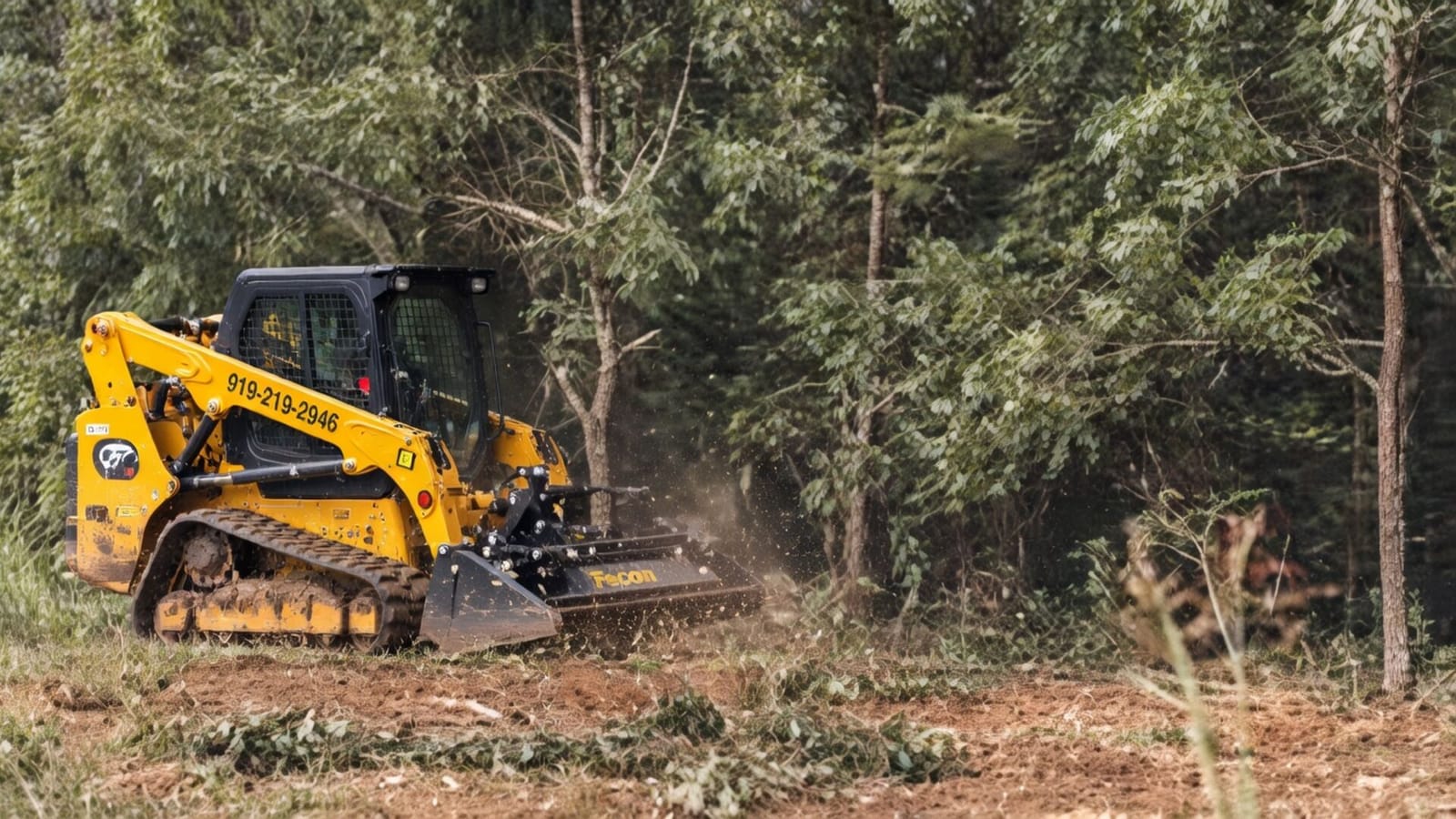
Forestry mulching around Montgomery runs $1,500 to $4,000 per acre. Here is what Black Belt clay, pasture age and the city burn permit do to a quote.
 Guide
Guide Kudzu Removal in Alabama: Cost and a Plan That Lasts
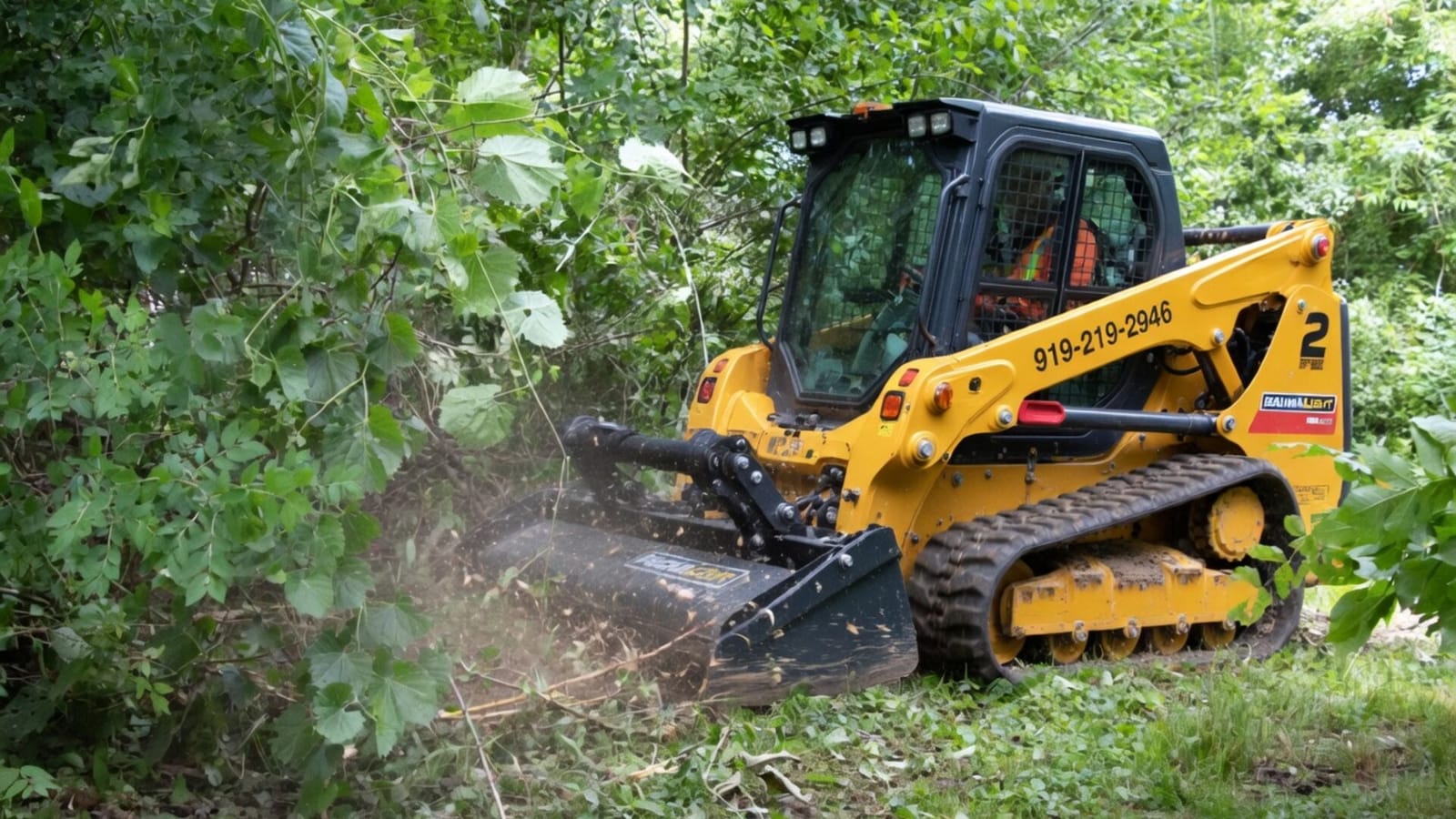
Kudzu removal in Alabama takes more than one cutting. See why it regrows, the multi-visit plan that drains the root crowns, and what it costs per acre.
Ready to Get Started on Your Land?
Get a free, no-obligation estimate for property in Montgomery & the River Region.
Get Your Free QuoteOr call us directly: (919) 525-3950