
Montgomery's Trusted Land Clearing & Brush Removal Experts
Turn overgrown property into clean, usable land with forestry mulching, Black Belt pasture clearing and lot preparation across Montgomery and the River Region.
Why Choose Us
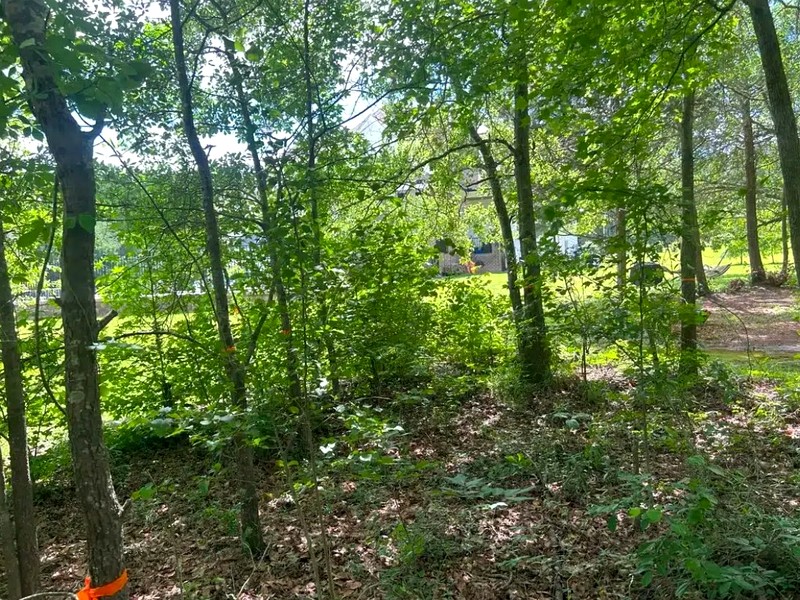
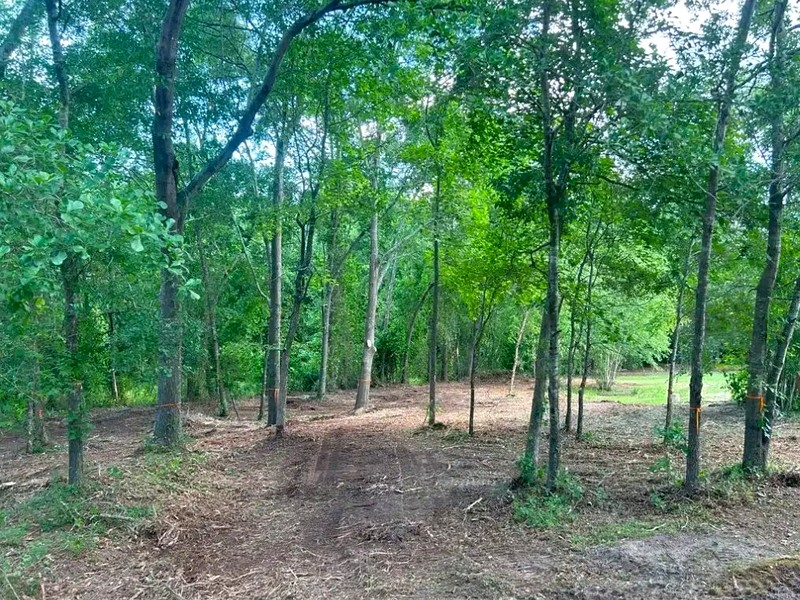
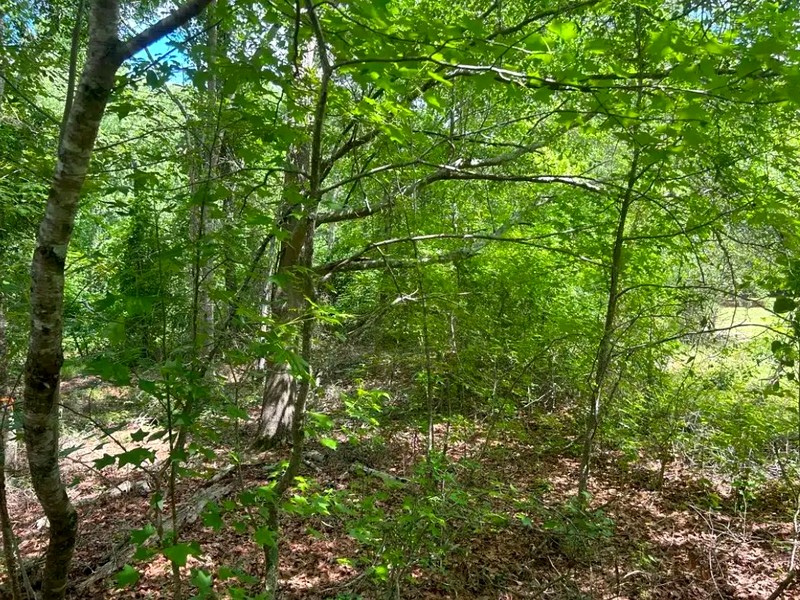
Land Clearing Before & After
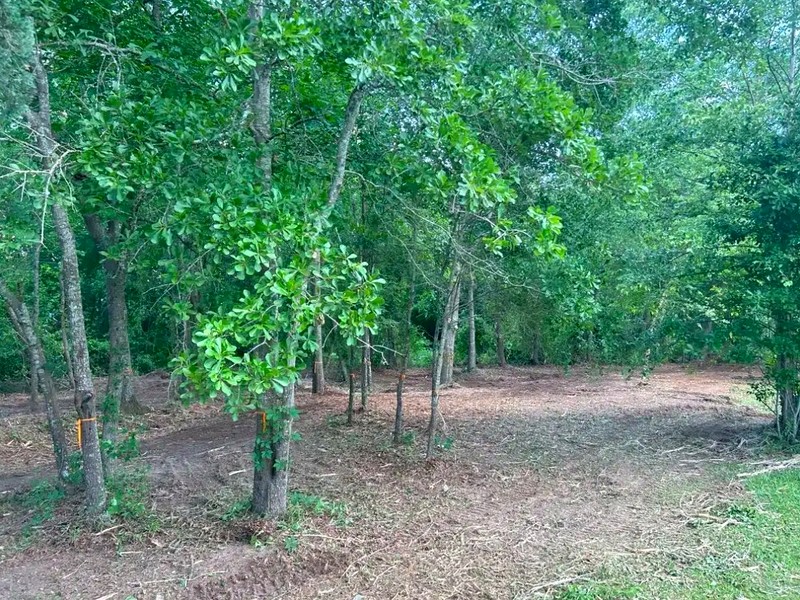
Ground you cannot walk through, turned into ground you can use.
What Our Customers Say
Real Cut Brush customers, in their own words.
"My 2-acre property was so thick you couldn't walk through it. One day later, it looked like a park."
– Jason M
"Fast, honest, no drama. They quoted Tuesday, cleared Thursday. Done by Friday."
– Carrie D.
"We didn't realize how much land we had until Cut Brush cleared it."
– Tony & Lisa R.
From Overgrown to Usable in 3 Steps
A straightforward process from the first conversation to land you can use.
Request a Free Quote
Tell us where the land is, roughly how many acres you want opened, and what it is for next: a house site, a pasture brought back, a hunting tract or simply ground you can walk. You get a clear written quote.
We Clear Your Land
The agreed scope gets worked on a day the ground will carry the machine, around the trees, fences and pasture lines you asked us to keep, with the material ground in place rather than piled.
Enjoy Your Property
Put the opened ground to work as a homesite, grazing, a food plot or a fence line you can finally ride without ducking limbs.
What We Take On Around Montgomery
From a grown-in lot inside the city to a cedar-choked pasture out past Hayneville or Union Springs.

Forestry Mulching
Yes, across the River Region: one tracked machine grinding brush, cedar and young pine where it stands, with no pile left to burn under a city permit.

Land Clearing
Whole tracts and building sites opened across Montgomery, Autauga, Elmore, Lowndes, Macon and Bullock counties, with the finish written into the quote.

Pasture & Understory Work
Grown-in pasture, fence rows and the brush under timber you are keeping, cut back to open ground and timed for when the clay will carry a machine.

Lot & Homesite Prep
Building envelopes, drives and utility runs around Pike Road, Prattville and beyond, cleared to the ending your builder actually needs.
See Cut Brush in Action
Watch our crew transform overgrown properties with professional forestry mulching equipment.
- Before & after project walkthroughs
- Professional equipment on real jobs
- See the land clearing process start to finish
Prairie Clay, Pasture and Pine
Montgomery is the only city inside Alabama's traditional Black Belt, a band of seventeen counties named, the Encyclopedia of Alabama says, for the dark soils early settlers found there. Montgomery, Lowndes, Macon and Bullock are all on that list. Alabama Extension traces those soils to Selma chalk and marine clays and notes that most of them are now in timber and pasture. The USDA describes the Sumter soils of the prairie as mostly cleared for pasture and hay, with some ground gone to red cedar, and the Vaiden soils as carrying loblolly and shortleaf pine, post oak, sweetgum, southern red oak and hickory. Pasture left alone here fills with cedar and brush, and a fence row forgotten for a decade becomes a hedge.
That makes most River Region clearing a question of growth, access and the season rather than slope or rock. Ranges for every kind of work are on the Montgomery pricing guide, the statewide picture is in our Alabama land clearing cost guide, and the Montgomery figure specifically is broken down in the Montgomery forestry mulching cost guide. Everything we do here is laid out on the Montgomery services page.
Three Things That Decide a Montgomery Job
Black Belt clay decides the calendar. Alabama Extension describes the Wilcox, Mayhew and Vaiden clays of the Black Belt as shrinking and cracking when dry and swelling when wet, and as somewhat poorly or poorly drained. The USDA adds that Vaiden soils are saturated within one to two feet of the surface for long periods in winter and spring of most years. For a clearing job that means soft ground slows the machine, can leave ruts in a pasture you mean to keep, and can move a start date. Dry months usually suit this ground best, and whether a low spot is a wetland is a formal determination, not a judgment made from the cab. The full picture is in our Black Belt clay clearing guide.
Inside the city, clearing needs a grading permit at any size. Montgomery's erosion and sedimentation ordinance, section 12-189, says no one may conduct land-disturbing activity without a grading permit from the city official, and clearing is named in the definition. There is no acreage floor. The application carries a construction best management practices plan, a $400 fee (waived for an individual single-family home plan), and the city decides a complete filing within 30 days. The city must hear five business days before work starts, and downslope controls go in before clearing begins. Agriculture, silviculture and minor residential work are excluded. Requirements vary by parcel, scope and jurisdiction, and the governing authority makes the determination. The sequence is in the Montgomery land clearing permit guide.
A burn pile in town needs the fire department. Under section 13-9 of the city code, any open fire inside the Montgomery city limits needs a burn permit from the city fire department, and the recreational exception does not cover vegetation or yard waste. The fire chief sets the conditions and can refuse. That is current as of September 2026. It changes the arithmetic of a quote directly: waiting on a burn permit, or loading and hauling, both cost more than grinding the material where it stands. Outside the city the state burn permit still applies above a quarter acre.
Serving Montgomery & the River Region
Six Alabama counties, from Prattville and Wetumpka in the north to Fort Deposit in the south, and east through Tuskegee to Union Springs.
South Central Alabama Land Clearing Guides
- Forestry Mulching Cost in Montgomery, AL (2026)
- Clearing Land on Black Belt Clay Around Montgomery
- Land Clearing Permits in Montgomery & Montgomery County, AL
- Kudzu Removal in Alabama: Cost and a Plan That Lasts
- Land Clearing Cost Per Acre in Alabama (2026 Guide)
- Forestry Mulching Cost in Alabama: 2026 Per-Acre Guide
Montgomery Land Clearing FAQ
Ready to Take Back Your Land?
Free written quotes across Montgomery, Autauga, Elmore, Lowndes, Macon and Bullock counties.
Get Your Free QuoteOr call us directly: (919) 525-3950