
Brush Hogging Cost Per Acre in Iowa (2026 Guide)
Cut Brush Team · November 9, 2026 · 9 min read
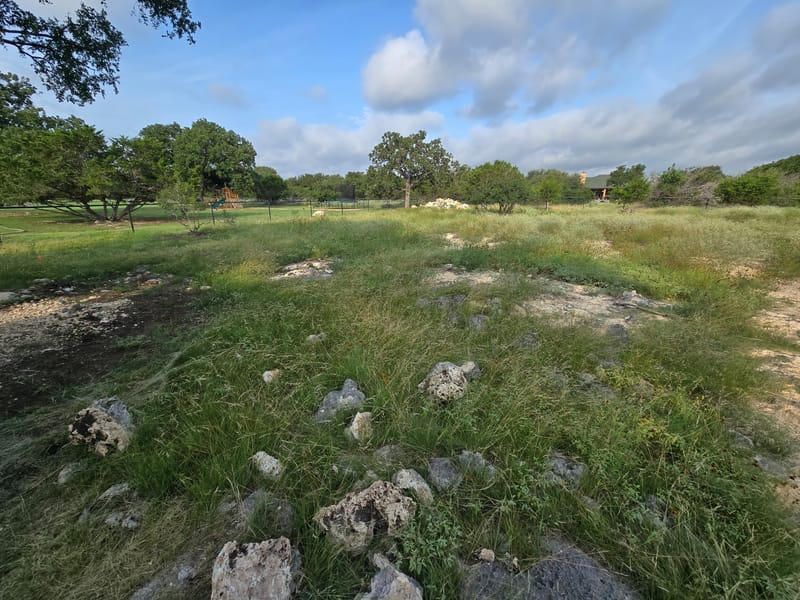
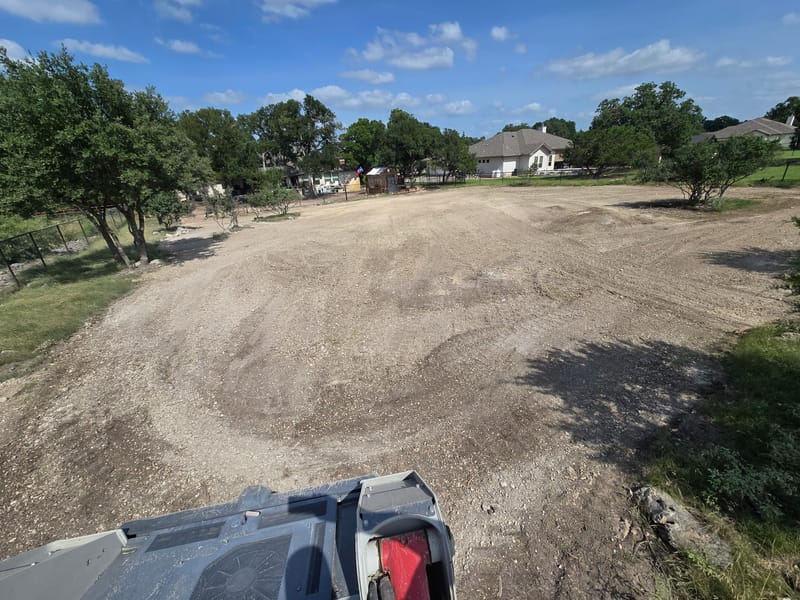
A CRP strip gone to thistle, a pasture where multiflora rose has spread out from the fence, a grassed waterway nobody has cut since the last tenant left. Our crew brush hogs Iowa fields for $75 to $400 an acre, depending on how long the field has gone without a mower. Ground cut last year sits near the bottom. Three or more seasons of rose canes and box elder seedlings sit near the top.
At a glance:
- By field condition: $75 to $150 an acre if it was mowed within the past year, $125 to $250 after one or two seasons, $200 to $400 after three or more.
- Minimum per visit: $250 to $500, which is often the whole bill for a single acre or one short waterway.
- Saplings past 2 to 3 inches: no longer mower work; they move to our $1,500 to $2,500 understory band or the $1,500 to $4,000 mulching band.
- CRP acres: mowing is only what your conservation plan allows, kept outside May 15 to August 1, Iowa’s primary nesting season, unless your county FSA committee approves it first.
- Road ditches: Iowa Code 314.17 bars mowing the right-of-way of primary highways, interstates and secondary roads before July 15, with nine listed exceptions.
Cut Brush works across Iowa from three markets: Perry and Central Iowa, Coralville and the Corridor, and Pella and South-Central Iowa.
How Much Does Brush Hogging Cost in Iowa?
Brush hogging is a heavy rotary cutter run through growth a hay mower cannot take: on Iowa ground, CRP grass gone rank, grassed waterways and terrace slopes, and pasture that thistles, multiflora rose and hardwood seedlings have moved into. We price by how long the field has gone uncut, because that sets how fast the cutter can travel.
| Field condition | Our price per acre | What it looks like on Iowa ground |
|---|---|---|
| Mowed within the past year | $75 – $150 | Grass and weeds on a CRP strip, waterway or pasture kept on a schedule |
| One or two seasons of growth | $125 – $250 | Thistles gone to seed, multiflora rose canes, box elder and mulberry seedlings |
| Three or more years overgrown | $200 – $400 | Rose clumps, honey locust and box elder saplings up to about 2 inches |
| Saplings past 2 to 3 inches | Not a brush hog job | Priced on the $1,500 – $2,500 understory band or $1,500 – $4,000 mulching |
Quoted by the hour instead, it runs $60 to $150 an hour, and every visit carries a $250 to $500 minimum for hauling the machine.
Where these numbers come from. The three mowing bands are the rates our crews work to in all three Iowa markets. The woody bands are on each market’s pricing page under a local name: Honeysuckle and Understory Clearing on the Perry pricing page, Buckthorn and Honeysuckle Clearing at Coralville, Autumn Olive and Fence Row Clearing at Pella. All three are $1,500 to $2,500 an acre, and forestry mulching is $1,500 to $4,000 an acre in every one.
If you have looked at Iowa State’s custom rate tables, you may have seen mowing CRP or pasture at about $27 an acre. That figure is the average of 47 rates that Iowa farmers and custom operators gave for routine mowing of open ground, and the tables are meant only as a guide. The row nearer a first cut through grown-up ground is chopping brush, which averages a little over $100 an acre, just under where our one-to-two-season band starts.
What Moves the Price of an Iowa Mowing Job
Multiflora rose. Under Iowa Code 317.1A it is a secondary noxious weed, unless your county’s board of supervisors has voted it off the list. Big thorny clumps make the cutter slow down, lift and take a second pass, which is what moves a field from the one-season band into the overgrown one. Like most woody weeds, rose cut to the ground comes back bushier, with more stems than before.
Which hardwoods have seeded in. Oaks, maples, walnut, black cherry, mulberry, honey locust and box elder usually sprout again from a cut stump, and ash, elm, hickory and willow do the same while they are young. A field full of those seedlings, hogged once, needs cutting again next year unless the stumps are treated. Eastern redcedar is the exception: like other conifers it does not sprout back after cutting, so the cedars the mower takes stay gone.
Tile intakes, terraces and old fence. On farmed Iowa ground, a tile intake hidden in tall grass at the head of a waterway stops a cutter cold, and so does a strand of wire or a T-post left where a fence came out. Flag what you know about before we arrive; ground the operator can run with confidence prices low in its band.
The size and shape of the piece. A long, narrow CRP strip or a terrace back slope means more turns for every acre cut, while a square 20-acre pasture lets the cutter run straight. The minimum also spreads thinner over more acres.
Brush Hogging Across Iowa
Perry and Central Iowa. Dallas, Boone, Greene, Polk and Story counties, from Perry, Adel and Jefferson to Boone, Ames and Ankeny. Most of this ground is in row crops, so the mowing is the grass between the crops: CRP strips, waterways, acreage pastures and the road ditches beside them. In the North Raccoon River ravines the brush is honeysuckle under trees: understory clearing, not mowing. The Perry land clearing page lists the towns we cover.
Coralville and the Corridor. Johnson, Linn, Cedar, Washington, Iowa and Muscatine counties, from Cedar Rapids and Marion through Coralville and Iowa City to Kalona and Washington. Here fields meet oak timber, and the edge is where buckthorn, honeysuckle and multiflora rose build up. Those shrubs sprout back after a cut, so clearing a Corridor woodland edge means a first cut and then return visits for the sprouts, not one mow. Buckthorn is a primary noxious weed in Iowa; our Iowa buckthorn removal guide sets out that plan.
Pella and South-Central Iowa. Marion, Jasper, Mahaska, Poweshiek and Monroe counties, from Pella and Knoxville to Newton, Grinnell, Oskaloosa and Albia. This is pasture and fence row country, and autumn olive is what turns a mowing job into a clearing one. Past mower size, a fence row prices on the Autumn Olive and Fence Row Clearing band on the Pella pricing page. Autumn olive is not on Iowa’s noxious weed list, so when it comes out is up to you; our Iowa autumn olive guide covers the visits.
Mowing Dates, Road Ditches and Weed Law in Iowa
CRP acres. Mowing CRP has to be maintenance your conservation plan calls for, scheduled outside Iowa’s primary nesting season, May 15 through August 1. Routine or cosmetic mowing is not allowed at any time of year. A weedy patch that cannot wait needs a written request approved by the county FSA committee, working with NRCS, before any work starts. Check with your county FSA office before you book.
Road ditches. Under Iowa Code 314.17, mowing roadside vegetation on the rights-of-way or medians of any primary highway, interstate or secondary road “prior to July 15 is prohibited”, with nine exceptions. Among them: within two hundred yards of an inhabited dwelling, within one mile of a city’s corporate limits, to control noxious weeds and invasive plants, for visibility and safety, within fifty feet of a drainage tile or tile intake, and for mailbox access. Iowa Code 317.11 separately lets you harvest the grass on the road along your land on or after July 15, except vegetation kept under the county’s integrated roadside vegetation management plan. Counties with that plan issue permits for private mowing of the roadsides in it.
Your own field. No state date applies to mowing private pasture. The law runs the other way for noxious weeds: Iowa Code 317.10 puts the owner or tenant in charge of destroying them at the times and in the manner the county board of supervisors prescribes, so a thistle or rose patch can carry a county deadline. Where nothing forces an early cut, wait until July 15, and ideally August 1, when nests have hatched and fawns can outrun a machine. Mow slowly, from the middle of the field out, and not after dark.
Burning. A hog job leaves the cut material lying on the field, so there is no pile to burn or haul. Once a job turns into clearing, Iowa’s open burning limits apply; our per-acre clearing guide covers them.
Pro tip: If your CRP plan calls for a maintenance mowing, book it for the first week of August. The nesting window has closed, the road ditch along the field is past its July 15 date, and both can be cut on one visit under one minimum.
Frequently Asked Questions
How much does it cost to brush hog one acre in Iowa?
Usually $250 to $500, because the minimum per visit covers hauling the machine to you. Add a second waterway, a CRP strip or the road ditch to the same trip and that one minimum covers all of it.
Should brush hogging be priced by the acre or by the hour?
By the acre suits open ground where the cutter can run at speed, such as a square CRP field or a level pasture kept on a schedule. By the hour, at $60 to $150, suits terraced hillsides, timber edges and rose clumps, where nobody knows the pace until the machine is in.
When can I mow the road ditch in Iowa?
On primary highways, interstates and secondary roads, from July 15 on, unless an exception applies, such as being within two hundred yards of an occupied house or within a mile of city limits. In a county with an integrated roadside vegetation management plan, mowing the ditches inside it needs a county permit.
Will multiflora rose and saplings come back after brush hogging?
Most will. Rose, honey locust, box elder, mulberry, oaks and maples sprout from the cut stump, often bushier than before, so one pass is maintenance, not a cure. Eastern redcedar is the exception: a cut cedar does not sprout back.
Is a big CRP field cheaper per acre to mow?
Yes. A kept CRP field sits in the $75 to $150 band, a square field lets the cutter run straight, and the minimum spreads across every acre. The mowing has to be one your conservation plan allows, outside May 15 to August 1 unless the county committee approves it first.
Get a Brush Hogging Quote for Your Iowa Field
Request a free quote and our crew will contact you to discuss the property, access and the mowing you need. Pick the nearest area below: Perry for Central Iowa, Coralville for the Corridor, Pella for South-Central Iowa. If the field has grown past a mower, our forestry mulching and underbrush removal guides price that work, and the clearing and grading guide covers a building site.
Sources
- Iowa State University Extension and Outreach, Ag Decision Maker, 2026 Iowa Farm Custom Rate Survey (A3-10)
- Iowa Code, 314.17, mowing on interstates, primary highways and secondary roads
More from the Cut Brush Blog
Keep reading for more tips and guides on land clearing.
 Cost Guide
Forestry Mulching Cost in Perry, IA (2026)
Forestry mulching near Perry, IA costs $1,500 to $4,000 an acre. See how it beats cutting and burning on ravine timber and lot edges. Get a free quote.
 Guide
Bush Honeysuckle Removal in Perry, IA
Bush honeysuckle removal near Perry, IA costs $1,500 to $2,500 an acre. Plan the Raccoon River timber clearing and the follow-up visits. Request a free quote.
Cost Guide Forestry Mulching Cost in Iowa (2026 Guide)
Forestry mulching in Iowa costs $1,500 to $4,000 an acre. How buckthorn regrowth, July or winter timing and Iowa's brush burning limits shape your quote.
Comparing states? See land clearing costs by state.
Let's Get Started on Your Land
Request a free quote. We'll contact you to discuss your property, access, and the clearing you need.
Get a Free QuoteOr call us directly: (919) 525-3950
 Quick answers from Cut Brush