
Brush Hogging Cost Per Acre in Montana (2026 Guide)
Cut Brush Team · November 9, 2026 · 9 min read
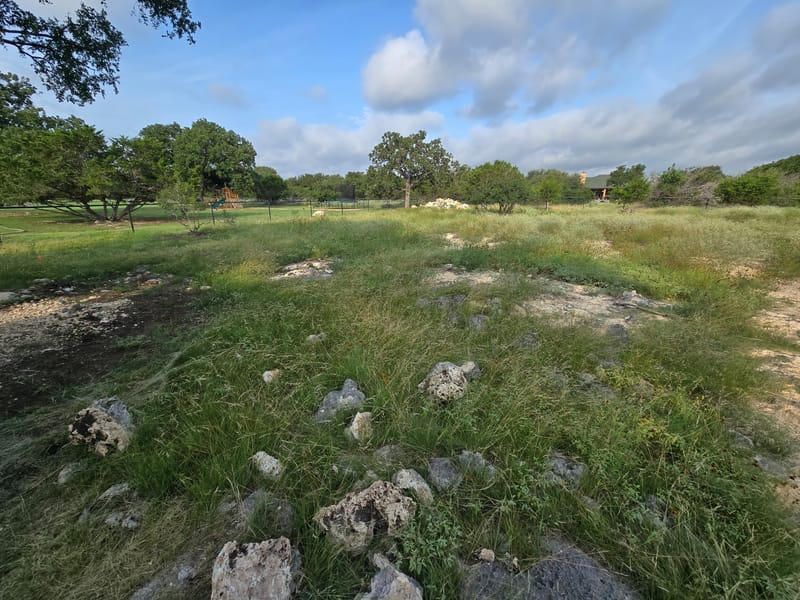
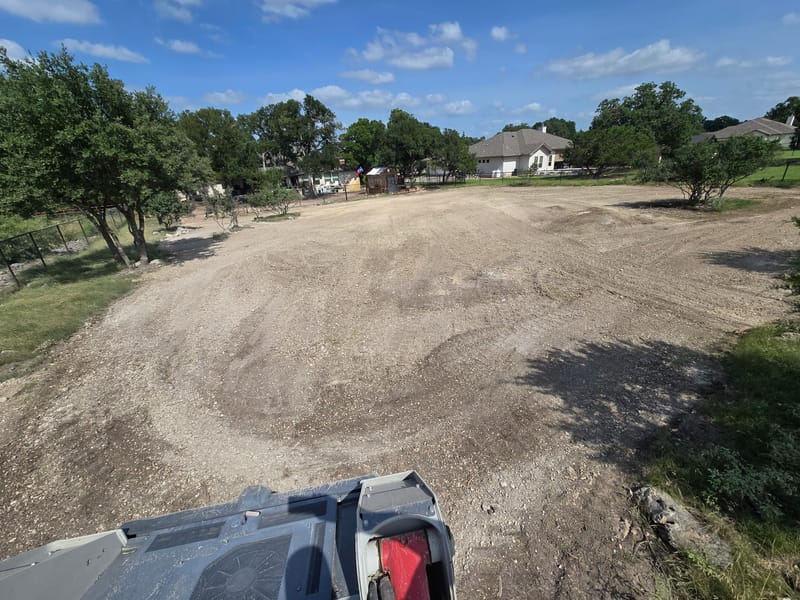
The hay ground nobody has cut in three summers is now knapweed, thistle and a creeping edge of chokecherry, and you want it mowed before it seeds again. We charge $75 to $400 an acre to brush hog a Montana field: $75 to $150 if it was cut within the past year, $125 to $250 after one or two seasons, and $200 to $400 once it has gone three years or more.
At a glance:
- Smallest visit: $250 to $500, so a one-acre job usually lands on that minimum.
- By the hour, where a quote is written that way: $60 to $150.
- Saplings past 2 to 3 inches: no longer a brush hog job; that ground moves to our understory or mulching band.
- Knapweed timing: one cut a year, mid-July to early August as the first buds open; never repeated early mowing, never the only tool.
- Montana law: letting a noxious weed go to seed on your land is unlawful under MCA 7-22-2116, and a seller must disclose infestations.
- Wildfire season: 1 May to 30 September, when machines on classified forest land carry fire gear by rule.
Our crews mow fields, pastures and acreage across three Montana markets: Four Corners with the Gallatin Valley and Southwest Montana, the Missoula Valley, and the Flathead Valley around Kalispell.
How Much Does Brush Hogging Cost Per Acre in Montana?
The price follows one question we ask every caller: when was the field last cut?
| Field condition | Our price per acre | What it looks like in Montana |
|---|---|---|
| Mowed within the past year | $75 – $150 | Hay or pasture grass with scattered knapweed rosettes |
| One or two seasons of growth | $125 – $250 | Knapweed, houndstongue and Canada thistle standing above the grass |
| Three or more years overgrown | $200 – $400 | Sagebrush, chokecherry suckers and young Russian olive under 2 inches |
| Woody stems past 2 to 3 inches | Not a brush hog job | Russian olive along a ditch, conifer saplings on a timber edge |
Where these numbers come from. These are our brush hogging bands, the same in all three Montana markets. When the growth is past a mower, the job is priced from the market’s pricing page instead: around Four Corners that is the Russian Olive & Brush Clearing row at $1,500 to $2,500 an acre, or forestry mulching at $1,500 to $4,000, both listed on our Four Corners pricing page. Our Montana forestry mulching cost guide and Montana underbrush removal guide cover that work.
What Changes the Price of a Montana Field
Stone in the ground. Amsterdam silt loam, the deep soil of the Gallatin Valley’s fans and terraces, formed in silt, loess and volcanic ash and carries no stone in its profile. A field on it mows at full speed. Ground with cobble or rock outcrops near the surface slows the tractor, since a blade striking rock in cured grass can throw a spark, so an unfamiliar field is worth walking before the first pass.
What the woody growth is. Mountain big sagebrush does not sprout after fire kills its top; it comes back only from seed, most of which lands within about 10 feet of the parent. Chokecherry is a sprouter: it sends up new shoots from its root crown and rhizomes, often the same season, so a chokecherry edge is a field you will book again. Russian olive cut by any machine regrows hard from the stump and root, which is why ditch lines of it go to the clearing row instead of the mower.
Seed already on the weeds. If knapweed or houndstongue has set seed, a mower scatters it across the field. The fix is to bag the clippings, or rake and pile them where they can be treated later, and that hand work adds hours. Sometimes our advice is to skip this year’s cut and book next July.
Fire season gear and hours. From 1 May to 30 September, any engine working on classified forest land needs a spark arrester, and a tractor working off road in dry fuel carries a 2.5 pound extinguisher, a shovel or pulaski, and a 5 gallon backpack pump. When the state declares an area high hazard, operators can be told to stop or move work to cooler hours of the day. Shorter working days on a timbered edge show up in an hourly quote.
Size against the minimum. A half-acre house margin near Kalispell costs the $250 to $500 visit minimum on its own; mowed on the same trip as a pasture, it adds only its acres.
When Should You Brush Hog in Montana?
Timing decides whether a cut fixes the field or makes it worse, so we book by what is growing.
Spotted knapweed. Knapweed spreads only by seed, so one cut a year at the right moment does the work: mid-July to early August, as the first buds open into flowers. Mowed that way once each late summer for three years, adult knapweed thins by about 85 percent. Mow it in June and keep mowing, and the plant learns to flower flat, below the deck, and seeds anyway.
Where county advice differs. Flathead County tells landowners not to mow spotted knapweed or houndstongue at all, because both keep blooming shorter with each cut, and houndstongue seed already formed gets carried off on the mower. Read together, the advice is one rule: one cut a year as the first buds open, never repeated early mowing, never the only tool. Your county weed district has the final word for your land: Gallatin, Broadwater, Park and Madison around Four Corners, Missoula County in the Missoula Valley, and Flathead around Kalispell.
Canada thistle. Its creeping roots shrug off one pass; several cuts through the season wear them down, and the realistic goal is keeping it in check.
Deck height. Where weeds have taken over, we cut about 2 inches high at flowering. Where good grass is still growing, we raise the deck above it, as high as 10 inches, so the weed tops come off and the grass keeps its leaf.
Ground nests. Plantings in Montana’s upland game bird habitat program can only be mowed for weeds after July 15, the same week the knapweed window opens, so a late July booking suits both.
Pro tip: Book your knapweed mowing in spring for a late July date. A field cut in mid-August, once seed has formed, needs its clippings bagged or piled, which costs more, and can spread next year’s crop instead of stopping it.
Brush Hogging Across Montana
The Gallatin Valley and Southwest Montana. Around Four Corners, Manhattan, Three Forks, Gallatin Gateway and Big Sky, with Wheatland, Emigrant and Harrison on the edges, most fields are hay or pasture on that stone-free silt, so open ground sits at the low end of each band. The cost climbs where Russian olive has followed the ditches into a field. Start with our Four Corners land clearing page, and the Montana Russian olive removal guide for the trees past mower size.
The Missoula Valley. From Lolo and Frenchtown up the Bitterroot to Florence and Stevensville, many fields run down to a creek or the Clark Fork. Removing vegetation within 50 feet of a river or creek can need a free 310 permit, from the Missoula Conservation District for most land outside the city. We do not file permits, so a stream edge is either left as an unmowed strip or waits for the owner’s permit. Woody growth here is priced in the Ladder Fuel & Understory Thinning row on the Missoula pricing page.
The Flathead Valley. Around Kalispell, Whitefish, Columbia Falls and Bigfork, the steady work is grass close to homes in timber. Flathead County’s homeowner fire guide asks for grass 30 to 100 feet from the house to be cut 2 to 4 inches high, which makes for small, repeat jobs that often price at the visit minimum. Brush past mower size goes to the Ladder Fuel Thinning row on the Kalispell pricing page.
Montana Weed Law and Fire Rules for Mowing
The weed law. It is unlawful in Montana to let a noxious weed spread or go to seed on your land, unless you are following your weed district’s program or a weed management agreement with it. Ignore a weed board order and you can be charged the actual or estimated cost of the board removing the weeds, on top of other penalties. When you sell, the buyer must be told about infestations. A well-timed cut is one way to stop seed, but mowing never clears a field of noxious weeds by itself, so ask your district what plan it expects.
The fire rules. The gear and hours rules above apply on classified forest land during wildfire season, and restrictions can tighten in a dry August, so check your county’s current ones before the mowing date.
Frequently Asked Questions
How much does it cost to brush hog 10 acres in Montana?
Ten acres cut within the past year runs $750 to $1,500. After one or two seasons it is $1,250 to $2,500, and after three years or more, $2,000 to $4,000. Rock, a creek edge or seeded weeds push a field toward the top of its band.
Can a brush hog cut sagebrush?
Yes, while the stems are under 2 to 3 inches. Old sage with thicker trunks belongs to a mulcher and prices in our forestry mulching band, $1,500 to $4,000 an acre.
Is mowing enough to meet Montana’s weed law?
Rarely on its own. One cut a year as the first buds open cuts the seed knapweed sets, but mowing does not kill the plants. It works as one part of an integrated weed plan, beside tools such as herbicide, so ask your district what it expects.
What should I do after the first cut on an overgrown field?
Put the field on a yearly late-July cut so it stays in the $75 to $150 tier. Chokecherry and Russian olive sprouts at the edges are cheapest to mow while small.
Do you charge by the acre or by the hour?
Mostly by the acre, using the bands above. On rough, unknown ground or a timber edge where fire rules shorten the day, a quote may be written at $60 to $150 an hour with an estimated range of hours.
Get a Brush Hogging Quote in Montana
Request a free quote and our crew will contact you to discuss the property, the access and the mowing you need, including the right date for whatever is growing there. Pick the nearest area below: Four Corners, Missoula or Kalispell.
For ground past a mower, read our Montana land clearing cost per acre guide and the Montana land clearing and grading cost guide.
Sources
- Montana State University Extension, Mowing to Manage Noxious Weeds (MontGuide MT200104AG)
- Montana Code Annotated, 7-22-2116, noxious weeds on private land
More from the Cut Brush Blog
Keep reading for more tips and guides on land clearing.
 Cost Guide
Land Clearing and Grading Cost in Montana (2026 Guide)
Clearing a Montana building site runs $1,500 to $4,500 an acre, and grading is your excavator's bill. See who does each phase and the permits that come first.
 Cost Guide
Forestry Mulching Cost in Four Corners, MT & Gallatin County
Forestry mulching in Four Corners, MT and Gallatin County: $1,500 to $4,000 an acre. How an acre is paced, hourly math and cheaper routes. Request a free quote.
Cost Guide Forestry Mulching Cost in Montana (2026 Guide)
Forestry mulching in Montana costs $1,500 to $4,000 an acre. See how slope, trunk size, burn days and DNRC fuels grants move a quote from Kalispell to Big Sky.
Comparing states? See land clearing costs by state.
Let's Get Started on Your Land
Request a free quote. We'll contact you to discuss your property, access, and the clearing you need.
Get a Free QuoteOr call us directly: (919) 525-3950
 Quick answers from Cut Brush