Clearing a Lot on Lake Tuscaloosa: What the Rules Allow
Cut Brush Team · September 24, 2026 · 5 min read
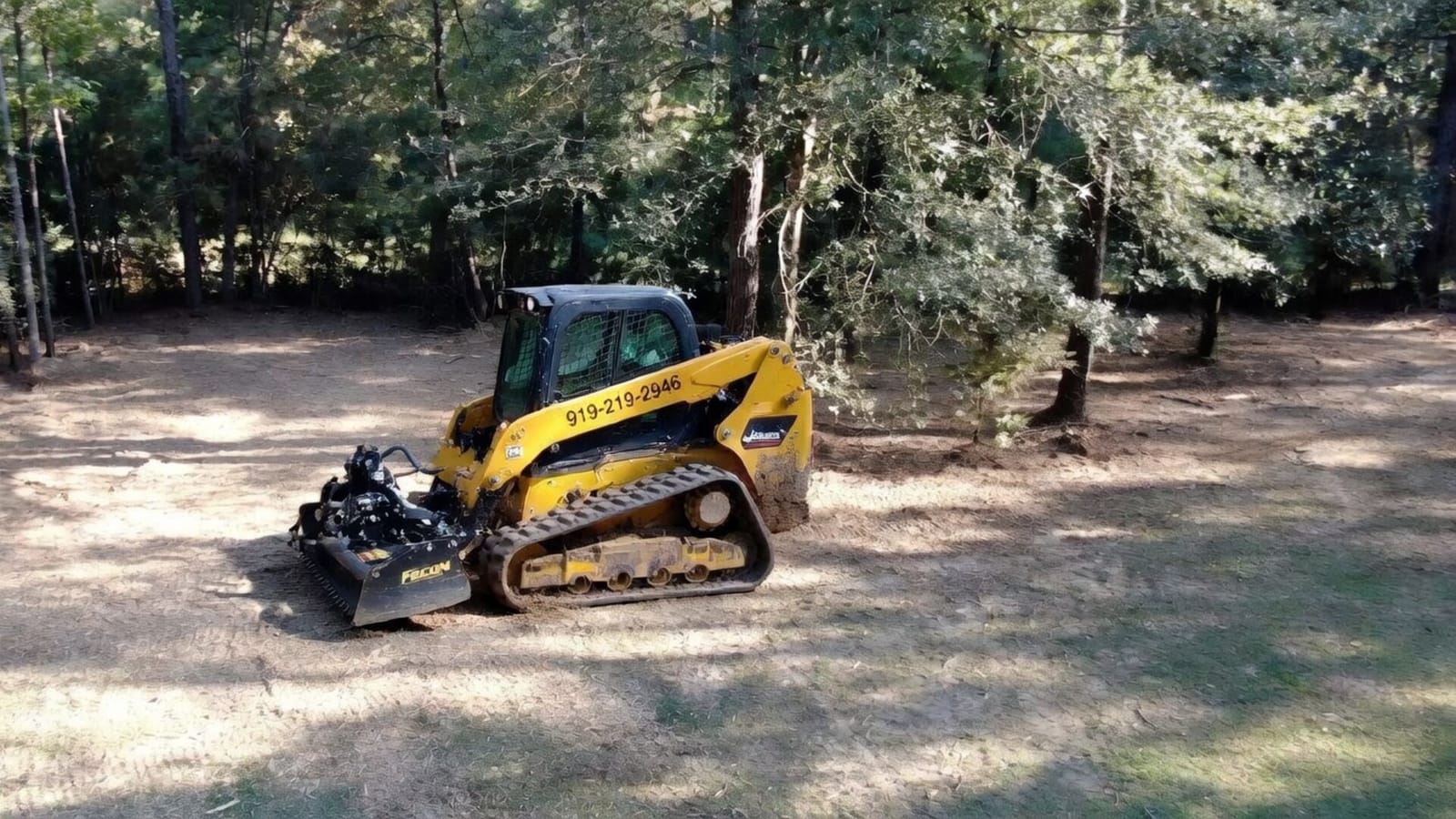
If you own a lot on Lake Tuscaloosa, you almost certainly do not own the land at the water’s edge. The City of Tuscaloosa owns the ground around the lake up to roughly the 230-foot elevation, a boundary it calls the Acquisition Line, and cutting trees below it takes a city permit. Uphill of the line the lot is yours to clear, but it sits in the watershed of the city’s drinking water, and that changes how the work is done.
Why the Lake Is Treated Differently
Lake Tuscaloosa was completed in 1970 and is the primary source of drinking water for Tuscaloosa. The city’s Lakes Division exists to keep the lakes safe for recreation and to protect them as water sources, and among its listed jobs is issuing and inspecting permits for dredging, tree removal and structures on city property along the lakes (City of Tuscaloosa Lakes Division).
The lake was made by damming the North River and covers 5,885 acres. Surface water and groundwater across its watershed flow into the lake before draining on to the Black Warrior River, which is why the rules reach well past the shoreline (City of Tuscaloosa, Lakes Conditions 101, October 2018).
The Acquisition Line: Where Your Lot Ends
The same 2018 city summary sets out the ownership plainly. The city owns all land within the 50-year floodplain of the lake, defined approximately as the 230-foot elevation line and known as the Acquisition Line. It also states that property owners wishing to clear any trees larger than 3 inches in diameter, or install any structure such as a dock or pier, within that line must obtain a permit from the city.
That strip between your lot and the water is the ground most people most want to open, because it is where the view is. It is also the ground you have no right to clear on your own say-so. A contractor who cuts it without a permit is cutting on city property, whatever the owner asked for. The starting point is the Lakes Division. The 2018 summary is a planning document, so confirm the current rule with the division before you plan around it.
Uphill of the Line: Watershed Ground
Clearing your own lot may still require approvals, and inside city limits it comes with erosion rules. The City Engineer’s Site Stabilization Plan Guideline, issued April 2023, requires a stabilization plan for building permits with land disturbance within the watersheds of Lake Tuscaloosa, Lake Nicol and Harris Lake. Lots adjacent to the Acquisition Line need a Lakes Land Development Permit in place of that plan. Controls are expected to follow the Alabama Erosion Control Handbook, and failing to install and maintain them brings a Stop Work Order (City of Tuscaloosa, Site Stabilization Plan Guideline).
A great deal of lake frontage sits outside city limits in unincorporated Tuscaloosa County, where there is no zoning. Land inside the city’s planning jurisdiction is still subject to the city’s subdivision review, so a lake parcel being divided outside the city can still meet city rules. The permit layers for the city and the county are set out in our Tuscaloosa land clearing permit guide.
Septic Setbacks Decide the Layout
On a lake lot without city sewer, the house site follows the septic field, not the other way round. The 2018 summary records that within the Lake Tuscaloosa watershed the minimum lot size for an onsite sewage system is one acre, septic tanks need County Health Department approval, and no part of the system, field lines included, may sit closer than 300 feet to the edge of the lake at normal pool.
For clearing, that means the first conversation is about where the septic field and the house will go, and only then about which trees come out. Clearing a building envelope in the wrong place means clearing twice.
The Right Method for Lake Ground
- Grind rather than strip where you can. Forestry mulching leaves a chip layer over an intact root network, which holds soil through the first heavy rain far better than bare dirt.
- Open the understory before the canopy. Much of what blocks a lake view is brush and small stems below the trees. Cutting that layer on your own ground often opens the view without touching the big trees or the city strip.
- Burning is rarely possible. ADEM requires a land-clearing burn to sit at least 500 feet from the nearest occupied dwelling (ADEM). On a row of lake lots that distance rarely exists, so debris is ground or hauled.
- Put the controls in the quote. Silt fence, a construction exit and stabilized ground are part of a lake job, not an extra at the end.
Frequently Asked Questions
Can I cut the trees between my house and the lake?
Only with a city permit if they stand below the Acquisition Line, because that land belongs to the city. Contact the Lakes Division first; the 2018 summary puts the permit trigger at trees larger than 3 inches in diameter.
Does clearing my own lake lot need a permit?
It depends on the scope and where the lot sits. Inside city limits, a building permit with land disturbance in the lake watersheds carries a Site Stabilization Plan, and lots next to the line need a Lakes Land Development Permit. The governing authority makes the determination.
Is mulching allowed near the lake?
On your own land, mulching is a clearing method like any other, and it disturbs less soil than grubbing. Below the Acquisition Line, any tree removal needs the city’s permit whatever the method.
Get a Lake Lot Plan Before You Clear
The order that saves money on the lake is simple: find the line, place the septic field and house, then decide what comes out.
Ranges are on the Tuscaloosa pricing guide, local conditions are on our Tuscaloosa land clearing page, and when you are ready, request a free quote. We walk the lot, put the scope in writing, and tell you which office we think you need.
More from the Cut Brush Blog
Keep reading for more tips and guides on land clearing.
Guide Land Clearing Permits in Tuscaloosa & Tuscaloosa County
When clearing land in Tuscaloosa needs a permit: the city Land Development Permit, lake watershed rules, the county, ADEM's one-acre layer and burn rules.
 Cost Guide
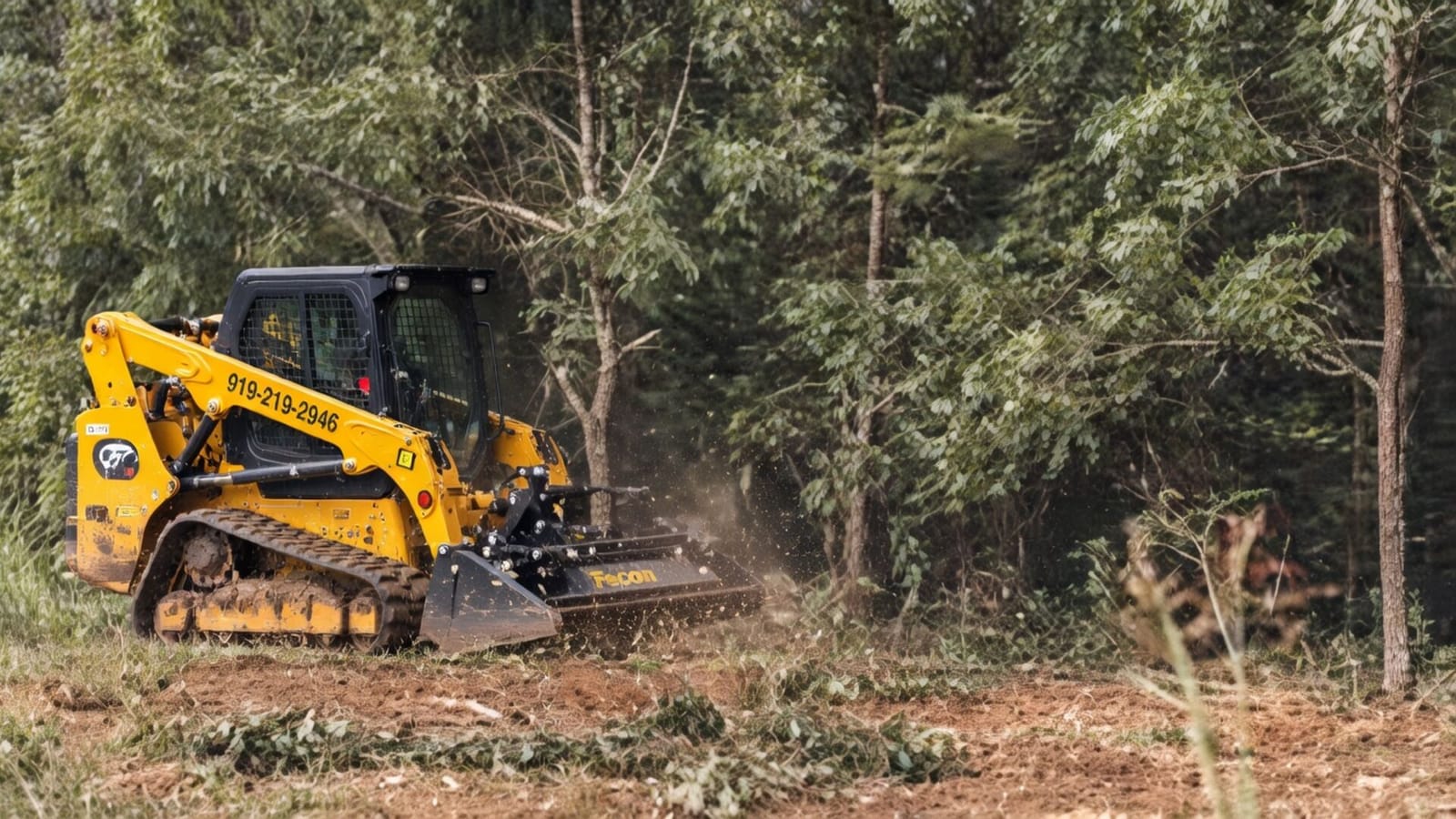
 Forestry Mulching Cost in Tuscaloosa, AL (2026)
Forestry mulching around Tuscaloosa runs $1,500 to $4,000 per acre. Here is what the fall line, lake watershed rules and burn distance do to your number.
 Guide
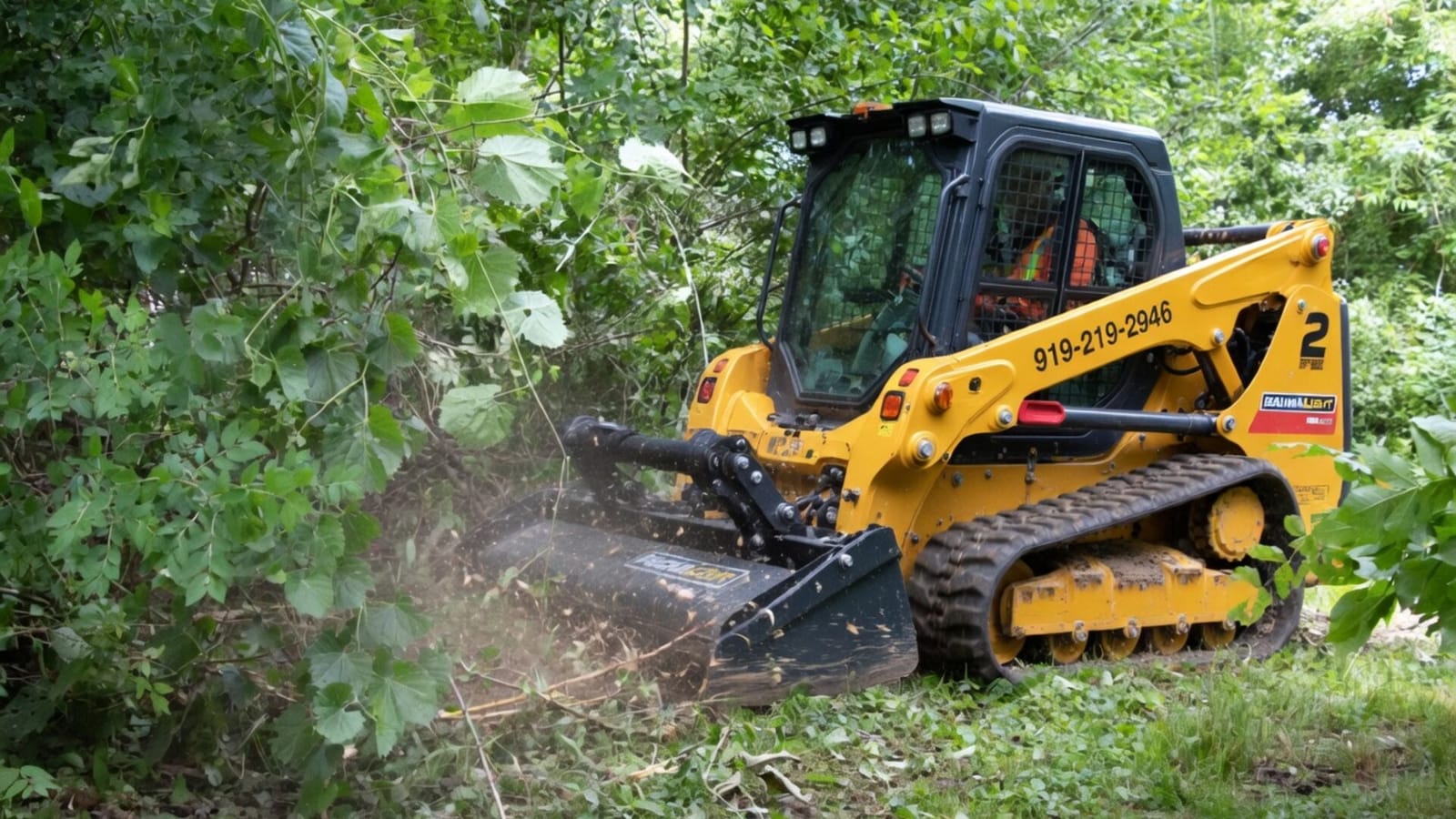
Guide Kudzu Removal in Alabama: Cost and a Plan That Lasts
Kudzu removal in Alabama takes more than one cutting. See why it regrows, the multi-visit plan that drains the root crowns, and what it costs per acre.
Ready to Get Started on Your Land?
Get a free, no-obligation estimate for property in Tuscaloosa & West Alabama.
Get Your Free QuoteOr call us directly: (919) 525-3950