
Tuscaloosa's Trusted Land Clearing & Brush Removal Experts
Turn overgrown property into clean, usable land with forestry mulching, lake lot clearing and lot preparation across Tuscaloosa and West Alabama.
Why Choose Us
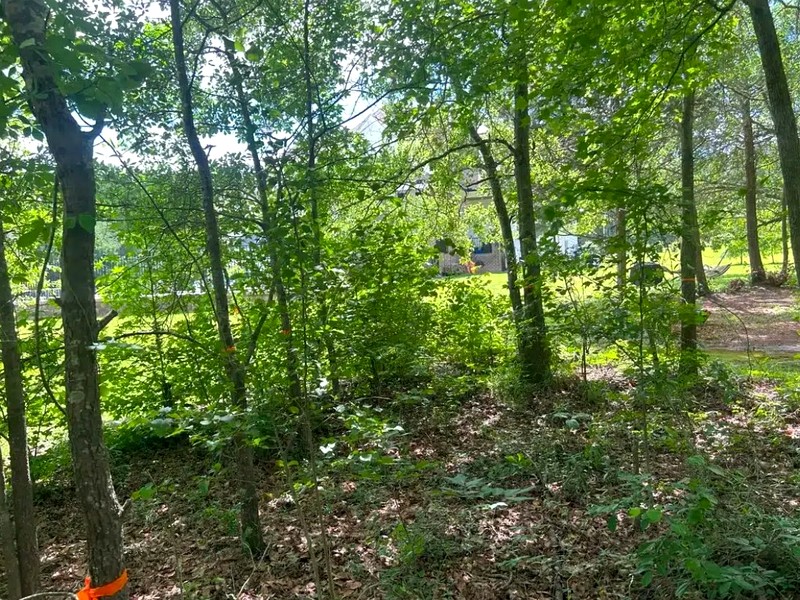
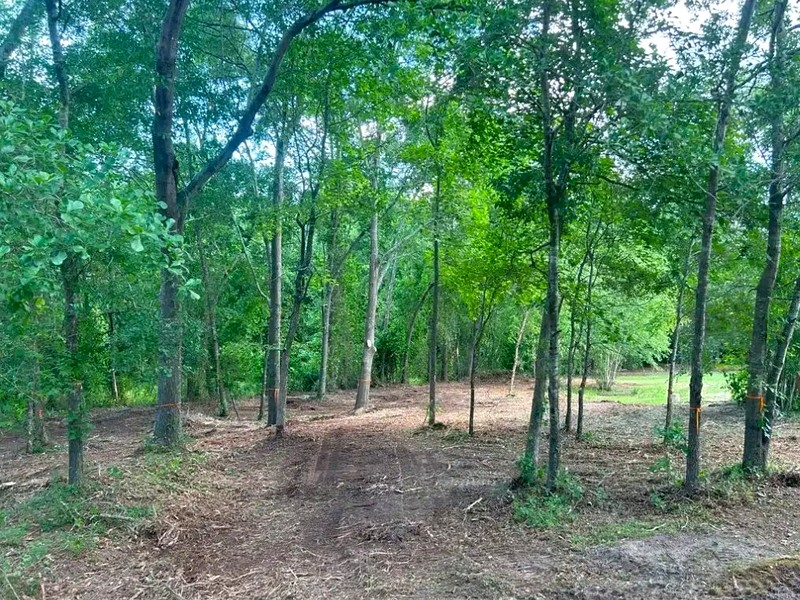
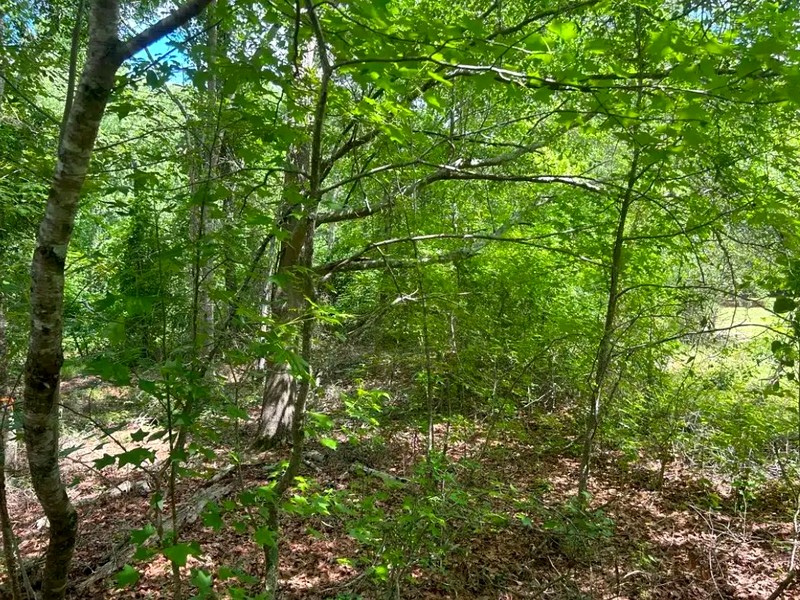
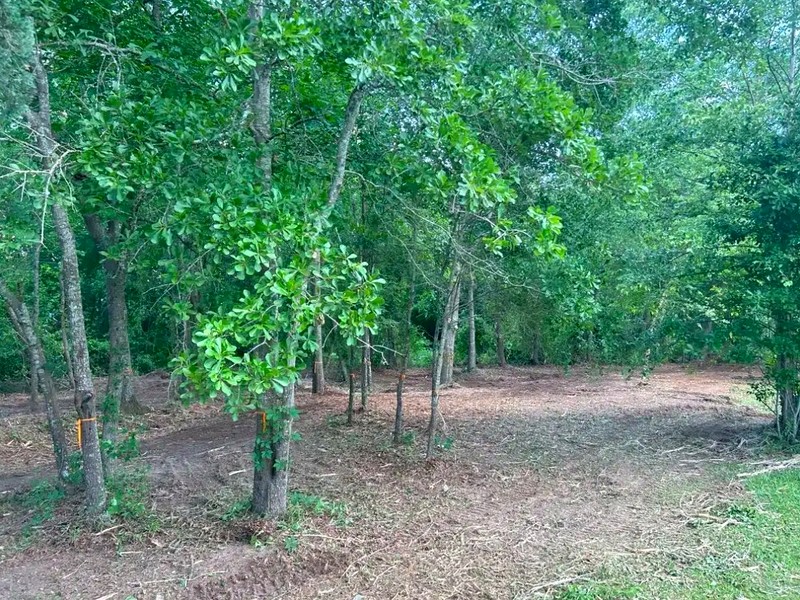
Land Clearing Before & After
Ground you cannot walk through, turned into ground you can use.
What Our Customers Say
Real Cut Brush customers, in their own words.
"My 2-acre property was so thick you couldn't walk through it. One day later, it looked like a park."
– Jason M
"Fast, honest, no drama. They quoted Tuesday, cleared Thursday. Done by Friday."
– Carrie D.
"We didn't realize how much land we had until Cut Brush cleared it."
– Tony & Lisa R.
From Overgrown to Usable in 3 Steps
A straightforward process from the first conversation to land you can use.
Request a Free Quote
Tell us where the land is, how much of it you want opened and what it is for next. If it touches the lake, say so. We come back with a clear written quote.
We Clear Your Land
We work the agreed scope with equipment matched to the ground, keeping the trees, drives, shoreline and edges you asked us to protect exactly where they are.
Enjoy Your Property
Put the opened ground to work as a homesite, a lake view, pasture, a food plot or simply acreage you can walk and use again.
What We Take On Around Tuscaloosa
From a grown-in lot in Northport to timber acreage out past Gordo or Eutaw.

Forestry Mulching
One tracked machine grinding brush and small stems where they stand, leaving a mat that holds the soil on watershed ground instead of a pile that needs a burn site.

Land Clearing
Whole tracts and homesites opened across Tuscaloosa, Pickens, Hale, Greene and Fayette counties, with the finish you are buying named in the quote.

Regrowth & Understory Work
Fence lines, field edges and the brush under standing timber taken back to walkable ground, with the keeper trees left where they are.

Lot & Homesite Prep
Building envelopes, drives and septic corridors on lake and county lots, sized to the rules that apply before a single stem comes down.
See Cut Brush in Action
Watch our crew transform overgrown properties with professional forestry mulching equipment.
- Before & after project walkthroughs
- Professional equipment on real jobs
- See the land clearing process start to finish
Where the Hills Meet the Coastal Plain
Tuscaloosa sits on the fall line and the Black Warrior River, and in this corner of Alabama the fall line is a slope of roughly 120 feet where the soft sands and clays of the Coastal Plain meet the resistant sandstones of the Cumberland Plateau. North and east of the river, up toward Lake Tuscaloosa, Brookwood and Berry, the ground is plateau country: soils formed from sandstone and shale, with the Montevallo and Townley series on the steeper pitches. South and west, toward Moundville, Aliceville and Eutaw, it opens into Coastal Plain loams and then the heavy prairie clays of the Black Belt.
The land use is as varied as the ground. The city's 2018 lakes summary counted roughly 12,000 acres of farmland, pasture and timberland north of the river alone, and about a thousand residential lots, some 1,110 acres, with no building on them yet. Most of what people ask to have cleared around here falls into one of those two groups: working acreage that has grown in since the last cut or the last cattle, and a lot that has sat long enough to become a thicket.
That split is why two tracts half an hour apart can quote very differently, and why we ask where the land is before we ask what is growing on it. Ranges for every kind of work are on the Tuscaloosa pricing guide, the statewide picture is in our Alabama land clearing cost guide, and the Tuscaloosa mulching figure is broken down in the Tuscaloosa forestry mulching cost guide.
Three Things That Decide a Tuscaloosa Job
The lake is a drinking water supply, and the shoreline is city land. Lake Tuscaloosa is the primary source of drinking water for the city, and the city owns the land around it up to roughly the 230-foot elevation, the Acquisition Line. The city's 2018 lakes summary states that clearing trees larger than 3 inches in diameter inside that line takes a city permit, issued through the Lakes Division. Uphill of the line, a lot that drains to the lake is still watershed ground: inside city limits a building permit with land disturbance there carries a Site Stabilization Plan, and a lot adjacent to the line needs a Lakes Land Development Permit instead. For a lake owner, the view you want and the strip you own are often not the same piece of ground. Our guide to clearing a lot on Lake Tuscaloosa walks through it.
Commercial ground and lake lots trigger the city permit; the acre triggers the state. Tuscaloosa's Engineering Department requires a Land Development Permit for clearing, grading or otherwise disturbing soil on commercial property or property directly adjacent to Lake Tuscaloosa, returns comments within 14 business days, and gives you 18 months from approval to start. ADEM's construction stormwater permit applies at one acre or more, or less when the work is part of a larger common plan. Out in the county, subdivision goes through Tuscaloosa County Public Works. Requirements vary by parcel, scope and jurisdiction, and the governing authority makes the determination. The layers are set out in the Tuscaloosa permit guide.
Burning is allowed more of the year here, but distance decides it. Tuscaloosa County is not one of the twelve counties where ADEM closes land-clearing burns from May through October, which is a real difference from Birmingham. What ADEM does require everywhere is that the pile be clean vegetation, burned on the property it came from, at least 500 feet from the nearest occupied dwelling, and lit between 8 a.m. and 3 p.m. On open acreage in Pickens or Greene County that is workable. On a lake lot or a subdivision parcel near Northport it usually is not, and then the debris is either ground in place or loaded and hauled, which is the line item people forget to budget for.
Serving Tuscaloosa & West Alabama
Five counties, from Fayette and Berry in the north through Tuscaloosa and Northport down to Moundville, Greensboro, Eutaw and Aliceville.
West Alabama Land Clearing Guides
- Forestry Mulching Cost in Tuscaloosa, AL (2026)
- Clearing a Lot on Lake Tuscaloosa: What the Rules Allow
- Land Clearing Permits in Tuscaloosa & Tuscaloosa County
- Kudzu Removal in Alabama: Cost and a Plan That Lasts
- Land Clearing Cost Per Acre in Alabama (2026 Guide)
- Forestry Mulching Cost in Alabama: 2026 Per-Acre Guide
Tuscaloosa Land Clearing FAQ
Ready to Take Back Your Land?
Free written quotes across Tuscaloosa, Pickens, Hale, Greene and Fayette counties.
Get Your Free QuoteOr call us directly: (919) 525-3950