
Juniper and Mesquite Clearing in Killeen, TX: Which Comes Back
Cut Brush Team · October 1, 2026 · 5 min read
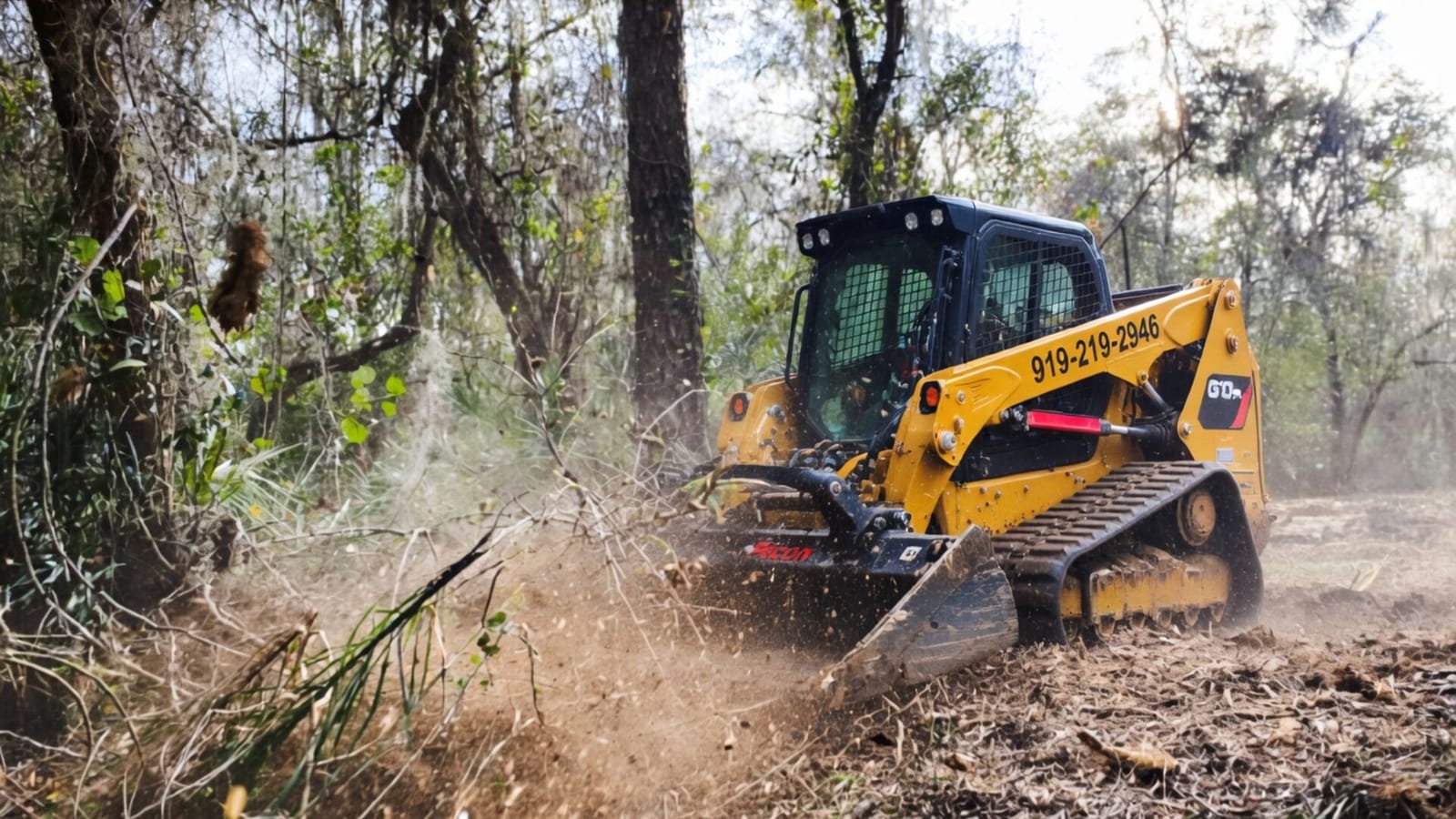
Ashe juniper mulched to the ground around Killeen does not grow back from the stump, so young cedar is usually a one-time job. The USDA Forest Service reports that the tree has no buds on its root crown and returns only from seed, slowly. Mesquite is a separate plant that needs its own follow-up. Old juniper mixed with oak is a third case, because it may be habitat for an endangered songbird. Sort the land into those three before anyone quotes it.
How Cedar Took Over the Cut Plain
Texas Parks and Wildlife describes the Lampasas Cut Plain as country broken by low buttes and mesas, capped with Edwards limestone, whose alkaline soils support live oak and juniper (TPWD, Cross Timbers ecoregions). Much of it was grassland or open live oak savannah, grazed by bison. When natural fire was taken out of the landscape, TPWD notes, native grass cover fell and mesquite and Ashe juniper increased.
That history explains the ground many owners in Bell, Coryell and Lampasas counties now hold: pasture closing in, fence lines lost in cedar, and hillsides where the grass has thinned under a juniper canopy. It also explains why clearing here is usually a return to something, not the creation of something new.
Why a Mulched Cedar Stays Gone
The USDA Forest Service species review for Ashe juniper is direct about its biology. It states that the tree “does not reproduce asexually” and classes it as a tree without an adventitious-bud root crown (USDA FEIS, Ashe juniper). In plain terms, a juniper cut at the ground has nothing left to sprout from.
What comes back comes from seed. The same review says the seed is usually dormant and may take two to three years to germinate, and that it can take 10 to 40 years for Ashe juniper to build stands over 4 feet tall. A pasture cleared of cedar this year will show seedlings in time, but they are small, slow and cheap to deal with if someone walks the ground every few years.
That is why mulching suits juniper so well. The head grinds the tree to chips at the surface, the stump has no way to resprout, and the chip layer shields thin limestone soil while grass recovers.
Mesquite Is a Different Plant
Mesquite grows on the same pastures, and TPWD names it alongside juniper as one of the species that spread when fire disappeared. The Forest Service finding on root crowns is about juniper alone and says nothing about mesquite, so do not assume a mulched mesquite is finished.
The practical answer is to treat a mixed pasture as two jobs. The cedar is done in one pass. The mesquite gets a look after the first growing season, and any regrowth is either cut again on a maintenance visit or treated with herbicide. Cut Brush offers the mechanical side only. Herbicide work in Texas is for the landowner or a licensed applicator.
Old Juniper and the Golden-cheeked Warbler
Not every cedar is the same. The golden-cheeked warbler is a federally endangered songbird that, according to Texas A&M researchers, breeds only in Central Texas, in mature oak and juniper woodland, and needs Ashe juniper for nesting. Fort Hood in Coryell and Bell counties has been one of the long-term study sites for the bird (Texas A&M, Characteristics of Vegetation Used by Golden-cheeked Warblers).
The Brazos River Authority adds the detail that matters for a clearing plan: the birds build nests from the peeling bark found only on mature juniper, start nesting in March, and leave for Central America in late July or early August (Brazos River Authority, Golden-cheeked Warbler).
Scattered young cedar on open pasture is not that habitat. A stand of tall, shaggy-barked juniper mixed with oaks in a draw or canyon might be. If your land has the second kind, raise it before work is scheduled. Whether a stand is habitat, and what that means for your project, is a question for the U.S. Fish and Wildlife Service, not for a clearing contractor.
Planning the Clearing in Order
A workable plan around Killeen usually runs in this order:
- Walk the land and sort it. Mark young cedar, mesquite, old juniper and oak stands, and the live oaks you want to keep.
- Clear the young cedar first. It is the cheapest ground per acre and the most permanent result.
- Decide on the old stands separately. Ask the warbler question, and plan any work there outside the nesting months if it applies.
- Return for the mesquite. A check after one growing season shows what needs a second pass.
- Keep it open. A light visit every few years handles cedar seedlings while they are still small.
Phasing also keeps the first bill smaller. The Killeen pricing guide shows how thinning and full mulching compare per acre, and the Killeen forestry mulching cost guide explains what moves a mulching quote.
Frequently Asked Questions
Do I need to spray cedar stumps after mulching?
Not for regrowth from the stump, because Ashe juniper does not resprout. New cedar comes from seed and can be handled while it is small.
Will mesquite come back after mulching?
Plan to check it. The juniper finding does not apply to mesquite, so look again after the first growing season.
Can I clear old juniper in the spring?
Ask first if the stand is mature juniper mixed with oak. Golden-cheeked warblers nest from March into summer in that kind of woodland.
Start With a Walk of the Land
See the local ground on our Killeen land clearing page, then request a free quote. We will help sort the young cedar from the old stands, confirm whether we can take work at your location, and where we can, put the plan and the price in writing.
More from the Cut Brush Blog
Keep reading for more tips and guides on land clearing.
 Guide
Guide Land Clearing Permits in Killeen & Bell County, TX
When clearing land in Killeen needs the city Land Disturbance Permit, what Bell County regulates outside city limits, and how stormwater and burn bans apply.
 Cost Guide
 Forestry Mulching Cost in Killeen, TX (2026)
Forestry mulching around Killeen, TX runs $1,500 to $4,000 per acre. How cedar age, limestone at the surface, slope and burn rules move a Bell County quote.
 Cost Guide
 Brush Hogging Cost Per Acre in Texas (2026)
Brush hogging in Texas averages about $47 an acre in AgriLife's 2026 survey. See regional rates, why small tracts cost more, and when shredding is not enough.
Ready to Get Started on Your Land?
Get a free, no-obligation estimate for property in Killeen & the Fort Cavazos Area.
Get Your Free QuoteOr call us directly: (919) 525-3950