What to Know Before Clearing Land Around Killeen
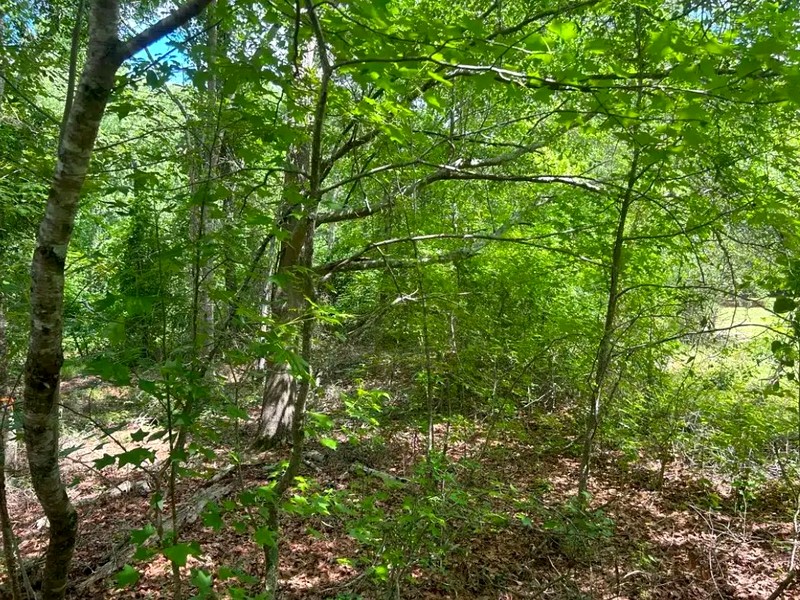
Old cedar can be bird habitat. The golden-cheeked warbler is federally
endangered. Texas A&M researchers say it breeds only in Central Texas, in mature oak and juniper
woodland, and Fort Hood in Bell and Coryell counties has been one of its long-term study sites. The
Brazos River Authority notes the birds need the peeling bark of mature juniper for nests. They start
nesting in March and leave in late July or early August. Young cedar on open pasture is not the same
as an old juniper and oak stand in a draw, and the second one deserves a question before any
machine goes in. The
Killeen juniper and
mesquite guide shows how to tell them apart.
The city and the county ask different questions. Inside Killeen, clearing goes
through the Engineering Division's Land Disturbance Permit. The application asks for a stormwater
pollution prevention plan, an erosion control plan and the state notice of intent, with fees from
$160 for one to ten acres. In unincorporated Bell County there is no building permit or zoning, but
the County Engineer reviews floodplain development. Requirements vary by parcel, scope and
jurisdiction, and the governing authority makes the determination. The
Killeen and Bell County
permit guide lists each office.
Lots in town have a height limit. Killeen Code Enforcement treats weeds and grass
over 12 inches as a violation. Properties over two acres must keep a 50-foot strip next to streets
and occupied lots, and brush, dead trees and limbs are on its list of items to clear. If you own an
overgrown lot in the city, it pays to act before a notice arrives, and a mulcher leaves no debris
pile behind to draw the next one.