
Macartney Rose Clearing in Victoria, TX: Plan for the Regrowth
Cut Brush Team · October 1, 2026 · 5 min read
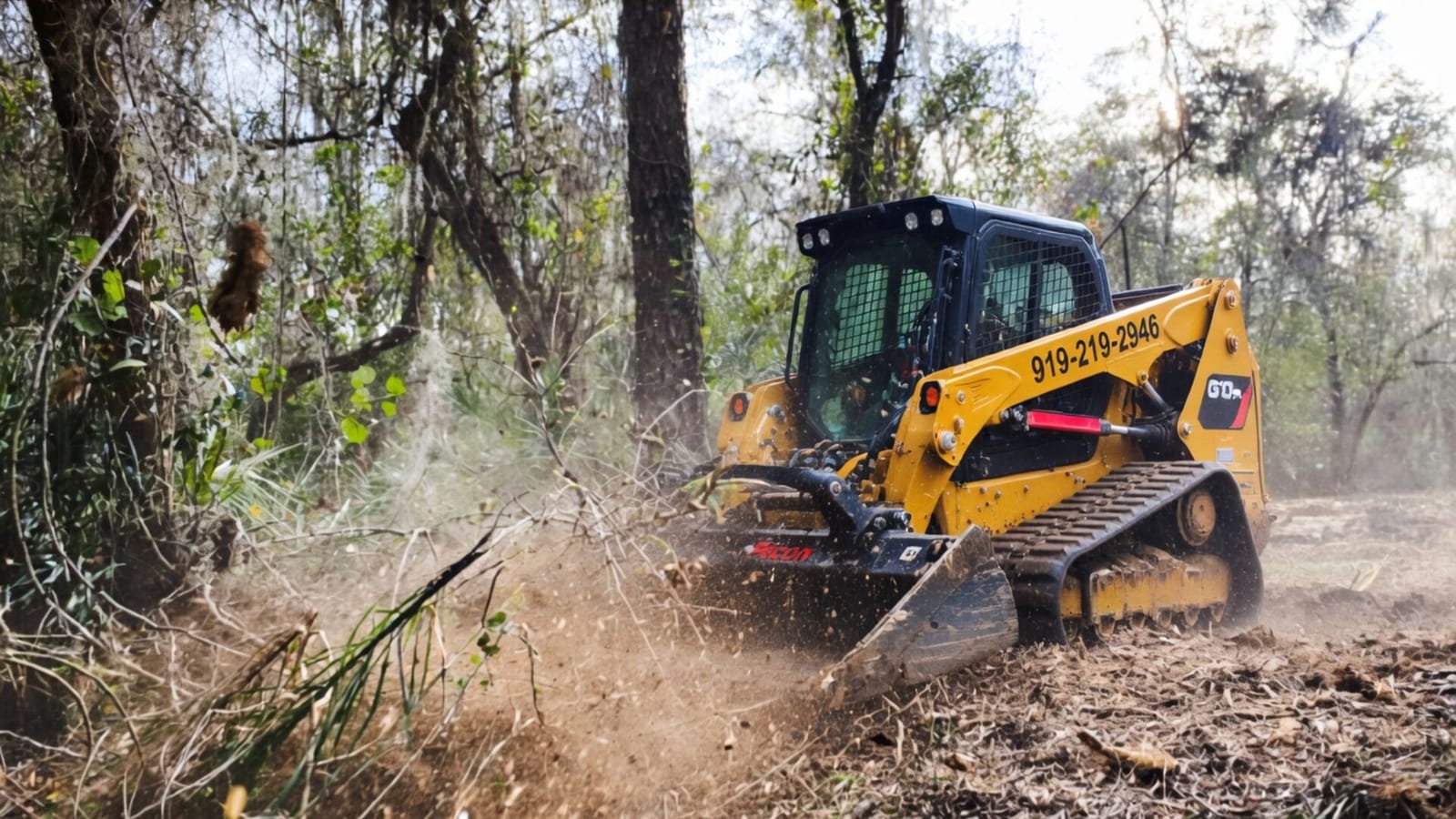
Macartney rose can be mulched out of a Victoria-area pasture in any month, but it will come back unless the regrowth is treated on AgriLife’s schedule. Texas A&M AgriLife Extension says no single method has fully controlled the rose and recommends several methods in sequence. Its Brush Busters guide wants mowed or disturbed plants left nine to twelve months, then treated within three years, in spring or fall when the soil is warm. Clear first, follow up on time, and the pasture stays open.
How a Fence Plant Took Over the Coastal Prairie
AgriLife’s guide calls the plant by its local names too: Cherokee rose, hedge and rose hedge. It was imported from Asia in the late 1800s as a living fence, escaped, and now occupies more than 500,000 acres of Texas rangeland, causing what the guide calls severe management problems for livestock producers from Southeast Texas to the Middle Coastal Prairie (AgriLife, How to Manage Macartney Rose). Victoria sits inside that range, and the county Extension office lists the rose among its Brush Busters guides alongside huisache, pricklypear and greenbriar (Victoria County AgriLife, brush resources).
Texas Parks and Wildlife puts the rose first in its list of woody plants invading the region’s coastal prairie, ahead of huisache, Chinese tallow and honey mesquite, on the clay soils of the old Beaumont and Lissie formations (TPWD, Texas-Louisiana Coastal Prairie). AgriLife adds that the rose generally grows on high-clay soils, which describes a great deal of the ground between Victoria, Edna and Goliad.
Why Mowing Alone Does Not Work
A dense rose stand, AgriLife says, eliminates forage production and hinders livestock management. The plant has some value as browse and wildlife cover, but once it spreads past a certain point the disadvantages greatly outweigh those merits.
Owners often try a shredder first. It knocks the mounds down for a season, and the rose comes back from the base. AgriLife’s guidance on disturbed plants explains the timing problem: wait nine to twelve months after mowing before treating, expect poor results on regrowth under three feet tall, and treat within three years of the disturbance. A pasture shredded every year never reaches the point where the follow-up works.
Where a Forestry Mulcher Fits
A mulcher is the opening move, not the cure. It reaches into mounds and fence-line hedge a shredder cannot handle, grinds the canes into a chip layer, and works close around the pecans and live oaks you want to keep. On a fence row it lets you see the wire again.
What it leaves behind is a pasture with the rose cut to the ground and the roots still alive. That is the starting point AgriLife’s three-year window is written for. Cut Brush does the mechanical clearing and, if you want, a later mechanical pass. Herbicide work belongs to you or a licensed applicator. AgriLife notes that the product in its rose guide is a restricted-use pesticide that needs a Texas Department of Agriculture applicator licence to buy or apply, and every label governs its own use.
A Realistic Order of Work
- Clear when the ground is dry enough to carry the machine. Clay that is soft after rain is the main thing that delays a start. No fire is involved, so a burn ban does not hold mulching up.
- Let the regrowth come back. AgriLife advises waiting nine to twelve months after mowing or other disturbance before spraying, and expecting poor control on plants under three feet.
- Treat in the right season. The guide’s leaf spray runs in spring once soil at 12 to 18 inches reaches 75°F, pauses during flowering and hip formation, and resumes in late summer or early fall until the soil cools below 75°F, often into late October.
- Phase large acreage. AgriLife advises treating only what can be managed in a year, because control suffers when too much is taken on at once.
- Walk the land every year. The guide is plain that control is never a one-time job. Catch new sprouts while they are small.
Rules to Check Before You Start
Clearing a pasture is not usually what draws a permit around Victoria. Grading, filling or excavation in a mapped floodplain is. The City of Victoria requires a Floodplain Development Permit for development in a regulatory floodplain, and in unincorporated Victoria County the Health Department issues floodplain permits for land in the 100-year floodplain. Burning the cut rose runs into state rules and county burn bans. Requirements vary by parcel, scope and jurisdiction, and the governing authority makes the determination. The Victoria and Victoria County permit guide covers each office.
Frequently Asked Questions
Can I clear Macartney rose in summer?
Yes. The mechanical work has no season. What matters is giving the regrowth nine to twelve months before a spray and treating it inside the three-year window.
Does mulching kill Macartney rose?
No. It removes the top growth so the regrowth can be found and treated. Plan for at least one follow-up.
Should I leave some rose for wildlife?
AgriLife grants it some value as cover and browse, so a few isolated clumps on hunting ground are a reasonable choice. Dense stands are where the trouble starts.
Plan Your Victoria Rose Clearing
Price the first pass on the Victoria pricing guide, compare it with the Victoria forestry mulching cost guide, read more on the Victoria land clearing page, then request a free quote with a few photos of the hedge.
More from the Cut Brush Blog
Keep reading for more tips and guides on land clearing.
 Cost Guide
 Forestry Mulching Cost in Victoria, TX (2026)
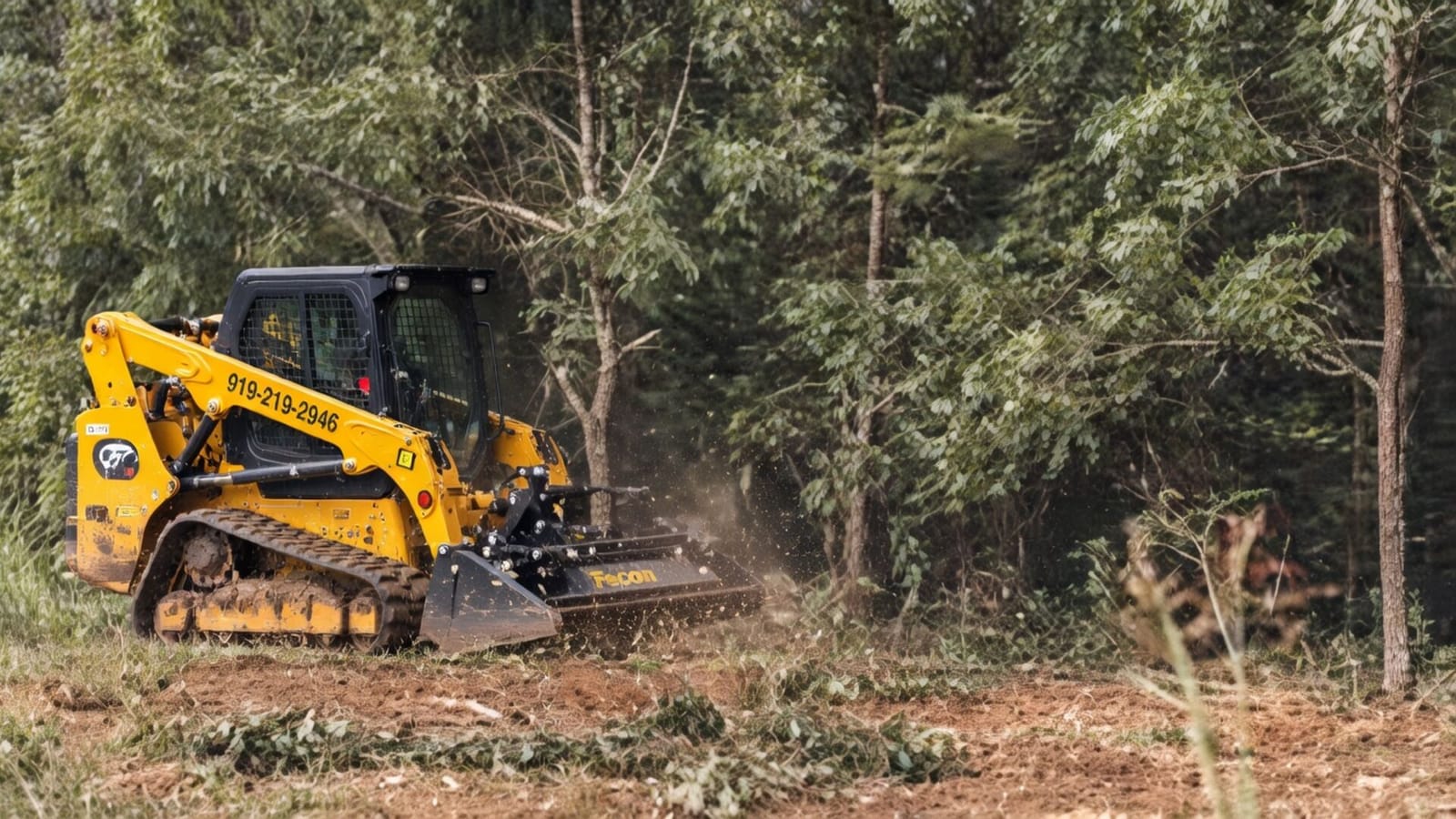
Forestry mulching around Victoria, TX runs $1,500 to $4,000 per acre. How rose hedge height, prairie or bottomland, wet clay and burn rules move a quote.
 Guide
Guide Land Clearing Permits in Victoria & Victoria County, TX
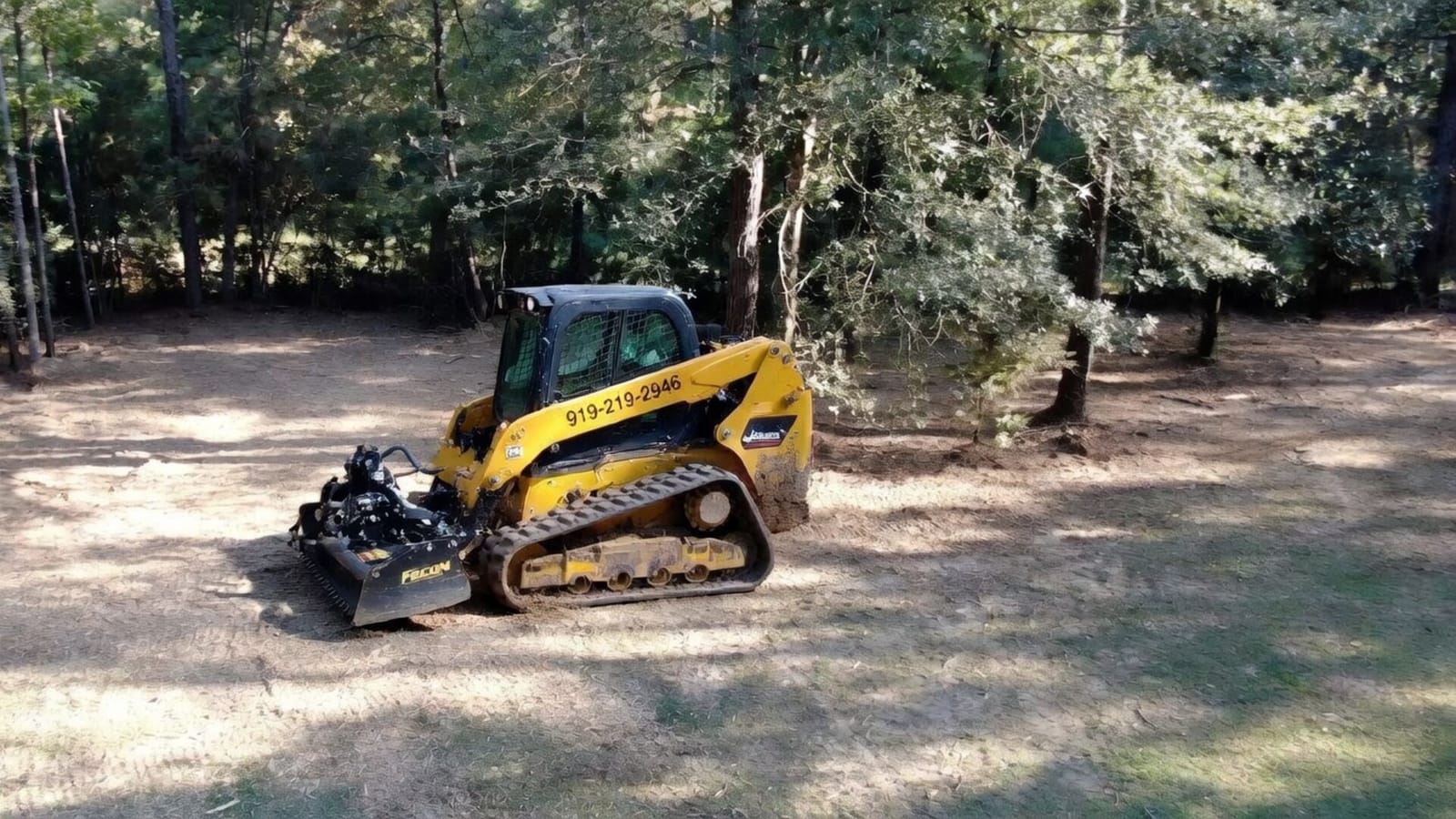
When clearing land in Victoria or Victoria County needs a floodplain permit, how the state stormwater rule applies, and how brush burning and burn bans work.
Cost Guide Forestry Mulching Cost in Texas (2026 Per-Acre Guide)
Forestry mulching in Texas runs $1,500 to $4,000 an acre. See why cedar and rock, Blackland clay, yaupon and burn rules move a quote in each part of the state.
Ready to Get Started on Your Land?
Get a free, no-obligation estimate for property in Victoria & the Golden Crescent.
Get Your Free QuoteOr call us directly: (919) 525-3950