What to Know Before Clearing Land Around Victoria
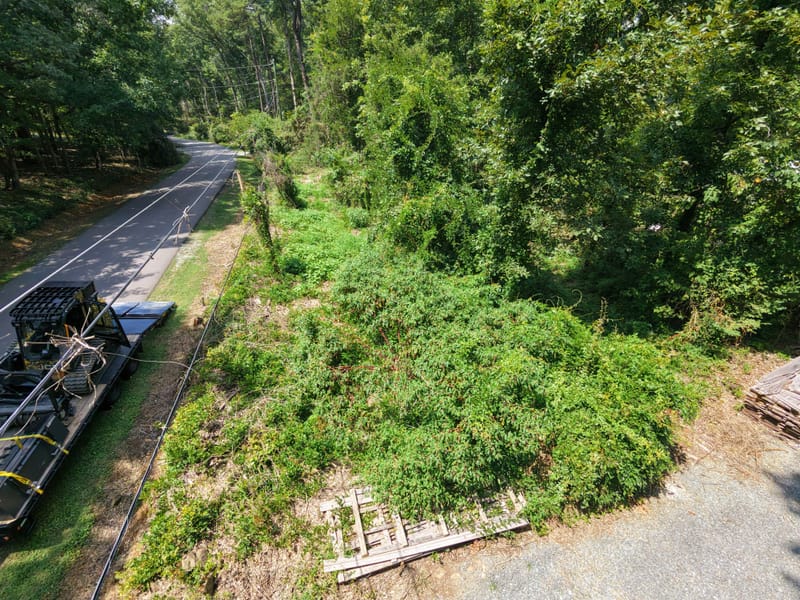
Macartney rose outlasts a single pass. Texas A&M AgriLife Extension traces the
rose to hedges planted for fencing in the late 1800s. It now covers more than 500,000 acres of Texas
rangeland, from Southeast Texas to the Middle Coastal Prairie, in stands thick enough to wipe out
forage and get in the way of working cattle. AgriLife says no single method has been fully
effective. Its Brush Busters guide says to leave mowed plants nine to twelve months, then treat them
within three years. A quote that ignores regrowth is half a plan. The
Victoria Macartney
rose guide sets out the steps.
The floodplain map decides the paperwork. Victoria's Unified Development
Ordinance requires a Floodplain Development Permit for development in a regulatory floodplain, and
it counts grading, filling and digging as development. The rule also applies in the city's
extraterritorial jurisdiction, unless the county alone regulates it there. Outside the city, the
county issues no building permits but does issue floodplain permits in the 100-year floodplain.
Requirements vary by parcel, scope and jurisdiction, and the governing authority makes the
determination. Details are in the
Victoria and
Victoria County permit guide.
Burning is the least reliable way out. Texas allows land-clearing brush to be
burned on site only under set distance, daylight and wind conditions, and never inside city limits
unless a local ordinance allows it. The county can declare a ban at any time; the
Texas A&M Forest Service burn ban map
shows current status. Bans follow the weather, so a plan built on a burn pile can stall for months
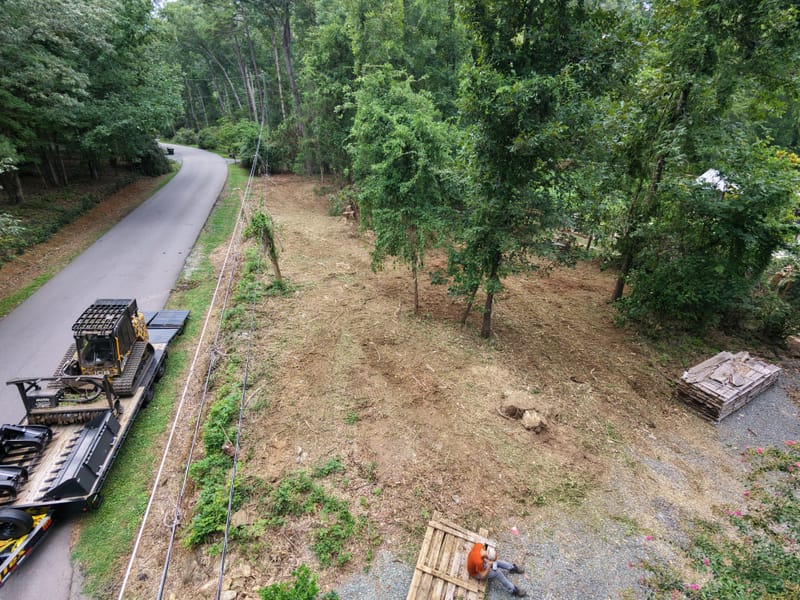
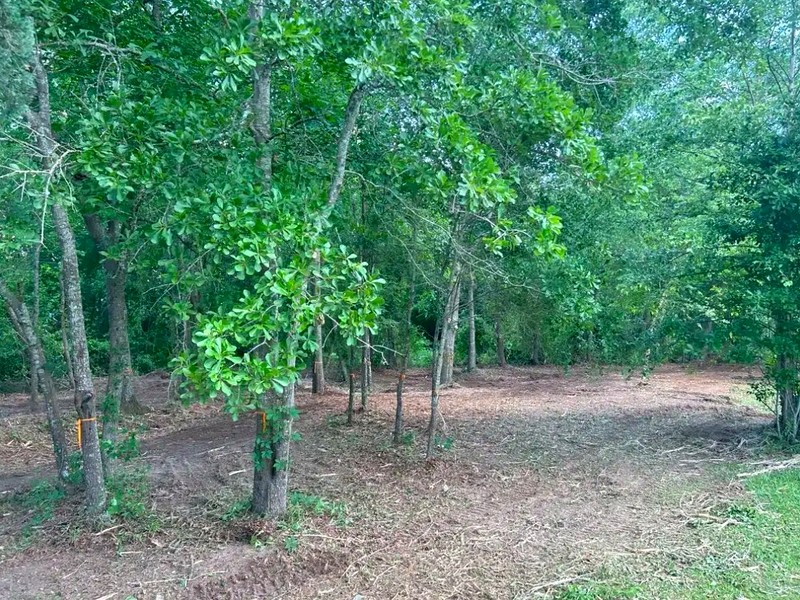
or turn into a hauling bill. Ground in place, the brush needs no fire, no hauling and no wait for a
ban to lift.