

Brush Clearing & Palmetto Removal in Ocala, FL
Saw palmetto, wax myrtle, and years of woody creep across Marion County pastures and parcels – get a free quote from a qualified local expert who grinds it into cover with zero burn piles.
Why Choose Us
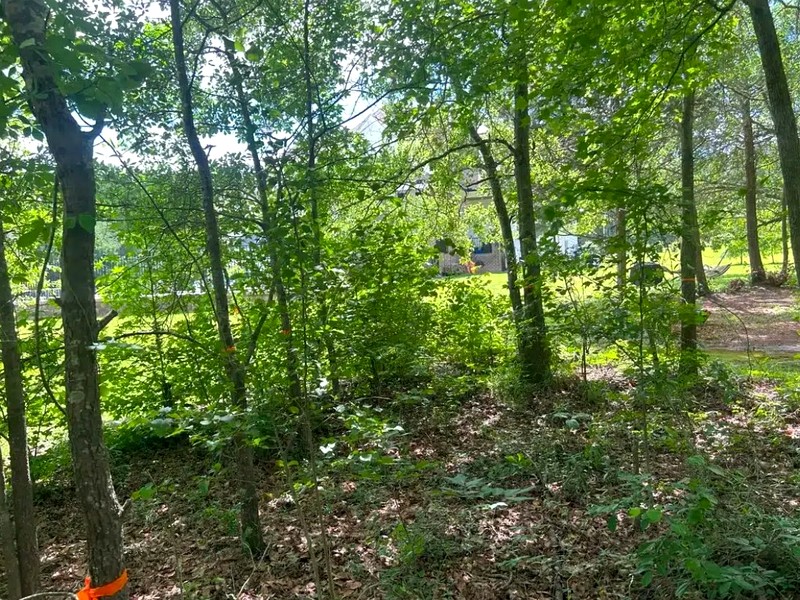
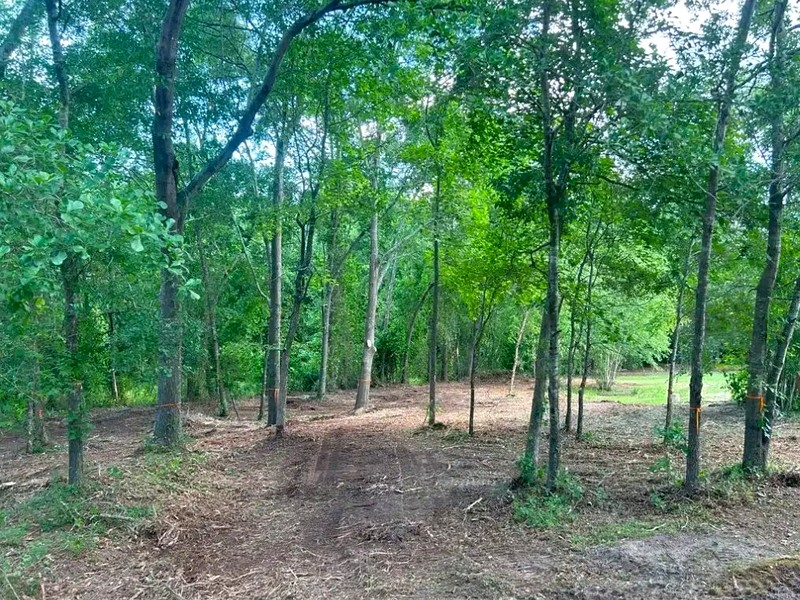
Brush Clearing: Before & After
What the same ground looks like when the machine leaves.
From green wall to walkable ground in one working day – example from Cut Brush’s project archive
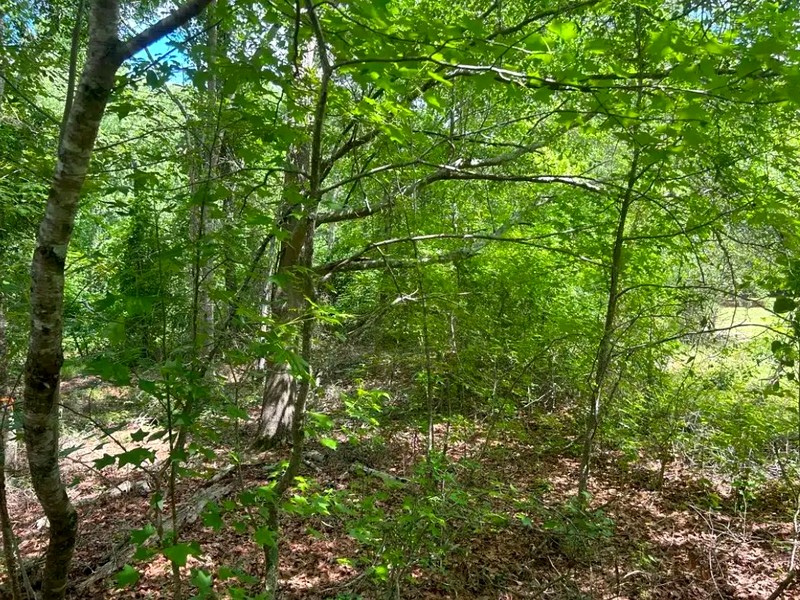
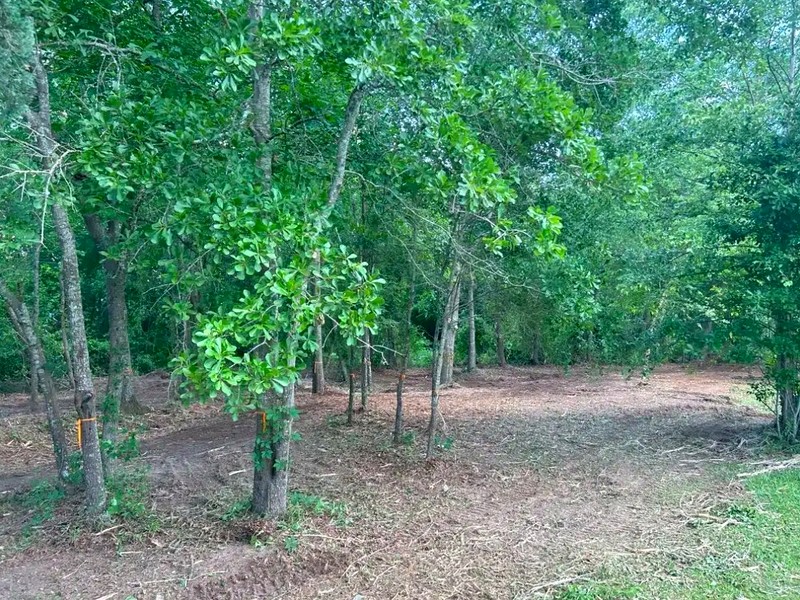
A field edge taken back from years of woody creep – example from Cut Brush’s project archive
Brush Clearing in Ocala: Built for Florida Overgrowth
Landowners who move here from other states learn it quickly: a neglected Marion County parcel does not fill with polite saplings you can push over with a tractor. It fills with saw palmetto, a fibrous, ground-hugging survivor that concentrates on poorly drained flatwoods soil and shrugs off rotary mowers, woven through with gallberry, wax myrtle, hollies, and lyonia under whatever pine is standing. Give it a few unattended years and the parcel becomes a green mass you cannot walk into, let alone use. Brush clearing with a mulching head is the tool that resets it, grinding the woody tangle into ground cover in the same motion that removes it.
Cut Brush connects owners with vetted local brush contractors across Ocala, Belleview, Summerfield, Dunnellon, and the rural stretches out to Fort McCoy and Citra: field edges, fence lines, house perimeters, and whole parcels that crossed the line from wild-looking to unusable.
Know Your Opponents
- Saw palmettoThe flatwoods signature plant, dense enough to hide anything and tough enough to stall ordinary mowing equipment. The drum grinds crowns and fronds together.
- Gallberry and wax myrtleThe supporting cast of the understory, quick to knit a cleared area shut again when nobody is watching.
- CogongrassAmong the ten worst weeds on the planet, over a million Florida acres infested, and eradication runs 3 to 5 years of herbicide work once it settles in.
- Brazilian peppertreeSo invasive that Florida law prohibits selling or transplanting it; it removes well and returns stubbornly, so expect the contractor to scope follow-up honestly.
- Air potato vineA state noxious weed that can extend roughly 8 inches in a single day; a statewide biocontrol beetle has knocked it back, but the vines still smother fence lines.
Pasture Back From the Brush
This is horse country by the numbers: around 75,000 horses, the most of any county in America, on 3,500-plus farms and training facilities occupying some 210,000 acres, with the equine economy worth $4.3 billion a year. Every fenced operation in the county runs the same slow-motion battle, brush creeping in from the field edges and swallowing fence lines a foot at a time. Reclaiming that margin is some of the highest-value brush work there is: grazing ground recovered on every side of every field, fence lines opened so they can actually be inspected and mended, and rough adjoining ground converted to turnout. Mulched clearing suits pasture especially well because the ground stays covered and nothing sharp or foreign is left behind in the grass.
Why the Machine Should Show Up Washed
The cogongrass entry above deserves its own paragraph, because the way it spreads should change how you hire. FDACS identifies rhizome fragments carried on land clearing and forestry equipment as the principal way the weed reaches new ground. In other words, the contractor you bring in to fix your brush problem is the most likely vector for a worse one. Ask any bidder what their washdown routine is; the pause before the answer tells you plenty. It is one of the questions Cut Brush asks before we work with anyone.
The Pile You Do Not Have to Burn
Traditional brush removal ends with a heap and a match, and Florida regulates both. Any pile over 8 feet in diameter requires a Florida Forest Service burn authorization with suppression equipment on hand, and even the small fires allowed without authorization must respect setbacks, 25 feet from forest and from your house, 50 feet from paved public roads, 150 feet from other occupied buildings, lit after 9 a.m. and out an hour before sunset. Mulching ends the project a different way: the brush is already on the ground as cover, the machine loads out, and nobody spends a weekend babysitting smoke.
How Brush Clearing Works
Three steps from overgrown to usable, with a written number before any machine moves.
Tell Us About the Overgrowth
How big the parcel is, how long it has gone untouched, what you can see in it, and what you want it to be: pasture, a clean fence line, a perimeter pushed back. Cut Brush gets back to you within 24 hours.
Review Your Written Quote
We match you with the most qualified local contractor, who walks the tangle, identifies what is actually in it, notes burrows or wet spots, and delivers a written scope and price.
Grind, Then Walk It With a Keep-It-Clear Plan
The contractor runs palmetto, myrtle, and woody scrub through the drum and leaves a mat on the same ground: no piles, no loaded trucks. You walk the opened land and get straight talk about which plants will attempt a comeback and what maintenance rhythm stops them.
Why Property Owners Choose Cut Brush
The right local contractor for the ground, straight answers on the rules, and land you can use when the job is done.
Palmetto Is the Job, Not the Excuse
The contractors we work with bring equipment and technique chosen for flatwoods scrub, the vegetation that breaks lesser setups.
Pasture-Minded Work
Field edges and fence lines reclaimed with the ground left clean and covered, the way a grazing operation needs it.
No Hitchhiking Weeds
How a contractor washes equipment between jobs is one of the questions we ask before we work with anyone, because cogongrass on a dirty machine is how a brush problem turns into a five-year one.
Burrow-Aware in Heavy Cover
Thick brush is where tortoise burrows go unnoticed. The contractor we match you with looks before grinding and honors the 25-foot protection zone.
The Match Stays in the Box
No piles, no authorizations, no setback math, no smoke complaints. The debris question is answered by never creating any.
Perimeters Pushed Back
Brush against a house is habitat for everything you do not want near a house. Moving the line back changes how the property feels.
Get a Free Brush Clearing Quote
Request a free quote and the most qualified local contractor will take it from there, starting with a written price. Want the ranges first? Start with the Ocala, FL pricing guide.
Request a Free QuoteRelated Services
If the project is bigger than brush clearing, the local experts we work with cover the rest of the Ocala Area too.


Brush Clearing Across the Ocala Area
We match property owners with brush clearing contractors in these Marion County communities, plus Williston across the Levy County line.
Brush Clearing FAQ
Ready to Put Your Land Back to Work?
Get a free quote from a qualified local brush clearing contractor in Ocala & Marion County. Cut Brush will connect you with the right local expert.
Get Your Free QuoteOr call us directly: (919) 525-3950