

Land Clearing in Ocala, FL
Acreage, homesites, and pasture across Marion County. Get a free quote from a qualified local contractor, with potential wildlife constraints noted early and mulch-in-place options that avoid open burning.
Why Choose Us
Land Clearing: Before & After
What the same ground looks like when the machine leaves.
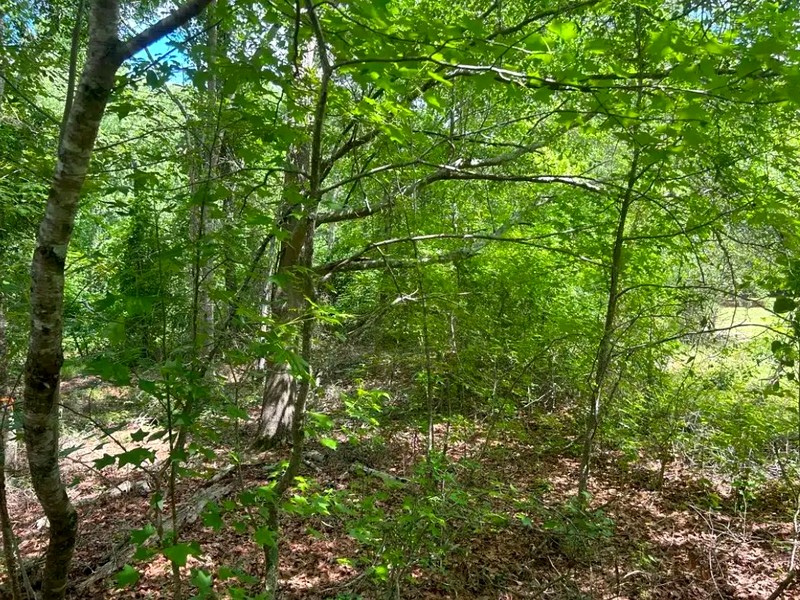
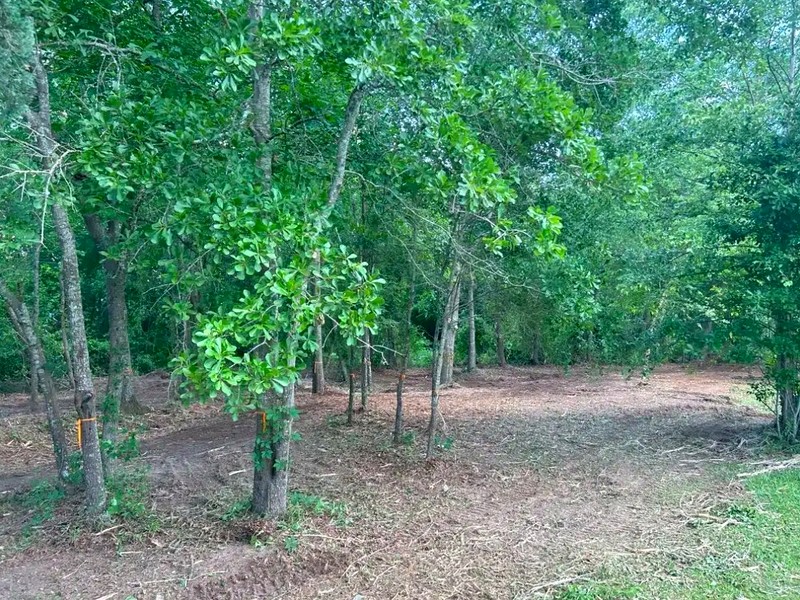
Standing growth to walkable ground, everything retained on site as cover – example from Cut Brush’s project archive
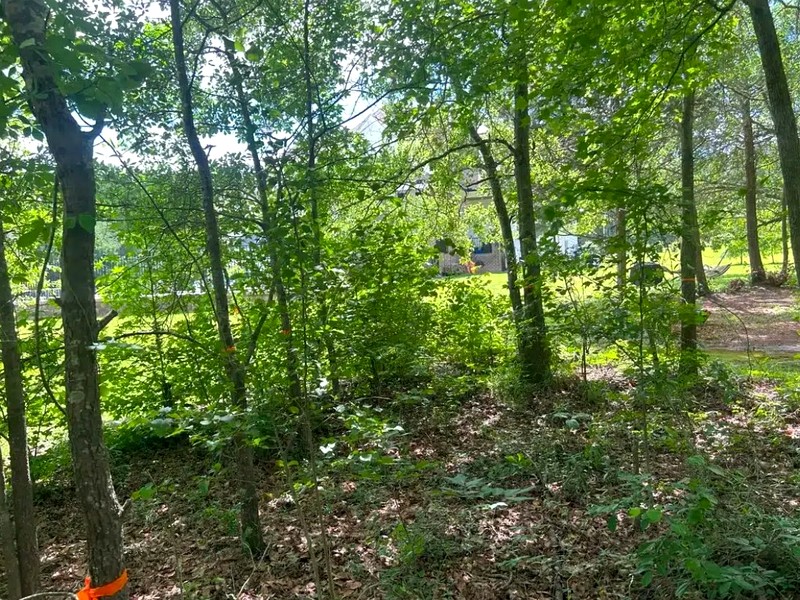
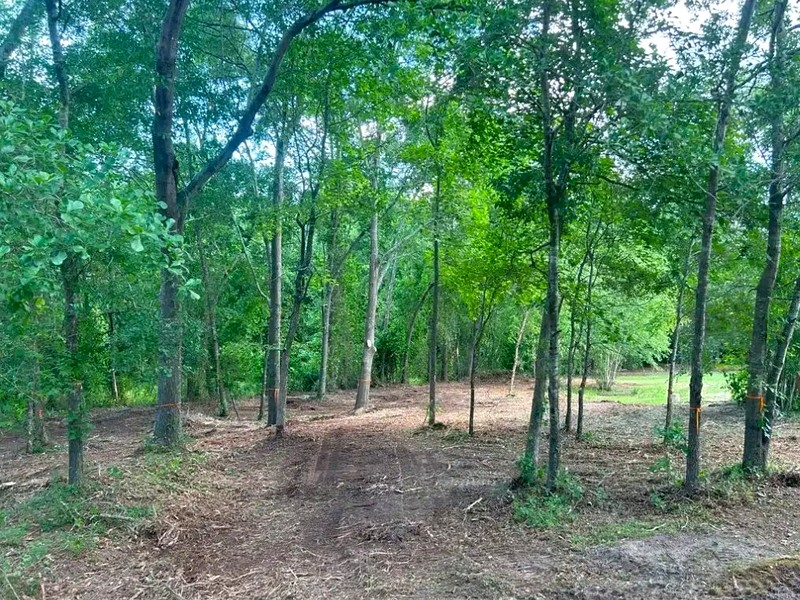
No burn piles and no dump trucks: the vegetation became the ground cover – example from Cut Brush’s project archive
Land Clearing in Ocala: Open Up Your Marion County Property
Ask a clearing contractor anywhere else what comes first and they will talk about stem size and access. In Florida the honest answer is a hole in the sand. The gopher tortoise is state-listed as Threatened, and the law is blunt: before clearing or development disturbs anything within 25 feet of a potentially occupied burrow, you need an FWC permit, and the tortoises must be relocated under that permit before the ground is touched. Skip the permit and clear anyway, and the liability follows you, even when the burrow you crushed sat within 25 feet of your line on a neighbor's parcel. The only clean way around permitting is keeping every bit of work at least 25 feet from every burrow, which on tortoise-friendly sandy ground is often impossible to know until someone walks the parcel properly.
That walk is where every land clearing quote in the Ocala area should begin, and it is why Cut Brush only works with the very best local land-clearing experts. The contractor we match you with looks for visible signs of potential burrows before counting trees, flags concerns, and explains when the project can proceed as drawn, needs a 25-foot standoff, or needs the FWC permit path first. Small sites frequently qualify for the streamlined 10 or Fewer Burrows permit, and FWC maintains a locator for Authorized Gopher Tortoise Agents when relocation is in the cards. None of that is scary once it is planned; all of it is expensive when it is discovered mid-job.
Why So Much Marion County Land Is Getting Cleared
The Census Bureau has now named the Ocala metro the fastest-growing in the nation two years running: 442,660 people as of July 2025, up about 14,600 in twelve months. A county median home price near $280,000, against a statewide figure past $400,000, keeps pulling buyers and builders in, and around 20% of the county's land already works as horse farms, some 210,000 acres of it. Between the subdivisions and the stables sits an enormous supply of raw scrub, flatwoods, and retired grove land whose owners are deciding, parcel by parcel, that now is the moment to make it usable.
The Work Owners Bring to Cut Brush
- Homesite acreageWooded or scrub-covered parcels opened for a build, with the footprint, drive, and utility runs cleared and the rest thinned or left standing as you choose.
- Pasture expansionRough ground beside existing fields converted to grazable land for the county's 3,500-plus horse farms and training operations.
- Development tractsMulti-acre clearing staged around tortoise permitting, county tree rules, and the district stormwater process so site work starts clean.
- Sale preparationLand a buyer can walk shows its value; with rural east-county parcels guided around $4,000 to $25,000 an acre and the southwest corridor at $30,000 to $80,000 and up, presentation is real money.
Sand Ridge East, Limestone Ridge West
Marion County splits into two kinds of ground, and the local experts we work with know both. The northwest horse country rides a limestone ridge, calcium-rich soil a few feet above nearly pure rock, the reason people compare it to Lexington, Kentucky. East and south the land turns to sand: the Ocala National Forest next door is the world's largest contiguous sand pine scrub, and the porous soils there drink rain straight down into the Floridan Aquifer that feeds Silver Springs' 550-million-gallon daily flow. Between the two extremes lie flatwoods thick with saw palmetto, gallberry, and wax myrtle. Mulch-in-place clearing suits all of it: the mat keeps loose sand covered, adds organic matter to thin soils, and leaves nothing exposed for the summer storms to work on.
The Paperwork Beyond the Tortoise
Three more rules shape Ocala clearing projects. Marion County requires a tree removal permit for trees 10 inches DBH or larger when clearing precedes construction that needs a building permit, with exemptions for smaller trees and for single-family use on a parcel of record. Burning debris invokes the Florida Forest Service: land clearing and pile burns need a burn authorization, and piles over 8 feet in diameter add an on-site suppression requirement, which is a big part of why the local contractors we work with favor mulch-in-place clearing that simply produces no piles. And the county is split between two water management districts, each running its own environmental resource permit program for work affecting wetlands and surface waters. Cut Brush explains which of these rules commonly apply, and the contractor we match you with identifies what your parcel triggers during the walk-through and puts it in writing with the quote.
One More Local Reality: the Rain
June through September, Ocala takes on 6 to 8 or more inches of rain a month, roughly triple the winter pace. Tracked equipment handles soft ground far better than wheels, but the smart move in the wet season is scheduling flexibility: offer your matched contractor a window instead of a date and the machine works firm ground instead of fighting saturated sand. October through May, the calendar opens wide.
How Land Clearing Works
Three steps from overgrown to usable, with a written number before any machine moves.
Request Your Free Quote
Acreage, what is growing on it, what you want it to become, and any burrows, keeper trees, or wet spots you already know about. Cut Brush gets back to you within 24 hours.
Review Your Written Quote
We match you with the most qualified local contractor, who walks the parcel, checks for tortoise burrows, keeper trees, wet spots, and machine access, and puts a firm quote in writing. Any FWC, county tree, or district requirements get resolved before equipment mobilizes.
Walk the Finished Ground
The contractor does the clearing, typically one to three days for residential acreage, and you walk the cleared parcel: mulch-covered, burrow setbacks intact, no piles, no haul-off, nothing left to schedule.
Why Property Owners Choose Cut Brush
The right local contractor for the ground, straight answers on the rules, and land you can use when the job is done.
Burrows Found First
Tortoise habitat often overlaps the dry sandy ground people clear. Expect the walk-through to include a look for visible signs of burrows; the contractors we work with treat it as step one, so an authorized agent or FWC can resolve any protected-area questions early.
Palmetto Is Normal Here
Saw palmetto, gallberry, and wax myrtle flatwoods are standard fare for a mulching drum, crowns and all, and the local contractors we match you with clear them every week.
Zero Burn Piles
Mulch-in-place means no Florida Forest Service authorizations, no 8-foot pile limits, and no smoke over the neighbors.
Springs-Aware Methods
This county sits on karst that feeds first-magnitude springs. Covered ground and no open scars is how clearing should work over an aquifer.
Clean Equipment Vetting
Cogongrass spreads on dirty clearing machines via rhizome fragments. How a contractor washes down between jobs is one of the questions we ask before we work with anyone, so your land does not inherit a 3-to-5-year weed problem.
Rules Translated, Not Recited
Tortoise permits, local tree rules, and district environmental resource permits can affect scope. We flag the common questions and help you identify the agency or qualified professional that can make the final determination.
Get a Free Land Clearing Quote
Request a free quote and the most qualified local contractor will take it from there, starting with a written price. Want the ranges first? Start with the Ocala, FL pricing guide.
Request a Free QuoteRelated Services
If the project is bigger than land clearing, the local experts we work with cover the rest of the Ocala Area too.


Land Clearing Across the Ocala Area
We match property owners with land clearing contractors in these Marion County communities, plus Williston across the Levy County line.
Land Clearing FAQ
Ready to Put Your Land Back to Work?
Get a free quote from a qualified local land clearing contractor in Ocala & Marion County. Cut Brush will connect you with the right local expert.
Get Your Free QuoteOr call us directly: (919) 525-3950