What to Know Before Clearing Land Around Coralville
Common buckthorn is a state noxious weed. Iowa Code 317.1A lists it as a primary
noxious weed; glossy buckthorn is excluded. Under chapter 317 the county board can order listed weeds
destroyed, and if the owner does not, the weed commissioner can do it and tax the cost, plus 25 percent,
against the land. Johnson County's 2025 notice set June 1 as the deadline. One cut does not end the
problem, so our Iowa buckthorn removal guide
sets out the visits that follow.
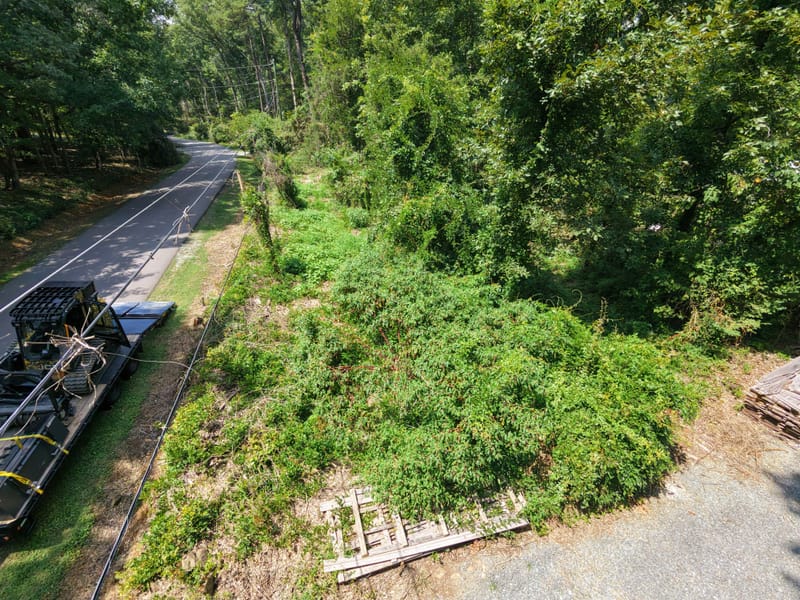
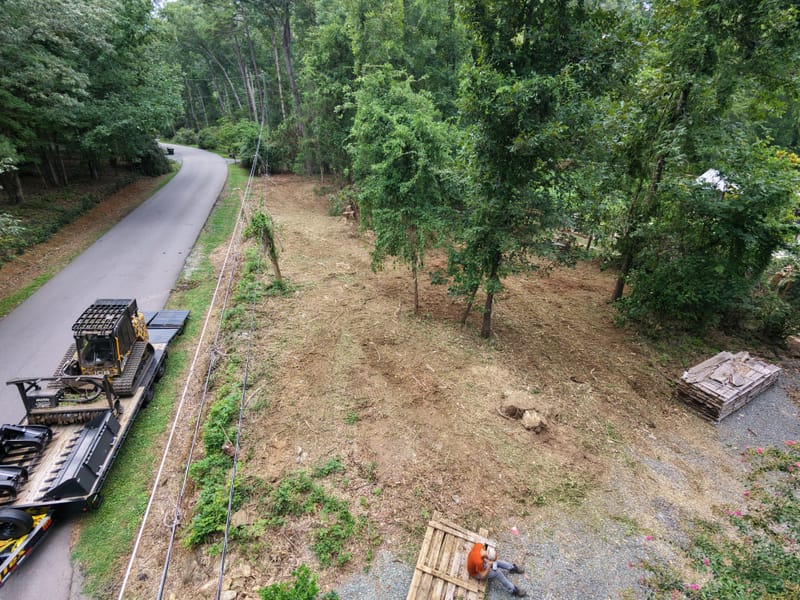
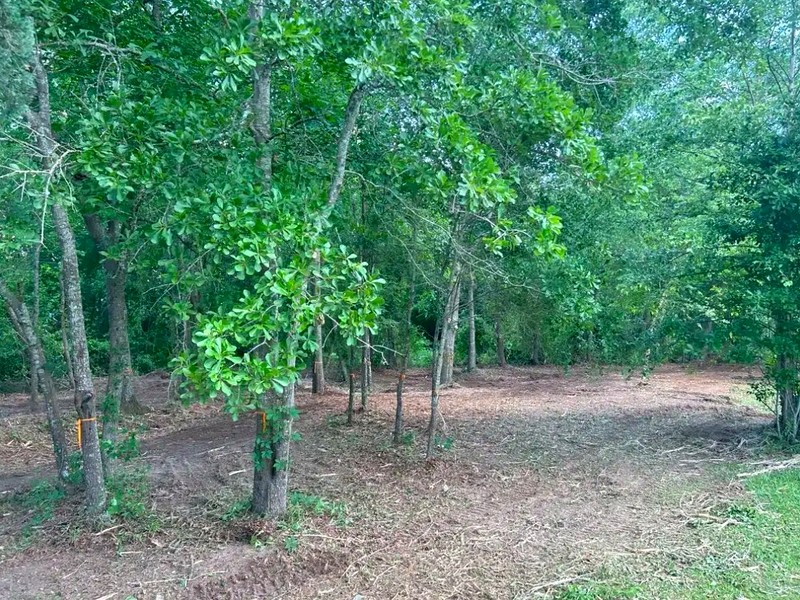
Disturbing soil brings the stormwater rules. Mulching leaves roots and soil in place.
Grubbing, a new drive or a building pad that disturbs an acre or more needs Iowa DNR coverage under
General Permit No. 2, approved before work starts, and Coralville asks construction sites for its own
Construction Site Runoff permit and a pollution prevention plan. Requirements vary by parcel, scope and
jurisdiction, and the governing authority makes the determination; the Coralville Engineering
Department is the first call inside the city.
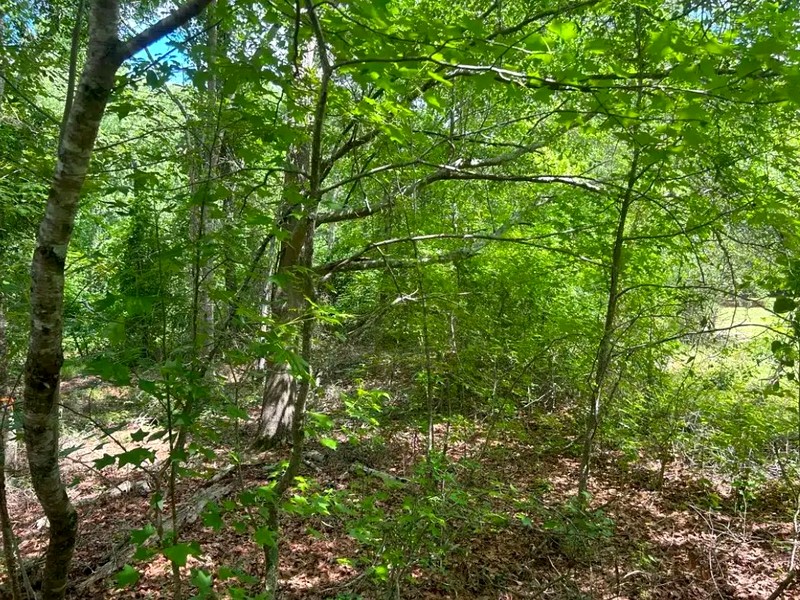
River timber sits on loess slopes. The woods along the Iowa River and Clear Creek
grow on deep, well drained loess, which NRCS maps across eastern Iowa on slopes up to 60 percent. A
mulcher works a steep side hill slowly and across the slope, so a sloped acre costs more than a level
one with the same brush; the
Coralville cost guide
explains how that shows in a quote.