
Brush Hogging Cost Per Acre in North Dakota (2026 Guide)
Cut Brush Team · November 9, 2026 · 9 min read
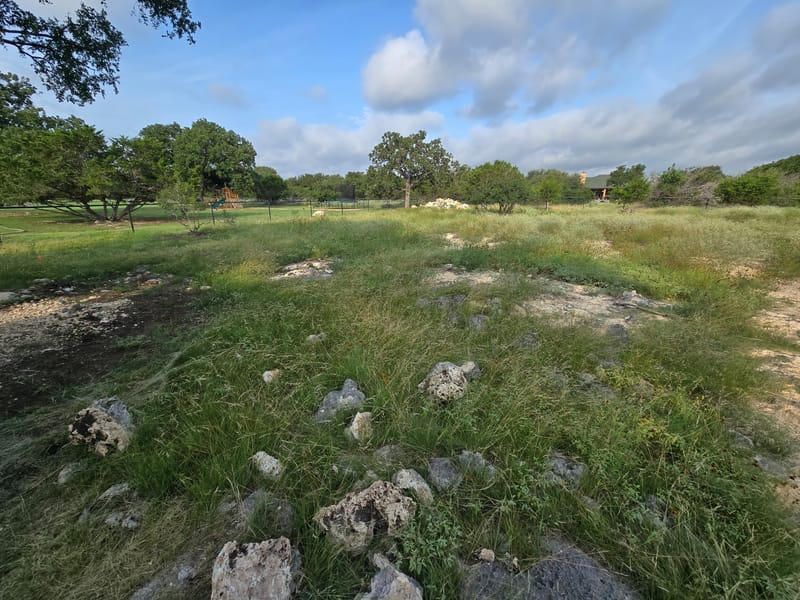
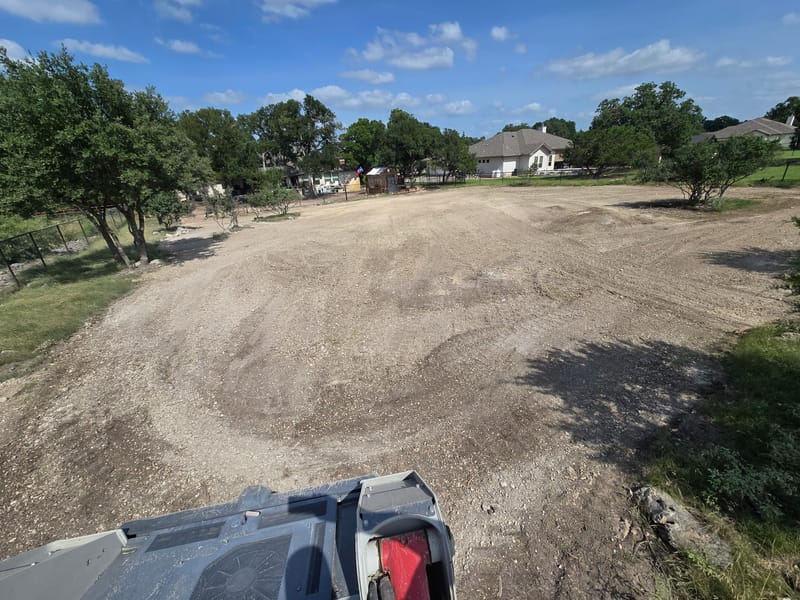
You have a pasture that went two summers without a cut, a CRP field with thistle coming through, or a strip along a township road that has to be mowed before the county deadline. Brush hogging North Dakota ground with our crew costs $75 to $400 an acre, set by how long the field has gone uncut, with a minimum of $250 to $500 per visit. Hay ground cut last season sits at the bottom; three years of grass, weeds and saplings sit at the top.
At a glance:
- Mowed within the past year: $75 to $150 an acre
- One or two seasons of growth: $125 to $250 an acre
- Three or more years overgrown: $200 to $400 an acre
- Saplings past 2 to 3 inches: no longer a mower job; it moves to our row clearing or forestry mulching prices
- Road right of way: land along a designated county or township road must have its weeds and grasses cut by 15 September or 1 October, whichever date your county board sets
- Nesting cover: holding the cut until 1 August does the least harm to pheasant nests and broods
Our crew works North Dakota from Fargo, across Cass and Richland counties in the Red River Valley, and prices fields elsewhere in the state on these same bands.
How Much Does Brush Hogging Cost in North Dakota?
A rotary cutter takes down grass, weeds and stems up to about 2 to 3 inches thick. The price follows how long the field has gone without a cut, because that decides how fast the cutter can travel.
| Field condition | Our price per acre | What it looks like in North Dakota |
|---|---|---|
| Mowed within the past year | $75 – $150 | Hay ground, farmstead pasture or a road strip cut last season, with scattered thistle |
| One or two seasons of growth | $125 – $250 | Waist-high grass with Canada thistle and leafy spurge patches coming through |
| Three or more years overgrown | $200 – $400 | Absinth wormwood 3 to 5 feet tall with woody bases, matted dead stalks, saplings to 2 inches |
| Saplings past 2 to 3 inches | Not a brush hog job | Buckthorn and tree-row suckers: $1,500 – $2,500 (row and buckthorn clearing) or $1,500 – $4,000 (forestry mulching) |
Where these numbers come from. The three mowing bands, the $250 to $500 visit minimum and $60 to $150 an hour for a job quoted by the hour are our brush hogging rates. The two heavier rates are the Shelterbelt Row & Buckthorn Clearing and Forestry Mulching rows on our Fargo pricing page. That page’s minimum of about $1,500 belongs to the mulching machine; a mowing visit carries its own, smaller minimum. When the job is tree rows rather than grass, our North Dakota land clearing cost guide has those prices, and woody brush past the mower is covered in our North Dakota forestry mulching and underbrush removal guides.
What Changes the Price of a North Dakota Mowing Job
Fargo clay in spring. Much of the valley floor is Fargo silty clay, 40 to 60 percent clay and very sticky when wet, with water at the surface to 3 feet down at some point from March through July. A machine on it in May ruts the ground and crawls. The same field in late summer, once it has firmed up, cuts faster and costs less, and that timing lines up with the nesting dates below.
Weeds that come back from the root. Canada thistle and leafy spurge are both state-listed noxious weeds, and leafy spurge grows in all 53 counties. Thistle cut at the early bud stage sets no seed, but weakening the roots takes several cuts a year, close to the ground, for several years, and works best paired with herbicide, which we do not apply. Mowing does not shrink a leafy spurge patch, though a cut every two to four weeks through the season stops its seed. On ground like that, one pass is a seed stop and a tidy-up, so we price it as a schedule of visits rather than a cure in one trip.
Long, narrow road strips. Section-line and township road strips are the ground your county holds you to, and they cut slowly: the machine turns more than it mows, around approaches, culvert ends and signs. An acre of ditch costs more than an acre of open field with the same growth, which is why many strip jobs land on the visit minimum.
What hides in the grass. Fargo clay carries no rock fragments at all, so on the valley floor a blade rarely meets stone. It meets old fence posts, wire, drain outlets and scrap at the edge of a farmyard. Walk the field before we come and flag what you know about; a field the operator trusts gets cut at full speed.
Dry grass on high fire danger days. Sparks from farm machinery are one of the main ways wildland fires start in North Dakota. Before a cut in cured grass, check the day’s fire danger rating and fire weather for your county; when it reads very high or extreme, or a Red Flag Warning is out, a dry stand waits for a calmer day.
Pro tip: If your land borders a county or township road your county has designated for cutting, put the field and the road strip on one visit before the county deadline. One trip covers both, one minimum covers both, and the strip is done before the county can cut it for you and add the bill to your taxes.
Brush Hogging Costs Across North Dakota
Cass County: Fargo, West Fargo, Horace, Casselton, Kindred. Acreages, farmstead pasture and field edges on the old lake plain. Clay sets the calendar more than the grass does: book for summer, after the ground firms. Buckthorn in the river woods is a mulching job, covered in our Fargo forestry mulching cost guide and our buckthorn removal guide.
Richland County: Walcott, Colfax, Abercrombie. Flat valley ground drained by legal drains, section-line ditches and road ditches, so drain banks and ditch strips are much of the mowing here. Narrow ground means most single strips price on the visit minimum, and pairing several on one trip spreads it. Fargo rates apply across both counties.
Central and western pasture and CRP. Absinth wormwood takes over dry, overgrazed pasture and roadsides and stands 3 to 5 feet tall by late summer. Mowing knocks it down but does not control it, so a cut there is maintenance you will repeat. CRP ground in this country follows its own nesting rules, below.
The southwest: along the Little Missouri and Heart rivers. Russian knapweed grows especially well on wet, salty ground near these two rivers and is turning up statewide. Mowing does not control it either. Price a cut there as seed control on a schedule, and plan herbicide with your applicator.
When You Can Mow: Road Ditch Rules and Nesting Dates
Road right of way. Under North Dakota Century Code chapter 63-05, the landowner or operator beside a regularly traveled county or township road designated for cutting must cut all weeds and grasses along it, including those in the public right of way. The deadline is 15 September or 1 October, as your county board sets, and the board can require an extra cut by 1 August. It also sets the stubble height and minimum cut width and prints all of it in the official county newspaper at least twice before the deadline. Leave the strip and the township or county can cut it and add the cost to next year’s property taxes.
State highway no-mow strips. If your land borders a state highway area marked no-mow or managed-mow, you may hay it after 15 July with no payment and no penalty.
CRP acres. Haying and grazing on CRP happen only outside the primary nesting season. Check the current nesting season dates and your conservation plan with your county FSA office before any cut on CRP.
Fields with nesting cover. On private hay ground and grass, holding the cut until 1 August gives pheasant nests and broods the best odds; 15 July is the fallback when hay quality matters more. Neither date is law on your own field, but both decide when we book the job.
Frequently Asked Questions
How much does it cost to brush hog 1 acre in North Dakota?
Expect $250 to $500, because the visit minimum covers a single acre. The mowing alone might be worth $75 to $250, but hauling the machine to one paddock in Kindred or Colfax costs the same as hauling it to ten acres. Add the road strip or a neighbor’s field to the same visit and the minimum stretches further.
Why do North Dakota custom rates show mowing near $13 an acre?
NDSU’s custom rates survey puts mowing or clipping CRP at an average of $13.48 an acre and mowing road ditches at $99.77, with ditch rates running from $12 to $500. Those figures come from farmers, ranchers and custom operators, including farmers doing small jobs for a neighbor, who may charge less than a large operator. Our price carries the trip and the minimum, and a field three years gone cuts far slower than CRP mowed on schedule.
Will one cut get rid of Canada thistle or leafy spurge?
No. Thistle needs several cuts a year at the early bud stage for several years, and leafy spurge needs a cut every two to four weeks just to stop seed. Book it as a season of visits, each priced at the one-season band, and pair it with herbicide from an applicator.
Can a brush hog take out an old shelterbelt or buckthorn?
Not once stems pass 2 to 3 inches. Tree rows, buckthorn thickets and suckering elm need a mulching head, priced at $1,500 to $4,000 an acre on our Fargo page, or $1,500 to $2,500 for a single row or buckthorn under trees you keep.
Is brush hogging enough to get a building site ready?
It clears the grass and weeds so you can see the ground, but a house site needs clearing to the soil and then grading by your dirt contractor. Our land clearing and grading cost guide for North Dakota shows who does each phase and what it costs.
Get a Brush Hogging Quote in North Dakota
Request a free quote, pick the nearest area below, and our crew will contact you to discuss the property, the access and the mowing you need: one cut on an overgrown pasture, a road strip before your county deadline, or a season of visits on thistle ground. The heavier work is priced on our Fargo pricing page.
Sources
- NDSU Extension, North Dakota Custom Rates, Part II: Late Season Operations
- North Dakota Century Code, chapter 63-05, cutting weeds and grasses on highways
More from the Cut Brush Blog
Keep reading for more tips and guides on land clearing.
 Cost Guide
Underbrush Removal Cost in North Dakota (2026 Guide)
$1,500 to $2,500 an acre to clear underbrush under trees you keep in North Dakota. What grows back, when it becomes mulching work, and the burn rules.
 Cost Guide
Land Clearing Cost Per Acre in North Dakota (2026 Guide)
$1,500 to $4,500 an acre to clear North Dakota land, the rates our crew charges around Fargo. How old shelterbelts, Fargo clay and burn days move the price.
 Cost Guide
Forestry Mulching Cost in North Dakota (2026 Guide)
Forestry mulching in North Dakota runs $1,500 to $4,000 an acre. What a shelterbelt row costs, what mulching leaves in the ground and who can share the bill.
Comparing states? See land clearing costs by state.
Let's Get Started on Your Land
Request a free quote. We'll contact you to discuss your property, access, and the clearing you need.
Get a Free QuoteOr call us directly: (919) 525-3950
 Quick answers from Cut Brush