Clearing Palmetto and Gallberry Flatwoods Around Savannah
Cut Brush Team · September 24, 2026 · 5 min read
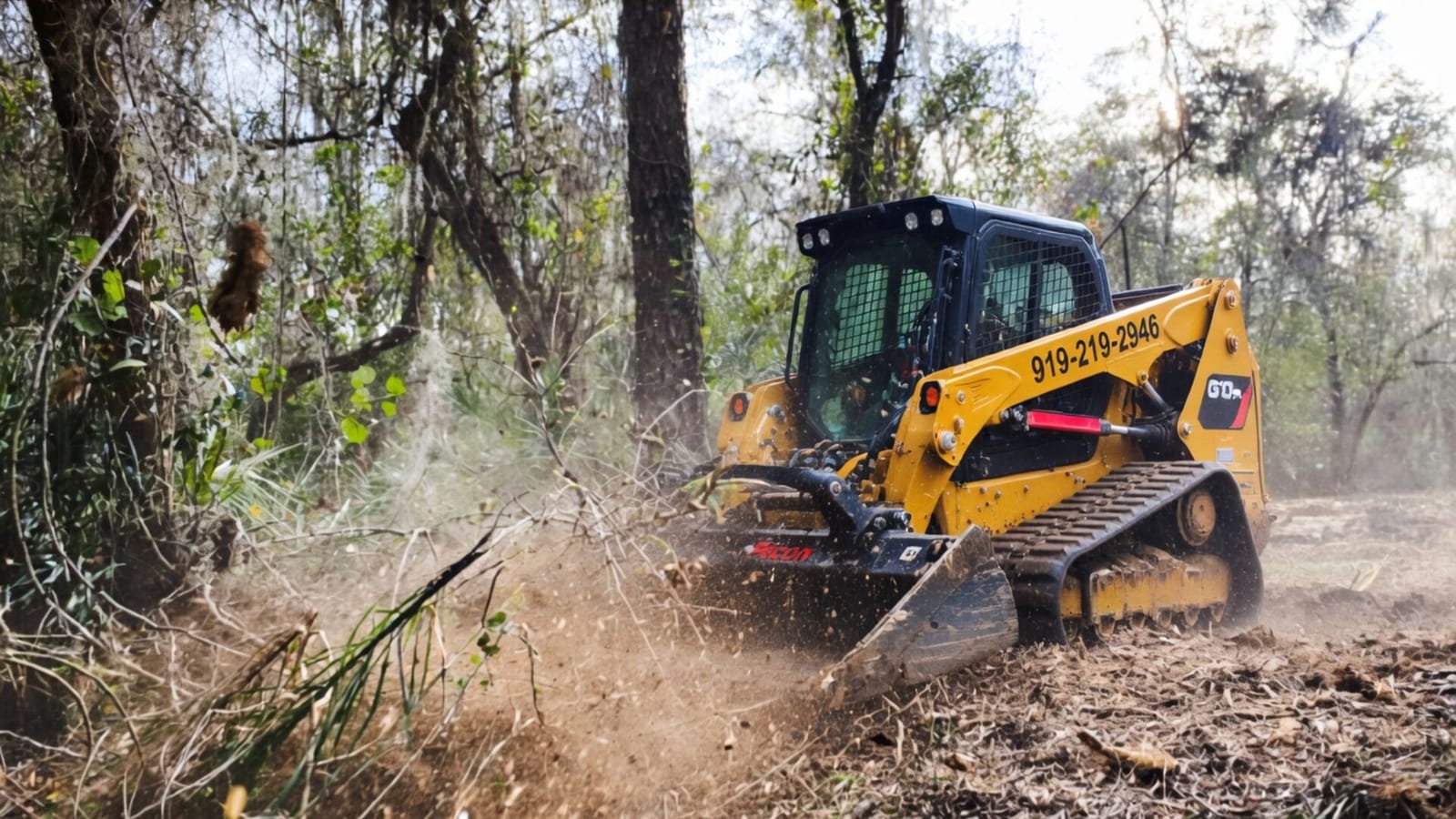
Pine flatwoods are cleared best with a mulching head, on dry ground, with a follow-up plan for what regrows. Around Savannah a great deal of undeveloped land is level pine ground over a dense, woody layer of saw palmetto, gallberry, fetterbush and wax myrtle. That layer defeats a mowing deck, hides wet spots, and grows back from the ground. Here is what it is, how it is cleared, and how to time the work.
What Flatwoods Ground Actually Is
Flatwoods are what the name says: flat, low coastal ground with pine overhead. On soils such as the Leon series, which is mapped across the Atlantic and Gulf Coastal Plain including Georgia, the natural community is longleaf and slash pine over saw palmetto, running oak, fetterbush, gallberry and wax myrtle, with grasses between (USDA NRCS).
Two features of that description shape every clearing job.
The first is the shrub layer. It is low, dense and woody, and on land left alone for years it fills the space between the pines.
The second is water. The same soil is poorly or very poorly drained, with a seasonal high water table within 18 inches of the surface for one to four months of a typical year, and depressions that can hold standing water for six months or more. A parcel that looks dry in October can be soft for weeks after summer storms.
Why a Bush Hog Struggles Here
People often start with a tractor and a rotary cutter. A mowing deck rides up on dense woody shrubs rather than cutting through them, and the result is ragged stems, a torn-up surface and a lot of material still standing.
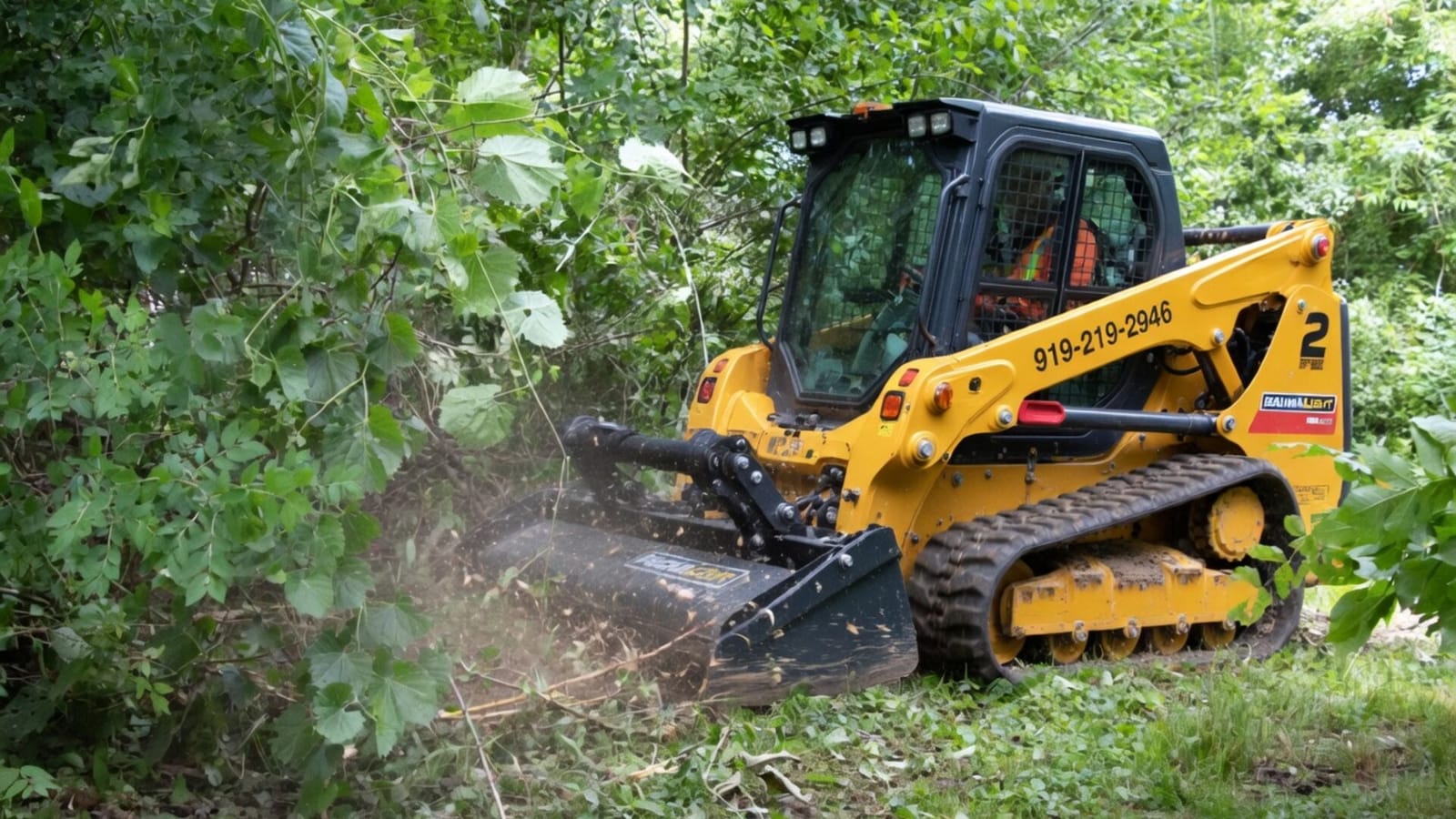
A forestry mulcher works differently. The head grinds standing shrubs and small trees down to the ground and leaves the chips in place, so one pass does what several passes with a mower cannot. Stumps are ground flush rather than pulled, which leaves the root network in the soil, and on soft flatwoods ground that is useful: it keeps the surface together and leaves it walkable.
That is why the method fits this ground. It is also why mature, closed-in flats take longer than young growth. A stand left for a decade carries a lot of woody material close to the soil, and a mulching head has to work through all of it. Our Savannah forestry mulching cost guide shows where that lands in the price band.
Timing the Work Around the Water Table
The water table is the scheduling problem on flatwoods, not the brush.
A tracked machine on dry flatwoods moves freely and does fast, even work. On saturated ground it ruts, low spots have to be skipped, and the job slows. Because the seasonal high water table sits close to the surface for months at a time, the better approach is to fit the job to the ground: book when the parcel has had a dry spell, and leave the wettest depressions for last or out of the scope altogether.
Wet spots often mark more than mud. Low, wet areas can be wetlands, and inside Savannah city limits the published tree ordinance protects any tree in a wetland, whatever its size. Near the coast, the marsh edge carries a 25 foot state buffer. Those questions are covered in our Savannah land clearing permit guide, and they are worth settling before the scope is written.
What to Keep, What to Clear
Most flatwoods owners want a pine stand they can see into and use, not bare ground.
Common scopes around Savannah and in Effingham, Bryan and Bulloch counties:
- Understory only: the shrub layer mulched to the ground, every pine left standing. The fastest way to make wooded acreage usable.
- Trails and lanes: access routes cut at truck or tractor width, routed around the wettest ground.
- Edges and fence lines: a clean strip along boundaries and ditch banks, often bundled with another job.
- Homesite openings: the building envelope and drive cleared, the rest of the stand thinned and kept.
On any scope, the trees to keep are marked before the machine starts. Inside city limits and in unincorporated Chatham County, the tree rules may decide some of that for you.
What Comes Back, and When
Mulching opens the ground; it does not end the shrub layer. Palmetto, gallberry and wax myrtle all regrow from what remains in the soil, and on wet flatwoods that regrowth can be quick. Cut Brush works mechanically and applies no herbicide, so the plan for regrowth is a maintenance pass every year or two, which costs a fraction of clearing a full stand again.
If the plan was to burn the cut material instead, check before counting on it. These counties are not on Georgia’s summer burn ban list, but land-clearing and machine-piled debris still needs a Georgia Forestry Commission notification or permit that is good only for the day issued, and local ordinances must be followed (Georgia Forestry Commission). Mulching leaves nothing to pile.
Frequently Asked Questions
Can you clear palmetto without taking out the pines?
Yes. Understory mulching grinds the shrub layer and leaves the pines standing. It is the most common flatwoods scope.
When is the best time to clear flatwoods near Savannah?
After a dry spell, whatever the month. The soil can hold water near the surface for months at a time, and dry ground makes the work faster and cleaner.
Does mulched palmetto grow back?
Some of it does, from what remains in the ground. Plan on a lighter maintenance pass every year or two to keep the stand open.
Get a Plan for Your Flatwoods Tract
Clearing flatwoods well means matching the method to the shrub layer and the timing to the water table.
See the ranges on the Savannah pricing guide, read the local conditions on our Savannah land clearing page, then request a free quote. We walk the ground, mark what stays, and put the scope in writing.
More from the Cut Brush Blog
Keep reading for more tips and guides on land clearing.
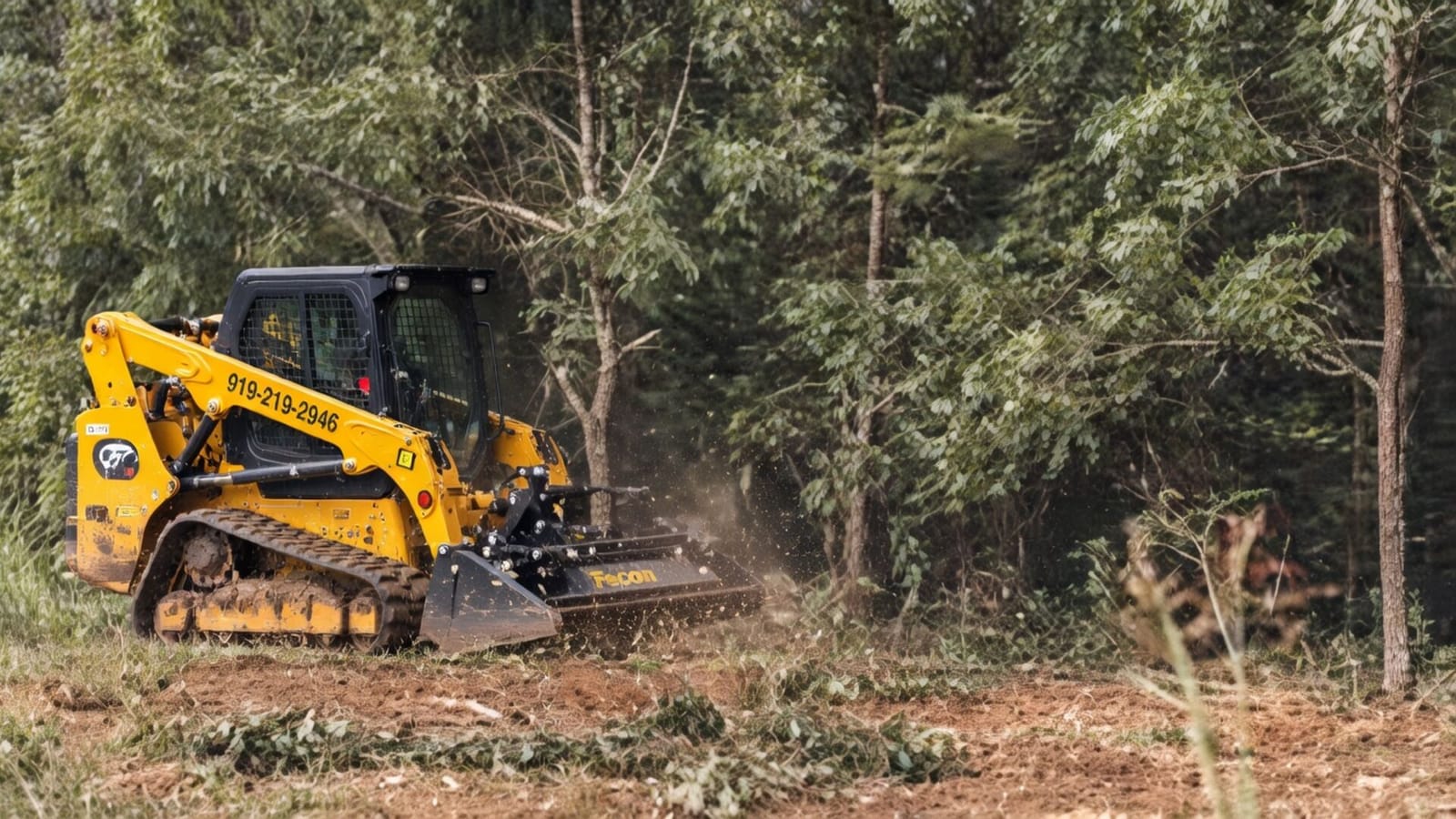 Cost Guide
 Forestry Mulching Cost in Savannah, GA (2026)
Forestry mulching around Savannah runs $1,500 to $4,000 per acre. See what palmetto flatwoods, wet ground and the city tree rules do to the number.
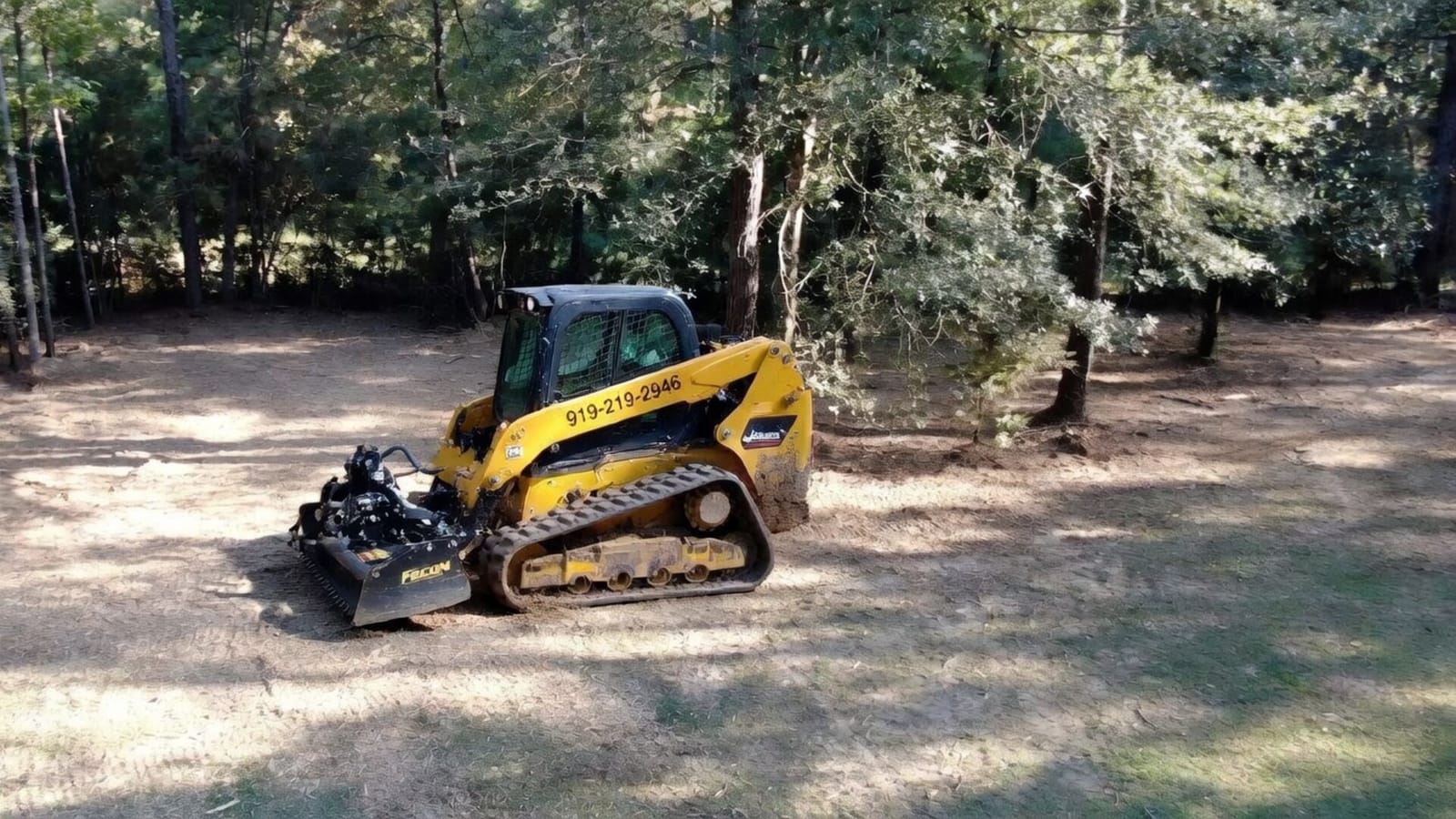 County Guide
 Land Clearing Permits in Savannah & Chatham County
Savannah treats removing a two inch tree as clearing. Here are the city, Chatham County and marsh buffer rules for land clearing, with the source beside each.
 Guide
Guide Wisteria Removal in Georgia: Save the Trees, Stop Regrowth
Wisteria removal in Georgia starts with cutting vines off the trees you want to keep. See how it spreads, why one cutting fails, and what clearing costs.
Ready to Get Started on Your Land?
Get a free, no-obligation estimate for property in Savannah & Coastal Georgia.
Get Your Free QuoteOr call us directly: (919) 525-3950