
Forestry Mulching Cost in Dothan, AL (2026)
Cut Brush Team · September 24, 2026 · 6 min read
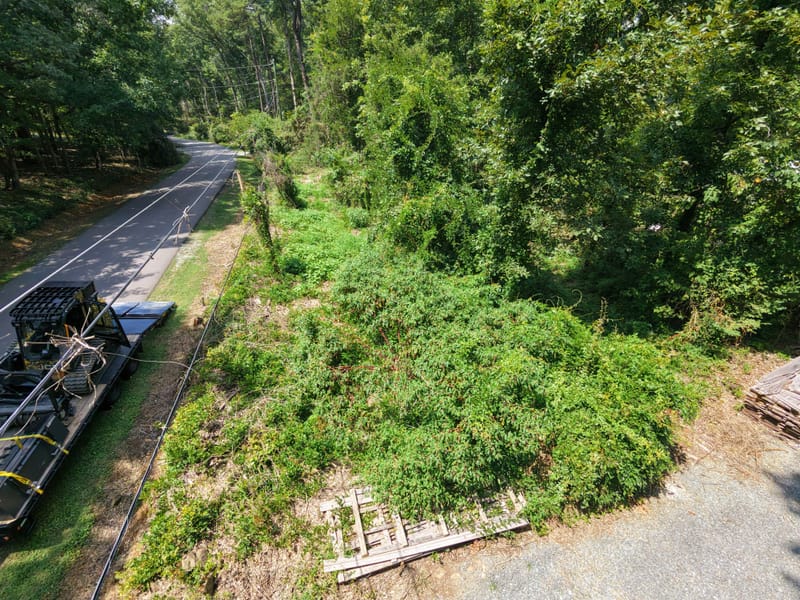
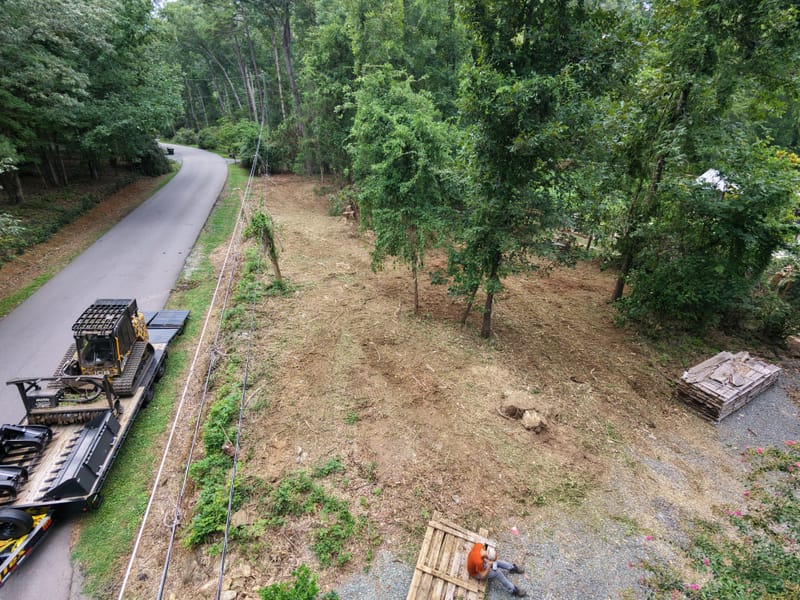
Forestry mulching around Dothan costs $1,500 to $4,000 per acre. Where a Wiregrass tract lands in that band has less to do with its size than with its history: how many seasons since it was last planted in peanuts or cotton, whether cogongrass has crept in along the edges, and what the City of Dothan lets you do with the wood. This guide takes each in turn, for ground from Ashford and Headland out to Enterprise and Geneva.
Wiregrass Prices by Type of Job
| Job, as our Dothan pricing page names it | Per acre | Where a Wiregrass tract lands |
|---|---|---|
| Forestry Mulching | $1,500 – $4,000 | Low for a field idle three or four years; high for fifteen years of loblolly and sweetgum |
| Field Edge & Understory Work | $1,500 – $2,500 | Thinning growth under longleaf, or along a crop row you still farm |
| Land Clearing | $1,500 – $4,500 | The whole tract taken to a finish you name, usually for a house, shop or pond site |
| Lot & Homesite Prep | $1,500 – $4,500 per acre equivalent | A pad, drive and utility path on a Houston or Dale County lot |
A tracked mulcher costs about the same to load, trailer and unload for a morning in Cottonwood as for a week near Ozark, so very small jobs settle at a floor of roughly $1,500 per project. A half acre of brush behind the house and a fence row at the back of the field make better use of that floor as one visit than as two. Each figure above is a planning number; the written quote follows a free walk-over.
A mulching price covers standing brush and small trees ground into a chip layer, with stumps ground flush. Pulling larger stumps and cutting and hauling merchantable timber are priced on their own, and grading is not part of it. Our Dothan services page shows what each kind of job involves.
Old Peanut Ground and the Years Since the Last Crop
The soil series that shares the city’s name is deep, well drained and sandy on top, on gentle slopes of 0 to 15 percent, with plinthite beginning somewhere between 24 and 60 inches down. The USDA lists corn, cotton and peanuts as its usual crops, and longleaf pine, loblolly, sweetgum, southern red oak and hickory as the trees that return when farming stops (USDA NRCS, Dothan series).
That makes the Wiregrass kind ground for a machine. There is rarely a steep pitch to slow it, and the sandy surface dries fast after rain. So the hours on a Dothan job track the age of what is standing. A field that came out of rotation four seasons ago holds pine whips and briar the head runs through at walking pace. A field let go when its owner retired fifteen years back holds sweetgum and loblolly as thick as a wrist or more, and each of those takes several bites. When you call, the most useful thing to know is roughly what year the land was last planted, grazed or bush hogged.
Cogongrass: Flagged First, Worked Last
The Alabama Forestry Commission reports cogongrass in all 67 counties (Alabama Forestry Commission). Around Dothan it shows up as bright, dense patches on road shoulders, power line cuts and field borders. Alabama Extension sets out why it matters for a mulching job: the grass spreads through underground rhizomes, disking generally will not control it, fire tends to favour it, and a dense stand burns hot enough to kill young pines. Clearing the rhizome layer takes herbicide over two or three years (Alabama Cooperative Extension System).
A mulcher takes the tops and leaves the rhizomes alive, and tracks that roll through a patch can carry pieces to clean ground. On an infested tract our crew marks the patches at the walk-over, works the clean acres first, leaves the infested spots for treatment or for the end of the day, and cleans the machine down coming in and going out. The per-acre band stays the same; the order of the day changes. Our guide to clearing land with cogongrass around Dothan gives the full sequence and the herbicide timing.
Where the Wood Goes Inside City Limits
Dothan’s code is stricter than most Alabama cities about burning clearing debris. Material grown on a tract may be burned only in an air curtain destructor or another approved device, at a site the fire official approves, under an open burning permit, and only on the days and hours that official sets (Dothan Code of Ordinances, ch. 38). Outside the city, the Forestry Commission still requires a permit to burn more than a quarter acre or within 25 feet of woods.
That leaves an in-city owner two real choices for the wood: grind it where it stands, or pay to load it and truck it off. Haul-off is the line most budgets forget, and on a thick tract it can rival the cutting. Grinding in place removes it, which is why so many jobs inside the city end up mulched. These rules were current in September 2026; check them again before work begins.
When a Permit Comes Before the Machine
Inside the city, a land disturbing permit is needed for any non-residential project whatever its size, and for other work once it reaches an acre; agriculture, forestry and minor residential work are excepted. We found no separate clearing permit for unincorporated Houston County, which is not the same as confirming there is none, and at an acre or more state stormwater coverage can apply. The Dothan and Houston County permit guide goes through each trigger beside its source.
Frequently Asked Questions
What does a single acre of mulching cost near Dothan?
Between $1,500 and $4,000, set by the age of the growth. A lone acre tends to sit near the project floor, because the trip out costs the same at any size.
Is grinding cheaper than burning or hauling inside Dothan?
Usually. A burn inside the city needs an approved device and a permit, and hauling adds trucks and tipping fees. Grinding in place drops both lines.
Will sweetgum come back after mulching?
Expect some sprouts from the cut stumps the following summer, plus pine seeding in from the edges. A light mowing pass a year later keeps the ground open. Cogongrass returns from its rhizomes unless it is treated.
Does cogongrass raise the price?
Not the per-acre rate. It changes the order of work and adds equipment cleaning, and some patches may wait for treatment.
Get a Price for Your Wiregrass Land
Hold your tract up against each row on the Dothan pricing page, see the towns we cover on our Dothan land clearing page, then request a free quote. Our crew will call to talk through the property, and the scope is written down before the machine is unloaded.
More from the Cut Brush Blog
Keep reading for more tips and guides on land clearing.
 Guide
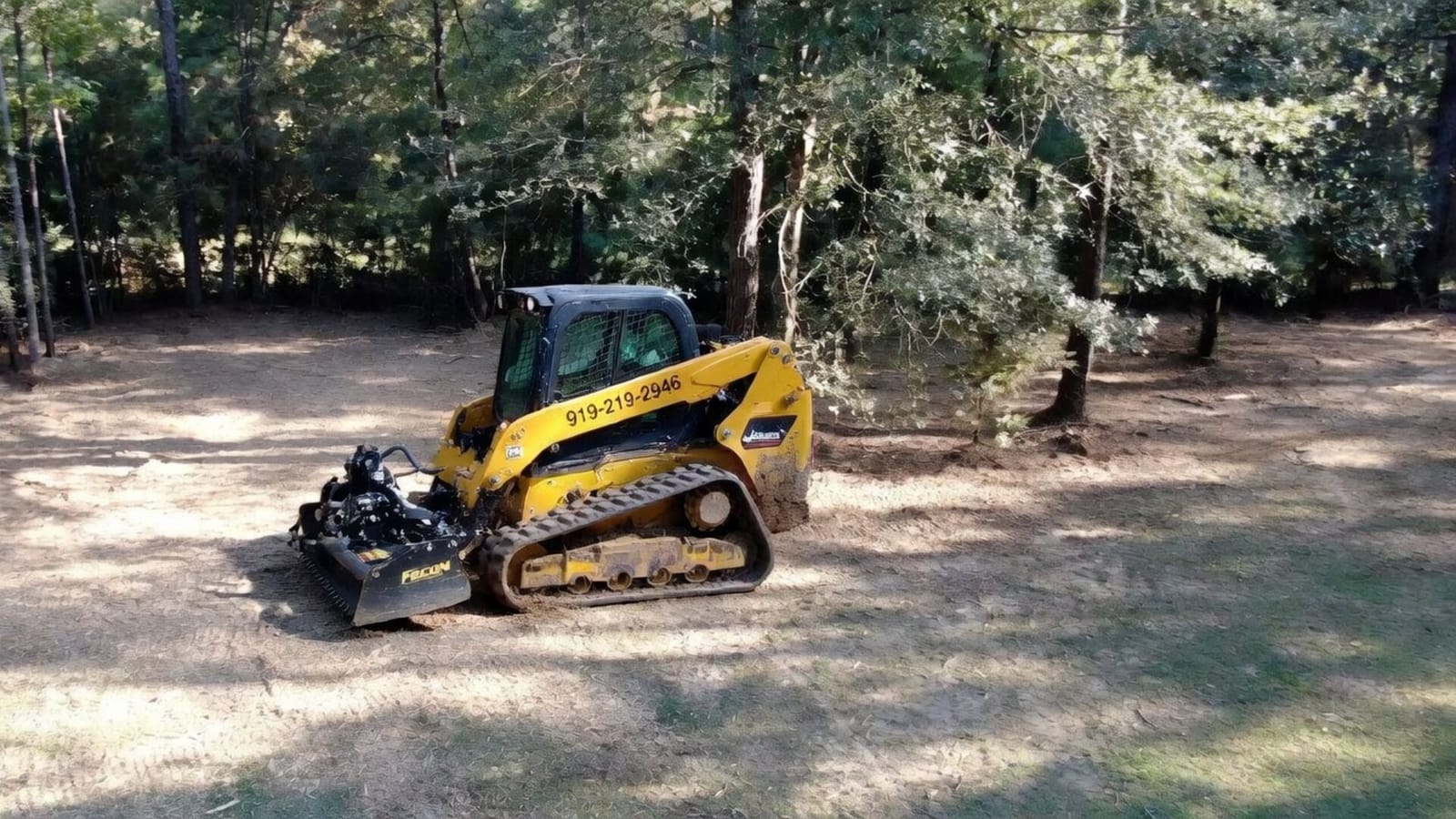
Clearing Land With Cogongrass on It Around Dothan
Cogongrass is in every Alabama county and machines spread it. How to clear Wiregrass land without planting it on the next acre, and what actually kills it.
 Cost Guide
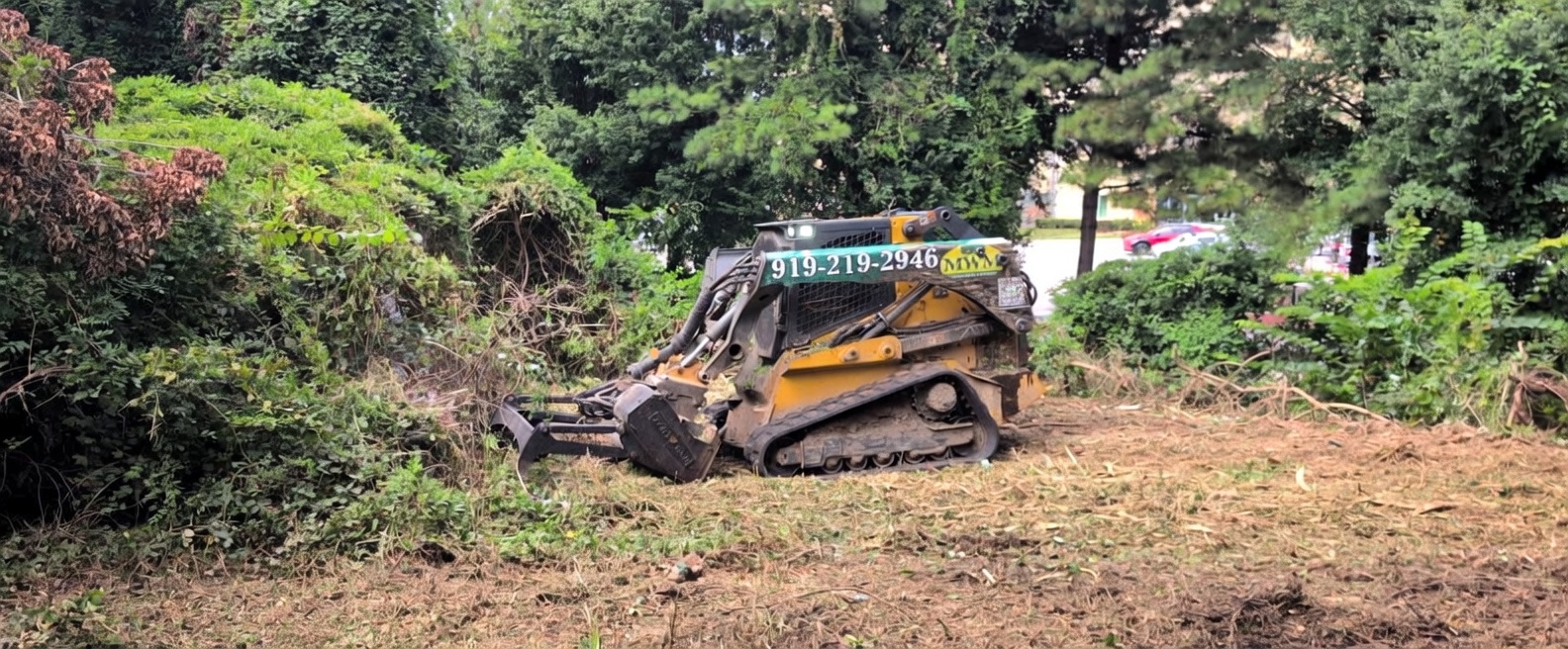
Brush Hogging Cost Per Acre in Alabama (2026 Guide)
Brush hogging an Alabama field costs $75 to $400 an acre with Cut Brush, set by how long since it was cut. See what cogongrass, chert and prairie clay change.
 Cost Guide
Forestry Mulching Cost in Alabama: 2026 Per-Acre Guide
Forestry mulching cost in Alabama runs $1,500 to $4,000 per acre. See how privet, karst rock, and wet clay move the price in North Alabama. Get a free quote.
Let's Get Started on Your Land
Request a free quote. We'll contact you to discuss your property, access, and the clearing you need.
Get a Free QuoteOr call us directly: (205) 407-1661
 Quick answers from Cut Brush