Land Clearing Permits in Dothan & Houston County, AL
Cut Brush Team · September 24, 2026 · 6 min read
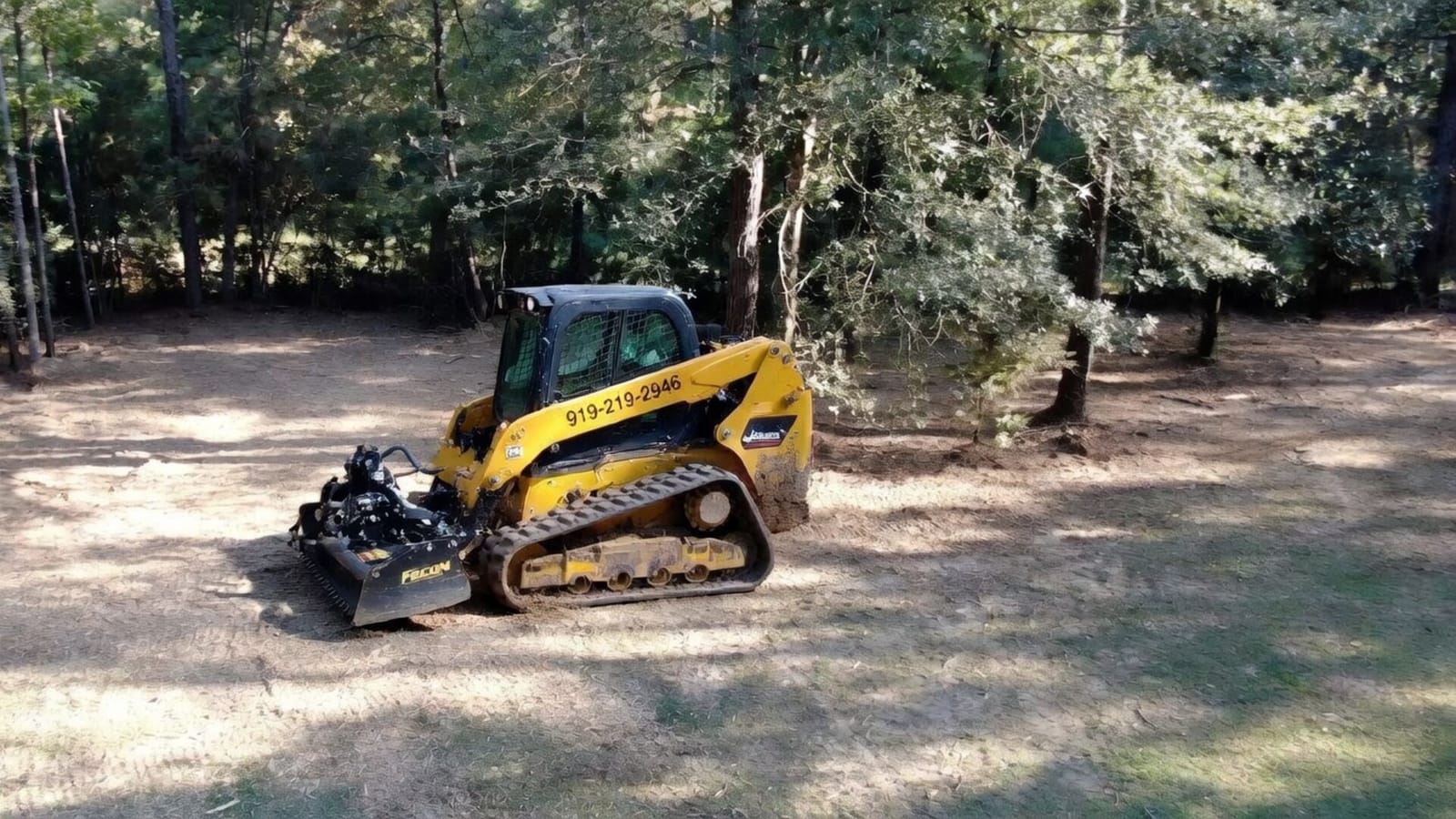
Inside the City of Dothan, clearing land for non-residential development needs a city land disturbing permit regardless of size; other clearing needs one at an acre or more. Outside the city limits in Houston County, the rule that most often applies is the state’s, which also starts at one acre. Farm and forestry work is excepted from the city permit, and so is minor work around a home.
Each rule below carries its official source. Requirements vary by parcel, scope and jurisdiction, and the governing authority makes the determination.
Inside the City: What Triggers the Permit
Dothan’s stormwater ordinance is Chapter 83 of the city code. Section 83-22(a) says no land disturbing activity may be conducted in the city without a permit when it is either:
- for non-residential development, regardless of size, or
- disturbs one acre or more, or
- disturbs less than one acre but is part of a larger common plan of development or sale that disturbs one acre or more (City of Dothan Code, ch. 83).
A small commercial pad, a church lot or a business expansion on a quarter acre is inside the permit, because size does not matter for non-residential work. The acre test only governs everything else.
Clearing counts. Section 83-20 defines land disturbing activity as any land change that may result in erosion and sediment reaching the city’s storm sewer system, “including but not limited to the clearing, dredging, grading, excavation, transporting, and filling of land.” It defines clearing separately as the removal of trees, shrubs, grass, brush and other ground cover, and excludes ordinary mowing and maintenance of land that has already been cleared. So a maintenance pass on an open field is not clearing; opening a wooded lot is.
What Is Excepted
Section 83-23 lists the activities excluded from the permit. The ones that matter for clearing are:
- Agriculture, defined as producing plants, crops and animals.
- Silviculture, the care and cultivation of forest trees, including site preparation, planting, thinning and harvest.
- Minor residential work, such as home gardens, landscaping, home maintenance, accessory structures, and minor grading for driveways, yard areas and sidewalks at single or two-family homes.
- Land the owner proves to the city’s satisfaction does not drain to the city’s storm sewer system.
The exceptions have a limit written into them. Section 83-23(b) says people doing excepted work are still responsible for controlling sediment and discharges. Being exempt from the paperwork is not the same as being free to let a cleared slope wash into a ditch.
Whether a job is agriculture, silviculture or development is a question for the city, not for the contractor. Clearing an old field to plant it again is a different thing from clearing the same field to sell it as house lots.
How the City Permit Works
Applications go to the city before any land disturbing activity starts. Under section 83-22 the application names the applicant and owner, describes the work and its location, includes a map of the site, and comes with a nonrefundable fee set in the city’s fee schedule and a construction best management practices plan. Section 83-24 says that plan must be in a format acceptable to ADEM, the state environmental agency, because the city relies on ADEM’s standards for erosion and sediment controls.
Three more points shape the timeline and the budget:
- Bond. The city may require a bond of up to $5,000 per acre of proposed land disturbance, which it can call to bring a site into compliance.
- Review time. The city approves or disapproves a complete plan within ten days, and a plan it has not acted on within 30 days is deemed approved. A plan certified by a Qualified Credentialed Professional is deemed approved when the complete application, fee and any bond are filed.
- Who may do the work. The city’s Land Disturbing Activities application asks for the job value and state and city license numbers, is approved by Engineering Services and/or the Zoning Division, and states that only a City of Dothan licensed contractor or the owner will work on the project (City of Dothan application form).
Applications are handled by Permits & Inspections at 126 N Saint Andrews Street, (334) 615-4450, or online through the city’s permit portal (City of Dothan, permit applications).
Burning Clearing Debris Inside the City
A permit to disturb land is not a permit to burn what comes off it. Dothan’s open burning rules, section 38-32 of the city code, allow material grown on a tract to be burned only when:
- it is burned in an air curtain destructor or other approved device,
- at a site the fire official approves,
- under a valid open burning permit, and
- on days and hours the fire official designates, which depend on the weather.
A homeowner may burn leaves and limbs under three inches in diameter only where collection is not available, and at set distances from buildings. These rules date from November 2024 and are current as of September 2026. In practice, most clearing debris inside the city is ground in place or hauled. Statewide, the Alabama Forestry Commission requires a burn permit for woodland, grassland, field or new ground over a quarter acre or within 25 feet of natural fuels (Alabama Forestry Commission).
Outside the City: Houston County and the State Layer
In unincorporated Houston County, the Road & Bridge Department issues permits for buildings, driveways, mobile home moves and utility work. Its published list does not include a separate clearing or land disturbance permit as of September 2026, but that is worth confirming by phone at (334) 792-4149 before a large job. A new drive onto a county road needs a driveway permit, and pipes under driveways in the right of way follow the county’s pipe policy.
The state layer applies everywhere, in town and out. ADEM requires construction stormwater permit coverage when land disturbance reaches one acre or more, or less than an acre when it is part of a larger common plan that reaches an acre (ADEM, construction general permit). Towns elsewhere in the Wiregrass, such as Enterprise, Ozark or Headland, set their own local rules, so check with the town before assuming Dothan’s apply.
Frequently Asked Questions
Do I need a permit to clear my own residential lot in Dothan?
Usually not for minor work around an existing home, which section 83-23 excepts. Clearing an acre or more, or clearing as part of a larger development plan, does need one.
Does forestry mulching count as clearing under the city code?
Removing trees, shrubs and brush is clearing under section 83-20, whatever the machine. Mowing land that is already cleared is not.
How long does the city take to approve a plan?
Ten days from a complete application, with a plan deemed approved after 30 days without action. A plan certified by a qualified professional is deemed approved when filed complete.
Get the Permit Question Settled Before the Machine Arrives
We flag the likely triggers at the walk-through and help identify the right office; the city and the state make the call. Ranges for every kind of work are on the Dothan pricing guide, what makes the Wiregrass different is on our Dothan land clearing page, and the mulching figure is broken down in our Dothan forestry mulching cost guide. When you are ready, request a free quote.
More from the Cut Brush Blog
Keep reading for more tips and guides on land clearing.
Guide Clearing Land With Cogongrass on It Around Dothan
Cogongrass is in every Alabama county and machines spread it. How to clear Wiregrass land without planting it on the next acre, and what actually kills it.
 Cost Guide
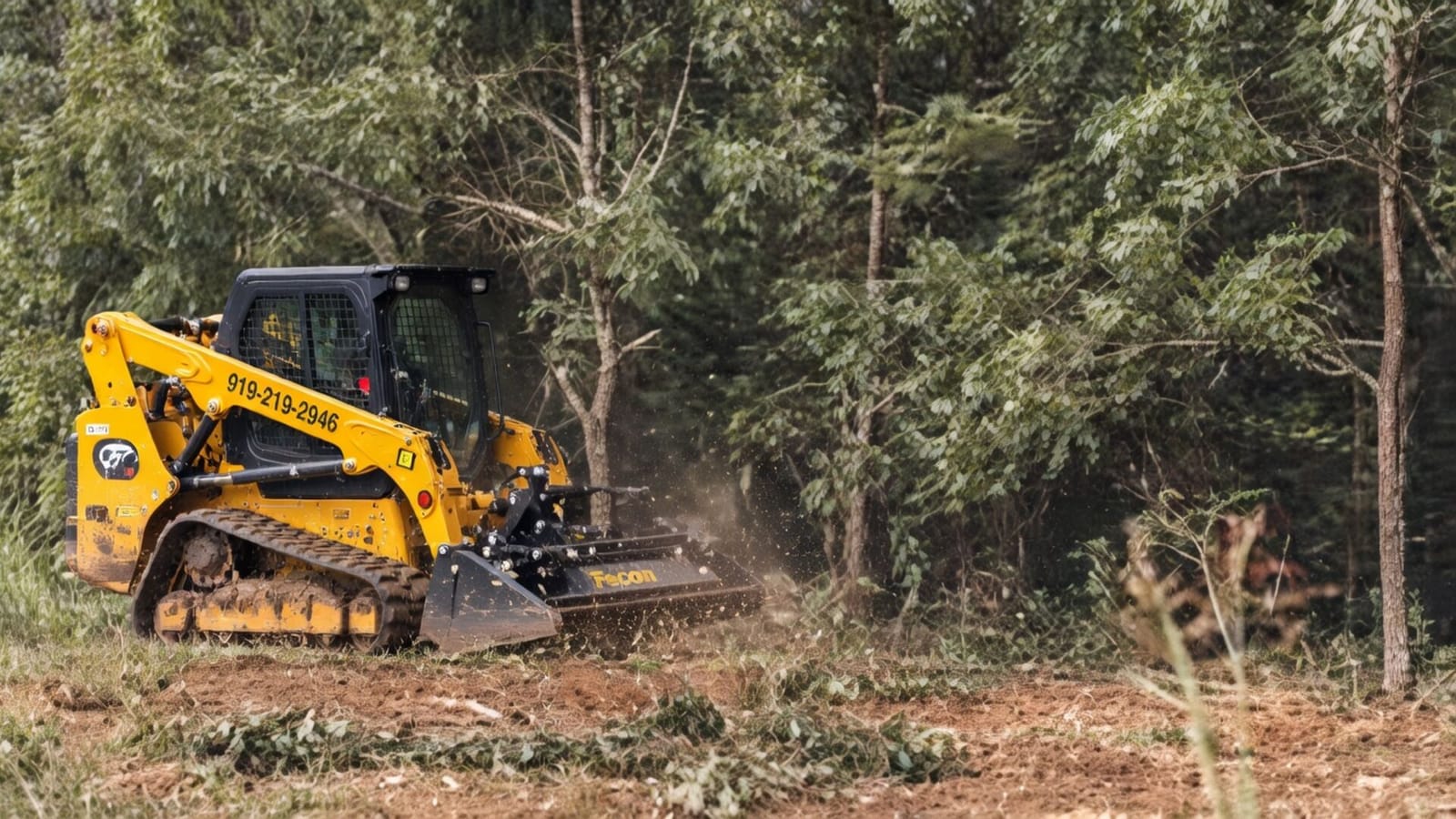
 Forestry Mulching Cost in Dothan, AL (2026)
Forestry mulching around Dothan runs $1,500 to $4,000 per acre. Here is what growth age, cogongrass and the city burn rules do to a Wiregrass quote.
 Guide
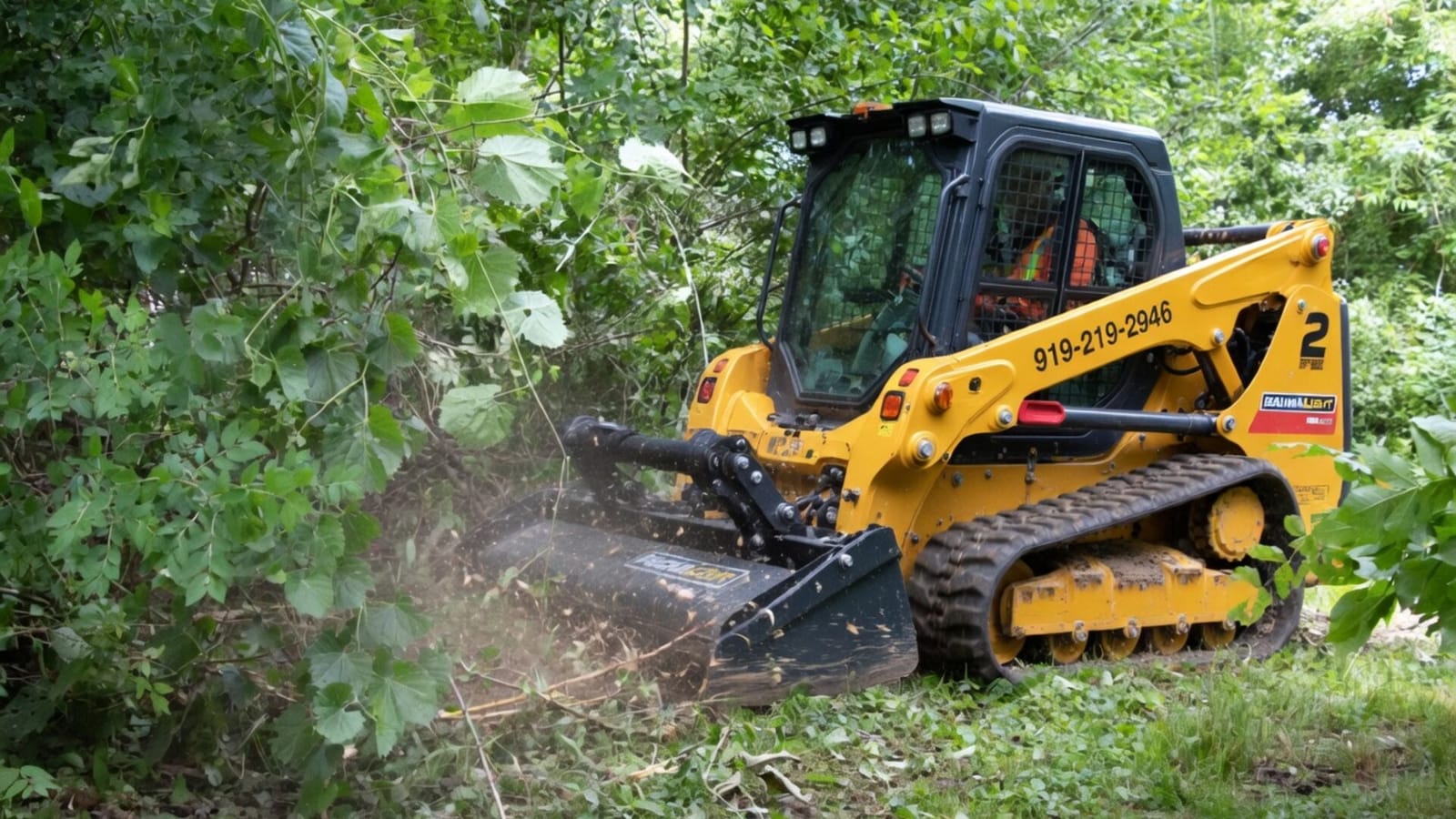
Guide Kudzu Removal in Alabama: Cost and a Plan That Lasts
Kudzu removal in Alabama takes more than one cutting. See why it regrows, the multi-visit plan that drains the root crowns, and what it costs per acre.
Ready to Get Started on Your Land?
Get a free, no-obligation estimate for property in Dothan & the Wiregrass.
Get Your Free QuoteOr call us directly: (919) 525-3950