
Forestry Mulching Cost in Fruita, CO (2026)
Cut Brush Team · October 31, 2026 · 5 min read
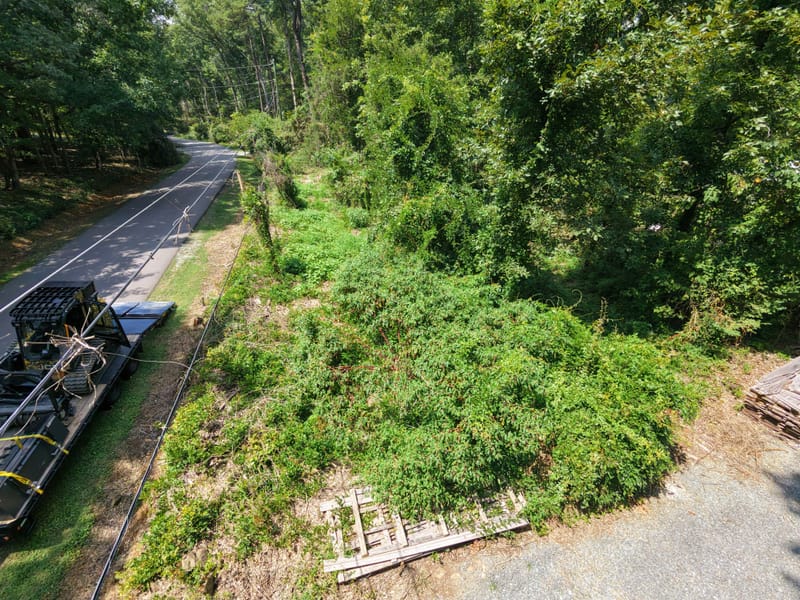
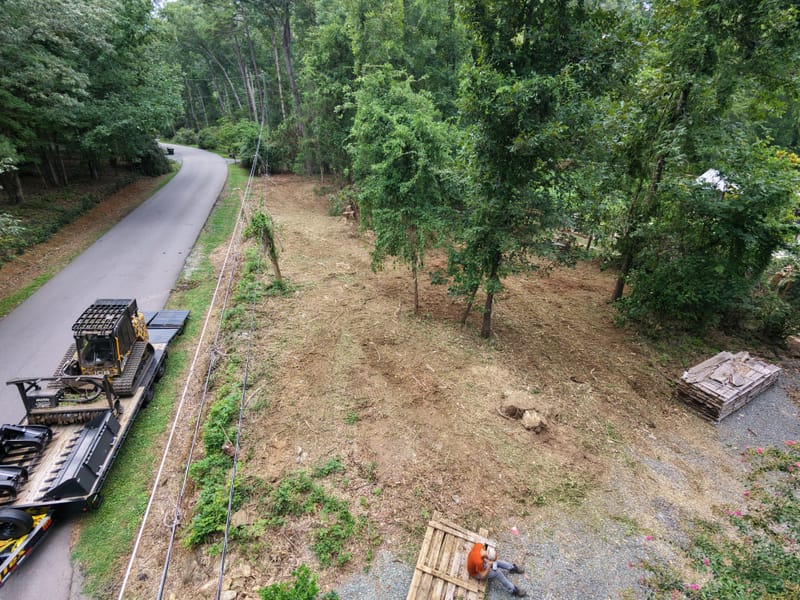
Forestry mulching around Fruita, Colorado costs $1,500 to $4,000 an acre, and cutting tamarisk and brush off a river bottom or ditch bank costs $1,500 to $2,500 an acre. A day rate and an hourly rate answer a different question, and setting either one beside a per-acre figure without a little arithmetic is how bids get misread.
All of our bands buy the same finish: brush, small trees and stumps mulched on site, stumps cut flush, nothing hauled off. Removing stumps below grade, or cutting and hauling very large trees, is discussed and priced in the quote, and grading sits outside our price because we clear to the ground for your builder. Small jobs start at a minimum charge of about $1,500, charged in place of an acre rate, never on top of one.
Day Rate, Hourly Rate or Per Acre
A day rate sells you a machine and an operator for a stretch of time. Whatever the mulcher gets through is what you get, and if the stand is thicker than it looked, the slow hours are yours. An hourly rate works the same way with a smaller unit of time. A per-acre quote sells you a result: this ground, cleared to this line, finished this way, with the risk of a slow day on the person quoting.
A day rate suits light growth on firm ground, where you point the operator at the worst patch and stop when the budget runs out. A per-acre price suits anyone who needs a whole parcel finished and wants the total before the trailer arrives.
Turning an Hourly Bid Into Acres
To compare, find the job total first. Multiply the hourly rate by the hours quoted, then add the trailer or mobilization charge. Divide that total by the acres being cleared.
| Example bid (not a quote) | Job total | Acres | Per acre |
|---|---|---|---|
| 10 hours at $250, plus a $500 trailer charge | $3,000 | 2 | $1,500 |
| The same bid on a thicker stand that stops after 1 acre | $3,000 | 1 | $3,000 |
The rate is the same in both rows; the ground is not. Ask any bidder how many acres of your growth the hours are meant to finish, and whether the return visit is inside them.
How Far a Day Goes: Sage Versus a Tamarisk Thicket
A tracked mulcher typically covers 1 to 2 acres a day in light brush, and closer to half an acre a day in dense growth with thick stems. So a day is not a fixed amount of ground, and “how long to mulch one acre” has two answers around Fruita.
- Open sage and rabbitbrush on firm ground. The head moves steadily, which is why this ground sits toward the bottom of its band.
- A closed tamarisk stand. Tamarisk reaches 5 to 20 feet and can grow into a wall of stems. The machine turns and repositions more than it cuts, and the slow hours are what push an acre toward the top of its band.
What Moves a River-Bottom Quote Within the Band
Three things set where tamarisk ground lands, and none of them shows on a map.
- Water-edge access. Soft ground beside the river or a ditch is worked when it will carry the machine. Waiting for firm ground moves the start date, not the rate.
- Stand density. Stem count matters more than acreage. A strip with a few seasons of growth is light work; an old stand is not.
- The sprout visit. Tamarisk grows back from the crown and from root pieces, so cutting alone does not finish it. Each return visit by our crew is its own line on the quote, and the stump treatment is a licensed applicator’s work with its own price. Our Colorado tamarisk removal guide sets out the visits.
A bank is priced by the area it covers. A bank 10 feet wide and 4,356 feet long is one acre, so a few hundred feet of narrow bank starts at the minimum charge. Adding the neighbor’s stretch of the same ditch to one trip is how a small strip gets better value.
Permits That Move the Schedule, Not the Rate
A permit tends to change when work starts or where it stops, seldom the per-acre figure. On unincorporated land, Mesa County’s construction stormwater permit is required for a project that disturbs one acre or more, or less than an acre when it belongs to a larger plan. Inside Fruita, Community Development at City Hall is the office to ask.
Brush piles are a separate permit. Mesa County residential burn permits cover clean, dry trimmings under an inch in diameter, and outside Grand Junction the seasons run 1 March to 31 May and 1 September to 31 October (as of 31 October 2026). Mulching leaves nothing to burn. Requirements vary by parcel, scope and jurisdiction, and the governing authority makes the determination.
Frequently Asked Questions
How much does a day of forestry mulching cost?
We quote by the acre, not by the day, because a day covers very different ground depending on the growth: one to two acres in light brush, about half an acre in a dense stand. The bands on the Fruita pricing page are the figures to plan on.
How long does it take to forestry mulch one acre?
Thin sage and rabbitbrush take a fraction of a day. A thick tamarisk stand on soft ground can take most of one. The quote names the acres and the finish, so you are not paying for the speed of the machine.
Does a small job still cost $1,500?
Yes. A corner lot or a short ditch stretch starts at the minimum charge of about $1,500, billed in place of an acre rate and never added to one. Above that, the acre bands apply.
Get a Price for Your Fruita Ground
Request a free quote and we’ll contact you to discuss your property, access and the clearing you need. The quote lists the first pass and any return visit as separate lines.
Read more: the bands on our Fruita pricing page, the towns we cover on the Fruita land clearing page, and statewide figures in the Colorado land clearing cost guide.
More from the Cut Brush Blog
Keep reading for more tips and guides on land clearing.
 Guide
Tamarisk (Saltcedar) Removal in Colorado: A Plan That Holds
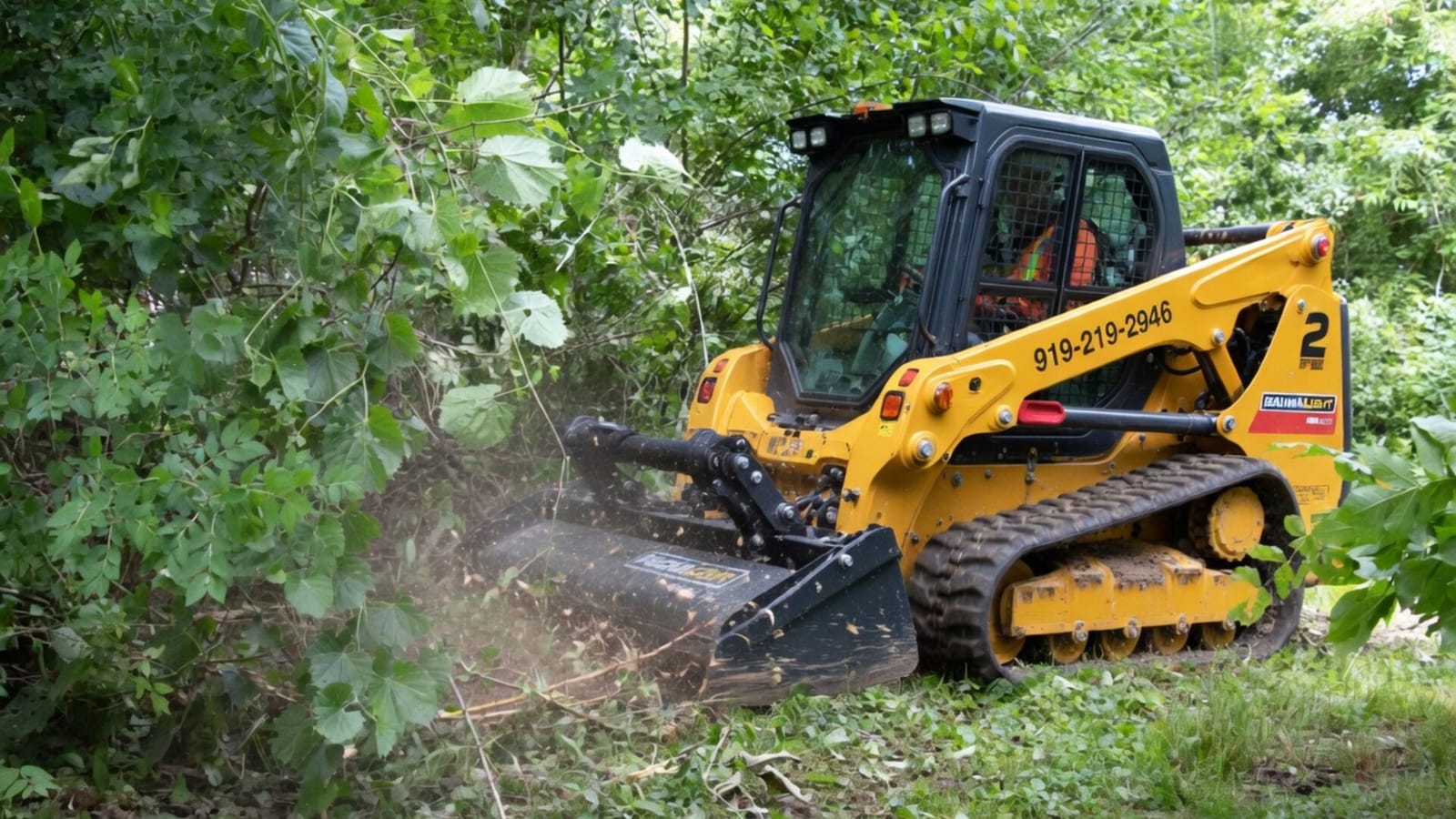
How to clear tamarisk from Colorado river bottoms and ditch banks: why one cutting fails, the clear, treat and check plan, and what it costs.
 Cost Guide
Forestry Mulching Cost in Colorado (2026 Guide)
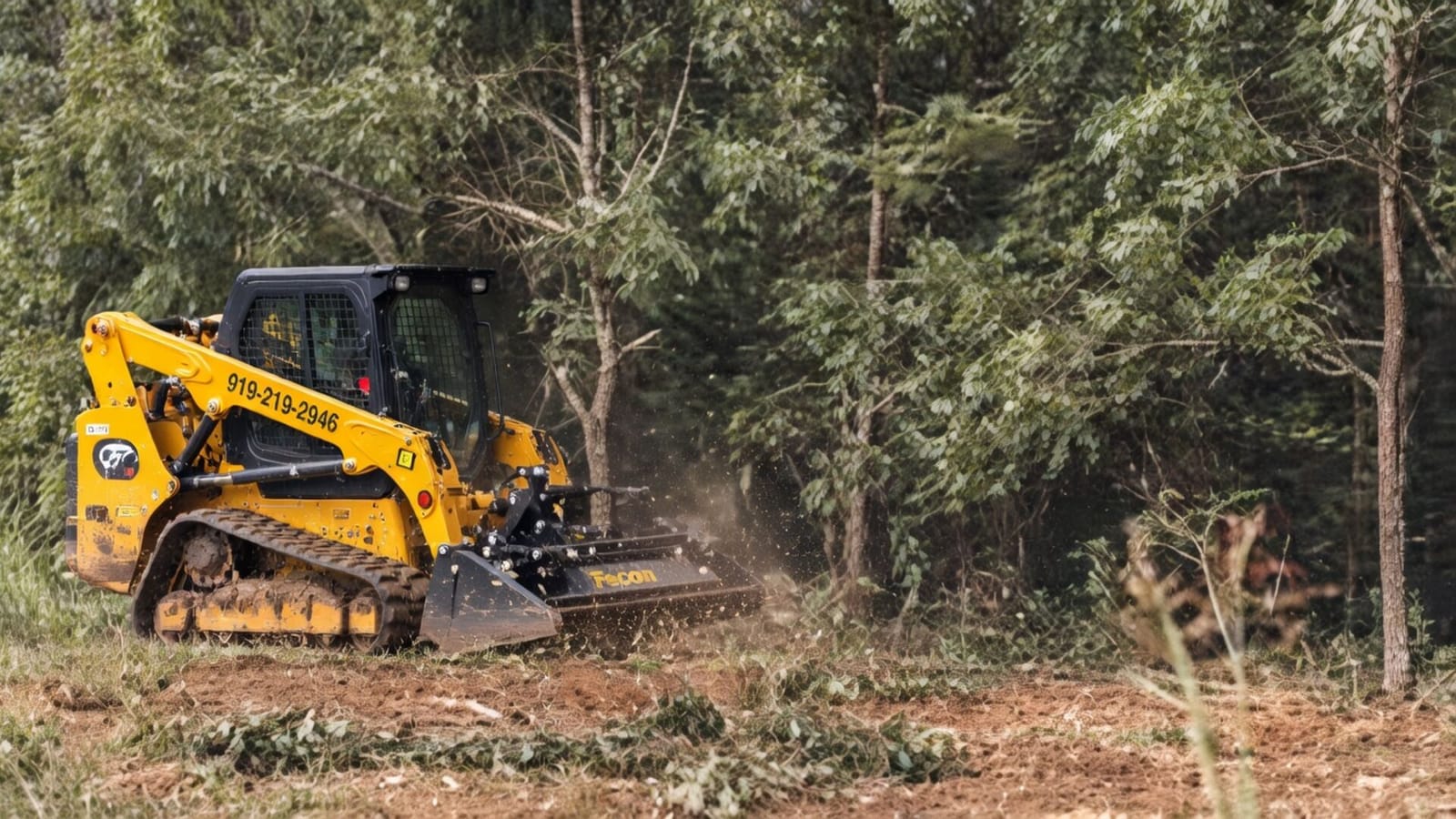
Forestry mulching runs $1,500 to $4,000 an acre with Cut Brush around Denver. See what Gambel oak, foothills granite and beetle pine do to a Colorado job.
Let's Get Started on Your Land
Request a free quote. We'll contact you to discuss your property, access, and the clearing you need.
Get a Free QuoteOr call us directly: (919) 525-3950
 Quick answers from Cut Brush