
Palmetto Removal Cost in Florida (2026 Per-Acre Guide)
Cut Brush Team · August 26, 2026 · 8 min read

You bought an acre in Silver Springs Shores or Ocklawaha, walked the property line, and hit a wall of saw palmetto taller than your truck hood. Now every contractor you call gives you a different number, and half of them will not touch it at all. Palmetto removal cost is the question behind most clearing quotes in Marion County, because palmetto is what actually covers the ground on Central Florida flatwoods lots. It is not brush you can mow. It is a woody plant with a massive underground root system, and the method you pick decides whether it stays gone or comes back in two summers.
This guide covers what palmetto clearing costs per acre around Ocala by density, the difference between mulching, root raking, and grubbing, why lawn crews and rented equipment fail at it, and the one wildlife check every palmetto lot needs before a machine touches it.
How Much Does Palmetto Removal Cost in Florida?
Palmetto removal in the Ocala area runs $1,500 to $4,500 per acre, depending on how thick the palmetto is and whether you want it cut to the ground or removed roots and all. Cutting and mulching sits at the low end. Pulling the root mass for pasture or lawn conversion sits at the high end.
Here are the typical planning ranges across the Ocala and Marion County area we cover:
| Palmetto density | What it looks like | Mulch to grade | Cut plus root removal |
|---|---|---|---|
| Light – scattered clumps | Open pine, palmetto in patches | $1,500 – $2,000 / acre | $2,000 – $2,800 / acre |
| Moderate – 25 to 50% cover | Typical flatwoods understory | $1,800 – $2,500 / acre | $2,500 – $3,500 / acre |
| Dense – continuous stand | Waist-high solid palmetto | $2,200 – $3,000 / acre | $3,000 – $4,500 / acre |
Two notes on those numbers. First, small parcels carry a practical floor near $1,500, which is what trailering a machine to any site costs. Second, these ranges match the planning ranges in our Ocala pricing guide, where palmetto flats sit at the bottom of the mulching band and full removal work climbs toward the top of the land clearing band.
Why Is Saw Palmetto So Hard to Clear?
Because the plant you see is the small half of it. Saw palmetto grows from a thick horizontal stem that creeps along and below the ground, anchored by a dense mat of fibrous roots. A mature stand is essentially a woody log field hiding under green fans.
That structure explains the pattern every Marion County landowner has seen:
- Bush hogging fails. A rotary cutter shreds the fans, the rhizome stays, and the stand grows back thicker within a season or two.
- Fire fails. Palmetto is adapted to Florida’s fire cycle. Burning the tops actually stimulates fresh growth from the protected stem.
- Light equipment fails. The saw-toothed leaf stems and springy trunks eat mower blades, belts, and hydraulic lines on machines built for grass.
Palmetto shares the flatwoods understory with gallberry, wax myrtle, and wiregrass, and it concentrates hardest on the flatter, poorly drained ground common east of Ocala toward Fort McCoy and Ocklawaha. If your lot is solid palmetto, that tells you something about the soil under it too.
Pro tip: In Marion County, a dense unbroken palmetto stand usually flags the wetter end of a parcel. Before you spend money clearing it for a homesite, note where the palmetto is thickest – that is often the spot that holds water in the June-to-September wet season, and it may be better left as buffer than built on.
Mulching vs Root Raking vs Grubbing: What Each One Buys You
The three professional methods differ in how much of the root system leaves the ground, and that is exactly what you are paying for.
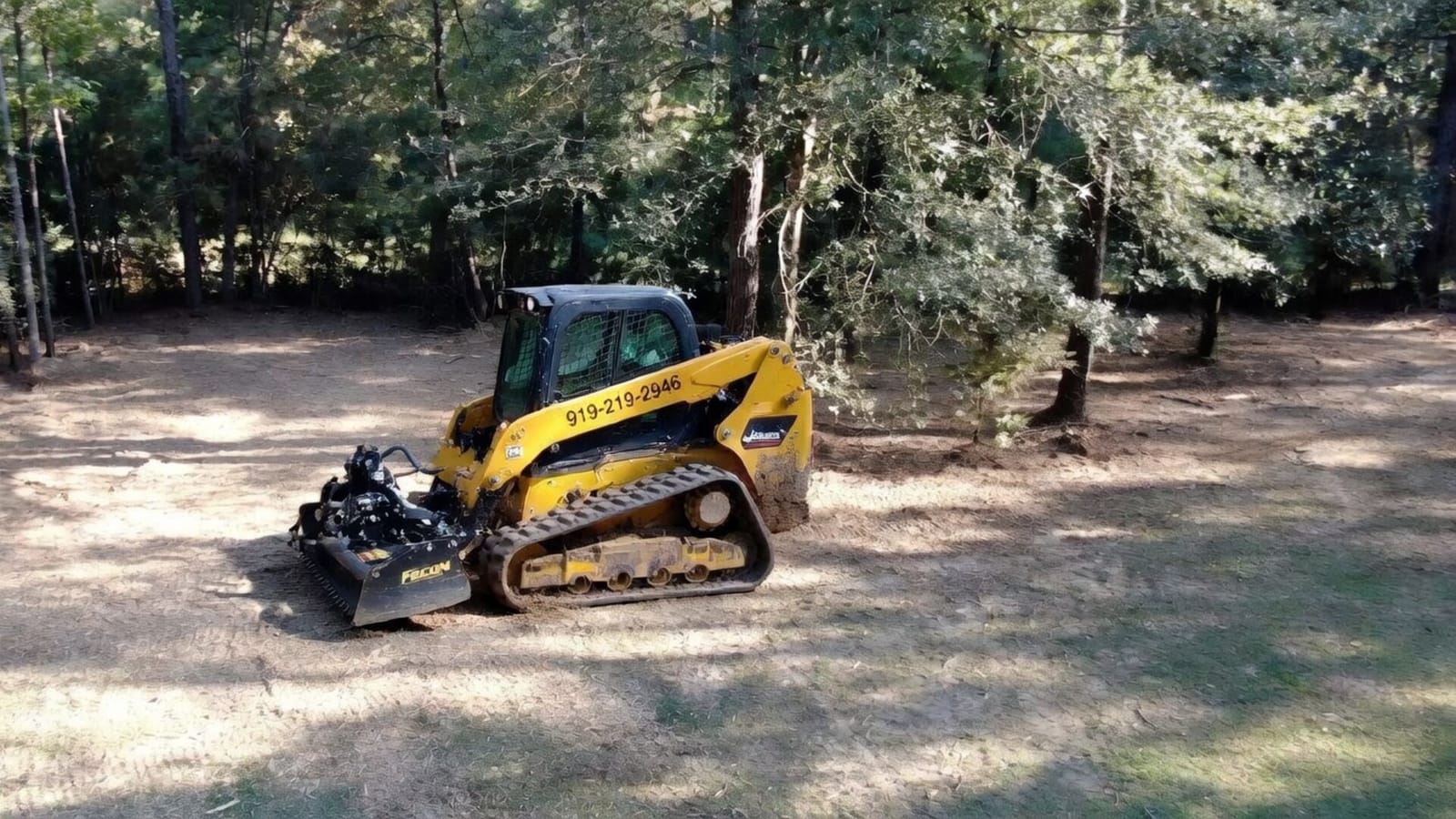
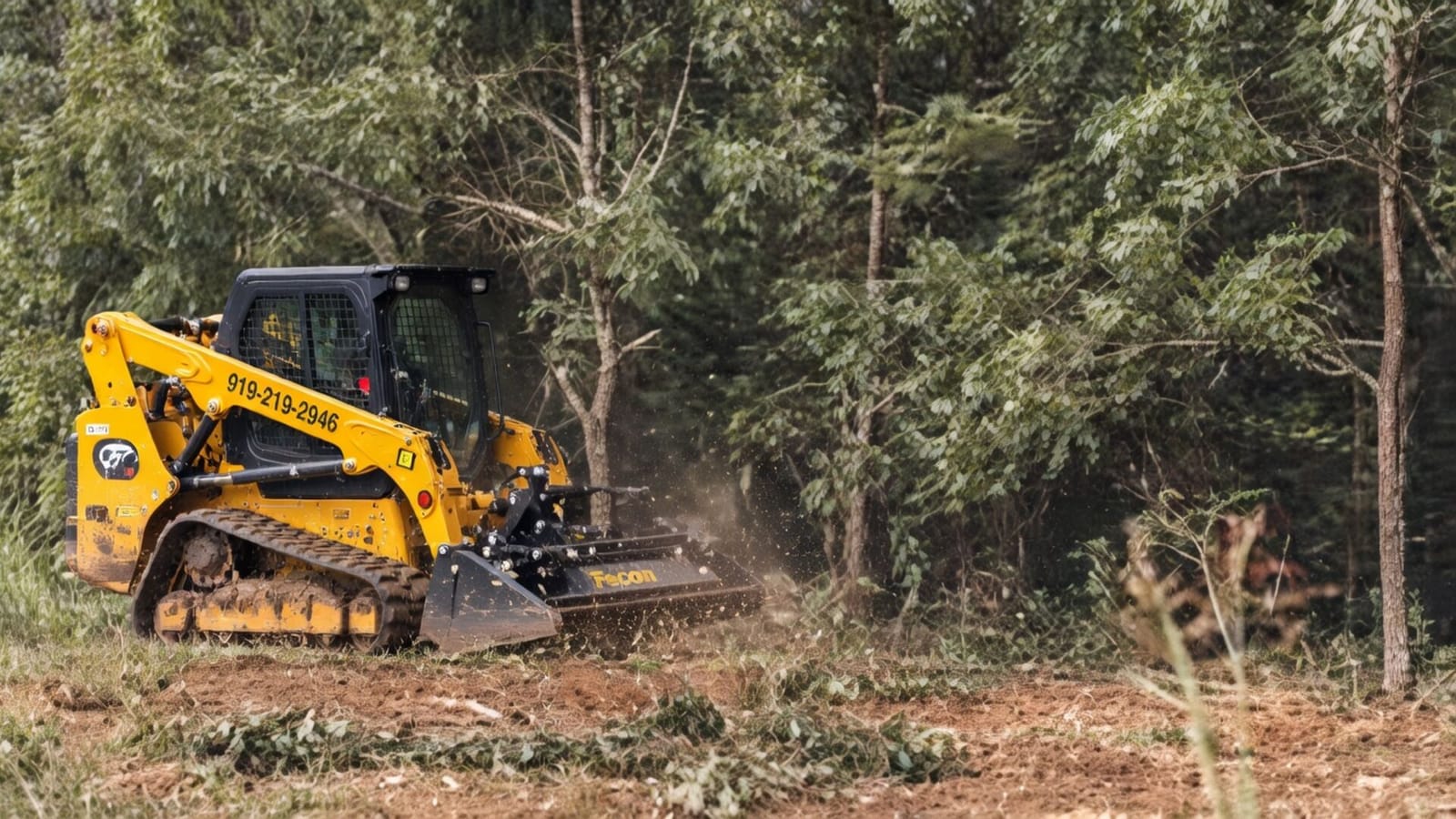
Forestry mulching ($1,500 – $3,000 per acre on palmetto). A tracked machine with a drum head grinds the fans and stems into mulch at ground level in a single pass. It is the fastest and cheapest way to open up a palmetto lot, there is no debris pile and no burning, and the mulch mat protects the sandy soil. The trade-off: rhizomes remain, so expect regrowth that needs periodic re-cutting. Ideal for view corridors, trails, fire-risk reduction, and lots you are not converting to turf. See the Ocala forestry mulching page for how the process works.
Root raking ($2,000 – $3,500 per acre). After cutting, a toothed rake on a dozer or skid steer combs the top layer of soil, pulling rhizomes and root mats into windrows for disposal. It removes most of the regrowth potential while keeping soil disturbance moderate. This is the usual middle path for pasture edges and future lawn areas.
Grubbing ($3,000 – $4,500 per acre). An excavator or heavy rake digs out the full root mass. It is the only method that gets you close to zero regrowth, and it is what a build-ready building pad or a horse pasture conversion needs. It costs the most because it moves the most material and usually includes piling or hauling. This falls under full land clearing in Ocala.
For how palmetto pricing fits into whole-parcel numbers by vegetation type, our Florida land clearing cost per acre guide breaks down the complete table.
Why DIY and Lawn Crews Come Up Short
Every week someone in Belleview or Summerfield rents a skid steer or hires a mowing crew to “knock down the palmettos,” and every summer the palmettos come back. The reasons are predictable.
Rental equipment is the wrong tool. A standard brush cutter attachment bogs down in mature palmetto, and the rental bill runs $350 to $500 a day while you fight it. Most owners spend a full weekend clearing what a forestry mulcher finishes in two hours.
Lawn crews price by mowing math. A crew quoting palmetto like tall grass either walks off the job halfway through or destroys their machine trying. Neither outcome clears your lot.
Hand clearing is brutal. The leaf stems are lined with sharp teeth (the “saw” in saw palmetto), the root crowns need a mattock or mini excavator, and one acre of dense stand can hide hundreds of them.
The honest math: paying $1,800 to $2,500 for a moderate acre done right, once, usually beats two rounds of cheap work that has to be redone.
Check for Gopher Tortoises Before You Clear Palmetto
Palmetto scrub and sandy flatwoods are prime gopher tortoise habitat, and the tortoise is state-listed as Threatened in Florida. Development activity that disturbs ground within 25 feet of a potentially occupied burrow generally requires FWC authorization, and tortoises must be relocated under permit before that area is cleared.
This matters on palmetto lots specifically because burrow entrances hide under the fans. Walk what you can before quoting day, and expect your contractor to flag anything that looks like a burrow apron. Our full gopher tortoise rules guide for Ocala walks through the 25-foot rule, preliminary checks, and when an FWC authorized agent gets involved. Budget-wise, a burrow usually changes the schedule and the clearing boundary more than the per-acre rate.
Frequently Asked Questions
What does it cost to clear 1 acre of palmettos?
Between $1,500 and $4,500 in the Ocala area. A light-to-moderate acre mulched to grade typically lands between $1,500 and $2,500, while a dense acre with full root removal can reach $4,500. The two numbers that move your quote most are palmetto density and whether the roots come out. A walk-through by a local contractor gets you one firm written number; get a free quote and we respond within 24 hours.
Will palmettos grow back after clearing?
After mulching alone, yes – the rhizome survives and sends up new fans, usually within one to two growing seasons. After root raking, regrowth drops to scattered sprouts you can spot-treat. After grubbing, regrowth is minimal. Match the method to the land’s future use: mulch for trails and fire breaks near Fort McCoy, grub for a building pad in Silver Springs Shores.
How do you clear palmettos from land without burning?
Mechanically. A forestry mulcher grinds standing palmetto into ground cover in one pass, with no debris pile, no smoke, and no Florida Forest Service burn authorization to arrange. That matters here because open burning in Florida carries setback and authorization rules, and mulching skips the whole question.
Is it cheaper to clear palmettos in the dry season?
Often, indirectly. From October through May, Marion County gets roughly 2 to 3 inches of rain a month versus 6 to 8 or more in summer, so machines work faster on firm ground, especially on the poorly drained flatwoods where palmetto grows thickest. Flexible scheduling in the dry months tends to land quotes at the low end of their range.
Can I just bush hog palmettos every year instead?
You can, but you are renting the result, not buying it. Annual knockdown mowing keeps fans low but never shrinks the root system, so the cost repeats forever and the stand stays ready to rebound. For land you plan to use – pasture in Anthony, a homesite in Weirsdale – removal with root work is the one-time fix.
Do gopher tortoises stop a palmetto clearing job?
Usually they reshape it rather than stop it. Burrows found on site get a 25-foot protection zone, and work inside that zone waits on FWC permitting and relocation while the rest of the parcel proceeds. The details are in our Ocala gopher tortoise clearing guide.
Get Matched With a Palmetto Removal Contractor in Ocala
Palmetto removal cost comes down to three questions: how dense is the stand, do the roots come out, and can the machine reach it. Once a local contractor walks your parcel, those questions have answers and you get one written number instead of a range. Cut Brush connects owners across Marion County, from Silver Springs Shores and Belleview to Dunnellon, Citra, and the rural east side, with local contractors who run equipment built for exactly this vegetation.
Compare methods against our Ocala pricing guide, then get a free quote. We respond within 24 hours, and the contractor we match you with walks the property with you and prices the job in writing before the work starts.
Related Services
Learn more about the services mentioned in this article.


More from the Cut Brush Blog
Keep reading for more tips and guides on land clearing.
 Cost Guide
 Land Clearing Cost Per Acre in Florida (2026 Guide)
Land clearing cost per acre in Florida runs $1,500 to $4,500. See 2026 Ocala and Marion County pricing by vegetation type, then get matched with a local pro.
 Guide
Guide Gopher Tortoise Rules Before Clearing Land in Ocala
What Ocala and Marion County owners should know about the 25-foot gopher tortoise rule, preliminary checks, FWC permits, and authorized agents.
 Guide
Guide Brazilian Pepper Tree Removal in Florida: Owner's Guide
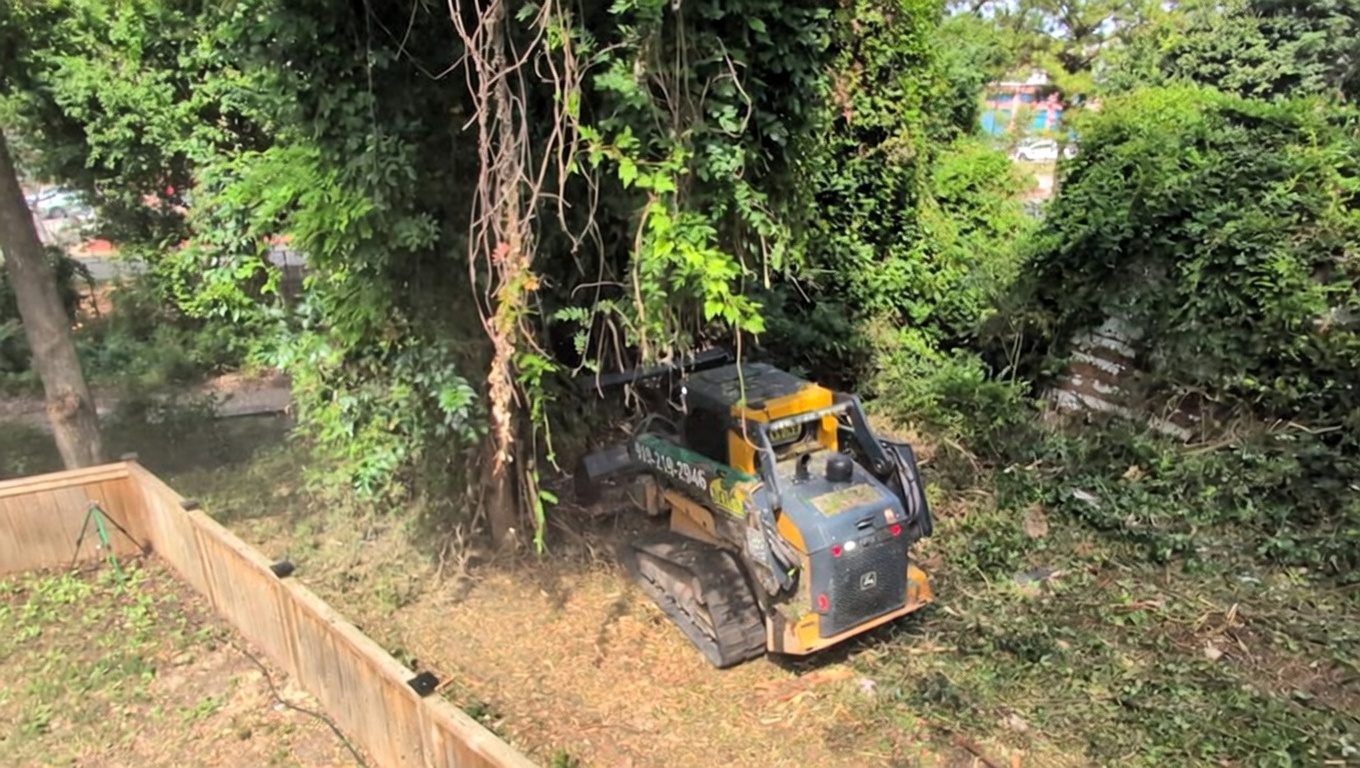
Brazilian pepper tree removal in Florida: how to identify, kill, and clear this invasive from Ocala fence lines and pastures. Get matched with a local pro.
Ready for a Free Quote?
Get a free, no-obligation quote from a qualified local contractor in Ocala & Marion County. Cut Brush will connect you with the right local expert.
Get Your Free QuoteOr call us directly: (919) 525-3950