
Why One Mulching Pass Doesn't Finish a Reverted West Michigan Field
Cut Brush Team · September 12, 2026 · 5 min read
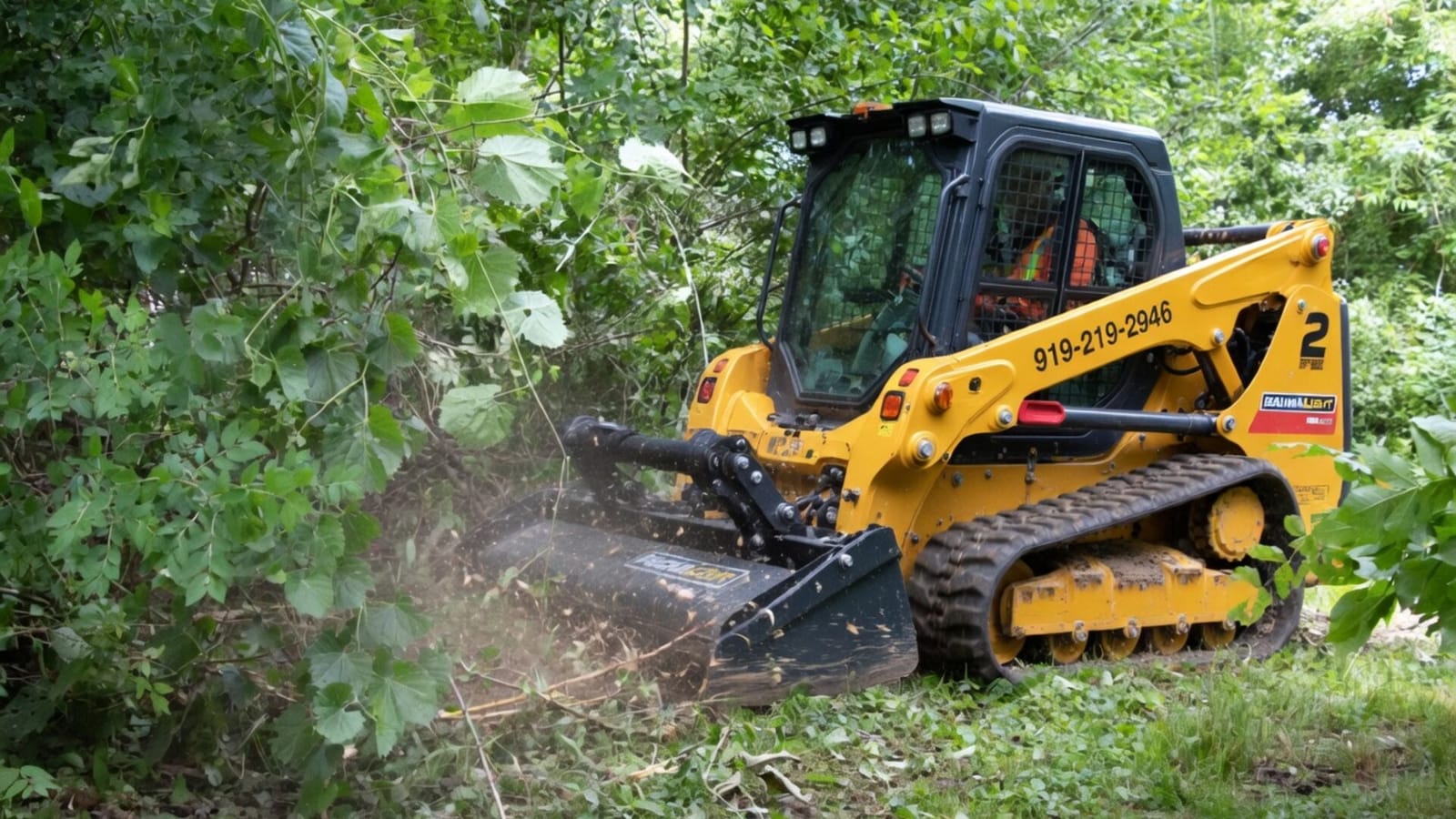
A West Michigan field left idle for ten or twenty years does not go back to grass on its own; it grows a thicket, and one forestry mulching pass through that thicket knocks it down without ending it. Around Grand Rapids, that thicket is almost always some mix of autumn olive and glossy buckthorn, and both of them are built to come back from a cut stump. The question worth answering before you book a mulcher is not what the shrub is called. It is why a field that looked clear on the day the machine left can look half-grown-in again eighteen months later, and what a quote should do about that in advance.
Why Did This Field Grow a Thicket in the First Place?
Most reverted fields around West Michigan were pasture, hay ground or row crop within living memory. Once that use stops, a field does not sit empty. Autumn olive is part of the reason: conservation programs planted it widely across Michigan for erosion control and wildlife food starting mid-century, and it is now established statewide, spreading fastest in exactly this kind of open, disturbed ground (michigan.gov/invasives). Glossy buckthorn moves into the same reverted ground on its own, without having been planted, and often ends up growing in and around the autumn olive rather than instead of it.
Both shrubs like exactly the conditions a former farm field offers: full sun, disturbed soil, and no competition from a closed forest canopy. A field abandoned in the 1990s is, by 2026, often a solid decade or two into that succession, which is long enough for either shrub to have gone from scattered seedlings to a closed thicket eight to fifteen feet tall.
The Mechanism: Two Ways the Ground Fights Back
This is the part that actually decides how the job gets scoped, and it has nothing to do with identifying which shrub is which.
The stump resprouts. Cut either shrub at the base and the root system does not die with it. Both autumn olive and glossy buckthorn send up new shoots from the cut stump, a habit MNFI’s own control guidance treats as reason enough to plan a follow-up before the first cut is even made (MNFI). A mulching head that grinds the standing growth to the ground does not touch that root system underneath. A field mulched once looks clear for a season. By the following summer, the same root crowns are pushing up a ring of new stems, thinner than before but numerous.
The seed bank waits underground. Years of fruiting shrubs have already dropped seed into the soil, and West Michigan’s sandy, well-drained ground (much of Kent and Ottawa counties sits over glacial outwash sand plains left by the retreating glaciers) does not hold that seed in a way that smothers it. Clearing the standing thicket opens sunlight to the ground, which is exactly what dormant seed needs to germinate. So a field can grow a second flush of seedlings from seed that was already there, entirely separate from the stumps resprouting.
Put together, one pass answers “is the standing growth down” and leaves both of those questions open. That is why a written quote for a reverted field states two line items rather than one: the initial knockdown, and a return visit on the regrowth, usually a season or two later while the resprouts and seedlings are still small and cheap to handle.
What This Means for Scoping the Job
A field that has been idle for two or three years is a different job from one idle for fifteen. The newer the reversion, the more of the work is still grass and light brush, and the less of it is established, woody-stemmed shrub. An older field is denser, slower to mulch per acre, and more likely to need that second pass regardless of how thoroughly the first one is done.
None of this means mulching is the wrong tool. It is still the fastest way to open a closed thicket back to walkable, usable ground in a single visit, and the chip mat it leaves behind covers bare sand that would otherwise be prone to erosion and fast regrowth. What it means is that “one and done” is the wrong expectation for a reverted field specifically, in a way it usually is not for a field still in light, regular use.
Setting Up the Return Pass
The return pass is not a sign the first one failed. It is the cheaper half of a two-part job: knocking back regrowth and pulling small seedlings by hand or with light equipment costs a fraction of re-clearing a closed thicket from scratch, and it is far easier to schedule while the growth is still short. Fields that skip the return pass and get left alone again are usually most of the way back to a thicket within five years.
Whether the return pass needs a herbicide follow-up on cut stumps is a separate decision from the mulching work itself. Cut Brush does not apply herbicide; where an owner wants that step, it is arranged with a licensed applicator, typically timed for late summer or fall.
Frequently Asked Questions
Will mulching kill autumn olive and glossy buckthorn permanently?
Not by itself. Mulching removes the standing growth in one visit, but both shrubs resprout from the cut stump, and a seed bank in the soil can start a second generation from seed alone. A return pass on regrowth is the second half of the job, not an optional extra.
How long can I wait between the first pass and the return pass?
A season or two is typical. Waiting longer lets resprouts and seedlings get taller and more established, which raises the cost of the second visit; waiting a year or two less generally keeps it cheap.
Does a newly idle field need the same two-pass approach?
Usually less of one. A field idle for two or three years has less established shrub growth and a smaller seed bank than one idle for fifteen, so the first pass alone often gets it further toward a finished job.
Talk Through Your West Michigan Field
Every reverted field carries its own history, so the two-pass question above is a starting point, not a finished plan for your ground specifically. See the full service area on our Grand Rapids land clearing page, what mulching and clearing cost on our Grand Rapids pricing guide and our forestry mulching cost guide, read what each clearing method actually does on our Grand Rapids services page, then request a free walk-through and we will look at the ground with you.
More from the Cut Brush Blog
Keep reading for more tips and guides on land clearing.
 Cost Guide
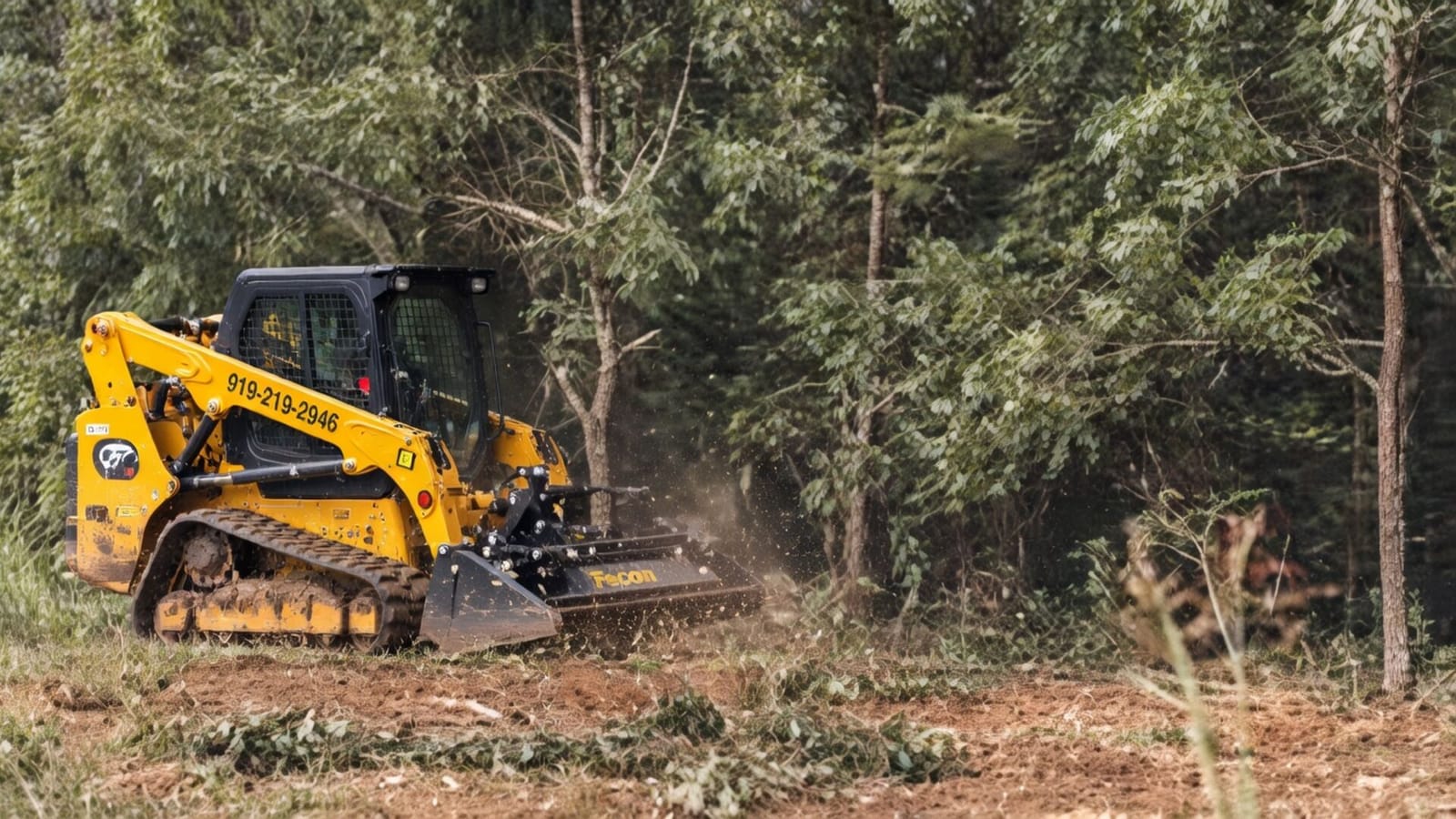
 Forestry Mulching Cost in Grand Rapids, MI (2026)
Forestry mulching around Grand Rapids runs $1,500 to $4,000 per acre. See what a reverted field, water proximity and access do to the hours on your land.
 County Guide
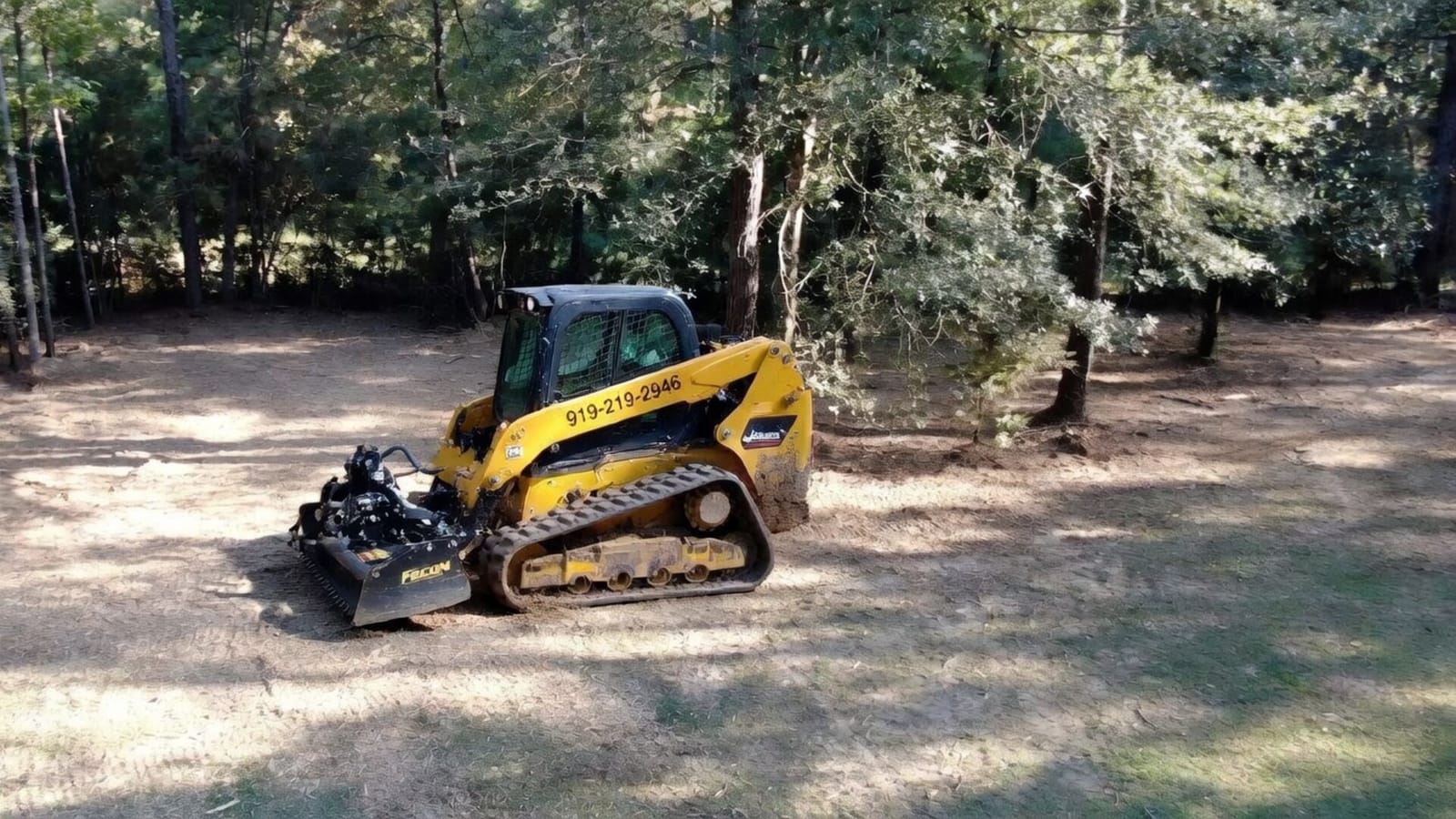
 Land Clearing Permits in Grand Rapids & Kent County, MI (2026)
Do you need a permit to clear land near Grand Rapids? Michigan's Part 91 triggers on acreage or water proximity, and the enforcing office splits by city.
Cost Guide Land Clearing Cost Per Acre in Michigan (2026 Guide)
Land clearing cost per acre in Michigan runs $1,500 to $4,500. See how old-field reversion, water proximity and disposal move the number statewide.
Ready to Get Started on Your Land?
Get a free, no-obligation estimate for property in Grand Rapids & West Michigan.
Get Your Free QuoteOr call us directly: (919) 525-3950