Three Things That Decide a West Michigan Job
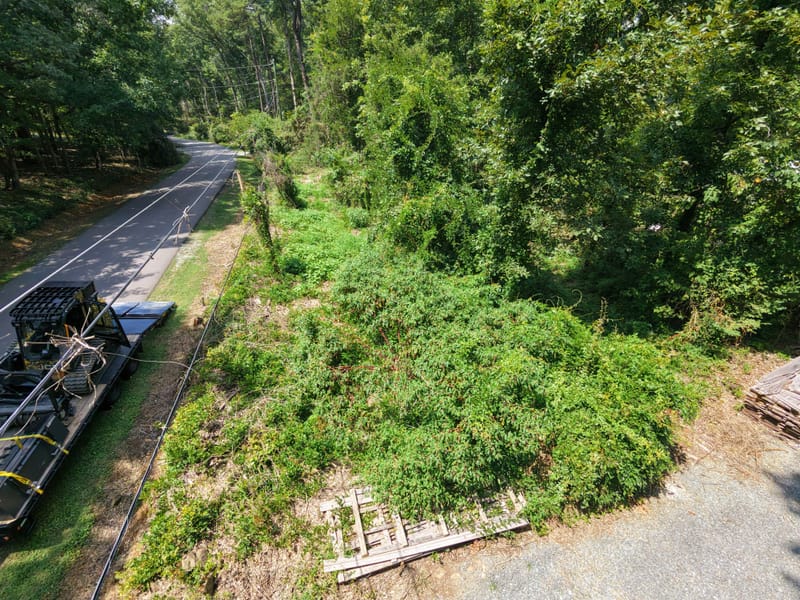
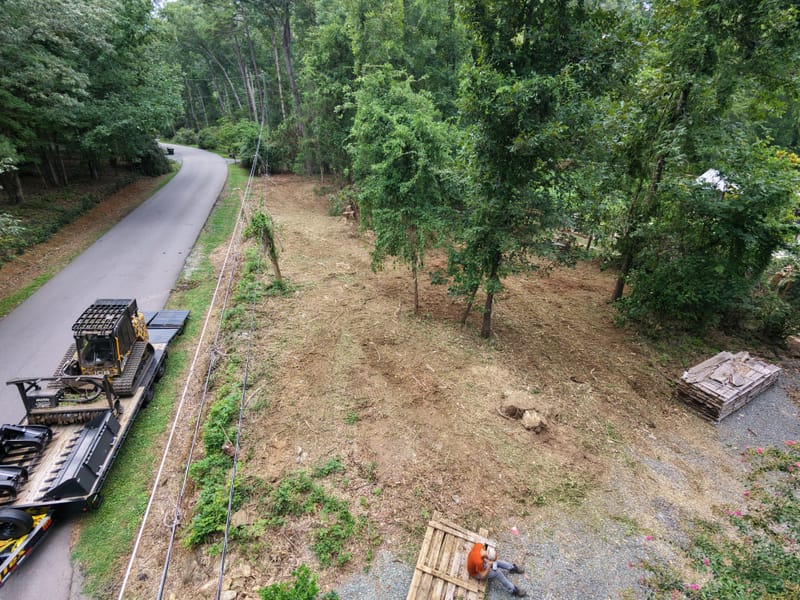
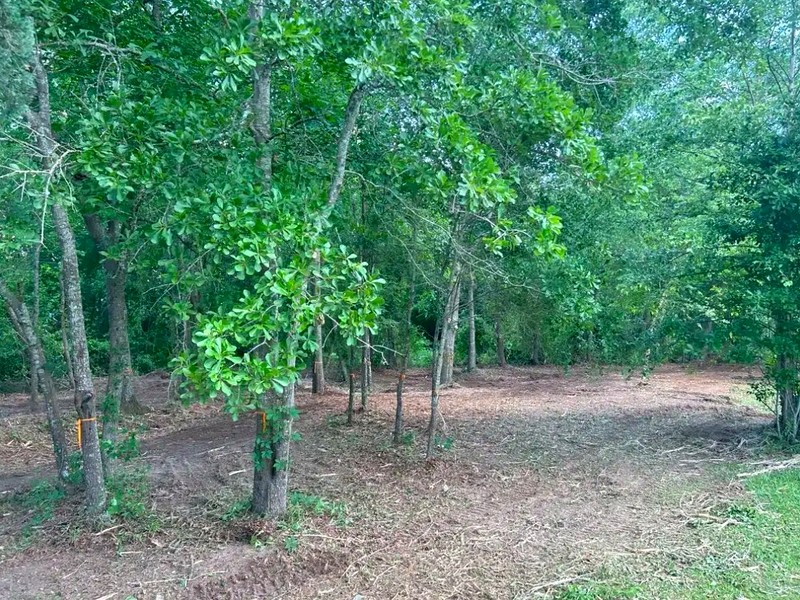
A reverted field does not finish in one pass. This is the ground that makes a
West Michigan job different from a straightforward woodlot. Autumn olive was planted deliberately
across Michigan for erosion control and wildlife cover, and it now dominates old pastures and
field edges statewide (michigan.gov/invasives).
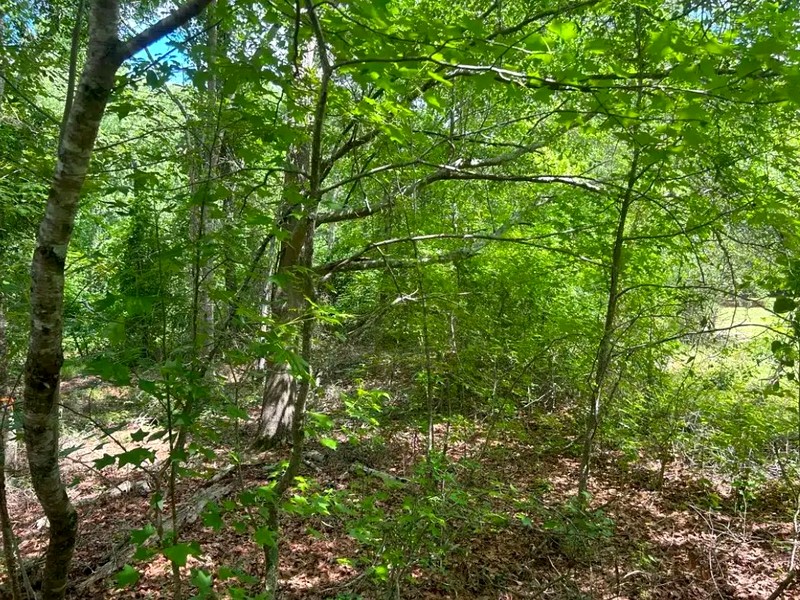
Glossy buckthorn moves into the same reverted ground and resprouts vigorously once cut
(MNFI).
Both shrubs come back from the stump, and a seed bank already sits in the sandy ground
underneath, so a written quote separates the knockdown pass from a return pass on regrowth
rather than promising one visit ends it.
The 500-foot water line catches rural clearing as often as the acre line does.
Michigan's Part 91 soil erosion rule triggers a permit at one acre of disturbance, or any ground
disturbance within 500 feet of a lake or stream, whichever comes first. With the Grand,
Thornapple, Rogue and Flat rivers running through this service area, and Barry County's lakes,
a lot of rural acreage sits inside that 500-foot band well before it reaches an acre. Requirements
vary by parcel and the governing authority decides.
Grand Rapids runs its own program; most of Kent County does not. Kent County
Road Commission administers Part 91 for Kent County, except the cities of Grand Rapids, Kentwood,
Rockford and Walker, which enforce their own soil-erosion programs instead of routing through the
county. Rockford is inside our service area, so a project there and a project in unincorporated
Kent County can answer to different offices even a few miles apart. The full sequence is in our
Grand Rapids and
Kent County permit guide.