

Forestry Mulching in Orlando, FL
Get a free quote from a qualified local contractor who processes understory, regrowth, and invasive stands where they stand and leaves them as ground cover, because burning cleared debris is not an option on residential ground here.
Why Choose Us
Forestry Mulching: Before & After
What the same ground looks like when the machine leaves.
One machine, one pass, material left as cover instead of stacked – example from Cut Brush’s project archive
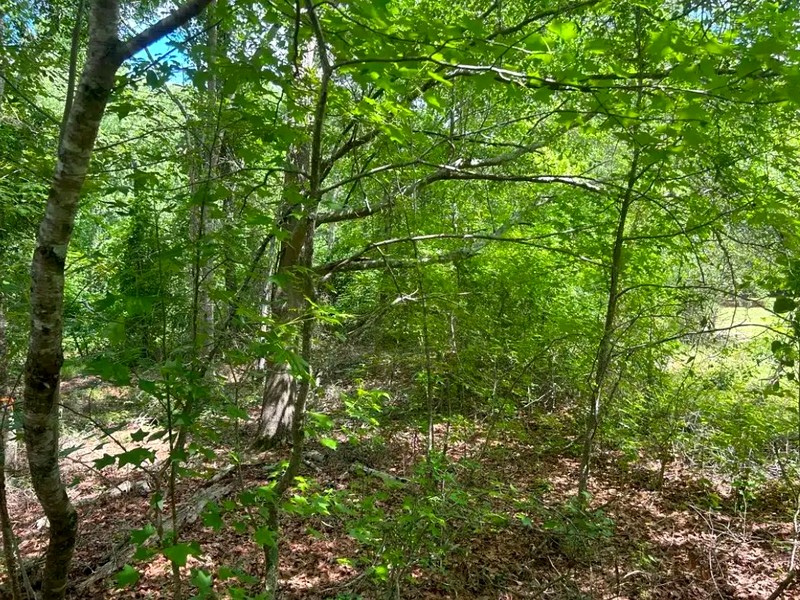
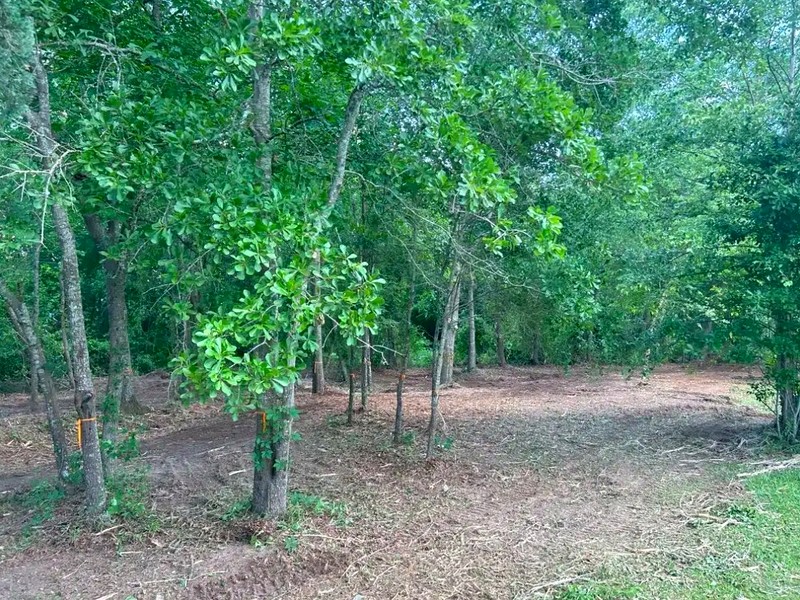
Selective work: understory off, protected canopy untouched – example from Cut Brush’s project archive
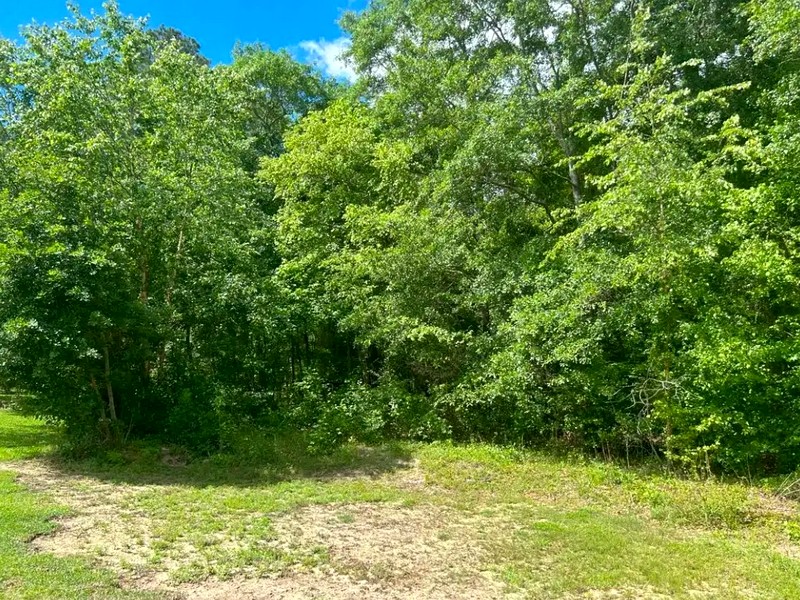
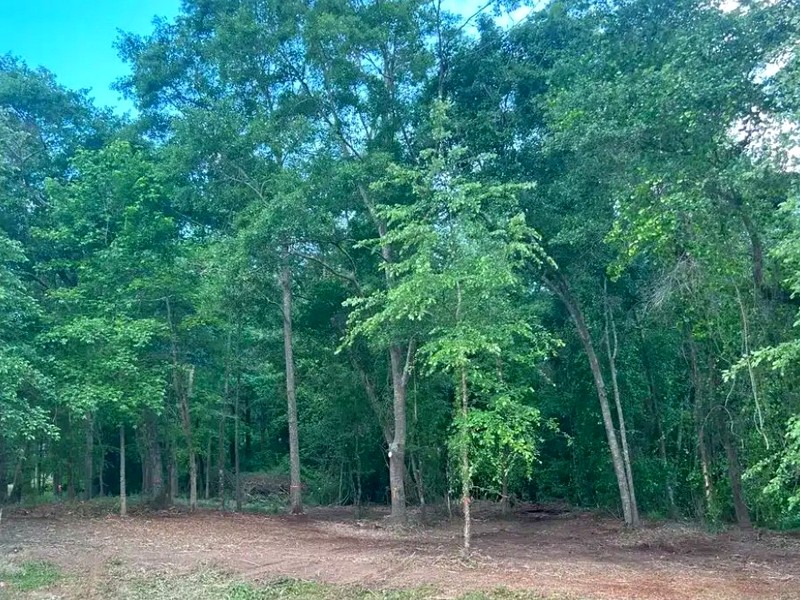
Forestry Mulching in Orlando: The Only Answer That Does Not Need Permission
Clearing a parcel produces material, and in Orange County that material is the hard part. Burning yard waste and tree-cutting debris generated on residential property is prohibited unless you use a permitted air curtain incinerator or obtain an open burning authorization from the Florida Forest Service first, and the county's own Air Quality Management section will not authorize open burning of it. Where a Florida Forest Service authorization is available at all, it is requested after 4 p.m. the day before or on the day of the burn through the Orlando District Field Unit, and it covers only vegetative debris generated at that site.
That leaves two real options. Load everything into trucks and pay for hauling and disposal, or process it where it stands. A mulching head does the second: it grinds standing growth into chips and spreads them across the ground in a single pass, with no pile to authorize, nothing to load, and no dump fee. On a residential lot in this county that is not a stylistic preference, it is the option that does not require anyone's permission.
What the Mat Does on Sandy Ground
Central Florida soil is sandy and does not hold a bare surface well. A mulch layer keeps the ground covered through the afternoon storms, breaks down into organic matter over time, and means the parcel is walkable the day the machine leaves rather than a field of exposed sand. Depth depends on how much material came off: a light understory pass leaves a thin scattering, a heavy stand leaves a substantial mat. Where the ground is going back to grass, the contractor aims thin enough for it to come through; on slopes and disturbed edges they deliberately leave more.
Where Mulching Is Not the Whole Answer
Two honest limits, and both matter here.
It does not remove stumps or set grade. The drum works at and slightly below grade. A building pad cut to grade needs clearing plus dirt work, not mulching on its own.
It does not, by itself, kill an invasive stand. Chinese tallow and camphor both come back from a cut. UF/IFAS guidance for tallow is to cut mature trees and treat the freshly cut stump with herbicide, pull immature plants by hand, and remove seedlings before they reach seed-bearing maturity, with triclopyr ester and triclopyr amine the most effective actives. Camphor responds to mowing at the seedling stage and herbicide on trees and stumps. Tallow reached almost every county in Florida after arriving as an 18th-century ornamental and grows to about 30 feet; camphor has been here since 1875. Where a parcel is genuinely infested, mulching opens it and the treatment programme keeps it open. We only work with contractors who say which one you are buying.
Selective by Default, Because the County Counts Trees
Most mulching work around Orlando is selective, and the ordinance reinforces it. Orange County requires a permit to remove any tree larger than four inches in diameter at chest height on private property, and specimen trees must be preserved where reasonable options exist, with approved removals replacing at two to one on cumulative caliper. So the sensible pattern on a wooded lot is to take the understory, the regrowth, and the invasives while leaving the canopy the county protects and the owner usually wants anyway.
That is slower per acre than clearing wall to wall. It is also the version that produces a property people are still happy with, and it keeps the permit conversation small.
Where the Growth Is
The metro's expansion is happening at its edges: Osceola and Lake were again among Florida's fastest-growing counties in 2025 while Orange and Seminole ran net outflows to them, and Osceola has grown 70% across twenty years. Sunbridge alone spans 27,000 acres across Orange and Osceola with nearly 30,000 homes planned, and Horizon West carries over 10,000 approved homes across five villages. Most of that ground gets opened before anything is built on it, and increasingly it gets opened without a burn pile in sight.
How Forestry Mulching Works
Three steps from overgrown to usable, with a written number before any machine moves.
Request Your Free Quote
Acreage, what is growing on it, whether tallow or camphor are in the mix, and what you want the ground for. That is enough for us to match you with the right local contractor, and we get back to you within 24 hours.
Review Your Written Quote
We match you with the most qualified local contractor. On the walk they put a tape on the trees first, because the county counts from four inches, split what a single mulching pass finishes from what needs stump treatment to stay gone, and quote in writing for a result rather than an activity.
One Pass, Then You Walk It
Your matched contractor processes growth where it stands and leaves it as a mat: no pile, so no burning authorization, no trucking, and no disposal fee. You walk the finished ground with the protected canopy still standing, and where tallow or camphor were part of the job you leave knowing what the treatment schedule looks like.
Why Property Owners Choose Cut Brush
The right local contractor for the ground, straight answers on the rules, and land you can use when the job is done.
No Burning Authorization Needed
Residential debris burning is prohibited here without an incinerator or a state authorization the county will not grant. Mulching sidesteps the whole process.
Selective Around Protected Trees
The county permits removal from four inches DBH and protects specimen trees. Working around the canopy that is staying keeps the permit conversation small.
Cover on Sandy Soil
Bare sand does not hold through a Central Florida storm. The mat keeps the surface in place and adds organic matter as it breaks down.
Honest About Invasives
Chinese tallow and camphor return from a cut. We only match you with contractors who name what the stump treatment and follow-up involve rather than selling a pass that regrows.
No Trucks on Your Drive
Hauling means loaders, trailers, and repeated trips down whatever approach you have. Mulching is one machine and one visit.
Usable the Day the Machine Leaves
No pile waiting on an authorization that is not coming, and no stripped sand. The parcel is walkable when your matched contractor pulls out.
Get a Free Forestry Mulching Quote
Request a free quote and the most qualified local contractor will take it from there, starting with a written price. Want the ranges first? Start with the Orlando, FL pricing guide.
Request a Free QuoteRelated Services
If the project is bigger than forestry mulching, the local experts we work with cover the rest of the Orlando Area too.


Forestry Mulching Across the Orlando Area
We match property owners with forestry mulching contractors in these Orange, Osceola, and Seminole County communities, plus south Lake County.
Forestry Mulching FAQ
Ready to Put Your Land Back to Work?
Get a free quote from a qualified local forestry mulching contractor in Orlando & Central Florida. Cut Brush will connect you with the right local expert.
Get Your Free QuoteOr call us directly: (919) 525-3950