

Land Clearing in Orlando, FL
Tell us about your lot, homesite, or acreage in Orange, Osceola, or Seminole County. We match you with the most qualified local contractor, who settles the four-inch tree rule and the disposal question before quoting.
Why Choose Us
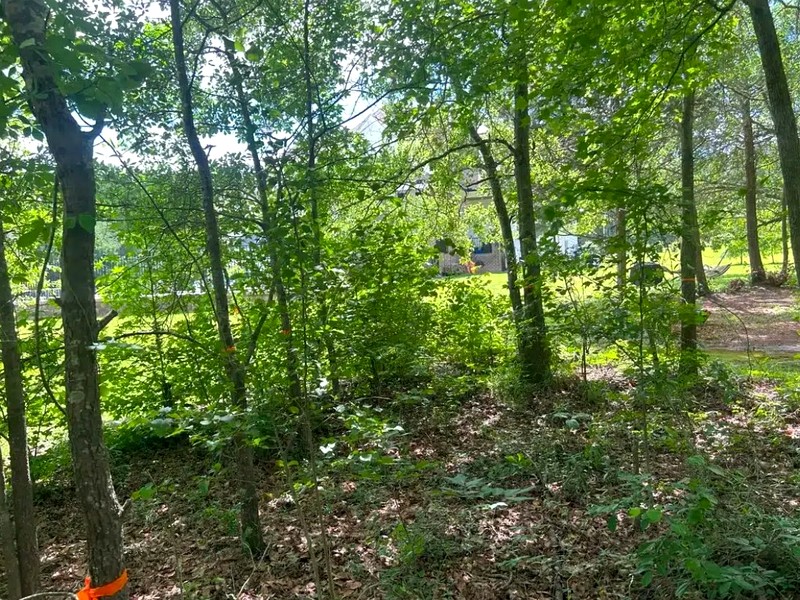
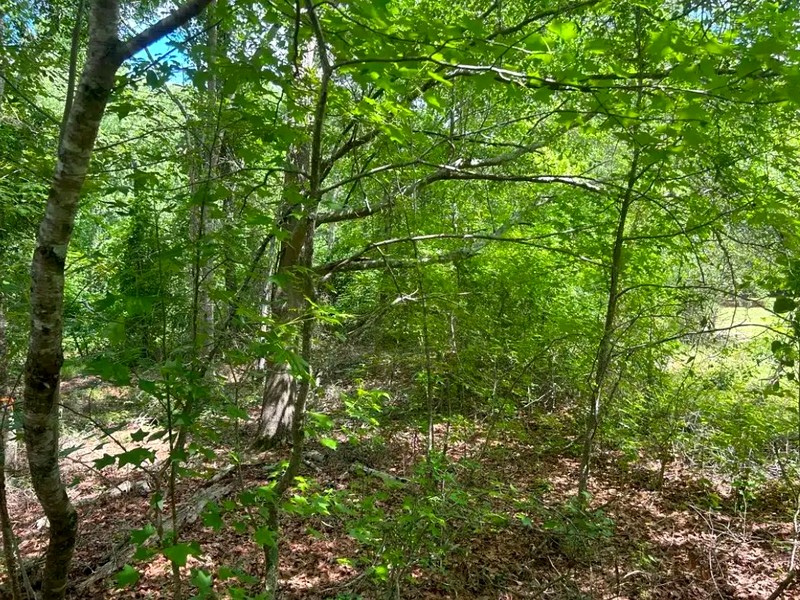
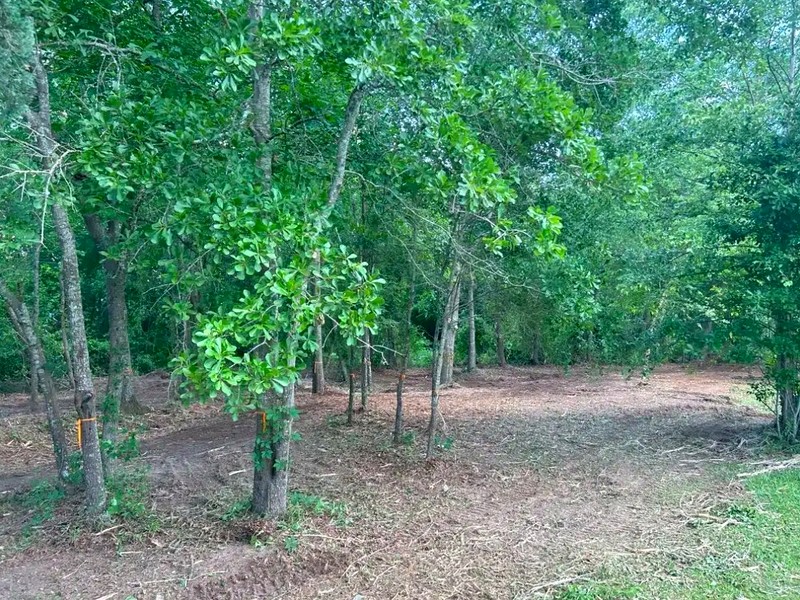
Land Clearing: Before & After
What the same ground looks like when the machine leaves.
Standing growth to usable ground, material left on site as cover – example from Cut Brush’s project archive
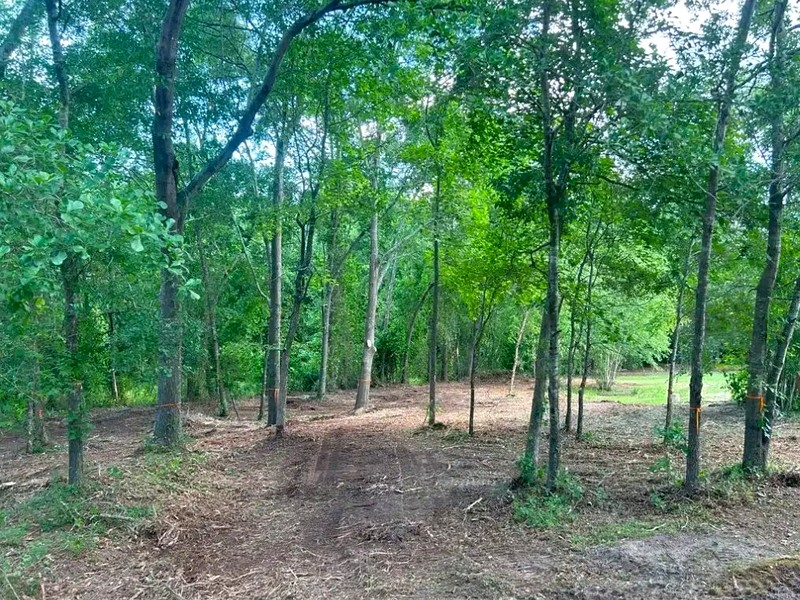
No pile to authorize and nothing to haul away – example from Cut Brush’s project archive
Land Clearing in Orlando: The Survey Comes Before the Machine
In most places a clearing job starts with a conversation about density and access. In Orange County it starts with a tape measure. The county requires a permit to remove any tree larger than four inches in diameter at chest height on private property, which is a low enough bar that on a wooded parcel it turns the tree survey into the first real step rather than a formality. Permit fees run $25 per acre for private residential removals and $50 per acre for commercial, and applications identify every regulated tree by site location, diameter at breast height, and common name.
Specimen trees carry more weight again. Reasonable efforts must be made to preserve them, and a permit to remove one is granted only where conditions leave no reasonable option. Where the zoning manager does approve a specimen removal, replacement runs at two to one, cumulative caliper installed against cumulative diameter removed. None of that makes a project impossible. It does mean the plan has to be built around what is standing, which is why the contractor we match you with measures and flags during the walk-through. Cut Brush is not the permitting authority and neither is the contractor we match you with: we explain what commonly applies and point you to the county desk that makes the determination.
Why So Much Ground Around Orlando Is Being Opened
All four counties in the metro added residents in 2025, but the pressure moved outward. Osceola and Lake were again among the fastest-growing counties in Florida while Orange and Seminole fell below the national rate, and both of the inner counties ran net population outflows to their neighbors. Osceola has grown 70% over twenty years from a base near 460,000 residents and is projected to pass 700,000 by 2050. The build-out is visible: Sunbridge spans 27,000 acres across Orange and Osceola with nearly 30,000 homes, 5,000-plus hotel rooms and 8.5 million square feet of commercial space planned; Horizon West in southwest Orange County carries over 10,000 approved homes across five villages plus a two-million-square-foot town center; Lake Nona covers 17 square miles and is the best-selling master-planned community in the state. Nearly $5 billion of expressway and connector work is underway around them.
The Work the Local Experts Take On
- Homesite and lot clearingBuilding footprint, drive, and utility corridor opened with the protected and specimen trees identified and flagged before anything starts.
- Acreage and tract workMulti-acre clearing planned around the tree permit and the disposal question, which here is the constraint that actually shapes the schedule.
- Invasive removalChinese tallow and camphor taken out with the follow-through that stops them returning, rather than cut and left to resprout.
- Sale preparationLand a buyer can walk shows differently from land they cannot, and on an edge-of-metro parcel that difference is what a listing photograph is made of.
The Disposal Question Is the Local Constraint
In much of the country, burning is at least an option some of the time. In Orange County it effectively is not. Burning yard waste and tree-cutting debris generated on residential property is prohibited unless you use a permitted air curtain incinerator or obtain an open burning authorization from the Florida Forest Service beforehand, and the county's own Air Quality Management section will not authorize open burning of that material. Where a Florida Forest Service authorization is possible, it is requested after 4 p.m. the day before or on the day of the burn through the Orlando District Field Unit, and it only covers vegetative debris generated at the site.
So every clearing quote here has to answer what happens to everything that comes down. There are two honest answers: truck it away and pay for loading, hauling and disposal, or process it where it stands and leave it as ground cover. On sandy Central Florida soil the second is usually both cheaper and better for the ground, which is why mulching in place is the usual answer from the local contractors we match you with.
The Trees That Should Come Out
Not everything on a Central Florida parcel deserves protection. Chinese tallow arrived as an ornamental in the 18th century, grows up to about 30 feet, invades everything from wetland to upland habitat, and is now found in almost every county in Florida. Camphor has been spreading since it was brought over for cultivation in 1875 and gives itself away by the smell of a crushed leaf.
Both need more than a saw. UF/IFAS guidance for tallow is to cut mature trees and apply herbicide to the freshly cut stump, with immature plants pulled by hand and seedlings removed before they reach seed-bearing maturity; triclopyr ester and triclopyr amine are the most effective actives. Camphor responds to mowing at the seedling stage and to herbicide on trees and stumps. Cut either one and walk away, and the parcel gives you the same problem back. Where a tallow stand comes out, UF/IFAS suggests replanting with natives or non-invasives such as blackgum, maple, dogwood, or crepe myrtle for comparable shade and fall color.
How Land Clearing Works
Three steps from overgrown to usable, with a written number before any machine moves.
Request Your Free Quote
Acreage, what is standing on it, where it sits, and what you want the ground for. That is enough for us to match you with the right local contractor, and we get back to you within 24 hours.
Review Your Written Quote
We match you with the most qualified local contractor. They walk the parcel with a tape first, because the county counts from four inches, flag the specimen and keeper trees, settle where the material goes (burning is closed off on residential ground here, so mulch in place is usually the cheaper answer), and quote in writing.
Cleared, Covered, Handed Back
Your matched contractor opens the parcel with tracked equipment and leaves a mat holding the sandy soil. You walk the finished ground with them, protected trees still standing, before their equipment leaves.
Why Property Owners Choose Cut Brush
The right local contractor for the ground, straight answers on the rules, and land you can use when the job is done.
Four-Inch Rule Handled First
Orange County permits tree removal from four inches DBH. The contractor we match you with measures and flags at the walk-through so a permit question never stops a job that is already running.
No Burn Pile to Authorize
Residential debris burning is prohibited here without an incinerator or a state authorization the county will not grant. Mulching means there is nothing to authorize.
Specimen Trees Respected
Where a specimen tree is staying, your matched contractor works around it. Where removal is approved, the two-to-one caliper replacement is part of the plan rather than a surprise.
Invasives Treated, Not Just Cut
Chinese tallow and camphor resprout if the stump is left untreated. We only match you with contractors who say what the follow-through costs instead of quoting a cut that grows back.
Cover Left on Sandy Ground
Bare sand does not hold. The mulch mat keeps the surface in place and adds organic matter as it breaks down.
Rules Flagged, Not Guessed
County tree permits, specimen determinations, and burning authorizations vary by parcel and scope. We explain what commonly applies and point you to the office that decides.
Get a Free Land Clearing Quote
Request a free quote and the most qualified local contractor will take it from there, starting with a written price. Want the ranges first? Start with the Orlando, FL pricing guide.
Request a Free QuoteRelated Services
If the project is bigger than land clearing, the local experts we work with cover the rest of the Orlando Area too.


Land Clearing Across the Orlando Area
We match property owners with land clearing contractors in these Orange, Osceola, and Seminole County communities, plus south Lake County.
Land Clearing FAQ
Ready to Put Your Land Back to Work?
Get a free quote from a qualified local land clearing contractor in Orlando & Central Florida. Cut Brush will connect you with the right local expert.
Get Your Free QuoteOr call us directly: (919) 525-3950