What to Know Before Clearing Land Around Fruitland
The strip along Duck Lake and White Lake. Fruitland Township's Inland Lakes District
covers parcels on both lakes. Within 100 feet of the water's edge it prefers selective trimming for a
filtered view over clear-cutting, and natural trees and shrubs are to be kept as far as practical, with
anything removed replaced by plantings that hold the soil as well. Lake Michigan frontage has its own
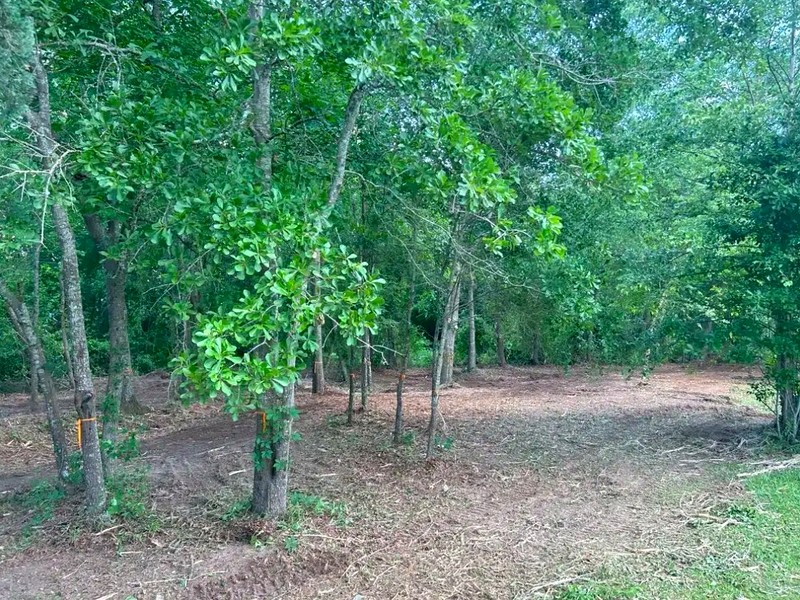
shoreline district. Near the water, then, the job is selective: the keepers are flagged first and the
quote is written around them.
Dune woods and barberry. The township zones the land around Duck Lake State Park to
protect its sand dunes, and Michigan's Part 353 requires a permit for any use that significantly
alters a mapped critical dune area. Invasive barberry grows in the dune and oak woods nearby, including Muskegon State Park and P.J. Hoffmaster State Park. Barberry
resprouts from the root crown, so the quote plans a second visit; our
Michigan Japanese barberry removal guide
explains the timing.
Who to ask about permits. Muskegon County Public Works administers Part 91 soil
erosion control: an earth change of an acre or more, or one within 500 feet of a lake or stream, needs
a permit before work starts. Inside the township, check zoning compliance with the Fruitland Township
Zoning Administrator at the township hall on Nestrom Road. Requirements vary by parcel, scope and
jurisdiction, and the governing authority makes the determination.