What to Know Before Clearing Land Around Dover
Wet clay sets the calendar. NRCS describes the Scitico soils of coastal New Hampshire as
poorly drained silt and clay on marine terraces, with water at or near the surface much of the year.
A tracked machine ruts that ground in a wet month, so dry late summer, early fall and frozen ground
are the cheap windows.
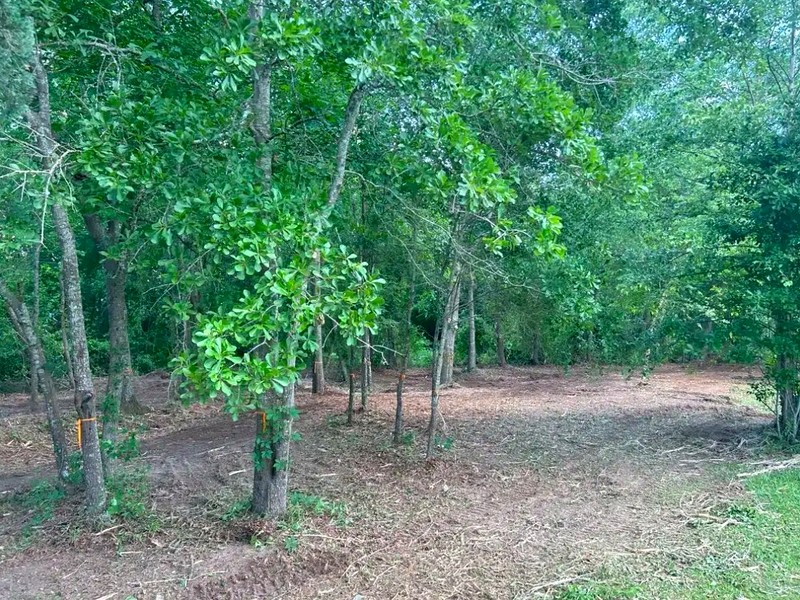
Dover's buffers favor mulching. Near tidal water, rivers, ponds, streams and
wetlands, the city's zoning lets vegetation be cut when the roots stay in the ground, while pulling
stumps or regrading needs a Planning Board conditional use permit. In the Maine towns, the code
enforcement officer is the first call. Requirements vary by parcel, scope and jurisdiction, and the
governing authority makes the determination; the
Dover cost guide
sets out the distances.
Buckthorn is a state-listed plant. Glossy buckthorn is on New Hampshire's prohibited
invasive species list, so living plants cannot be moved or transplanted, and UNH ran its control trials
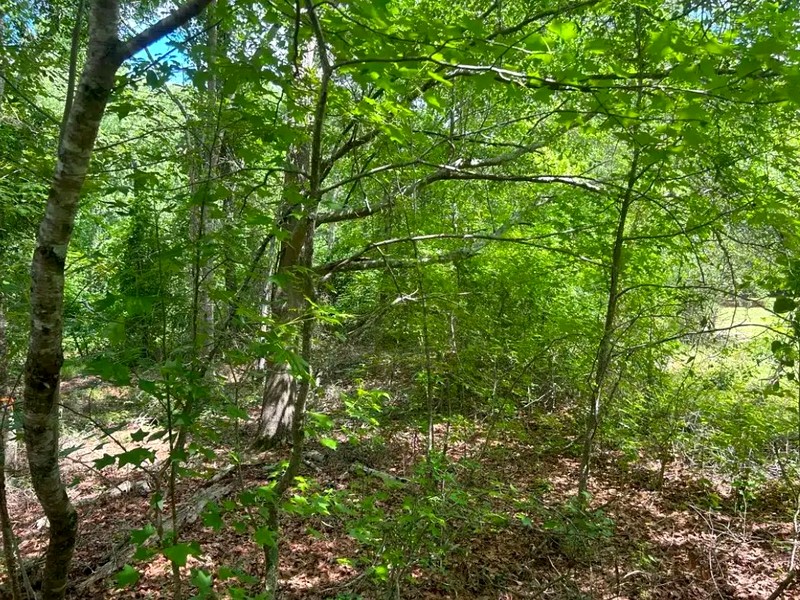
on university woodland in Durham, the next town over. It thrives in shaded understory and
sprouts hard when cut, so plan more than one visit. Our
glossy buckthorn removal guide
sets out the first-year schedule.