

Forestry Mulching in Fort Worth, TX
Understory, regrowth, and scrub processed where they stand and left as ground cover, with a straight answer on what a mulcher fixes and what it only postpones.
Why Choose Us
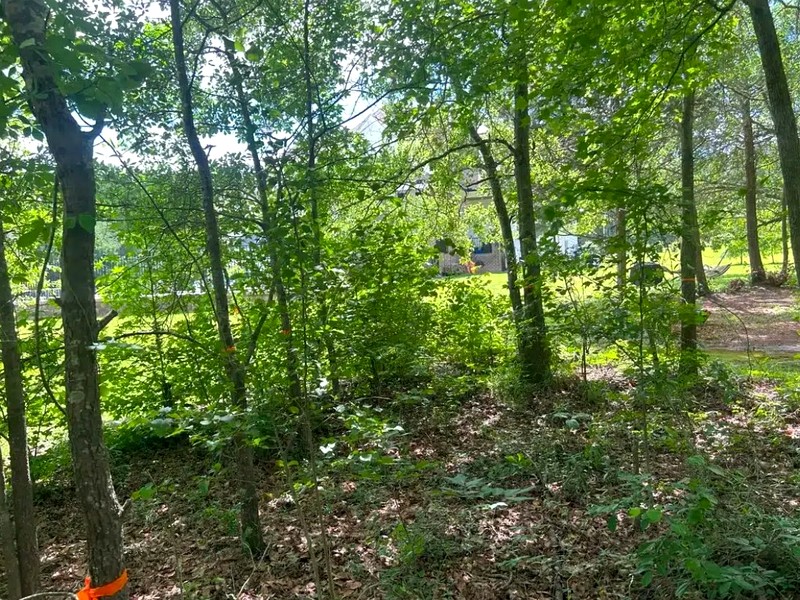
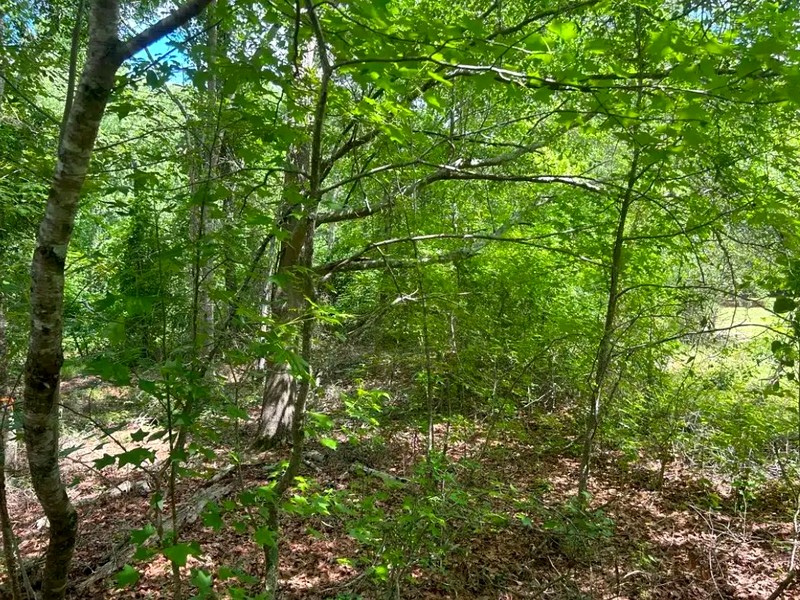
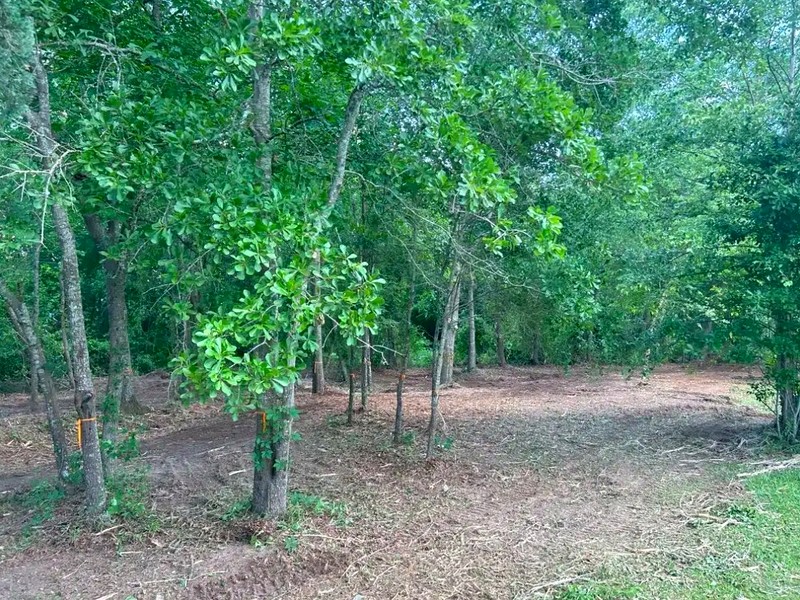
Forestry Mulching: Before & After
What the same ground looks like when the machine leaves.
Understory processed in place, keeper trees untouched – illustrative example
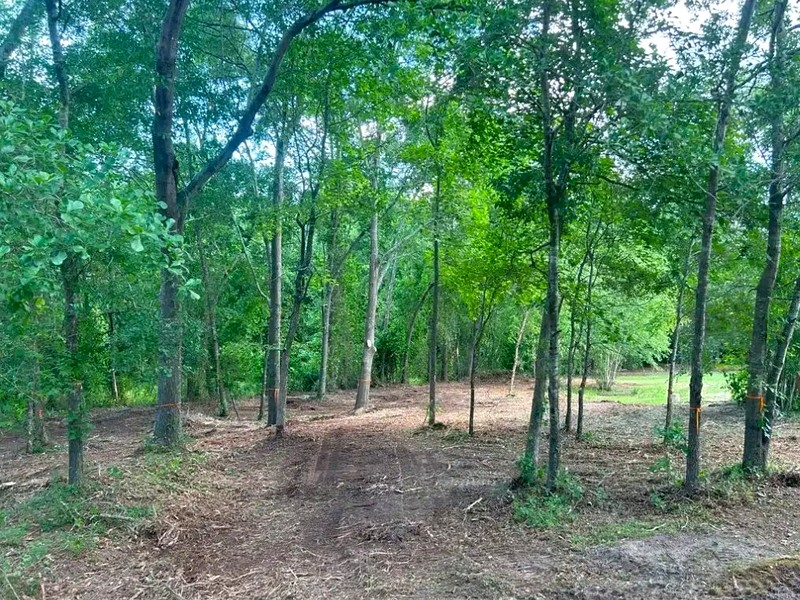
Pasture edge reclaimed with nothing stacked for burning – illustrative example
Forestry Mulching in Fort Worth: The Right Tool, Named Honestly
A mulching head is very good at a specific list of things and genuinely bad at one thing that matters in North Texas. Being straight about both is the difference between a customer who is happy in three years and one who feels sold to.
What it does well: understory, regrowth, greenbriar, cedar, small stems, and the general filling-in that turns a walkable tract into an impenetrable one. It processes all of that where it stands and leaves it as a mat on the ground, in one pass, with no pile. What it does not do is remove a root crown. Texas A&M AgriLife guidance on mesquite is explicit: unless the crown comes out below the bud zone, the tree is likely to resprout. Grubbing removes the entire root crown, unlike cutting at ground level. A root plow severs roots below the bud zone and can control up to 90% of target plants when blade depth and timing are right. A mulcher does neither of those things.
So on a mesquite pasture, mulching is a maintenance decision that buys you open ground now and a return visit later. On understory, scrub, and regrowth, it is a straightforwardly good answer. We tell you which one your tract is before we quote it.
Why No Pile Matters More Here Than It Sounds
The alternative to mulching is cutting and stacking, and a stack in Tarrant County is a scheduling dependency. The Commissioners Court has issued 90-day outdoor burn bans for unincorporated areas at the Fire Marshal's request with Texas A&M Forest Service support, citing severe drought and wildfire risk, and violations carry fines of up to $500.
Even with no ban in effect, burning out in the unincorporated county is a process rather than a match. You contact Tarrant County Regional Communications at 817-232-9800 on the day you intend to burn, to register the address and confirm it is an allowable burn day. Burning starts no earlier than one hour after sunrise, ends no later than one hour before sunset, and must be downwind and at least 300 feet from structures on adjacent properties. Officials also advise rural owners to keep a 30-foot mowed perimeter around structures.
Mulching removes every line of that from your project, because there is nothing to light. On a property where wildfire risk is the reason the rules exist, converting a future ten-foot pile of dried brush into a ground-level mat is worth something beyond convenience.
Cross Timbers Ground, and What the Mat Does On It
This region is a mosaic of grassland and woodland covering roughly 26,000 square miles, sitting on sandy substrates: mainly red and yellow sands that have been leached of nutrients on the uplands, with clay and clay loam in the bottomlands. Post oak and blackjack oak dominate the overstory because they are adapted to that sand, with honey mesquite scattered through and little bluestem, threeawn, and greenbriar below.
Leached sandy soil is exactly the kind of ground that benefits from organic matter, and a mulch mat breaks down into it over time while holding the surface in the meantime. Down in the clay bottoms the calculation is different: those hold water, slow a tracked machine, and want a lighter touch and better timing. Mechanical brush work here depends on proper soil moisture conditions generally, which is a real constraint rather than a nicety.
Selective Is the Normal Request
Most mulching work around Fort Worth is selective. The post oaks stay. The understory crowding them out comes off. Fence lines, drives, and view corridors get opened and pasture edges get pushed back. That is slower per acre than clearing wall to wall, and it is what most owners actually want when they picture the finished property.
Inside city limits it is also the legally careful approach. The urban forestry ordinance requires a permit for most species at 24 inches DBH, and for post oak and blackjack oak at 18 inches when east of I-35W, with 25% of existing canopy preserved on development or a waiver sought. A 2025 update proposed adding those two species to the protected list and raising their preservation requirement to 50%. Whether any of that reaches your parcel is a question for the city, and we flag it rather than guess at it.
One Note on Oaks and Timing
If live oaks or red oaks are part of the scope, the calendar is worth respecting. Texas A&M Forest Service advises against pruning or wounding oaks from February through June and recommends painting every oak wound immediately in any month, with November through January the preferred window. Our oak wilt guide covers what that means on a clearing job. Mesquite, understory, and greenbriar work carries no such restriction.
How Forestry Mulching Works
Three steps from overgrown to usable, with a written number before any machine moves.
Sort the Species First
We walk the tract and separate what a mulcher finishes from what it only postpones, so the quote describes a result rather than an activity.
Grind It Where It Stands
The drum processes understory, regrowth, and scrub in a single pass and spreads it as a mat. Nothing is stacked, so no burn day or ban is in your way.
Set the Return Interval
Before we leave you get an honest read on what will come back on your ground and roughly when, so maintenance is a plan instead of a surprise.
Why Property Owners Choose Cut Brush
The right machine for the ground, straight answers on the rules, and land you can use when we leave.
Honest About What It Cannot Do
A mulching head does not remove a mesquite root crown below the bud zone, so it does not permanently remove mesquite. We say so before quoting.
No Burn-Day Paperwork
Burning in unincorporated Tarrant County means registering the address that day and meeting timing and setback rules. Mulching leaves no pile, so none of it applies.
Organic Matter Into Leached Sand
Cross Timbers uplands are red and yellow sands leached of nutrients. The mat holds the surface now and breaks down into ground that needs it.
Selective Around the Oaks
Post oak and blackjack oak get flagged and worked around, which matters both for the property you want and for the city ordinance that protects them at a lower diameter.
Timed to Soil Moisture
Sandy upland and clay bottomland want different conditions. Flexible scheduling gets the machine on ground that is ready for it.
Fuel Load Down, Not Relocated
A ground-level mat is a very different wildfire fuel profile from a stacked pile of dried brush sitting on your property for months.
Get a Free Forestry Mulching Quote
Describe the parcel, get a real number, decide on your own time. Want the ranges first? Start with the Fort Worth, TX pricing guide.
Request a Free QuoteRelated Services
If the project is bigger than forestry mulching, the rest of our clearing work covers the Fort Worth Area too.


Forestry Mulching Across the Fort Worth Area
We provide forestry mulching in these Tarrant, Parker, Wise, Johnson, and Hood County communities, plus western Denton County.
Forestry Mulching FAQ
Ready to Put Your Land Back to Work?
Free written quotes for forestry mulching anywhere in Fort Worth & the Cross Timbers.
Get Your Free Forestry Mulching QuoteOr call us directly: (919) 525-3950