Fort Worth's Trusted Land Clearing & Brush Removal Experts

Forestry mulching, mesquite work, and pasture reclamation across Tarrant, Parker, and Wise County – Cross Timbers scrub and overgrown acreage opened in a single pass, with a free written quote up front.

Why Choose Us

Licensed & Insured Free Estimates Cross Timbers
Licensed & Insured
Free Estimates
Cross Timbers

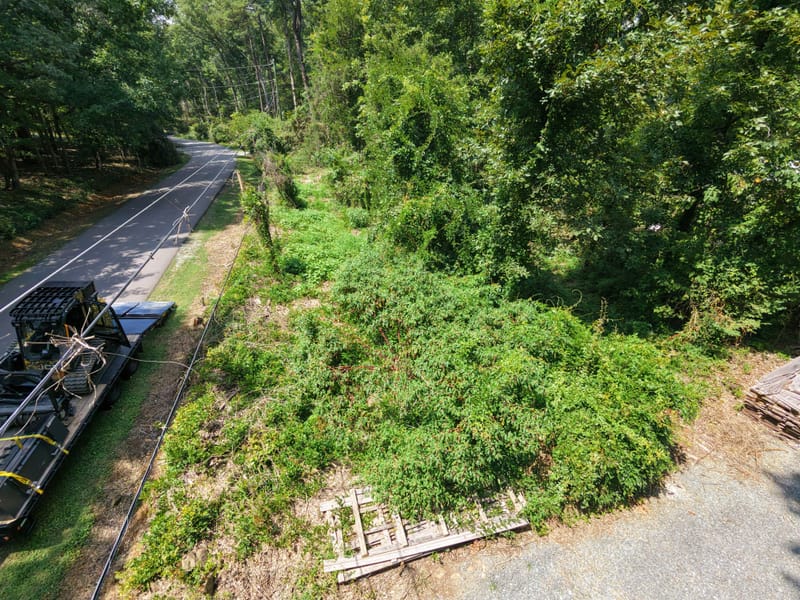
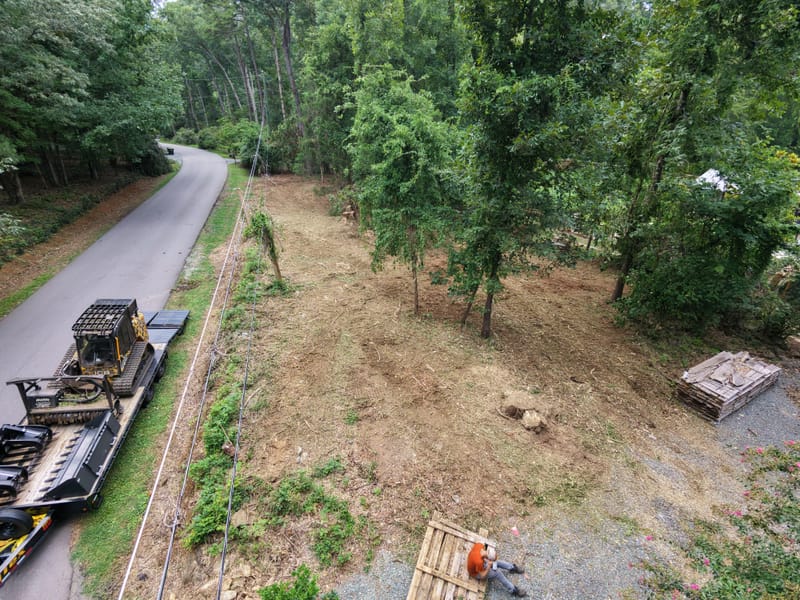
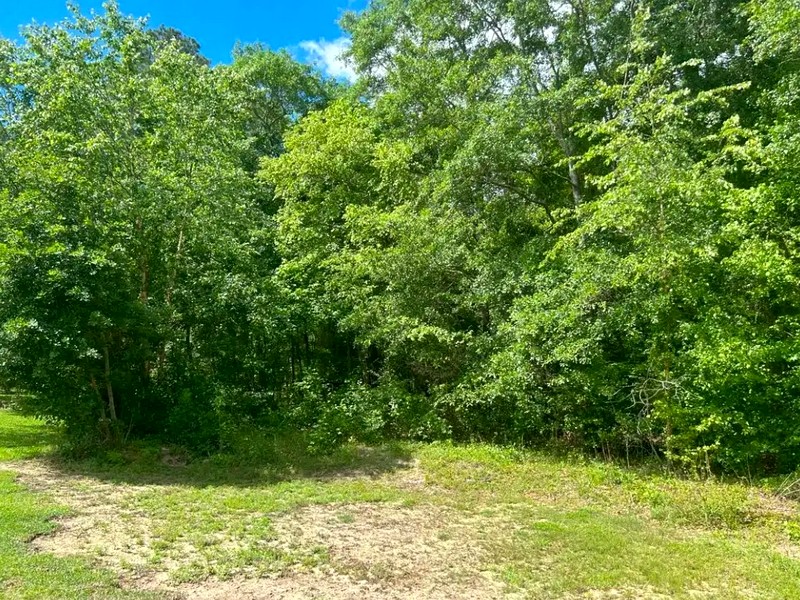
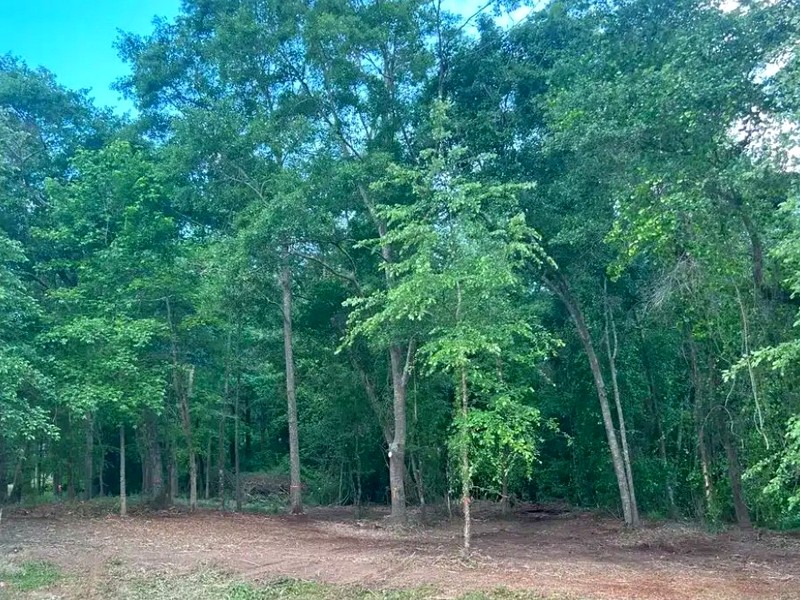
Land Clearing Before & After

Overgrown to open, with the trees worth keeping still there.

Scrub and regrowth swallowing a pasture edge before clearing BEFORE
The same pasture edge opened back up with a mulch layer down AFTER
Wooded tract with heavy understory ahead of a clearing pass BEFORE
Cleared tract with the mature trees still standing AFTER

What Our Customers Say

Real Cut Brush customers, in their own words.

★★★★★
"My 2-acre property was so thick you couldn't walk through it. One day later, it looked like a park."

– Jason M

★★★★★
"Fast, honest, no drama. They quoted Tuesday, cleared Thursday. Done by Friday."

– Carrie D.

★★★★★
"We didn't realize how much land we had until Cut Brush cleared it."

– Tony & Lisa R.

How a Cross Timbers Job Runs

Straight answers on what grows back, a written number, then the work.

1

Find Out Which Rules Reach You

City limits, ETJ, or open county changes the answer completely. We check that first, along with the floodplain line and how much ground the project actually disturbs.

2

Decide Mulch or Grub, Species by Species

Mesquite regrows from the root crown unless it comes out below the bud zone. We tell you which parts of the job a mulcher finishes and which parts it only postpones.

3

One Pass, Written Number, Usable Ground

Tracked equipment works the tract and leaves cover behind on sandy Cross Timbers soil. You walk it with us before we load up.

See Cut Brush in Action

Watch our crew transform overgrown properties with professional forestry mulching equipment.

  • Before & after project walkthroughs
  • Professional equipment on real jobs
  • See the land clearing process start to finish

A Million People, and the Land Is Still Catching Up

Fort Worth crossed a million residents and became the tenth largest city in the country, adding 19,512 people in a single year, one of the biggest numeric jumps of any US city. The counties around it grew harder still: Parker County is up 23.4% since 2019, and Wise County has grown a third over the past decade. That growth lands on sandy Cross Timbers ground that has been filling in with mesquite and understory for decades.

Cut Brush opens it with land clearing for tracts, pasture, and build sites, and forestry mulching as the one-pass method behind most of it. Per-acre ranges are on the Fort Worth pricing guide.

Three Things That Decide a Fort Worth Clearing Job

Which side of the city line you are on. Unincorporated Tarrant County does not enforce zoning, and neither does unincorporated Parker County. What the counties do regulate is narrower and easy to miss: platting to divide land, a Stormwater Control Permit for sites over one acre in Tarrant, and floodplain development permits in both. Inside Fort Worth, the urban forestry ordinance takes over. Tarrant County even runs a Pre-construction Advisory Committee where owners can sit down with staff before starting.

Which oaks are standing. Fort Worth requires a permit for trees 24 inches DBH and up for most species, but drops that to 18 inches for post oak and blackjack oak east of I-35W, and developers must preserve 25% of existing canopy or seek a waiver. Those two species are exactly what the Cross Timbers is made of, so the ordinance bites harder here than a generic tree rule would.

What is going to grow back. Mesquite resprouts from the bud zone on its root crown unless the crown comes out below it, which is why AgriLife treats grubbing and root plowing as separate practices from cutting. A mulcher is the right machine for understory, regrowth, and greenbriar; on established mesquite it buys you time rather than a permanent fix. We tell you which one you are buying.

Serving Fort Worth & the Cross Timbers

Tarrant County and the ring around it, from the Alliance corridor north to the ranch ground west of Weatherford.

Fort Worth Mansfield Benbrook Crowley Azle Haslet Keller Weatherford Aledo Springtown Millsap Poolville Decatur Boyd Rhome Bridgeport Burleson Joshua Cleburne Godley Granbury Tolar Justin

Fort Worth Land Clearing FAQ

Out in the unincorporated county, usually not for the clearing itself. Neither unincorporated Tarrant County nor unincorporated Parker County enforces zoning, and neither publishes a permit requirement specifically for land clearing or tree removal. What does apply out there: Tarrant requires a Stormwater Control Permit for sites over one acre and a Floodplain Development Permit for development in flood-prone areas, and platting is required to divide a property. Parker County regulates on-site sewage facilities and all development within special flood hazard areas. Inside Fort Worth city limits the urban forestry ordinance applies instead. We help you work out which bucket your parcel is in, and the county or city makes the actual determination.
More than most trees, yes. The city's urban forestry ordinance requires a permit for trees 24 inches DBH or greater for most species, but sets a lower 18-inch threshold for post oak and blackjack oak when they sit east of Interstate 35W. Developers must preserve 25% of existing tree canopy or seek a waiver, and a 2025 update proposed adding those two species to the protected list and raising their canopy preservation to 50%. Since post oak and blackjack oak are the two trees that define Cross Timbers country, that detail decides a lot of build sites here.
If only the top comes off, yes. Mesquite carries a bud zone on the root crown, and Texas A&M AgriLife guidance is blunt about it: remove the root crown below the bud zone and the tree is much less likely to resprout, leave any part of it and the tree comes back. A mulching head takes the tree down at and slightly below grade, which is the right tool for understory and regrowth but is not the same as grubbing. On mesquite-heavy pasture we say so before quoting rather than after.
When there is no ban, and only if you register the burn. In unincorporated Tarrant County you contact Tarrant County Regional Communications at 817-232-9800 on the day you plan to burn, to register the address and confirm it is an allowable burn day. Burning starts no earlier than one hour after sunrise, ends no later than one hour before sunset, and must be downwind and at least 300 feet from structures on adjacent properties. When a ban is in place, and Tarrant County has issued 90-day bans citing drought and wildfire risk, violations carry a fine of up to $500. Mulching in place avoids the question entirely.
Tarrant County and the counties around it: Fort Worth, Mansfield, Benbrook, Crowley, Azle, Haslet, and Keller, then Weatherford, Aledo, Springtown, Millsap, and Poolville in Parker County, Decatur, Boyd, Rhome, and Bridgeport in Wise County, Burleson, Joshua, Cleburne, and Godley in Johnson County, Granbury and Tolar in Hood County, and Justin in western Denton County. If your place is in the area and your town is not listed, ask anyway.

Ready to Open Up Your Place?

Free written quotes anywhere in Tarrant, Parker, Wise, Johnson, and Hood County.

Get Your Free Quote

Or call us directly: (919) 219-2946

Call Free Quote