

Land Clearing in Fort Worth, TX
Tracts, pasture, and build sites across Tarrant, Parker, and Wise County, with the tree ordinance, the floodplain line, and the regrowth question settled before we quote.
Why Choose Us
Land Clearing: Before & After
What the same ground looks like when the machine leaves.
Standing growth to workable ground with material left on site as cover – illustrative example
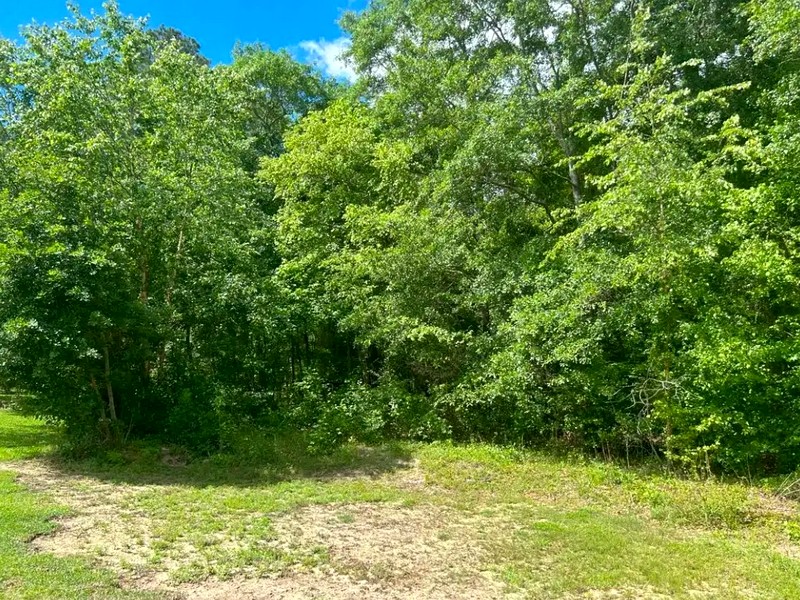
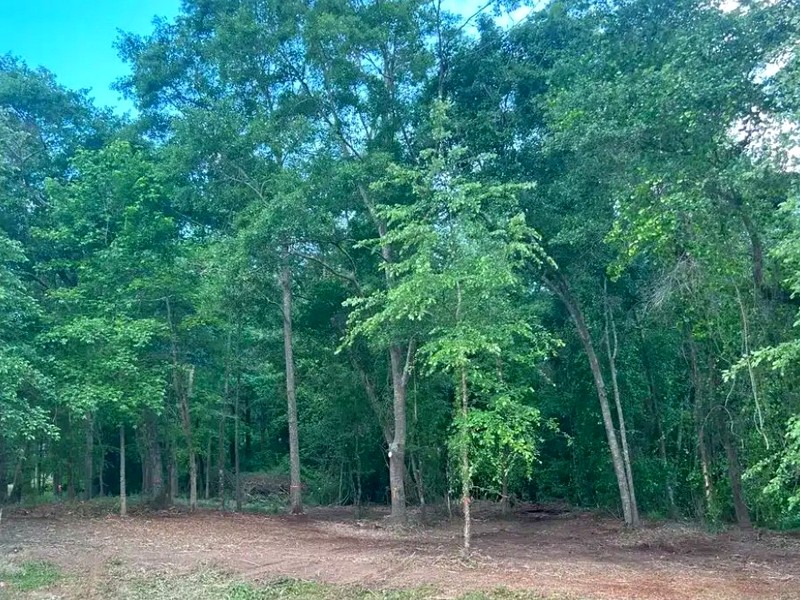
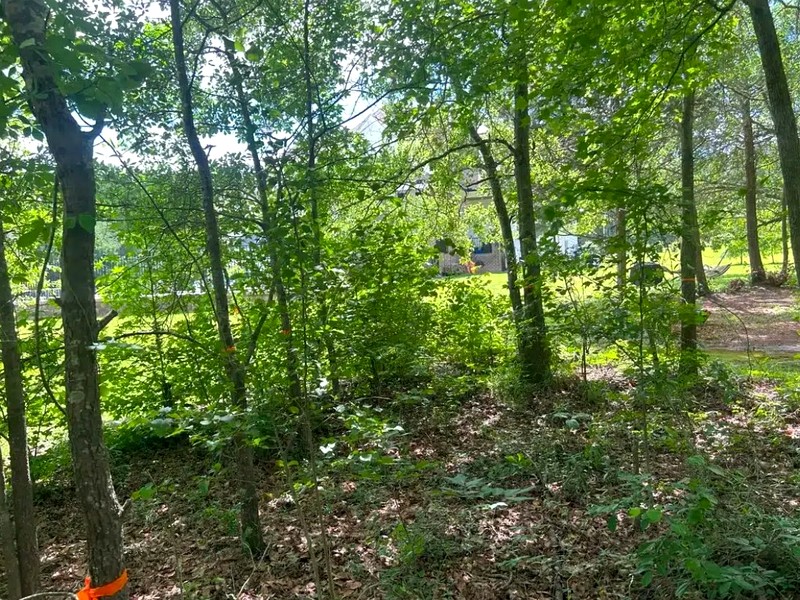
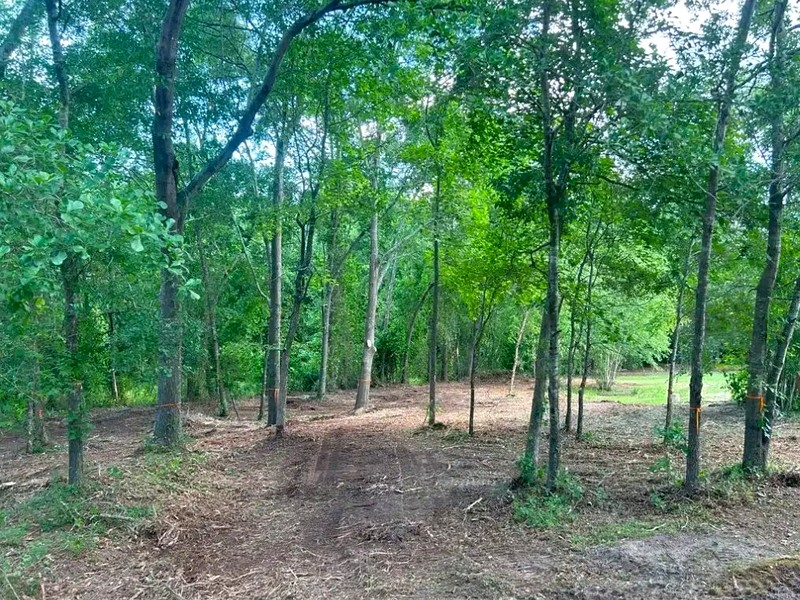
Selective work: understory off, keeper trees still standing – illustrative example
Land Clearing in Fort Worth: Know Which Rulebook Applies Before You Start
There is a question people ask about clearing land in North Texas that has a surprising answer. Do you need a permit? Out in unincorporated Tarrant County or unincorporated Parker County, usually not for the clearing itself. Neither county enforces zoning. Neither publishes a permit requirement specifically for land clearing or tree removal. That catches people off guard, because they expect the paperwork to be the hard part.
The traps are narrower and easier to miss. Tarrant County requires a Stormwater Control Permit for sites over one acre and a Floodplain Development Permit for development in flood-prone areas, and platting is required to divide a property into two or more parts. Parker County's permitting department regulates on-site sewage facilities and all development within special flood hazard areas. Cross the line into Fort Worth city limits and a completely different rulebook takes over, the urban forestry ordinance, which cares a great deal about which trees you are removing. Tarrant County even runs a Pre-construction Advisory Committee where owners and developers can sit down with staff and the Fire Marshal before starting. Cut Brush is a clearing contractor, not a permitting office: we flag what commonly applies to a tract like yours and point you to the desk that makes the actual determination.
Why So Much Ground Around Fort Worth Is Getting Opened
Fort Worth crossed one million residents and became the tenth largest city in the United States, adding 19,512 people in a single year, the second-largest numeric increase of any American city. It passed Austin to become the fourth-largest city in Texas. The counties around it grew even faster in percentage terms: Parker County is up 23.4% since 2019 and sat near 184,767 residents in 2025, while Wise County has grown 33.4% over the past decade to roughly 83,778. North of the city, Hillwood, BNSF Railway, and the City of Fort Worth launched the Alliance Logistics District in November 2025, covering nearly 1,400 acres. All of those people and all of that freight land on Cross Timbers ground that has been quietly filling in with mesquite and understory for decades.
The Work We Take On
- Ranchette and homesite clearingBuild pad, drive, and utility corridor opened on sandy upland, with the post oaks you want kept flagged before a machine moves.
- Pasture reclamationGrazing ground losing its edges to mesquite, greenbriar, and scrub, put back to work with the regrowth question answered honestly first.
- Tract and acreage workMulti-acre clearing sequenced around the one-acre stormwater trigger, floodplain lines, and whatever the ground is going to do next.
- Sale preparationLand a buyer can walk shows better than land they cannot. Texas rural land averaged $5,214 an acre statewide in the fourth quarter of 2025, up 6.56% on the year, with a five-year annualized growth rate of 10.73%.
Sand on Top, Clay in the Bottoms
The Cross Timbers is a mosaic of grassland and woodland stretching about 26,000 square miles, and its soils are the reason it looks the way it does. Uplands sit on sandy substrates, mainly red and yellow sands leached of nutrients, while clay and clay loam collect in the bottomlands. Post oak and blackjack oak dominate the overstory because they are adapted to exactly that sandy ground, with honey mesquite scattered through and little bluestem, threeawn, and greenbriar underneath.
For a clearing job that split matters more than the acreage does. Sandy upland works easily and drains. Bottomland clay holds water and slows a tracked machine considerably. Two ends of the same tract can quote differently for that reason alone, which is why we walk the ground rather than pricing off a map.
The Two Trees the City Counts
Inside Fort Worth, the urban forestry ordinance requires a permit for trees 24 inches DBH or greater for most species, and drops that threshold to 18 inches for post oak and blackjack oak when they are east of Interstate 35W. Developers must preserve 25% of existing tree canopy or seek a waiver. A 2025 update proposed adding those two species to the protected list, taking it from 26 species to 47, and raising their canopy preservation requirement to 50%.
Read that against the paragraph above and the point becomes obvious: the ordinance singles out the two trees that define this landscape. A generic tree rule would barely touch a Cross Timbers tract. This one shapes the whole plan. A removal permit is not required to take a single dead, dying, diseased, or hazardous tree off a single-unit property under an acre, but if removal would cut tree canopy by more than 75%, an Urban Forestry Permit with a canopy management plan applies. Permit fees start at $250 for the first five acres, with $15 per additional acre.
What Actually Grows Back
The honest conversation on a North Texas tract is about mesquite. It carries a bud zone on its root crown, and Texas A&M AgriLife guidance is direct: remove the root crown below that bud zone and the tree is much less likely to resprout, leave any part of it and it comes back. Grubbing removes the entire root crown, unlike cutting at ground level, and works best on small to medium trees. A root plow, a heavy V-shaped blade pulled behind a tractor, severs roots below the bud zone and can control up to 90% of target plants when the depth and timing are right, and all of these mechanical methods depend on proper soil moisture conditions.
A mulching head is not a grubbing tool. It is the right machine for understory, regrowth, greenbriar, and getting a tract usable fast, and on established mesquite it buys time rather than a permanent result. We say which one your project is before quoting, because finding out afterwards is how people end up feeling misled.
How Land Clearing Works
Three steps from overgrown to usable, with a written number before any machine moves.
City, ETJ, or Open County
The first thing we establish is which rulebook reaches your tract, then where the floodplain line runs and how many acres the work will actually disturb.
Name the Finish, Get the Number
Mulched and usable, selectively cleared around keeper oaks, or stripped for a pad are three different jobs. You pick, and a written quote follows fast.
Cleared, Covered, Walked
Tracked equipment works the tract and leaves cover on sandy ground rather than bare soil. You walk the finished job with us before we load up.
Why Property Owners Choose Cut Brush
The right machine for the ground, straight answers on the rules, and land you can use when we leave.
Straight on Mulching vs Grubbing
Mesquite resprouts from the bud zone unless the root crown comes out below it. We tell you which result you are buying before the quote, not after the regrowth.
Post Oaks Flagged First
The city protects post oak and blackjack oak at a lower diameter than other species east of I-35W. Keeper trees get marked at the walk-through, not discovered mid-job.
The One-Acre Line Checked
Tarrant County requires a stormwater permit for sites over an acre, and both counties regulate floodplain development. We raise it early so it never stops a running job.
No Pile, No Burn-Day Problem
Material stays on the ground as cover, so a county burn ban or a burn-day registration never sits between you and a finished tract.
Sand and Clay Priced Differently
Upland sand and bottomland clay behave nothing alike under a machine. Walking the whole tract is how a quote stays accurate on ground that changes across it.
Rules Flagged, Not Guessed
City ordinance, county plat and stormwater triggers, and floodplain permits all vary by parcel and scope. We identify what commonly applies and point you to the office that decides.
Get a Free Land Clearing Quote
Describe the parcel, get a real number, decide on your own time. Want the ranges first? Start with the Fort Worth, TX pricing guide.
Request a Free QuoteRelated Services
If the project is bigger than land clearing, the rest of our clearing work covers the Fort Worth Area too.


Land Clearing Across the Fort Worth Area
We provide land clearing in these Tarrant, Parker, Wise, Johnson, and Hood County communities, plus western Denton County.
Land Clearing FAQ
Ready to Put Your Land Back to Work?
Free written quotes for land clearing anywhere in Fort Worth & the Cross Timbers.
Get Your Free Land Clearing QuoteOr call us directly: (919) 525-3950