

Forestry Mulching in San Antonio, TX
Ashe juniper, mesquite, and understory processed where they stand and left as ground cover, with keeper oaks flagged and nothing stacked for a burn ban to hold up.
Why Choose Us
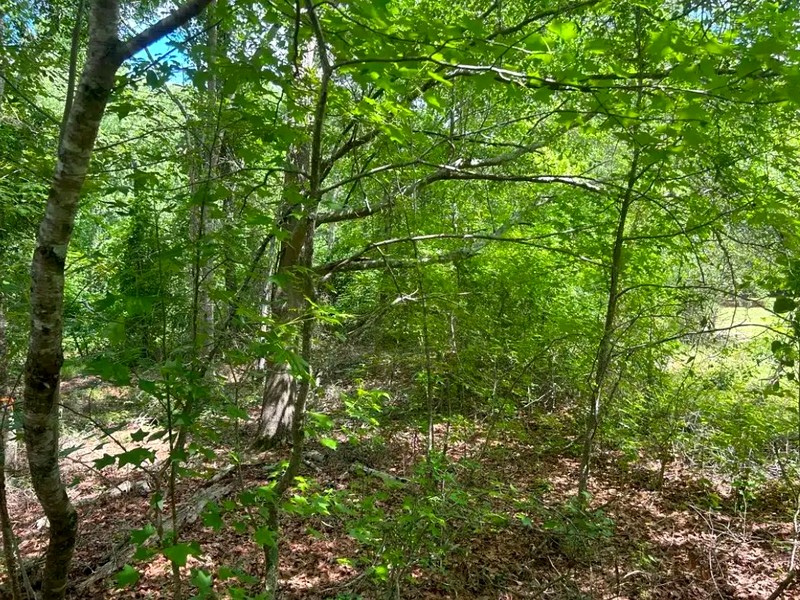
Forestry Mulching: Before & After
What the same ground looks like when the machine leaves.
One machine, one pass, material left as cover rather than stacked – illustrative example
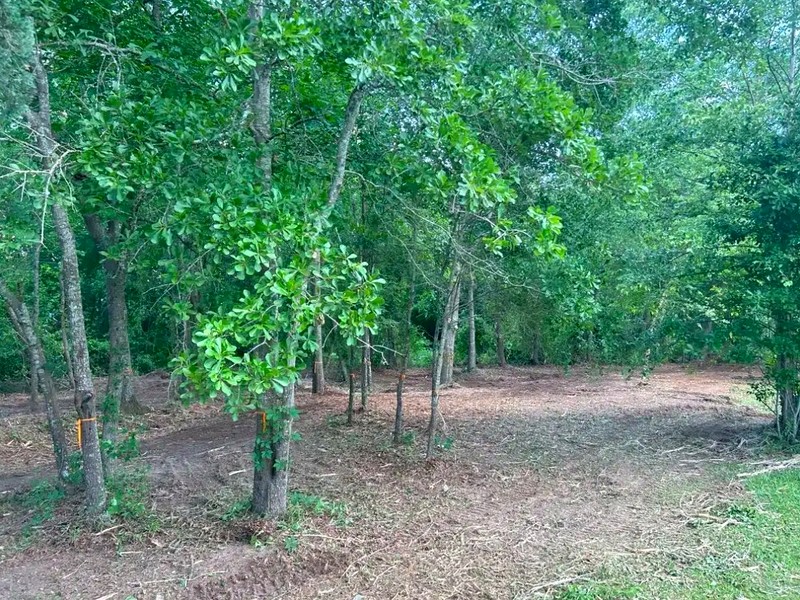
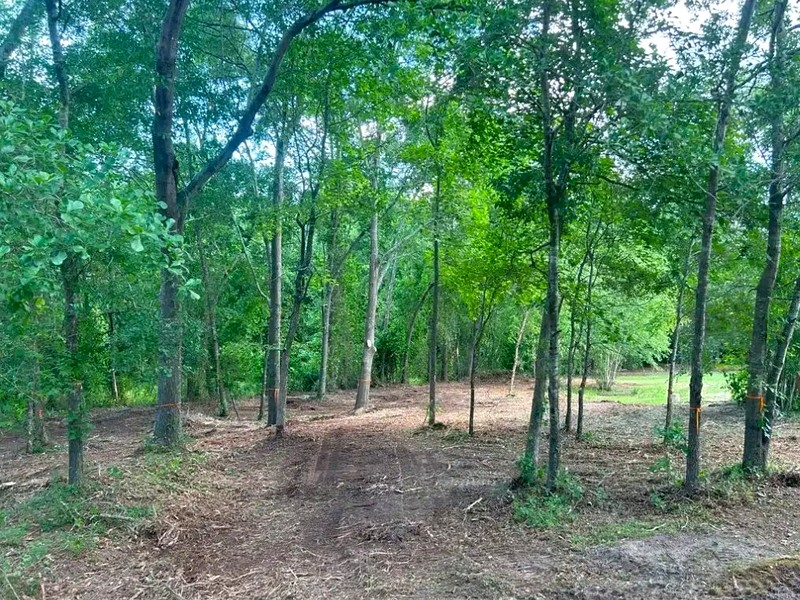
Selective work: the understory comes off and the shade trees stay – illustrative example
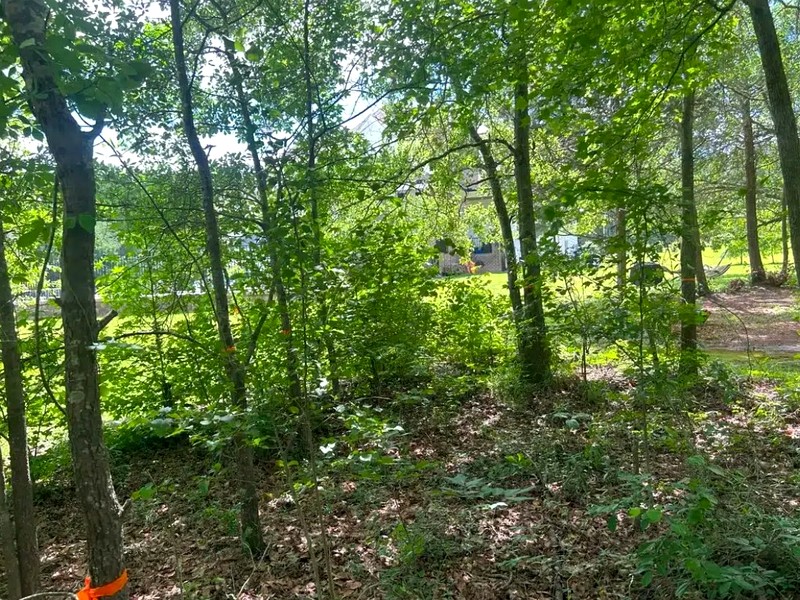
Forestry Mulching in San Antonio: Cedar Goes Down and Stays Down as Cover
A mulching head does one thing that matters more here than anywhere else on our map: it turns Ashe juniper into ground cover without ever building a pile. That single detail decides a lot around Bexar County, because the alternative to mulching is stacking, and stacked brush in Central Texas is a problem waiting on weather. Unincorporated Bexar County extended a burn ban for 90 days in February 2026, citing drought conditions and a drought index climbing past 500 in places, and violating a county ban is a Class C misdemeanor carrying a fine up to $500. A pile you cannot burn is a fire load sitting on your property until somebody pays to haul it away.
Mulching skips that whole sequence. The material is processed where it stands, spread across the ground as a mat, and left to break down. There is nothing to light, nothing to load, and no dump fee. On the thin soils over Edwards Plateau limestone, that mat is doing useful work too, holding ground on slopes that would otherwise be bare rock and dust by the second storm.
Why Cedar Prices by the Stem, Not the Acre
Ashe juniper is the most common reason a San Antonio landowner calls, and it is also the reason per-acre rate cards fall apart here. A drum works through ankle-high regrowth quickly and slows considerably as trunk diameter climbs. Two adjoining acres can differ by thousands of dollars because one carries scattered stems and the other carries a closed canopy that has not been touched in twenty years. When we walk a parcel we are counting stems and measuring trunks, not eyeballing canopy from the gate, and the quote reflects what the machine will actually meet.
The same head handles what grows alongside the juniper: mesquite, huisache, prickly pear, and the understory that fills in behind them. Sprouting species are the reason mulching is a management step rather than a one-time cure. Research on honey mesquite and huisache on Texas rangeland tracks how long different control programs last, and the practical rule from NRCS brush management guidance is that woody cover returns within five to ten years without follow-up, with maintenance every three to five years being far cheaper than letting a parcel go back to the start. NRCS funds this work as conservation practice code 314 through EQIP, with payment rates that vary by brush density and method.
The Trees Worth Leaving
Not every juniper on a property should come off, and two rules make that concrete around here. Inside San Antonio city limits, the Unified Development Code sets a higher protection threshold for Ashe juniper, mesquite, huisache, Arizona ash, and hackberry, counting them as significant trees at 10 inches diameter rather than the 6 inches that applies to most species, with heritage trees from 24 inches preserved at 100%. Completed single-family, two-family, and three-family homesites are exempt.
The other rule is habitat. The golden-cheeked warbler has been federally listed as endangered since 1990, it nests only in Central Texas, and it builds those nests from bark stripped off mature Ashe juniper mixed with deciduous trees. Nesting season runs roughly March through August. Kendall County's own development permitting materials note that some areas may carry restrictions during warbler nesting season that can limit clearing in certain months. Whether a specific parcel holds habitat, and what that means for timing, is a question for U.S. Fish and Wildlife Service and a qualified biologist rather than a clearing contractor. What we do is raise it before scheduling on parcels carrying mature juniper stands, and plan the work around the answer.
Selective, Not Scorched
Most of our Hill Country mulching work is selective by design. Live oaks and shade trees get flagged and left; the juniper and understory choking them out comes off. Owners clearing for a view corridor, a fence line, a driveway, or defensible space around a house usually want exactly that outcome, and it is also where the water argument lands honestly. The research on juniper and water genuinely conflicts: some studies find infiltration under juniper canopy several times higher than open soil, others find brush removal increases streamflow where cover is dense and does little where soils and rock are unsuited. Slope, soil depth, geology, and existing cover all change the answer. Clearing for pasture, a building site, or fire safety is a solid reason. Clearing every stem because of a claim about the aquifer is worth thinking through first.
Working Around Heat, Rain, and the Oak Window
San Antonio averages roughly 30 to 34 inches of rain a year, with May the wettest month and January the driest, and July and August running highs in the mid 90s. Tracked machines handle the dry months fine; what they cannot do is undo an oak wilt infection. Texas A&M Forest Service advises against pruning or wounding oaks from February through June and recommends painting every oak wound immediately no matter the season, with November through January the preferred pruning window. Cedar and understory mulching is not bound by that calendar, which is why a spring project often starts with the juniper work and saves the oak work for dormancy.
How Forestry Mulching Works
Three steps from overgrown to usable, with a written number before any machine moves.
Count Stems, Mark Keepers
We walk the parcel measuring trunk diameter rather than guessing from canopy, flag the oaks and mature stands you want left, and note anything that needs an outside answer before scheduling.
One Pass, No Pile
The drum processes juniper, mesquite, and understory where it stands and spreads it as a mat. Nothing is stacked, so nothing waits on a burn ban or a dump run.
Plan the Next Pass
Sprouting species come back. Before we leave we tell you honestly what the three-to-five-year maintenance picture looks like on your ground so the land does not quietly return to where it started.
Why Property Owners Choose Cut Brush
The right machine for the ground, straight answers on the rules, and land you can use when we leave.
Nothing Left to Burn
Material stays on site as cover, so a county burn ban never becomes your scheduling problem and there is no fire load parked on the property.
Priced From Trunk Diameter
Juniper density and stem size drive the hours, so the quote comes from what is standing rather than a flat per-acre rate that misprices half the parcels here.
Selective by Default
Live oaks, shade trees, and the mature stands you want kept get flagged and worked around. Clearing here does not have to mean clearing everything.
Cover on Thin Soil
Shallow soil over limestone strips fast once exposed. A mulch mat holds the slope through storms and adds organic matter the ground is short of.
Habitat Question Raised Early
Mature Ashe juniper mixed with deciduous trees is golden-cheeked warbler nesting habitat, and the species is federally protected. On parcels carrying those stands we flag it before scheduling so the right agency answers it.
Honest About Regrowth
Mesquite, huisache, and juniper regenerate. We say what the maintenance cycle looks like instead of selling a single pass as permanent.
Get a Free Forestry Mulching Quote
Describe the parcel, get a real number, decide on your own time. Want the ranges first? Start with the San Antonio, TX pricing guide.
Request a Free QuoteRelated Services
If the project is bigger than forestry mulching, the rest of our clearing work covers the San Antonio Area too.


Forestry Mulching Across the San Antonio Area
We provide forestry mulching in these Bexar, Comal, Guadalupe, Kendall, Medina, Wilson, Atascosa, and Bandera County communities.
Forestry Mulching FAQ
Ready to Put Your Land Back to Work?
Free written quotes for forestry mulching anywhere in San Antonio & the Texas Hill Country.
Get Your Free Forestry Mulching QuoteOr call us directly: (919) 525-3950