

Land Clearing in San Antonio, TX
Acreage, homesites, and pasture across Bexar, Comal, and Kendall County, with the aquifer zone and keeper oaks settled before the machine is booked.
Why Choose Us
Land Clearing: Before & After
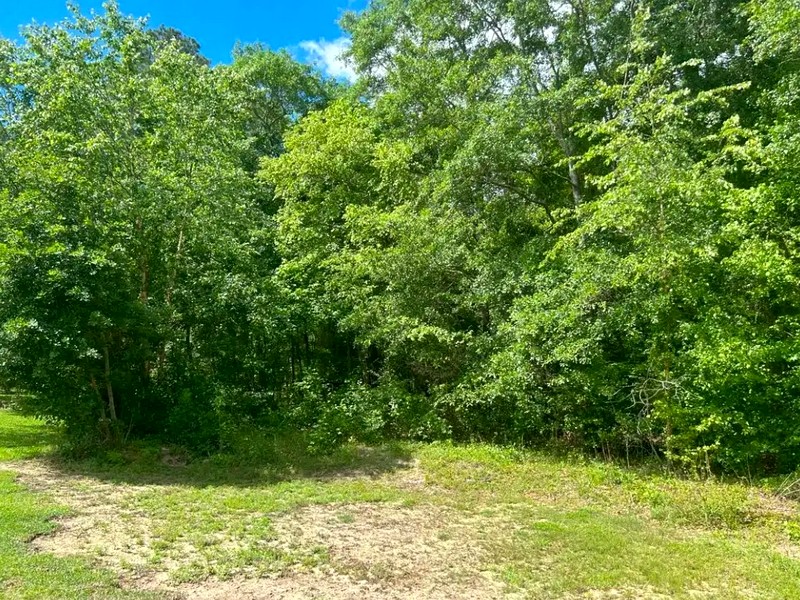
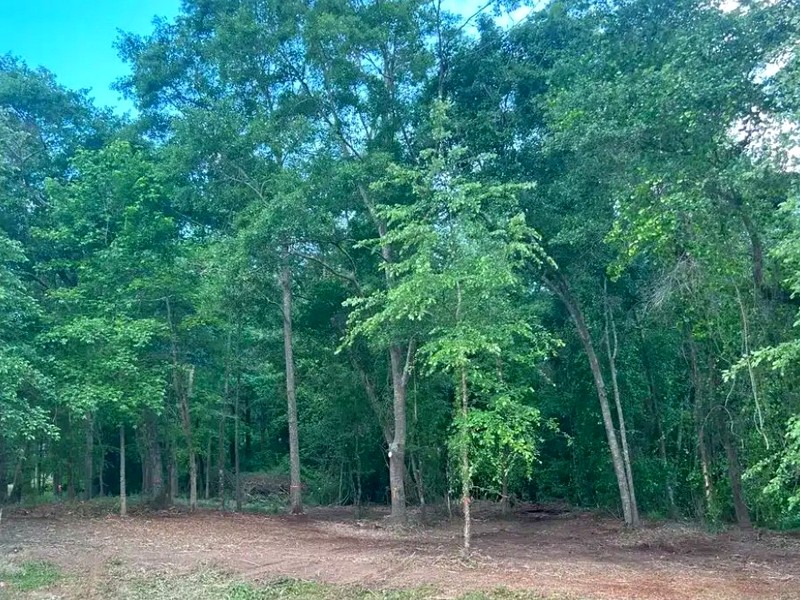
What the same ground looks like when the machine leaves.
Standing growth to walkable ground with the material left on site as cover – illustrative example
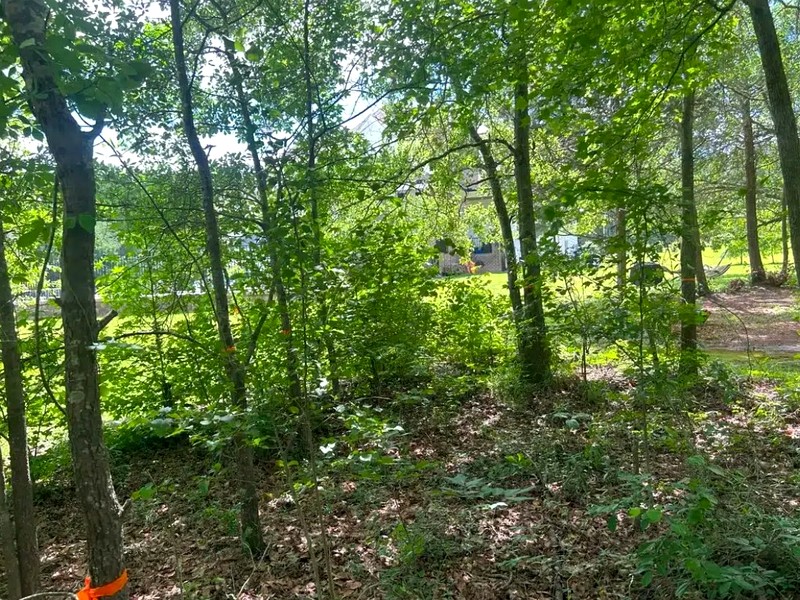
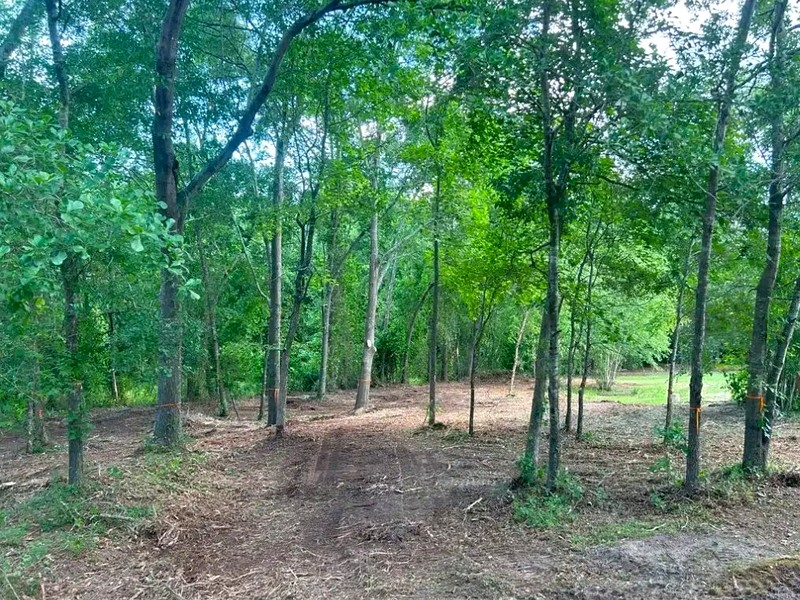
No stacking, no hauling, no waiting on a burn ban – illustrative example
Land Clearing in San Antonio: Start With the Map, Not the Machine
In most of the country the first question on a clearing job is what is growing and how big it is. Around San Antonio there is a question that comes before that one: which Edwards Aquifer zone is the parcel sitting on. The TCEQ Edwards Aquifer Protection Program names land clearing as a regulated activity across eight counties, Bexar, Comal, and Medina among them, and on the recharge zone a plan has to be reviewed and approved before soil is disturbed on the site. In the contributing zone, the rule at 30 TAC 213.21(b) reaches work that disturbs five acres or more, and also smaller work that is one piece of a larger common plan of development adding up to five acres or more.
None of that is a reason to avoid clearing your land. It is a reason to know the answer before a trailer is booked, because the one version of this that costs real money is finding out halfway through. TCEQ publishes a map viewer that settles the zone question in about a minute, and we raise it during the walk-through so the paperwork path, if there is one, runs in parallel with scheduling instead of behind it. Cut Brush is a clearing contractor, not the permitting authority: we flag what commonly applies and point you to the office or the qualified professional who makes the call.
Why So Much Ground Around Bexar County Is Getting Opened
The San Antonio and New Braunfels metro reached roughly 2.81 million people in 2025 and added close to 205,000 residents between April 2020 and July 2024, with more than 121,000 of them, about 59%, arriving from other states. Comal County grew about 5% in a single year and expanded 29.2% comparing 2019 through 2023 against the prior five-year window, which puts it among the fastest-growing counties in the country with more than 100,000 residents. Master-planned communities are the visible version of that: Veramendi northwest of downtown New Braunfels, a 1,900-acre Southstar development in north New Braunfels, Johnson Ranch on the US-281 corridor, Thornebrook and Ventana around Bulverde. The less visible version is the ranchette, the family tract, and the five-acre lot whose owner has decided this is the year the cedar comes off.
The Work We Take On
- Homesite and pad clearingBuilding footprint, driveway, and utility corridor opened on Hill Country lots, with the oaks you want kept flagged before anything starts.
- Pasture reclamationGrazing ground losing to Ashe juniper, mesquite, huisache, and prickly pear, taken back so grass and water get a share again.
- Ranch and acreage workMulti-acre clearing staged around aquifer requirements, county storm water rules, and whatever the property is going to be used for next.
- Sale preparationLand a buyer can walk sells differently from land they cannot. Rural land in the Austin, Waco, and Hill Country region averaged $7,911 an acre in 2025, up 8.15% on the year, so presentation is measured in real money.
Thin Soil Over Hard Rock
The Edwards Plateau does not forgive bare dirt. Soil is shallow, limestone is close, and a storm on an exposed slope moves what little topsoil there is straight into the nearest creek. That is the practical case for mulching in place rather than scraping and hauling: the mulch mat holds ground through the next rain, breaks down into organic matter the thin soil badly needs, and leaves nothing behind for a burn ban to complicate. It is also the reason we look at rock and slope during the quote rather than pricing by the acre from a satellite photo. Ledge and loose caliche decide what equipment can do and how long it takes.
Ashe Juniper, Honestly
Cedar is the most argued-about plant in Central Texas, and the honest position is that the science is mixed. Some research finds infiltration under juniper canopy several times higher than open soil, with percolation reaching nearly three times deeper; other work finds brush removal increases streamflow and recharge where brush is dense, and does very little where soils and rock are not suited to it. Texas A&M work on the Freedman Ranch near San Marcos found oak and juniper woodland leaning on recent rainfall rather than deep water. Slope, soil depth, geology, rainfall, and how much woody cover is already there all change the answer.
What that means for a landowner is simple enough. Clearing juniper because you want pasture, a building site, a view, or a fire break is a good reason. Clearing every stem on the property because someone said cedar drinks the aquifer dry is a decision worth taking slowly, and the state conservation programs that fund brush work treat it as management rather than eradication. NRCS runs brush management as conservation practice code 314 through EQIP, with payment rates that vary by brush density and method. We clear what you want cleared and say so when a plan looks like it is solving the wrong problem.
The Oak Calendar and the Burn Calendar
Two dates shape clearing schedules here. Texas A&M Forest Service advises against pruning or wounding oaks from February through June, when fungal mat production, sap beetle activity, and oak susceptibility all peak, and it recommends painting every oak wound immediately regardless of the month, with the dormant period from November through January as the preferred pruning window. The other date is whatever the county has posted: unincorporated Bexar County extended a burn ban for 90 days in February 2026 and a violation is a Class C misdemeanor carrying up to $500. Both are reasons a job gets sequenced rather than delayed, and mulch-in-place work removes the burning question from the schedule entirely.
How Land Clearing Works
Three steps from overgrown to usable, with a written number before any machine moves.
Zone Check, Then Boots
We look up the aquifer zone and any city tree rules that reach the parcel, then walk it with you: stems, rock, keeper oaks, access, and what the ground has to do when we leave.
Paperwork Path Settled First
If a plan, permit, or storm water filing applies, it gets identified before mobilization and runs alongside scheduling. You get a written quote either way, usually within a day of the walk.
Cleared and Covered
Tracked equipment opens the ground and leaves a mulch layer holding it. Most residential acreage runs one to three days, and you walk the finished parcel with us before we pull out.
Why Property Owners Choose Cut Brush
The right machine for the ground, straight answers on the rules, and land you can use when we leave.
Aquifer Question Asked Early
Clearing over the Edwards Aquifer is regulated and the approval comes before soil disturbance, not after. We raise it at the quote so it never becomes a stop-work surprise.
Cedar Is Our Normal Day
Ashe juniper, mesquite, huisache, and prickly pear are what the mulching drum was built for. Stem diameter drives the schedule, and we price from what is actually standing.
No Piles, No Burn Ban Problem
Everything stays on site as ground cover. When the county posts a ban, and it often does, your project is unaffected because there was never anything to light.
Thin Soil Left Covered
Shallow soil over limestone erodes fast once it is bare. A mulch mat keeps the next storm from taking the topsoil off a cleared slope.
Keeper Trees Flagged Before Cutting
Heritage oaks and the trees you want for shade get marked at the walk-through, and oak work is sequenced around the February-to-June window Texas A&M Forest Service warns about.
Rules Flagged, Not Guessed
City tree thresholds, county storm water and floodplain permits, and aquifer plans all vary by parcel and scope. We identify what commonly applies and point you to the office or professional who makes the final determination.
Get a Free Land Clearing Quote
Describe the parcel, get a real number, decide on your own time. Want the ranges first? Start with the San Antonio, TX pricing guide.
Request a Free QuoteRelated Services
If the project is bigger than land clearing, the rest of our clearing work covers the San Antonio Area too.


Land Clearing Across the San Antonio Area
We provide land clearing in these Bexar, Comal, Guadalupe, Kendall, Medina, Wilson, Atascosa, and Bandera County communities.
Land Clearing FAQ
Ready to Put Your Land Back to Work?
Free written quotes for land clearing anywhere in San Antonio & the Texas Hill Country.
Get Your Free Land Clearing QuoteOr call us directly: (919) 525-3950