
Ashe Juniper Removal in Austin: What Grows Back
Cut Brush Team · September 11, 2026 · 7 min read
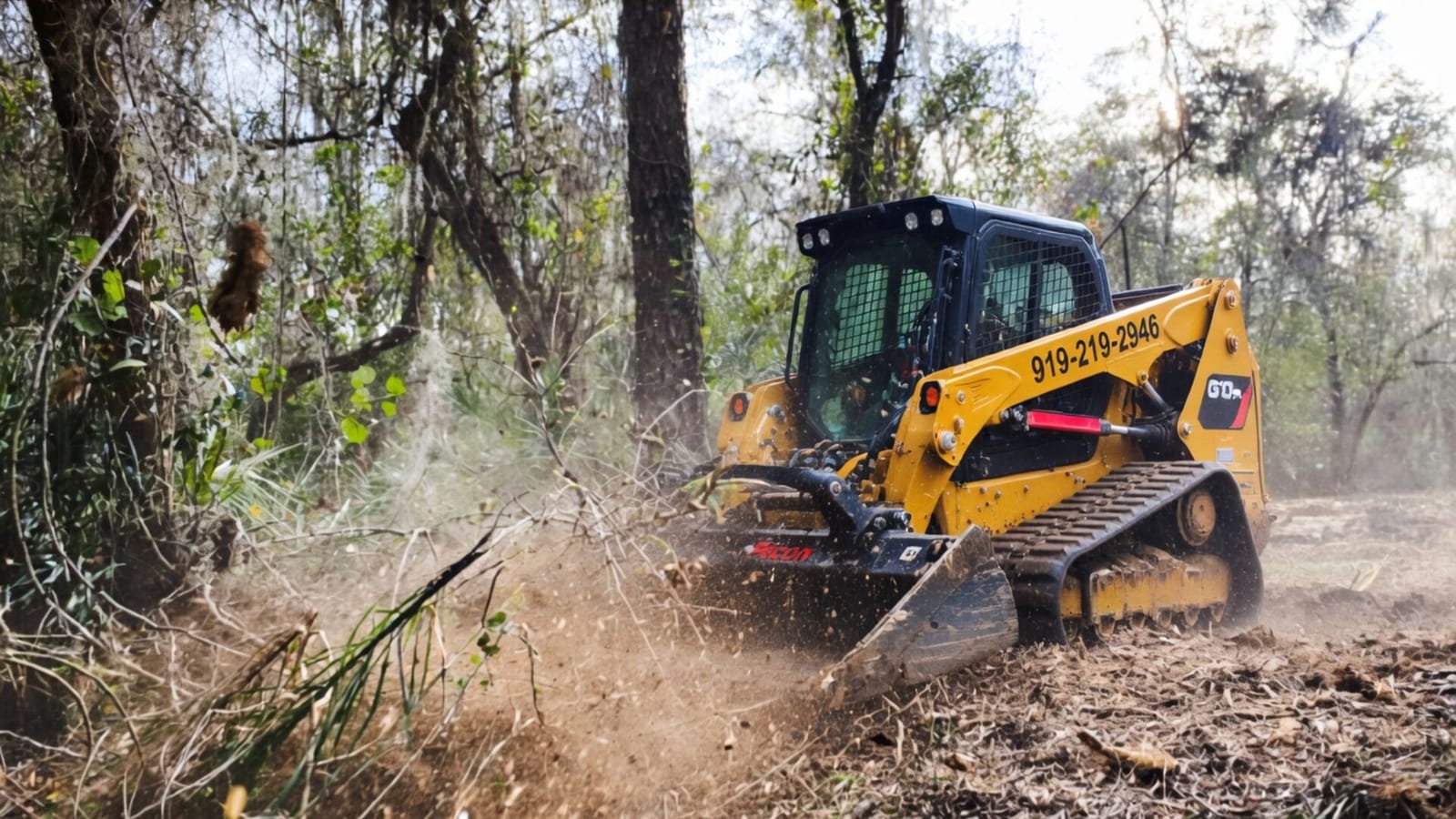
Ashe juniper does not grow back from the stump. Cut it at the base and that tree is finished. The US Forest Service species review classifies it as a “tree without adventitious-bud root crown” and states plainly that “Ashe’s juniper does not reproduce asexually.” What comes back is something else entirely: a carpet of seedlings from seed already sitting in the soil. Understanding that difference is what tells you whether you are buying one job or a standing commitment.
This matters because a fair amount of what is written about cedar clearing around Austin gets it backwards. One page ranking for Austin cedar costs attributes the expense to the tree’s “dense, water-logged root systems.” Those roots are not the problem, and they are not coming back.
What Actually Returns After Clearing
The seed bank is the real story, and it is slow.
The same Forest Service review records that the embryo is usually dormant and seeds “may take 2 to 3 years to germinate,” that seed retained 50 percent of its viability after four years in storage, and that “it can take 10 to 40 years for Ashe’s juniper to establish stands that are over 4 feet tall.”
So a cleared acre does not stay bare. Seedlings will appear. But they appear as small, slow, individually removable plants over a span of years, not as a thicket rebuilding itself from the stumps you left. On most parcels a light touch every few seasons holds it indefinitely, which is a very different purchase from a heavy clearing every few years.
Why Mesquite and Yaupon Are Not the Same Problem
Austin properties rarely carry only juniper. Mesquite, huisache, yaupon holly and cedar elm or live oak regrowth all turn up in the same territory, and the resprouters behave the opposite way.
Cut mesquite at the base without treating the stump or following up on the regrowth and you have not removed it. The root system pushes the next generation of stems, and the plant comes back multi-stemmed from the crown below the soil line. Yaupon does the same, throwing several new stems from the root crown inside one growing season.
That is the real dividing line in a Central Texas quote, and it is worth asking about directly:
- A juniper acre is usually one job with occasional light maintenance.
- A mesquite or yaupon acre is a first pass plus a plan, and if nobody mentions the plan you are being sold half the work.
Cut Brush quotes the pass and the follow-up separately so the difference is visible rather than buried. The ranges are on the Austin pricing guide, and the mulching number is broken down in our Austin forestry mulching cost guide.
Where Juniper Grows, and Why It Is on Your Property
Ashe juniper “usually occurs on shallow, limestone-derived soils” and rarely grows over 30 feet tall, according to the same Forest Service review. That puts it on the western half of the Austin metro, on the Edwards Plateau limestone that starts at roughly Interstate 35 and runs out toward Dripping Springs, Wimberley, Bee Cave and Lago Vista.
The review also notes it was historically restricted to rock outcrops and upland limestone and expanded into grassland over the past century as fire was suppressed. That is why so much of it sits on land that was open pasture within living memory, and why owners out west are often clearing back to something that existed rather than creating something new.
East of the interstate, on Blackland Prairie clay, juniper is far less of the picture. That is mesquite, huisache and Chinese tallow country, and the calculus above flips.
When Can Cedar Be Cleared Around Austin?
This is the question that catches people, and it is the single biggest scheduling difference between Austin and anywhere else.
Ashe juniper on the western limestone is exactly the vegetation that makes up golden-cheeked warbler habitat. On property containing that habitat, Travis County states that clearing “may not be conducted from March 1 through August 31,” and that no one, not even permit holders, can disturb the habitat during nesting season. The county treats September through February as the outside-nesting-season window.
Now add oak wilt. The Texas A&M Forest Service window runs February 1 through June 30, when oaks should not be cut and every wound has to be painted immediately. Since most juniper clearing here happens around oaks you intend to keep, that window constrains the same job.
Overlay them and the practical clearing season on the limestone side runs roughly September through February. Our Texas oak wilt guide covers the pruning calendar in more depth.
The seed bank makes that calendar matter more than it first appears. If seedlings need a follow-up touch, that visit has to fit in the same window. Planning a first pass for October without planning where the follow-up sits is how a property ends up waiting most of a year.
Whether your parcel contains habitat is a determination the governing authority makes. Requirements vary by parcel, scope and jurisdiction. Cut Brush can flag what commonly applies and help identify the right office, and the crew works to the permit the owner holds.
What About the Trees You Want to Keep?
Not all of it should come out, and a blanket clear is rarely the right instruction.
Mature juniper in a canyon or on a steep face is holding thin soil in place on ground that has very little of it. Around Austin the usual sensible scope is selective: open the slopes and the areas you want to use, take the young dense growth that has closed everything in, and leave the older trees doing structural work.
Inside Austin city limits, this stops being a preference and becomes a rule for other species. A protected tree is 19 inches or more in diameter at 4.5 feet and needs a permit to remove. A heritage tree is 24 inches or more of a listed species, including all oaks, pecan, bald cypress, cedar elm and Texas ash, and its removal is prohibited except by variance. Juniper is not on the heritage list, but the oaks standing next to it very much are. The Austin land clearing permit guide covers which rules apply where.
Frequently Asked Questions
Is Ashe juniper actually cedar?
No. It is a juniper, not a cedar, and the local name has stuck for a century. “Cedar fever” comes from its pollen, which it releases in winter.
Will cedar grow back if I clear it?
Not from the stumps. New plants come from seed already in the soil, and they are slow: two to three years to germinate and potentially decades to reach four feet. Expect seedlings to manage, not a thicket to refight.
Do I need to treat the stumps?
Generally no, and that is the useful difference between juniper and the resprouters. Mesquite and yaupon are the ones where skipping stump or foliar treatment means the work does not hold. If your acre carries a mix, the treatment plan should follow the species, not the acreage.
Is clearing cedar cheaper than clearing a mixed tract?
Usually, and it tends to last longer. Cedar and understory work quotes at $1,500 to $2,500 an acre, the lowest band we carry, because the material is sized for a mulching head and the overstory stays untouched.
Can I burn the cedar I cut?
Plan on mulching instead. Inside Austin city limits, open burning of limbs and trimmings is prohibited and permits are issued only for prescribed burns. County burn bans are frequent, and a Williamson County ban explicitly covers burning trees, stumps and shrubs for land clearing, with a fine of up to $500 for a violation. Cut Brush does not offer burning as a disposal method in this market. Check current status with the Travis County Fire Marshal.
Does clearing cedar save water?
The claim is common locally and the research is genuinely mixed, which is more than most sales pages will tell you. Treat water savings as a possible secondary benefit rather than the reason to do the work. The reasons that hold up are usable ground, reduced fuel load and giving the hardwoods you are keeping room to grow.
Getting Ashe Juniper Cleared Around Austin
The question worth asking about any Central Texas clearing quote is what is standing on the acre, because that decides whether you are buying one job or a program. Juniper is the easy answer. Mesquite and yaupon are not.
We walk the property, tell you which you have, and quote the pass and any follow-up as separate lines. See the full ranges on the Austin pricing guide, or request a free quote anywhere in Travis, Williamson, Hays, Bastrop or Caldwell County.
More from the Cut Brush Blog
Keep reading for more tips and guides on land clearing.
 Guide
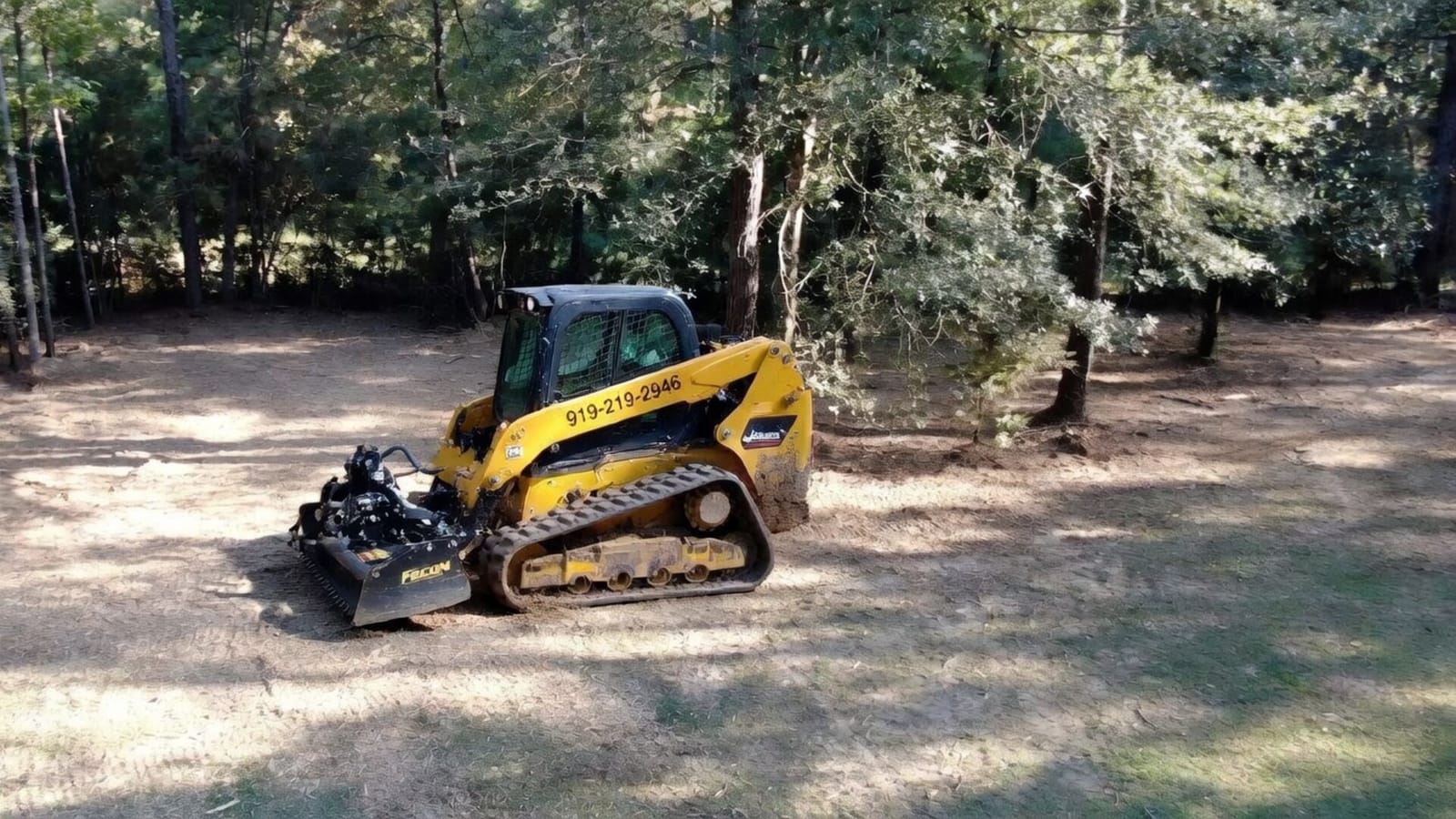
Guide Land Clearing Permits in Austin and Travis County
In unincorporated Travis County the permit trigger is machinery, not acreage. The clearing permit, Austin tree rules, habitat season and burn bans, in order.
 Cost Guide
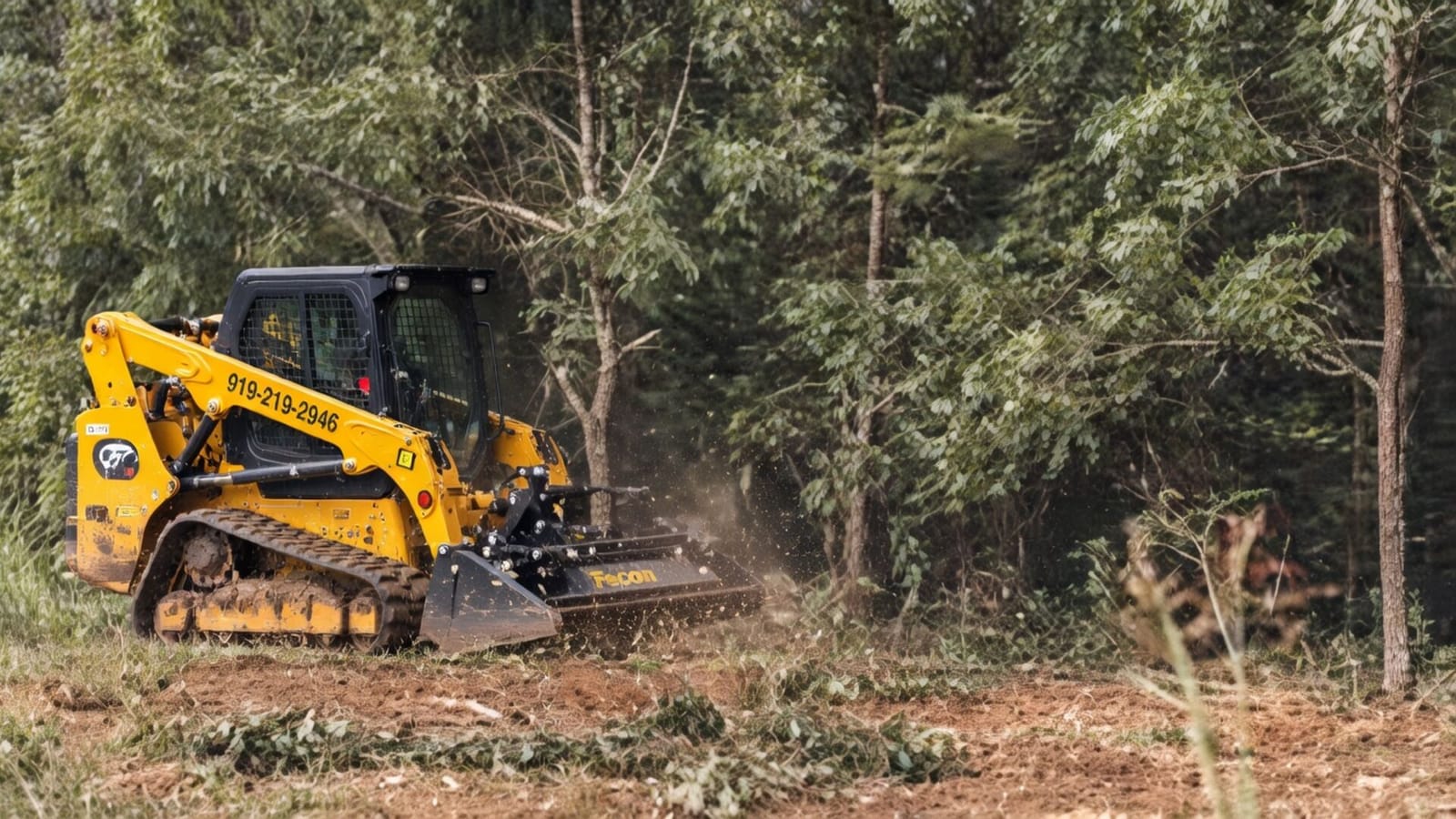
 Forestry Mulching Cost in Austin, TX (2026)
Forestry mulching around Austin runs $1,500 to $4,000 an acre. What limestone, Blackland clay and the clearing season do to the price, and what is left out.
Guide What Is Forestry Mulching? A Complete Guide
What is forestry mulching? See how a forestry mulcher grinds trees and brush into mulch in one pass, what it handles, and when to use it. Get a free estimate.
Ready to Get Started on Your Land?
Get a free, no-obligation estimate for property in Austin & Central Texas.
Get Your Free QuoteOr call us directly: (919) 525-3950