
Brush Hogging Cost Per Acre in Wisconsin (2026 Guide)
Cut Brush Team · November 9, 2026 · 9 min read
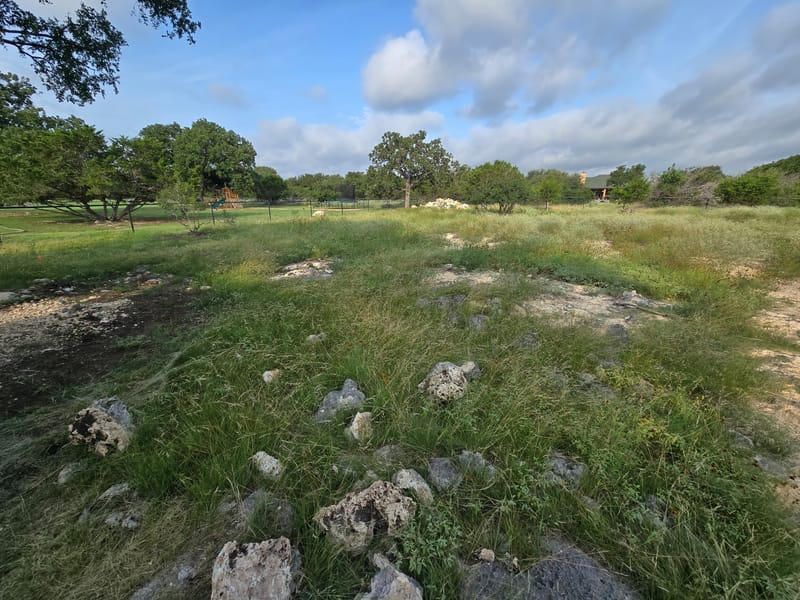
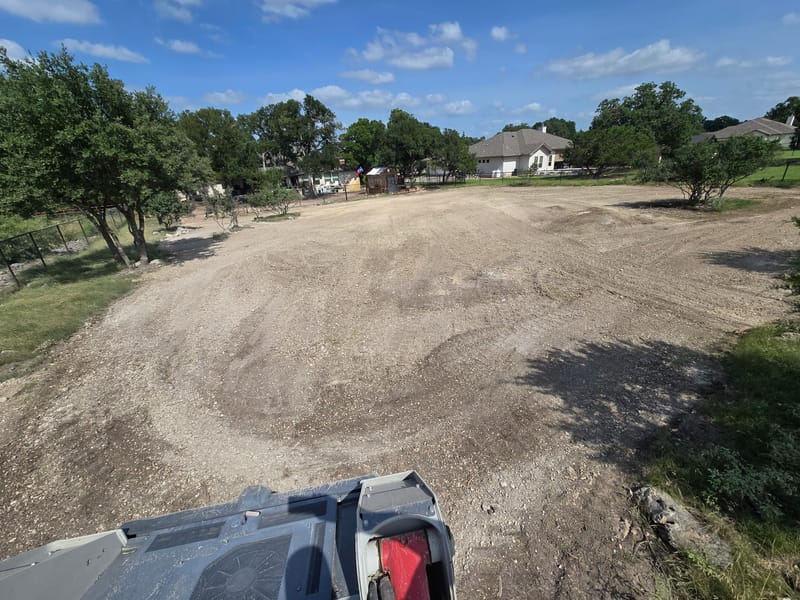
A Wisconsin field left alone fills in on a schedule: thistle and wild parsnip the first summers, then multiflora rose, boxelder spreading off the fencerow and buckthorn seedlings at the woods edge. We brush hog Wisconsin fields for $75 to $400 an acre, set by how long the field has gone unmowed, with a $250 to $500 minimum per visit. Once the stems pass 2 to 3 inches it is no longer mowing, and we price it as clearing.
At a glance:
- Mowed within the past year: $75 to $150 an acre
- One or two seasons of growth: $125 to $250 an acre
- Three or more years overgrown: $200 to $400 an acre
- By the hour, where a field’s history is unknown: $60 to $150 an hour
- Noxious weeds: state law makes the owner destroy Canada thistle, leafy spurge and field bindweed before they flower, and cutting counts
- CRP grass: maintenance mowing has to fall outside the nesting season set for Wisconsin and be written into your conservation plan
Our Wisconsin crews work out of Ellsworth, covering Pierce, St. Croix and Pepin counties, and Weston, covering Wausau and the towns around it from Merrill and Antigo to Stevens Point. A field elsewhere in the state is still worth asking about.
How Much Does Brush Hogging Cost Per Acre in Wisconsin?
Brush hogging is a heavy rotary cutter behind a tractor or on a tracked loader. It tops everything in its path and leaves the cut growth lying on the field. It does not pull roots, so what comes back depends on what was growing there.
| Field condition | Our price per acre | What it looks like in Wisconsin |
|---|---|---|
| Mowed within the past year | $75 – $150 | Hay or pasture gone to seed, patches of Canada thistle, no woody stems |
| One or two seasons of growth | $125 – $250 | Wild parsnip stalks up to 5 feet, young rose clumps, boxelder seedlings along the fencerow |
| Three or more years overgrown | $200 – $400 | Multiflora rose thickets, boxelder and buckthorn whips up to about 2 inches |
| Stems past 2 to 3 inches | Not a brush hog job | A buckthorn or honeysuckle shrub layer, boxelder grown into trees: understory clearing at $1,500 – $2,500 or forestry mulching at $1,500 – $4,000 |
Every visit carries a $250 to $500 minimum, which covers loading the machine, the drive and unloading. On a single acre the minimum is usually the whole price.
Where these numbers come from. The three mowing rows and the minimum are our brush hogging bands, set wide on purpose so the quote never surprises you. When a field needs more than a mower, the price moves to the bands on our Ellsworth pricing page and Weston pricing page. Both publish the same numbers; Ellsworth calls the understory row Buckthorn & Understory Clearing, Weston calls it Honeysuckle & Understory Clearing.
A worked example: eight acres of pasture with two seasons of parsnip and rose come to $1,000 to $2,000 (eight times $125 to $250). Mowed every year, the same eight acres stay at $600 to $1,200.
What Changes the Price of a Wisconsin Field
Boxelder coming off the fencerow. Boxelder is the tree that marches into Wisconsin fields from the fencerow, and its stem size picks the tool. Once seedlings pass 2 feet tall but stay under 1½ inches thick, a brush hog cuts them cleanly, and they send up new shoots from the stubs, so a broadleaf spray on the regrowth follows. Past 2 inches, each tree is cut by hand or mulched, so a fencerow left a few more summers leaves the mowing bands.
Multiflora rose. A pasture full of multiflora rose is slow, careful mowing, because the thorns puncture tires. A heavy mower knocks rose down well, but it stays down only when the cut stumps or resprouts are treated afterward. Without that, plan on mowing the same clumps next year.
Wild parsnip. Parsnip invades Wisconsin old fields, pastures and roadsides, and from late spring to mid-summer it sends up stout, hollow, grooved stalks up to 5 feet tall topped with flat heads of small yellow flowers. Its sap blisters skin in sunlight, so anyone working near it should wear gloves, long sleeves and long pants. Cut it before seed sets and the stand thins each year. Wait until the heads have seeded and they need gathering and disposal, which adds time to the visit.
Ridge field or coulee side. In Pierce County one pasture can sit on a flat ridge top and the next can drop down a coulee. Level ridge ground sits at the low end of a band; a coulee side is slower going and sits higher. If part of a pasture is too steep to mow safely, ask that the quote name it and leave it out.
The spring thaw. A Wisconsin field goes soft as the frost comes out, and a tractor on thawing ground leaves ruts. Plan the mowing around the thaw: late spring once the ground firms, late summer and fall, or frozen ground for a brushy fence line.
Pro tip: If parsnip is spreading in your pasture, book the first cut for before the yellow heads go to seed, then keep that week on the calendar every year. A parsnip field mowed on time gets cheaper each season; one mowed late keeps reseeding itself.
Brush Hogging Costs Across Wisconsin
Ellsworth and Pierce County. Pierce County farms mix crop ground, hay and pasture, cut through by coulees, and portions of Pierce and St. Croix counties, with most or all of Pepin, lie in the Western Coulees and Ridges. Grown-up pasture and fence lines are the usual mowing work. Amur honeysuckle is Prohibited in all three counties, and for a Prohibited species the landowner is responsible for controlling it, so a honeysuckle edge mowed back is the first step of a plan, not the last. The Ellsworth land clearing page lists the towns we cover.
Weston and Greater Wausau. The Town of Weston sits just east of Wausau, where the Eau Claire River meets the Wisconsin River, and fields along both rivers are best mowed in a dry stretch of summer or on frozen ground. Amur honeysuckle is Prohibited in Marathon, Lincoln, Langlade and Portage counties too. The Weston land clearing page covers the towns and the ground.
The Driftless south of Pepin. Most or all of Buffalo, Trempealeau, La Crosse and Vernon counties sit in the same unglaciated coulee landscape, where forest covers 41 percent of the land, farming 36 percent and grassland 14 percent. Slope sets most prices here. Amur honeysuckle changes class at the Pepin and Buffalo county line: Prohibited to the north, Restricted from Buffalo south through La Crosse and Vernon.
Southern Wisconsin woodlot edges. Across Dane, Jefferson, Walworth and Waukesha counties, most woodlots carry invasive shrubs such as buckthorn and bush honeysuckle, and field edges against those woods fill with seedlings first. Mowing the edge every year holds the line cheaply. Once the shrubs are past 2 to 3 inches, the work is priced in our underbrush removal cost in Wisconsin guide instead.
Wisconsin Mowing Rules: Weeds, CRP and Nesting Season
Noxious weeds. Whoever owns, occupies or controls Wisconsin land must destroy the noxious weeds on it: Canada thistle, leafy spurge and field bindweed statewide, plus any weed a county or municipality adds by resolution or ordinance. Cutting counts when it is timed to keep the plants from reaching flower. A town, village or city may publish a notice by May 15 each year telling owners to do it, so a thistle field may need its first mow before early summer.
CRP and program grass. Grass enrolled in the Conservation Reserve Program has a primary nesting season, set for Wisconsin by the state FSA committee. Maintenance mowing must fall outside that season and follow your conservation plan, and spot work inside it needs approval first. Before we mow enrolled acres, call your county FSA office and get the allowed window in writing. Parsnip blooms from late spring to mid-summer, so on enrolled ground ask the county office how to time the parsnip as well.
Invasive brush. Buckthorn, multiflora rose and wild parsnip are Restricted under NR 40: control is encouraged, not required, and mowing leaves the cuttings on your field, so nothing is hauled off.
Frequently Asked Questions
How much does it cost to brush hog 1 acre in Wisconsin?
Usually the $250 to $500 minimum, because loading and hauling the machine costs the same for one acre as for six. Larger fields are priced by the acre: $75 to $150 if the field was mowed last year, rising to $400 once it has gone three years or more.
Will brush hogging get rid of buckthorn and honeysuckle?
No. Buckthorn and the bush honeysuckles resprout vigorously from the stump whatever month they are cut, so mowing holds them down without killing them. Lasting control means a herbicide on the cut stumps, which is a licensed applicator’s work and not part of our mowing price. Budget the mowing as a yearly cost, or see our buckthorn removal guide and bush honeysuckle removal guide for clearing the shrubs out.
Why do brush quotes in Wisconsin run from under $100 to over $1,000 an acre?
They price different jobs. A published Wisconsin contractor’s estimate of $400 to $1,200 an acre covers mowing and mulching brush with stems up to 6 inches; our mowing bands stop at 2 to 3 inch stems. Custom hay mowing, at about $18 an acre, is cleaner ground still. Ask what stem size a quote assumes.
Can I hire a brush hog by the hour in Wisconsin?
Yes. We quote $60 to $150 an hour when nobody knows what years of growth are hiding, such as a coulee pasture with old fence wire in it. Ask for an estimated number of hours up front, so the bill has a ceiling.
How often should a Wisconsin field be brush hogged?
Once a year keeps most fields in the lowest band. A thistle field under a town weed notice needs its cut before the plants flower, a parsnip field before seed sets, and enrolled CRP grass only in the window your county FSA office allows.
Get a Brush Hogging Quote in Wisconsin
Request a free quote and our crew will contact you to discuss your property, access and the mowing or clearing you need. Pick the nearest area below: Ellsworth for Pierce, St. Croix and Pepin counties, or Weston for Wausau and the Marathon County towns. If the field has already grown into trees, our forestry mulching cost in Wisconsin guide and land clearing cost per acre in Wisconsin guide price the next step.
Sources
- Wisconsin Statutes, s. 66.0407, noxious weeds
- University of Wisconsin–Madison Extension, custom rates for Wisconsin farm operations
More from the Cut Brush Blog
Keep reading for more tips and guides on land clearing.
 Cost Guide
Land Clearing Cost Per Acre in Wisconsin (2026 Guide)
Land clearing in Wisconsin: $1,500 to $4,500 an acre. See how buckthorn, oaks and lakeshore rules move the price. Request a free quote today for your land.
Cost Guide Forestry Mulching Cost in Ellsworth, WI (2026)
Forestry mulching near Ellsworth, WI costs $1,500 to $4,000 an acre. Weigh an hourly bid against a per-acre price on coulee ground. Request a free quote.
Cost Guide Forestry Mulching Cost in Wisconsin (2026 Guide)
Forestry mulching in Wisconsin costs $1,500 to $4,000 an acre. How buckthorn, frozen ground and the DNR landowner grant shape it. Request a free quote.
Comparing states? See land clearing costs by state.
Let's Get Started on Your Land
Request a free quote. We'll contact you to discuss your property, access, and the clearing you need.
Get a Free QuoteOr call us directly: (919) 525-3950
 Quick answers from Cut Brush