Cedar and Blackbrush Clearing in Uvalde, TX: Two Kinds of Brush
Cut Brush Team · October 1, 2026 · 5 min read
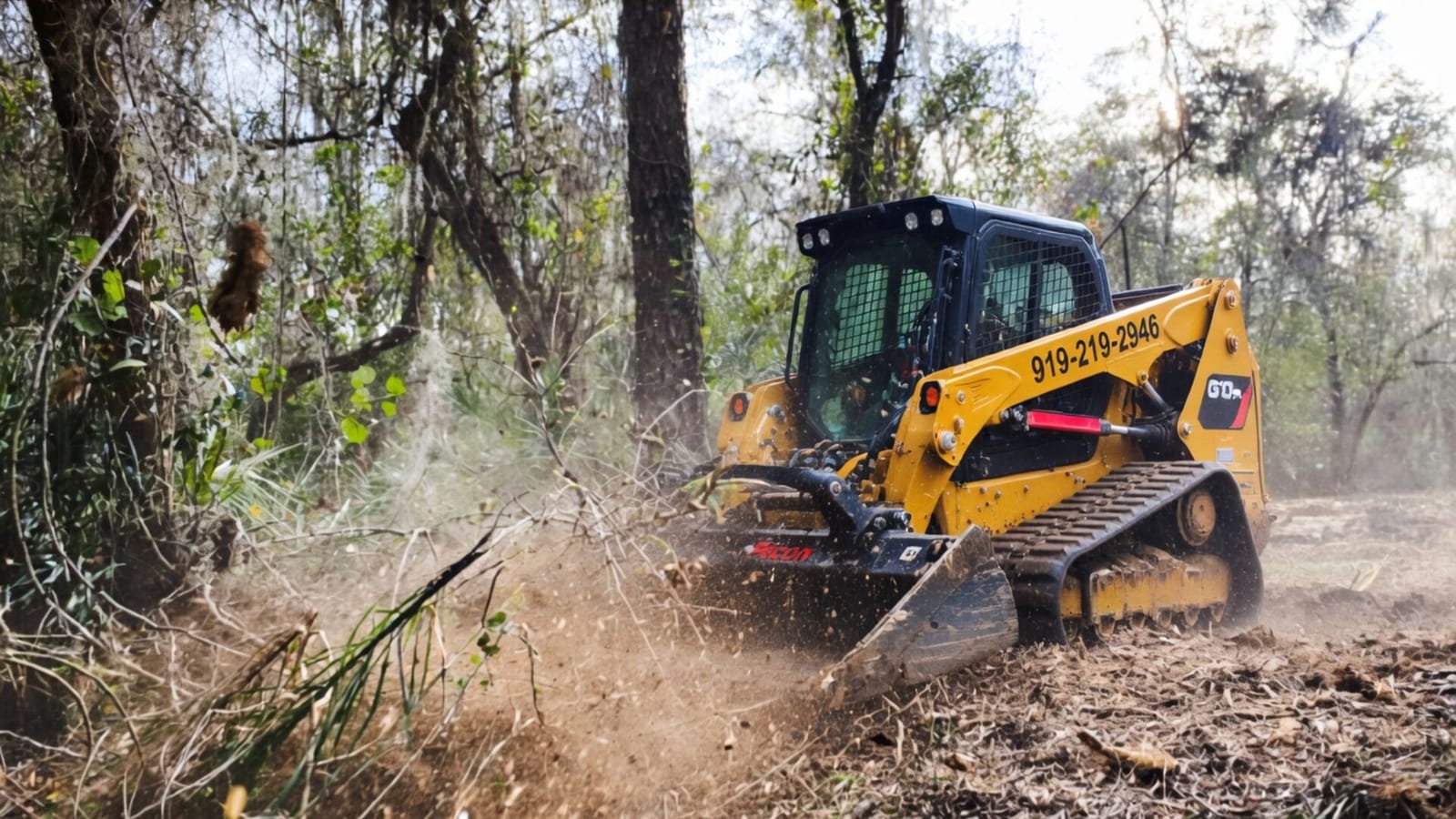
Around Uvalde, clearing brush usually means one of two different jobs: cedar on the shallow, rocky hills of the Edwards Plateau to the north, or blackbrush and other thorn on the South Texas Plains to the south. They differ in where they grow, how fast a machine moves through them, and what comes back afterwards. Knowing which one you have, and whether your land sits over the Edwards Aquifer recharge zone, is most of the planning.
Where the Plateau Meets the Plains
Texas Parks and Wildlife describes the South Texas Plains as a band running from Del Rio to San Antonio and southeast toward Rockport (TPWD, South Texas Plains vegetation). Uvalde sits on its northern rim. Drive north toward Utopia, Concan or Leakey and the land climbs onto the Edwards Plateau; drive south toward Crystal City or Carrizo Springs and it flattens into brush country.
Both landscapes used to be more open. TPWD’s account of the plateau says that by 1900 continuous overgrazing and the control of fire had begun turning its grassland into brushland (TPWD, Edwards Plateau). Its account of the plains records mesquite at a much lower density before ranching changed the fire cycle, with natural fires once keeping the region a savannah. The brush a landowner fights today is the result of a century of both changes.
Cedar on the Hills
On the plateau, the brush most owners want gone is cedar. TPWD names Ashe juniper and redberry juniper, both commonly called cedar, as highly undesirable forage for livestock and deer, and describes the region’s shallow soils and steep canyons.
What matters most for a clearing plan is which cedar is growing. Texas A&M AgriLife’s Brush Busters guidance gives two different answers (AgriLife Brush Busters, cedar top removal):
- Blueberry cedar is controlled by removing the top at or near the ground line with a saw, pruner or similar tool.
- Redberry cedar resprouts, so top removal “will not effectively control plants that are over 8 to 10 years old.”
- For both, seedlings under about 2 feet tall can be killed by hand grubbing, below the basal knob in the case of redberry.
For a forestry mulcher, that means a stand of blueberry cedar ground off at the surface can be close to a one-time job, while older redberry cedar will come back from its base and needs a follow-up plan. Unsure which you have? Send a close photo of the berries with your quote request.
Blackbrush and Thorn on the Flats
South of town the problem changes shape. TPWD describes the typical brush community of the South Texas Plains as “mesquite, blackbrush, brasil, and other thorny plants.” This is low, dense, spiny growth rather than tall trees, and it fills pastures, fence rows and the open ground beneath the oaks and pecans an owner wants to keep.
On level ground a mulcher moves through scattered thorn quickly. Where the stand has closed into a wall, every clump is worked and the pace drops. Ranchers here have tried most tools over the decades: TPWD lists cabling and chaining, then root plowing, roller chopping, Rome discing and chemical spraying. It also offers a wildlife rule of thumb: “brush removal should not exceed 25-30% of the overall area.” On a hunting lease that is a strong argument for clearing lanes, openings and pasture pockets rather than every acre.
The Aquifer Line Runs Between Them
The Edwards Aquifer recharge zone crosses this same edge country. TCEQ’s Edwards Aquifer Protection Program covers Uvalde and Kinney counties, along with six counties farther east (TCEQ, Edwards Aquifer Protection Program). Its rule, 30 TAC 213.3, puts parts of both counties in the recharge zone (30 TAC 213.3).
That rule counts “clearing, excavation, or any other activities that alter or disturb the topographic, geologic, or existing recharge characteristics of a site” as regulated activity. It also lists what is not regulated, including:
- clearing of vegetation without soil disturbance;
- agricultural activities, other than certain feedlots;
- a single-family home on a lot larger than five acres, with no more than one home per lot.
For a cedar or blackbrush job, the difference between grinding brush in place and grubbing stumps or cutting a pad can matter here. Requirements vary by parcel, scope and jurisdiction, and TCEQ makes the determination. Its program page links a map viewer that shows which zone a parcel falls in. Our Uvalde and Uvalde County permit guide covers that rule alongside the city’s tree and burning rules.
Choosing the Method
A practical order for most tracts around Uvalde:
- Name the brush. Cedar on the hill, thorn on the flat, or both. If cedar, which kind.
- Mark what stays. Live oaks, pecans and any shade worth building around.
- Decide the finish. A chip cover with soil left in place, or bare ground for building.
- Check the zone. If the land is in Uvalde or Kinney County, look it up on the TCEQ viewer before soil-moving work.
- Plan the follow-up. Older redberry cedar and thorn seedlings return; a light pass later costs far less than starting over.
Cut Brush does the mechanical work. Any herbicide follow-up is for you or a licensed applicator.
Frequently Asked Questions
Can cedar be cleared at any time of year?
The mechanical work has no fixed season. What changes the plan is the type of cedar and, over the recharge zone, whether the scope disturbs soil.
Is mulching enough for blackbrush?
It opens the ground quickly. Thorn seedlings keep arriving, so most owners plan a light return visit within a few years.
Should I keep some brush?
Often, yes. TPWD’s guidance that brush removal should not exceed 25 to 30 percent of an area is why selective clearing suits hunting and grazing land.
Plan Your Uvalde Brush Clearing
Price the first pass on the Uvalde pricing guide, compare it with the Uvalde forestry mulching cost guide, read more on the Uvalde land clearing page, then request a free quote with a few photos of the brush.
More from the Cut Brush Blog
Keep reading for more tips and guides on land clearing.
 Cost Guide
 Forestry Mulching Cost in Uvalde, TX (2026)
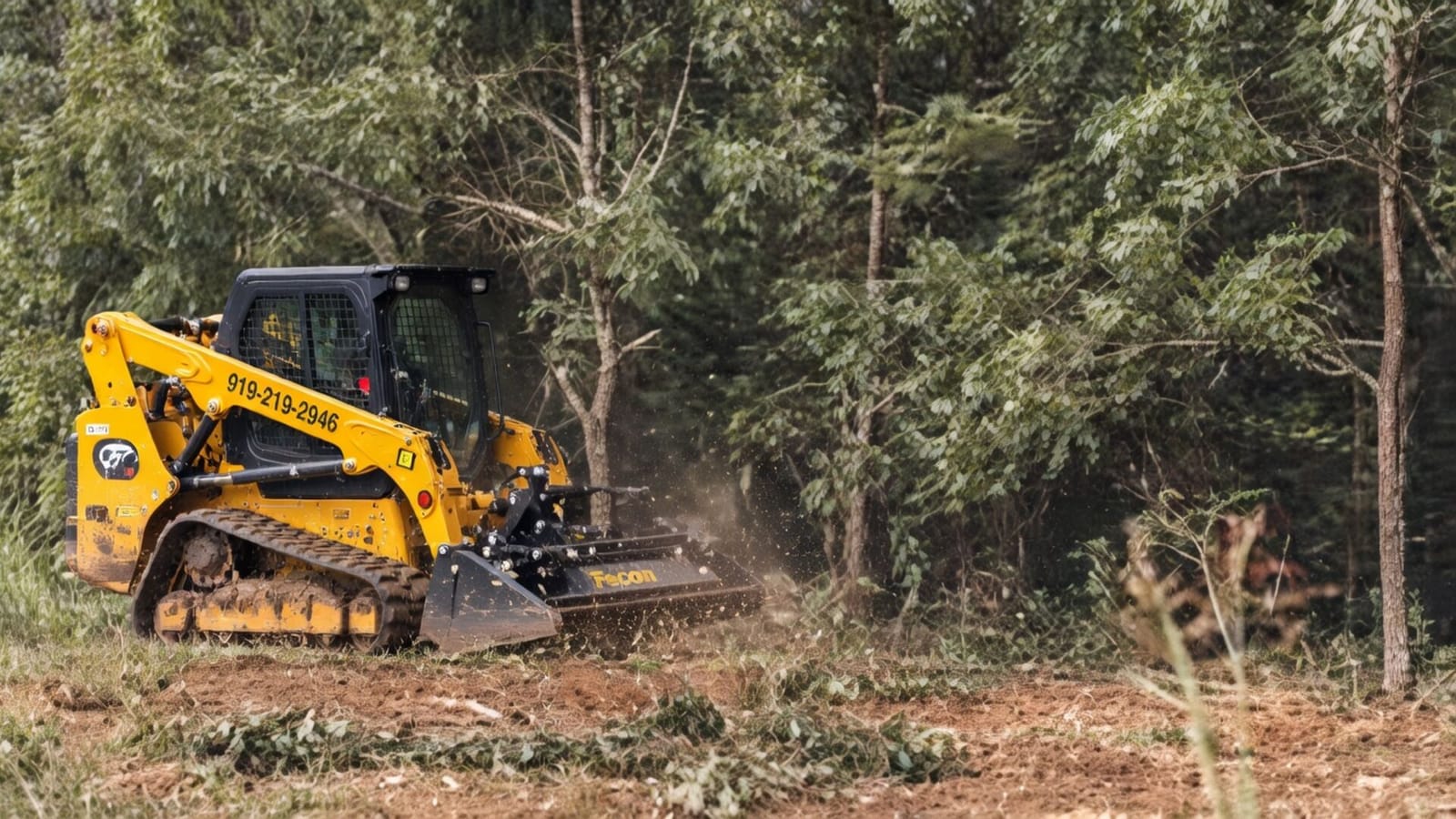
Forestry mulching around Uvalde runs $1,500 to $4,000 per acre. How cedar type, slope and rock, soil disturbance and travel move a Uvalde County quote.
 Guide
Guide Land Clearing Permits in Uvalde & Uvalde County, TX
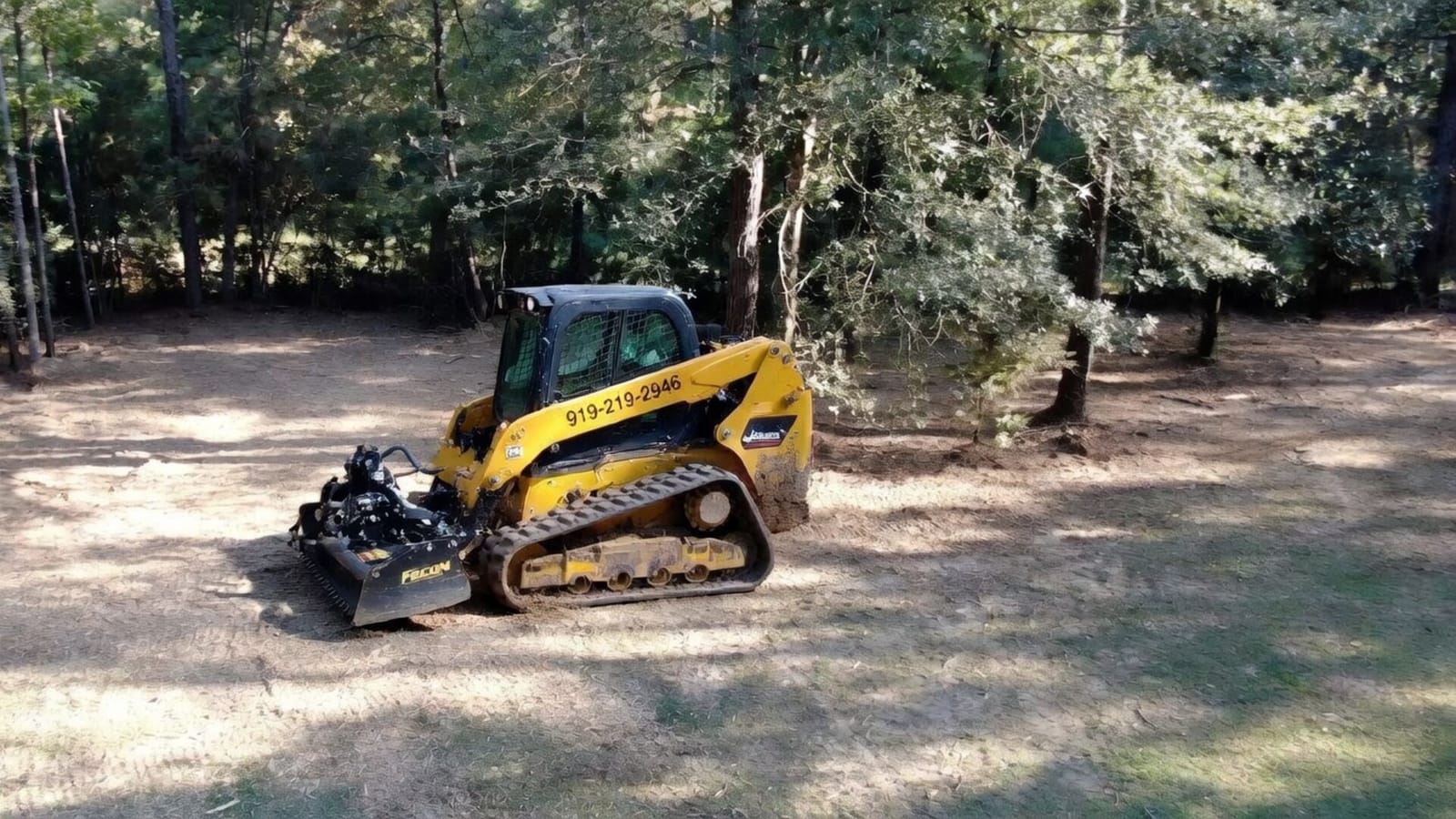
When clearing land in Uvalde needs a heritage tree permit, how the city burn ban works, and what Edwards Aquifer and TCEQ stormwater rules mean in the county.
Cost Guide Forestry Mulching Cost in Texas (2026 Per-Acre Guide)
Forestry mulching in Texas runs $1,500 to $4,000 an acre. See why cedar and rock, Blackland clay, yaupon and burn rules move a quote in each part of the state.
Ready to Get Started on Your Land?
Get a free, no-obligation estimate for property in Uvalde & Southwest Texas.
Get Your Free QuoteOr call us directly: (919) 525-3950