Uvalde's Aquifer Line, Heritage Trees and Burn Rules
The aquifer line is about soil, not brush. Parts of Uvalde and Kinney counties sit on
the Edwards Aquifer recharge zone, where clearing or digging that changes how water soaks into a site is
a regulated activity. Clearing plants without disturbing the soil is left out, and so are farm and
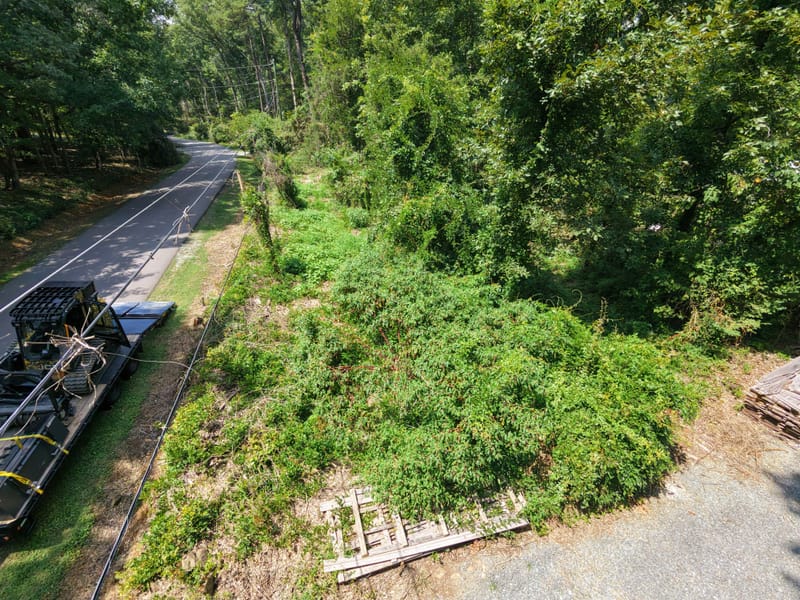
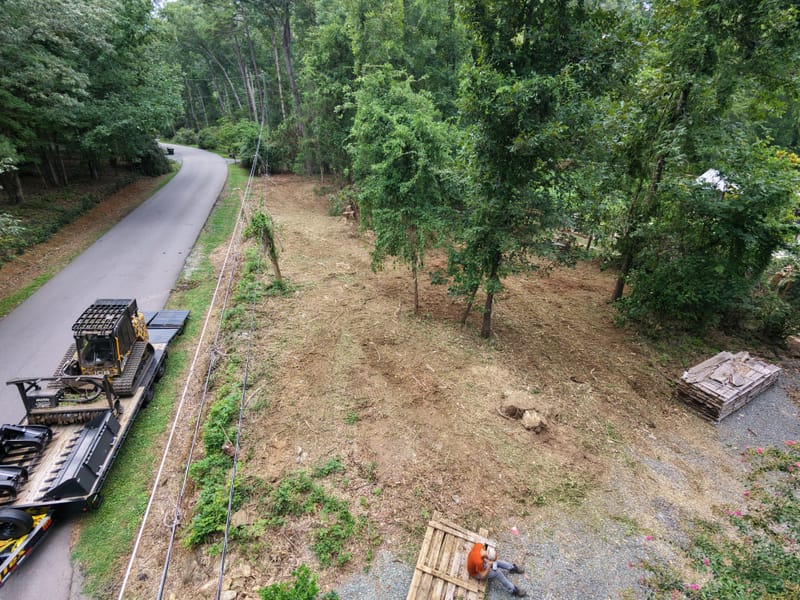
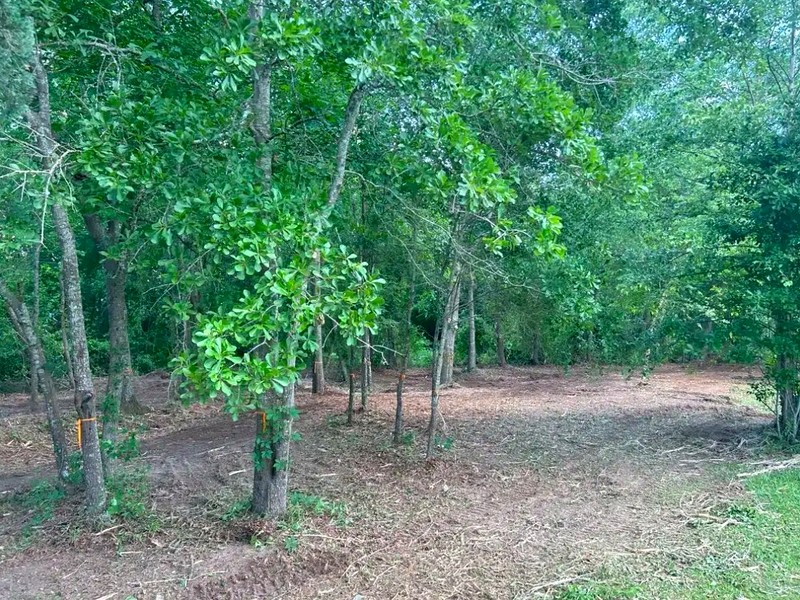
ranch work and a single home on a lot over five acres. Grinding brush in place and pulling stumps or
cutting a pad can land on different sides of that line. Requirements vary by parcel, scope and
jurisdiction, and the state makes the determination; its map viewer shows which zone a parcel is in.
Big oaks and pecans in town are protected. Inside city limits, any live oak, pecan,
cypress or cedar elm 24 inches or more across at chest height is a heritage tree, even on private
land. One can come down only with a removal permit from the building official. Inside the one
percent flood area, those trees must stay. Flag them before the quote and the plan is drawn around
them. The
Uvalde and Uvalde County
permit guide has the details.
A brush pile has nowhere to go inside the city. The city code bans outdoor burning
of any kind, branch trimmings included, with a few narrow exceptions. Out in the county, a burn ban
set at commissioners court stops it too; the
Texas A&M Forest Service burn ban map
shows where things stand. Our
Uvalde cedar and
blackbrush guide explains why mulching avoids the question.