Forestry Mulching Cost in Uvalde, TX (2026)
Cut Brush Team · October 1, 2026 · 5 min read
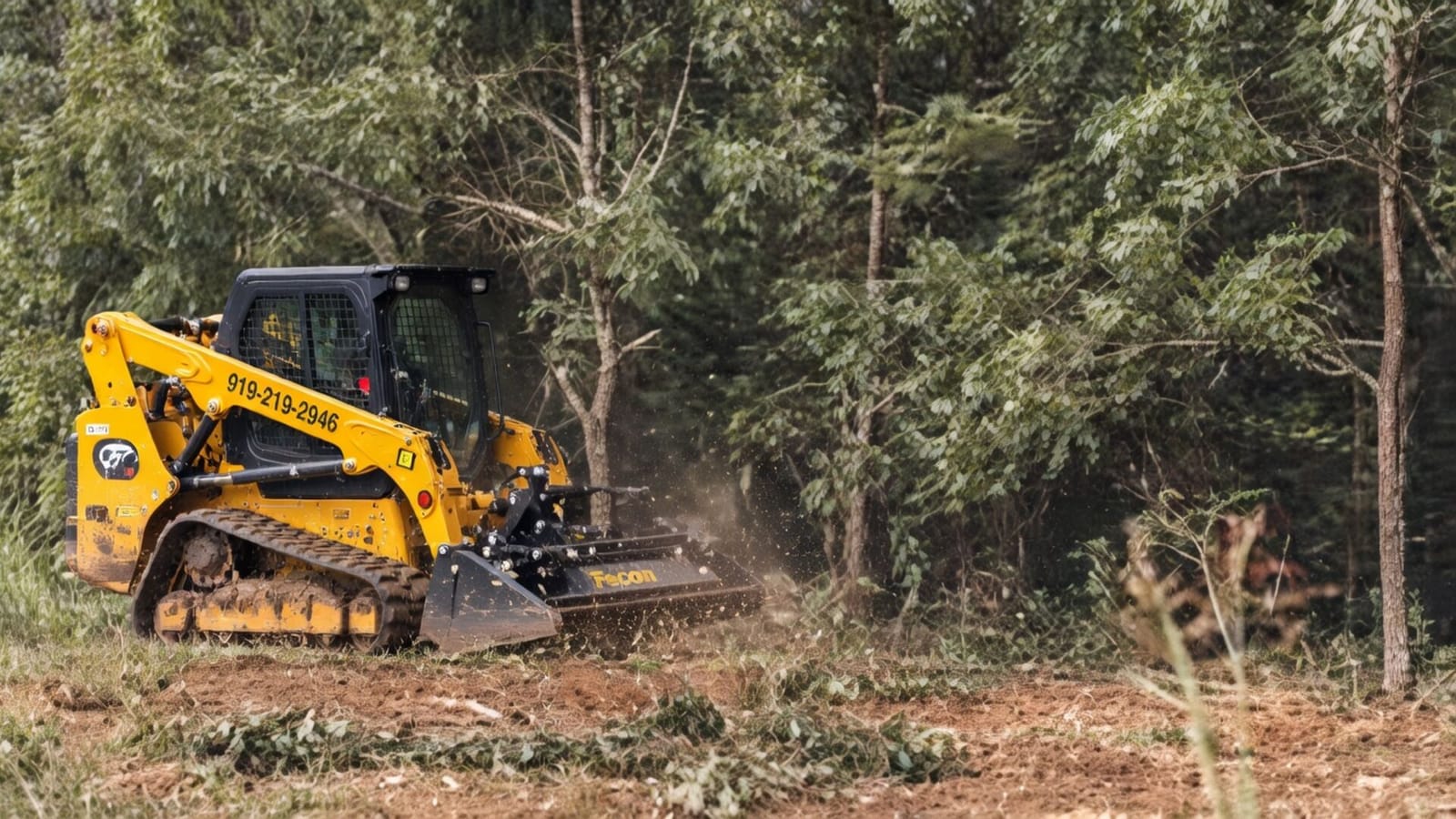
Forestry mulching in and around Uvalde costs $1,500 to $4,000 per acre. Level pasture with scattered thorn brush prices near the bottom of that range, and a dense cedar brake on a rocky hillside prices near the top. Searching for a local figure mostly turns up national cost templates and firms well over a hundred miles away that never mention Uvalde or a price. This guide gives the per-acre number, the local conditions that move a tract up or down inside it, and the questions worth putting to anyone who bids.
Per-Acre Mulching Prices Around Uvalde
| What the ground looks like | Typical range | Why |
|---|---|---|
| Scattered thorn brush on level pasture | $1,500 – $2,000 / acre | The machine travels fast between plants |
| Brush thickened in fence rows and under oaks | $2,000 – $3,000 / acre | Careful work around trees you keep |
| Closed cedar on slopes and shallow rock | $3,000 – $4,000 / acre | Slow climbing, more passes |
| Whole-tract clearing to a written finish | $1,500 – $4,500 / acre | A different scope, covered below |
On anything under about two acres, the trailer trip matters more than the acreage. Getting a tracked machine to a lot in Sabinal or a pasture corner near Big Wells costs about the same whether it runs two hours or eight, so most projects start close to $1,500.
Cedar Country or Thorn Country
Uvalde sits where two Texas landscapes meet, and the side of town your land is on goes a long way toward setting the price.
North of the city the ground rises onto the Edwards Plateau. Texas Parks and Wildlife describes that region as shallow soils and steep canyons, and names Ashe juniper and redberry juniper, both commonly called cedar, as highly undesirable forage for livestock and deer (TPWD, Edwards Plateau). Mulching cedar on a slope is deliberate work. The machine climbs, backs, and picks its way around rock, and a closed stand can take several passes before the ground shows again.
South of the city the land flattens into the South Texas Plains, which TPWD places in a band from Del Rio to San Antonio and on toward Rockport, dominated by “mesquite, blackbrush, brasil, and other thorny plants” (TPWD, South Texas Plains vegetation). Thorn brush on level ground lets a mulcher run, so long as the stand has not closed into a wall. That is why two 10-acre tracts, one up toward Leakey and one out past La Pryor, can land at opposite ends of the band.
Which Cedar You Have Changes the Plan
Not all cedar behaves the same once it is cut. Texas A&M AgriLife’s Brush Busters guidance says blueberry cedar is controlled by removing the top at or near the ground line, while redberry cedar resprouts, so “top removal will not effectively control plants that are over 8 to 10 years old” (AgriLife Brush Busters, cedar top removal).
That does not change the per-acre rate for the first pass. It changes what you are buying. On a tract of young or blueberry cedar, one pass can be the whole job. On a hillside of old redberry cedar, a realistic budget includes a return visit or a follow-up treatment by you or a licensed applicator. Cut Brush handles the mechanical work. Our Uvalde cedar and blackbrush guide explains how to tell the two apart and plan around each.
Soil, the Aquifer, and What Happens to the Debris
Two rules shape the scope more than the rate.
The Edwards Aquifer. TCEQ’s Edwards Aquifer Protection Program covers Uvalde and Kinney counties. On the recharge zone, 30 TAC 213.3 lists clearing that alters a site’s recharge characteristics as regulated activity, and it excludes “clearing of vegetation without soil disturbance” (30 TAC 213.3). Mulching leaves roots and soil in place, while stump pulling and pad work move dirt. Whether a given job is regulated is TCEQ’s determination, and where a plan is required its review time and any engineering fee belong in your budget, not ours.
Burning. Inside city limits, Uvalde’s code prohibits outdoor burning of any kind, branch trimmings included, apart from narrow exceptions. In the county, state rules allow a land-clearing burn on site with distance, daylight and wind limits, and a county burn ban stops it while it lasts. A bid that counts on a burn pile can grow a hauling line later. Mulching leaves no pile.
Mulching or Full Clearing?
Forestry mulching turns standing brush and small trees into chips where they stand. Stumps end up level with the ground, the chips stay as a cover, and no dirt is moved.
Land clearing is priced by the finish: stumps pulled or left, material ground or hauled, ground shaped or not. At $1,500 to $4,500 per acre, it is what a tract headed for a house pad, a drive or a utility trench needs. Inside the city, live oaks, pecans, cypress and cedar elms 24 inches or larger also bring a tree permit into the picture, which our Uvalde and Uvalde County permit guide covers.
Ask every bidder to say in writing which of the two they priced, whether hauling is included, and whether stumps come out.
Frequently Asked Questions
What does a single acre of mulching cost near Uvalde?
Between $1,500 and $4,000, depending on the brush and the ground. One acre on its own usually lands near the project minimum, because the trailer trip costs the same at any size.
Is mulching cheaper than piling and hauling?
Usually. Cutting, stacking, loading and trucking are four steps; mulching in place is one. With burning banned inside the city and subject to county bans outside it, the gap is often wider than owners expect.
Will cedar grow back after mulching?
It depends on the cedar. AgriLife says redberry cedar resprouts, while blueberry cedar is controlled by removing the top at the ground line, so the follow-up plan follows the species.
Get a Number for Your Uvalde Property
A forestry mulching cost in Uvalde becomes one figure only if we can take work in your county, and after the cedar type, the slope, the access and your plans for the land have been seen.
Set your project against each band on the Uvalde pricing guide, read about the local ground on our Uvalde land clearing page, then request a free quote. Where we can take the job, the scope goes in writing, so the job you approve is the job you pay for.
More from the Cut Brush Blog
Keep reading for more tips and guides on land clearing.
 Guide
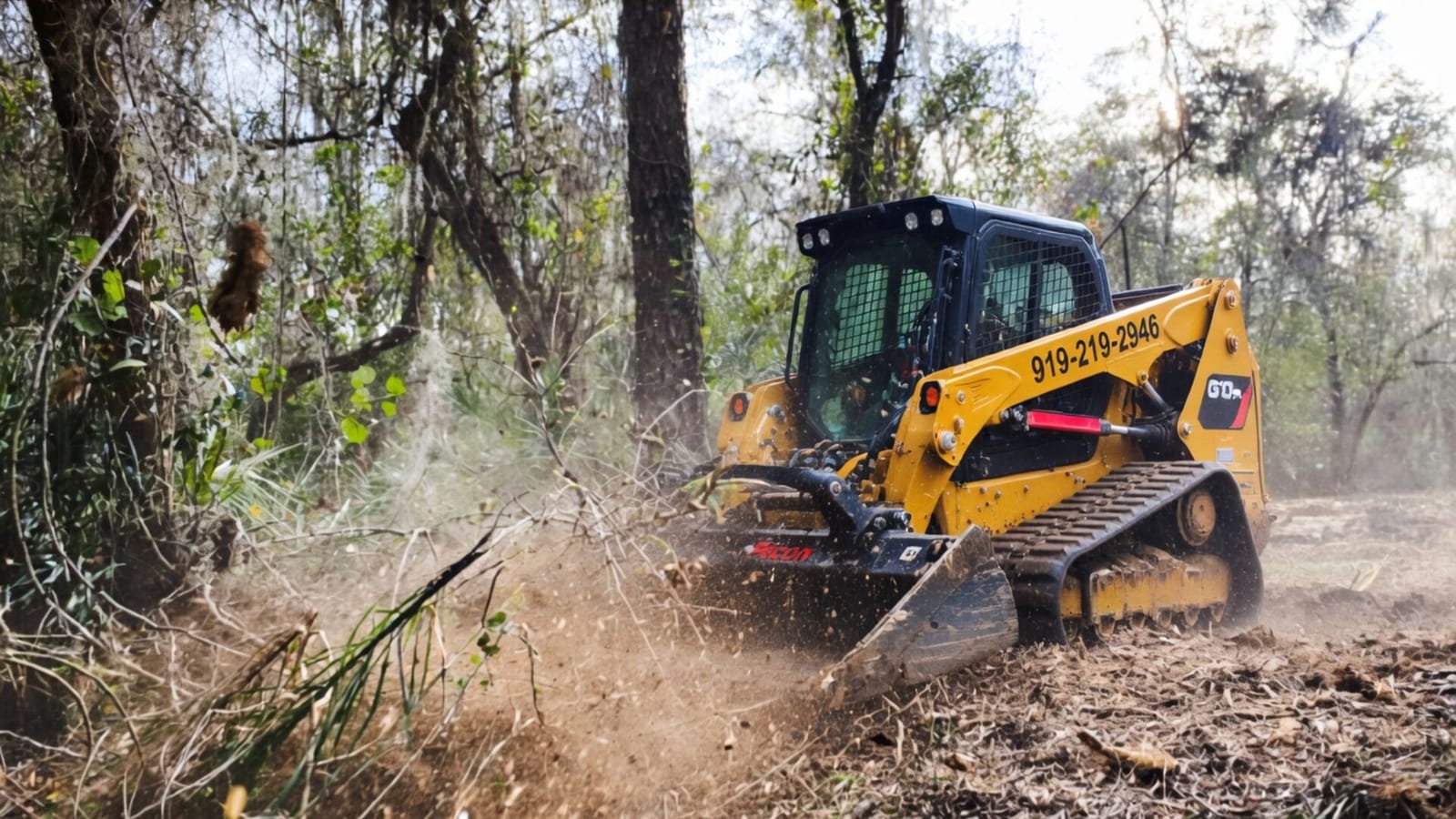
Guide Cedar and Blackbrush Clearing in Uvalde, TX: Two Kinds of Brush
Uvalde sits where Hill Country cedar meets South Texas blackbrush. How the two differ, which cedar resprouts, and what the aquifer line means for clearing.
 Guide
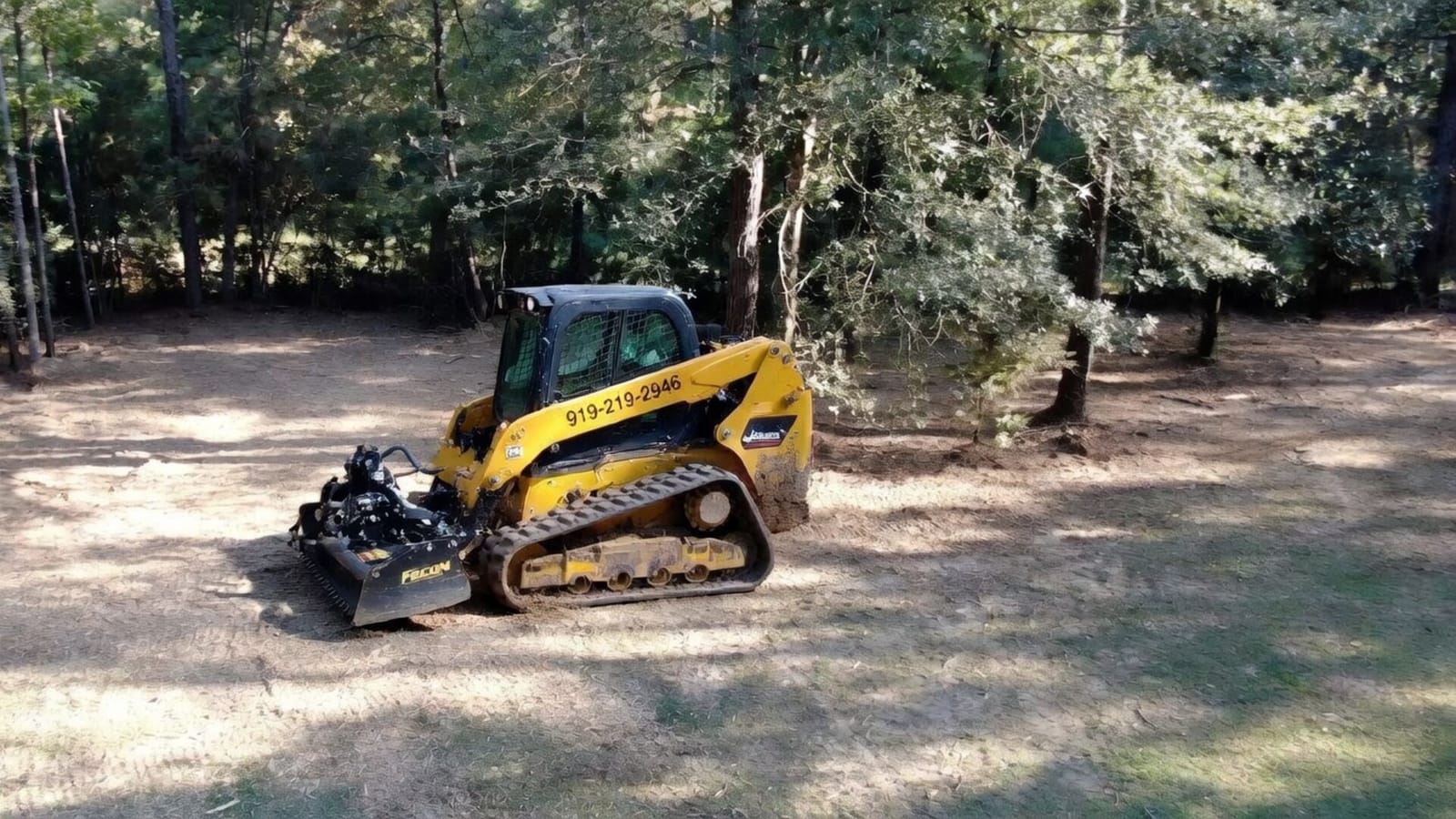
Guide Land Clearing Permits in Uvalde & Uvalde County, TX
When clearing land in Uvalde needs a heritage tree permit, how the city burn ban works, and what Edwards Aquifer and TCEQ stormwater rules mean in the county.
Cost Guide Forestry Mulching Cost in Texas (2026 Per-Acre Guide)
Forestry mulching in Texas runs $1,500 to $4,000 an acre. See why cedar and rock, Blackland clay, yaupon and burn rules move a quote in each part of the state.
Ready to Get Started on Your Land?
Get a free, no-obligation estimate for property in Uvalde & Southwest Texas.
Get Your Free QuoteOr call us directly: (919) 525-3950