Land Clearing Permits in Uvalde & Uvalde County, TX
Cut Brush Team · October 1, 2026 · 6 min read
Inside Uvalde city limits, the permit most clearing jobs run into is the heritage tree permit: a live oak, pecan, cypress or cedar elm 24 inches or larger comes out only with the building official’s approval. Brush itself needs no city permit that we found, but burning it in town is prohibited. Across parts of Uvalde County, the Edwards Aquifer rules in 30 TAC 213 can reach clearing that disturbs soil, and the state’s construction stormwater permit applies from one acre of disturbance.
Each rule below names its source. Requirements vary by parcel, scope and jurisdiction, and the governing authority makes the determination.
Heritage Trees Inside the City
Uvalde’s tree preservation rules are Chapter 15.26 of the city code, adopted in 2018 (Uvalde Code ch. 15.26, Tree Preservation). The chapter applies to private property within city limits and to city-owned land. Four provisions decide most private jobs.
What counts as a heritage tree. A live oak, pecan, cypress or cedar elm measuring 24 inches or more in diameter at four and a half feet above the ground. Other species and smaller trees are not heritage trees under the chapter.
Who decides. The building official administers the chapter. Heritage trees “may only be removed after a tree removal permit has been issued,” and the building official can approve removal, transplanting or replacement, or deny the permit. Variances and appeals go to city council.
Floodplains. Heritage trees are to be preserved at 100 percent inside one percent flood areas. The floodplain administrator can permit removal of one that impedes the flow of water in a floodway.
Exemptions. Heritage trees the building official finds diseased, dying, dead or hazardous after a storm or flood are exempt, as is narrow clearing of understory for boundary or tree surveys, limited to two feet wide for general surveys and eight feet for property lines. Conservation subdivisions are exempt as a category.
The same chapter also sets out how kept trees are protected during construction: a root protection zone of one foot of radius for each inch of trunk diameter, no soil disturbance closer to the trunk than half that radius, and a barrier in place before site work starts. The building official can post a stop work order when a violation continues. For a clearing job, the practical step is simple: identify the big oaks and pecans on a town lot before anyone quotes it, and ask the city before any of them are touched.
Burning Is Prohibited Inside the City
Chapter 8.44 of the code covers outdoor burning (Uvalde Code ch. 8.44, Outdoor Burning). It adopts the state outdoor burning rules and then goes further: outdoor burning “of any kind is prohibited” within the city, except under listed exceptions or with permission from the fire marshal and fire chief and the consent of city council. The prohibition names “grass, leaves, and branch trimmings.” Any county or state burn ban overrides the chapter.
The exceptions cover things like fire training, cooking and small recreational fires, not brush piles. On a town lot, plan on the brush being mulched or hauled.
Burning in Unincorporated Uvalde County
Outside the city, state rules govern. Plant growth from land clearing may be burned on the property where it grew (30 TAC 111.209), subject to general conditions: outside city limits unless a local ordinance allows it, downwind of or at least 300 feet from neighbouring structures with people in them unless they agree in writing, between an hour after sunrise and an hour before sunset, with the wind between 6 and 23 mph, and attended throughout (30 TAC 111.219).
A county burn ban stops burning altogether while it lasts. In Uvalde County bans are adopted and lifted by commissioners court; its minutes of 13 April 2026 record a motion to lift the burn ban carried 4-0 (Uvalde County Commissioners Court minutes, 13 April 2026). That status can change at any meeting, so check the county and the Texas A&M Forest Service burn ban map before planning a fire. Grinding in place avoids the question.
The Edwards Aquifer Rules
TCEQ’s Edwards Aquifer Protection Program regulates activities in eight counties, and Uvalde and Kinney are two of them, handled by TCEQ’s San Antonio Regional Office (TCEQ, Edwards Aquifer Protection Program). TCEQ says a plan must be reviewed and approved by the program before building on the recharge, transition or contributing zones. It gives up to 30 days for administrative review and 90 days for technical review of a complete application, and it links a map viewer for checking a parcel’s zone.
The governing rule, 30 TAC 213.3, defines the recharge zone to include parts of Kinney and Uvalde counties. Its definition of regulated activity includes:
- construction of buildings, utility lines, roads and similar work;
- “clearing, excavation, or any other activities that alter or disturb the topographic, geologic, or existing recharge characteristics of a site.”
The same definition excludes, among other things:
- “clearing of vegetation without soil disturbance”;
- agricultural activities, except certain feedlots and concentrated animal feeding operations;
- routine maintenance of existing structures, including building fences;
- construction of single-family homes on lots larger than five acres, with no more than one home per lot.
So the scope of a job matters over the recharge zone. Grinding brush where it stands, stump grubbing, and cutting a building pad are different activities under this rule. Whether a specific job on a specific parcel is regulated is TCEQ’s determination. Cut Brush does not prepare aquifer plans or provide engineering, but can flag the question at the quote stage so it is answered before work rather than after.
TCEQ Construction Stormwater Across the County
Separately from the aquifer rules, TCEQ’s construction general permit, TXR150000, covers soil disturbance of one acre or more, or less where the site is part of a larger common plan of development (TCEQ construction stormwater). It applies in the city and the county alike. A mulching-only job that leaves soil in place is a different question from grubbing and grading a building site; the permit’s own terms decide which applies.
No separate Uvalde County permit for clearing private land turned up in our research. Treat that as unconfirmed and ask the county before a large project.
Frequently Asked Questions
Do I need a permit to clear brush on a lot in Uvalde?
Not for the brush itself, as far as the city code we reviewed shows. A heritage tree on the lot needs a removal permit before it comes out, and burning the cut brush in town is prohibited.
Does the aquifer rule apply to my land?
Only if the parcel is on a zone TCEQ regulates and the work is regulated activity. Check the TCEQ map viewer, then ask the San Antonio Regional Office.
Can I burn brush outside town?
Under state rules, often yes, with distance, daylight and wind limits, unless a county burn ban is in force.
Talk Through Your Uvalde Project
See what each kind of work costs on the Uvalde pricing guide, read about the ground on our Uvalde land clearing page, compare the Uvalde forestry mulching cost guide, then request a free quote. Cut Brush can flag what commonly applies and help identify the right office.
More from the Cut Brush Blog
Keep reading for more tips and guides on land clearing.
 Guide
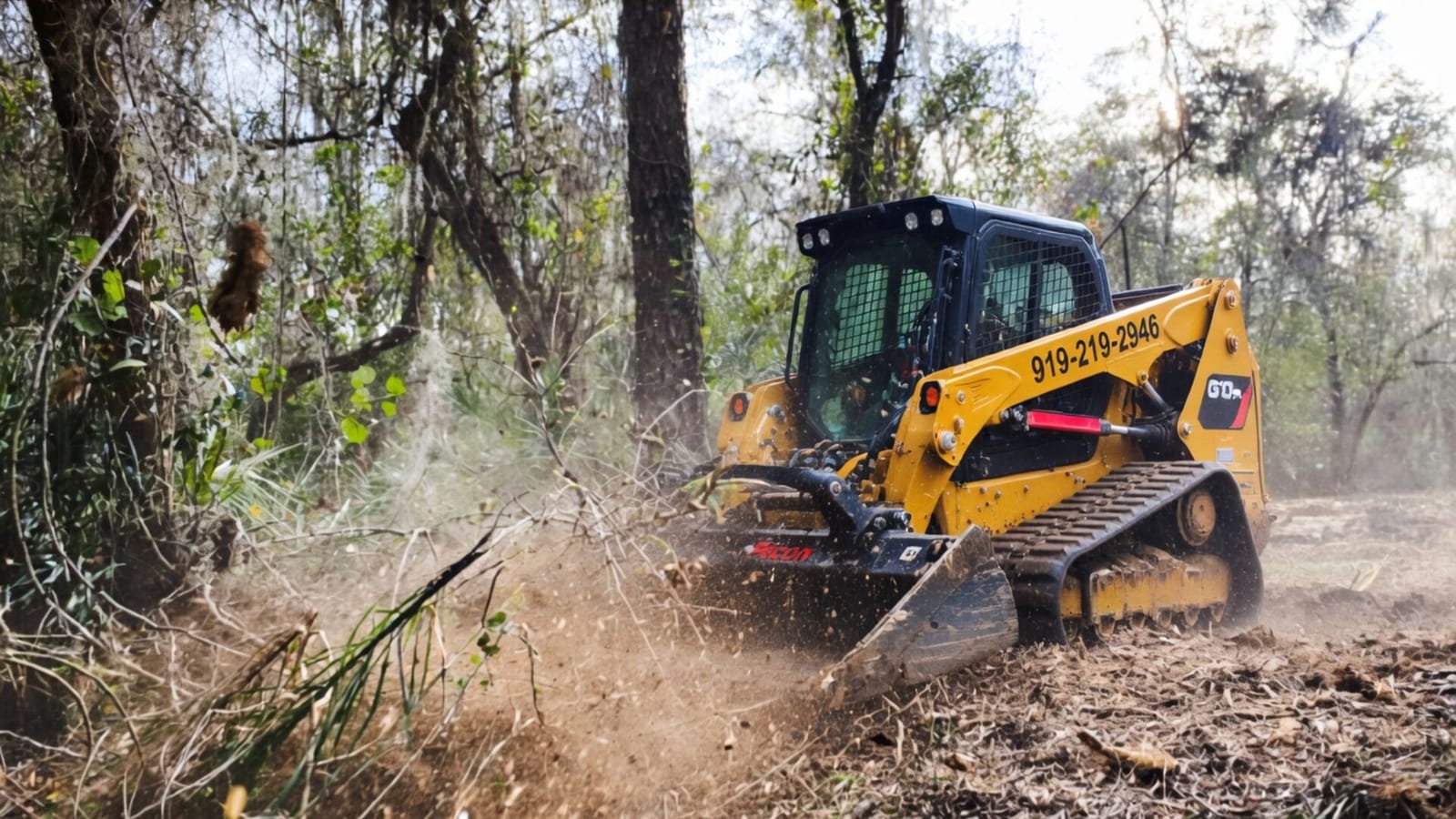
Guide Cedar and Blackbrush Clearing in Uvalde, TX: Two Kinds of Brush
Uvalde sits where Hill Country cedar meets South Texas blackbrush. How the two differ, which cedar resprouts, and what the aquifer line means for clearing.
 Cost Guide
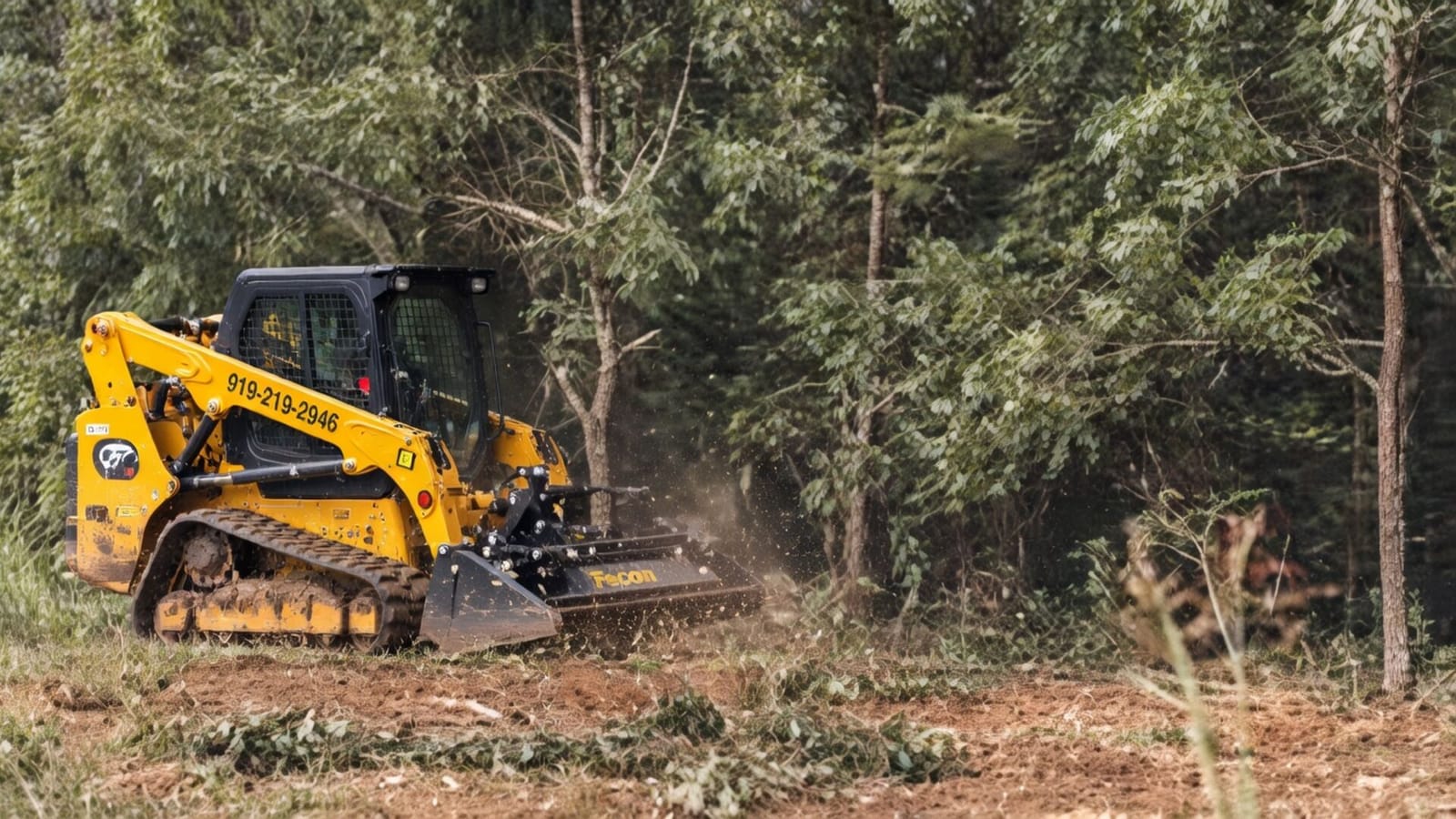
 Forestry Mulching Cost in Uvalde, TX (2026)
Forestry mulching around Uvalde runs $1,500 to $4,000 per acre. How cedar type, slope and rock, soil disturbance and travel move a Uvalde County quote.
 Cost Guide
 Brush Hogging Cost Per Acre in Texas (2026)
Brush hogging in Texas averages about $47 an acre in AgriLife's 2026 survey. See regional rates, why small tracts cost more, and when shredding is not enough.
Ready to Get Started on Your Land?
Get a free, no-obligation estimate for property in Uvalde & Southwest Texas.
Get Your Free QuoteOr call us directly: (919) 525-3950