Brush Hogging Cost Per Acre in Texas (2026)
Cut Brush Team · October 1, 2026 · 6 min read
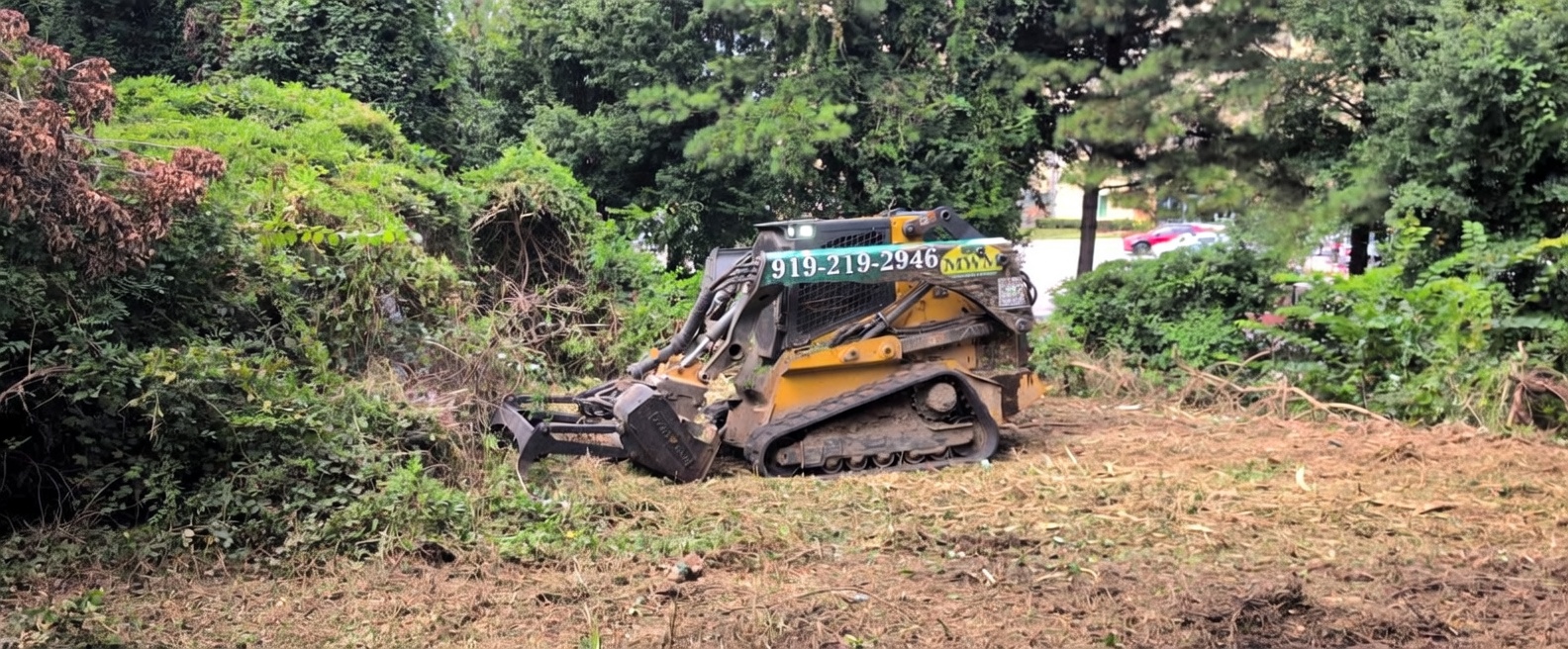
Brush hogging in Texas averages about $47 an acre, according to the 2026 custom rates survey from Texas A&M AgriLife, and it is still the cheapest way to knock a pasture back before it turns into brush. That average comes from ranch work on big, open fields, though. On a 2- or 5-acre tract with a trip charge and a minimum, the per-acre number climbs fast.
This guide gives you the survey numbers by region, explains why your quote may not match them, and shows the point where a pasture has grown past what a shredder can fix.
How Much Does Brush Hogging Cost Per Acre in Texas?
Pasture shredding averages $46.73 an acre statewide, with operator, machine and fuel included, in AgriLife’s 2026 Texas Agricultural Custom Rates survey. The survey collected 391 responses from August through October 2025 and splits the state into four regions. Here is how they line up with the metros we serve:
| Survey region | Our markets in it | Average per acre | Reported range | Responses |
|---|---|---|---|---|
| East | Dallas, Fort Worth, Tyler | $39.64 | $15 – $75 | 14 |
| South | Houston, Conroe | $45.61 | $10 – $175 | 18 |
| West | San Antonio, Austin | $56.67 | $30 – $100 | 3 |
| Statewide | All of Texas | $46.73 | $10 – $175 | 45 |
Read the West row with care, because it rests on only three answers. The East and South rows are much firmer.
Those numbers have climbed. The same survey’s 2020 edition put the statewide average at $28.26 an acre, so shredding has gone up by roughly two thirds in six years, mostly on fuel, equipment and labor.
Why Your Quote May Be Higher Than the Survey
The survey prices ranch acres. Most people calling about brush hogging own a few. A custom operator shredding 80 acres of open pasture spreads the trip across the whole job. On a 3-acre tract the same trip, the same hour of setup and the same trailer ride get split three ways.
The trip and the minimum
Most operators either charge to bring the tractor out or set a minimum of an hour or two. On a small property, that minimum often is the price. Ask whether a quote is a true per-acre rate or a minimum dressed as one.
Height and what is in it
Waist-high grass and weeds cut fast. Two or three seasons of growth with saplings, Macartney rose or prickly pear in it slows the tractor to a crawl and may take a second pass. Prickly pear needs special care, because AgriLife’s top removal guidance notes that pads left touching the soil will likely root and grow new plants.
Rock, slope and hidden hazards
Hill Country caliche and limestone ledges eat blades and slow everything down. Old fence wire, buried debris and fire ant mounds hide in tall growth across the state. Walk the field first and flag what you know about, because a field the operator can drive with confidence is a field that gets mowed faster.
Pro tip: Shred early in a dry spell, not in the middle of one. Texas A&M Forest Service warns that mower blades striking a rock or metal can start a wildfire, and advises against mowing in the hottest, driest part of the day. In a burn ban summer, morning work is the safer schedule.
When Is a Pasture Past Brush Hogging?
A shredder handles grass, weeds and saplings up to about 2 inches thick. Past that, stems stop cutting cleanly and start splintering and beating up the machine. Once a field carries young mesquite, cedar or huisache thicker than your thumb, it needs a forestry mulcher, which grinds woody growth down to a mat in one pass.
Mesquite is the trap. Researchers at the Texas Agricultural Experiment Station found that decades of top-killing mesquite, whether by mowing, cutting, fire or herbicide, turned stands of few-stemmed trees into multi-stemmed resprout thickets. Shredding mesquite over and over can leave you with more of it, not less. To actually remove it, the root crown has to come out below the bud zone, which AgriLife’s grubbing guidance explains.
Here is the rough line between the two jobs:
- Brush hog it: grass, weeds, broomweed and saplings under 2 inches, on a field you mow every year or two.
- Mulch it: woody stems over 2 inches, cedar or mesquite taking over, or a field left four or more years. Our Texas forestry mulching cost guide covers that price, which runs $1,500 to $4,000 an acre.
- Grub it: mature mesquite you want gone for good. Our North Texas mesquite removal guide compares the methods.
The price gap looks huge, but it reflects different jobs: mowing growth versus removing it. If an operator walks your field and says it needs mulching, that is usually an honest read of what is standing there. Our overgrown pasture guide walks through that decision for North Texas ground.
Brush Hogging and Your Wildlife or Ag Valuation
Many Texas landowners shred because of their property tax valuation, not just their view. The Texas Comptroller’s wildlife management use guidelines list brush management as a habitat control practice. For pasture, they advise owners to mow or shred one third of open areas a year, preferably in strips or a mosaic, and to wait until after the peak nesting season for ground-nesting birds.
In Texas that season is long. AgriLife’s quail program puts bobwhite nesting from mid-April to early October. Shredding in late fall or winter keeps you inside the guidelines and usually finds the ground drier too. Your appraisal district has the final say on what qualifies, so check with them before you change your plan.
Frequently Asked Questions
How much does it cost to brush hog 1 acre in Texas?
Expect to pay a minimum charge rather than the survey average. The statewide average is about $47 an acre on ranch-sized jobs, but on a single acre most operators charge an hour or two of tractor time plus travel, which usually totals a few hundred dollars.
How much does brush hogging cost per hour in Texas?
Hourly rates vary with the tractor and cutter size, and most operators quote the hour with the operator and fuel included. AgriLife’s survey lists tractor rental alone, without an operator or fuel, at $64 an hour statewide for machines under 100 horsepower. A crewed tractor with a heavy shredder costs more than that.
How often should I shred a Texas pasture?
Once a year keeps most pastures open and cheap to maintain. Wait longer and woody growth like mesquite and huisache gets established, which moves you out of shredding prices and into mulching prices. Late fall and winter shredding avoids the nesting season and the worst of the fire season.
Does brush hogging kill mesquite?
No. Shredding mesquite cuts it back, but the plant resprouts from buds below ground and often comes back with more stems. It controls height, not the plant. Removing mesquite takes grubbing below the bud zone or a planned herbicide program.
Will brush hogging clear land for building?
No. A brush hog mows growth down and leaves the cut material where it falls. It does not take out trees, stumps or roots. If you are clearing for a house or a barn, start with our Texas land clearing cost guide.
Get a Brush Hogging Quote for Your Texas Land
Brush hogging cost per acre in Texas comes down to how far gone the field is and how much ground there is to spread the trip over. Pick your region below, and we will look at your pasture, tell you straight whether it needs a shredder or a mulcher, and put a written price in your hands, usually within a day.
Related Services
Learn more about the services mentioned in this article.


More from the Cut Brush Blog
Keep reading for more tips and guides on land clearing.
 Cost Guide
 Forestry Mulching Cost in Fort Worth (2026 Pricing)
Forestry mulching cost in Fort Worth runs $1,500 to $4,000 per acre. What drives the hours on Cross Timbers ground, and when mulching is the wrong tool.
Services Reclaiming Overgrown Pasture in North Texas
How to bring a brushed-in North Texas pasture back: what to clear, what to keep, why mesquite returns, when to schedule, and what reclamation costs per acre.
Cost Guide Forestry Mulching Cost in Texas (2026 Per-Acre Guide)
Forestry mulching in Texas runs $1,500 to $4,000 an acre. See why cedar and rock, Blackland clay, yaupon and burn rules move a quote in each part of the state.
Where is your property?
Cut Brush runs 14 service areas in TX. Pick the one nearest you and the quote form comes to the right crew.
Ready to Get Started on Your Land?
Get a free, no-obligation estimate for property in Fort Worth & the Cross Timbers.
Get Your Free QuoteOr call us directly: (919) 525-3950