
Clearing a Wet Wooded Lot Around Beaumont, TX
Cut Brush Team · October 1, 2026 · 5 min read
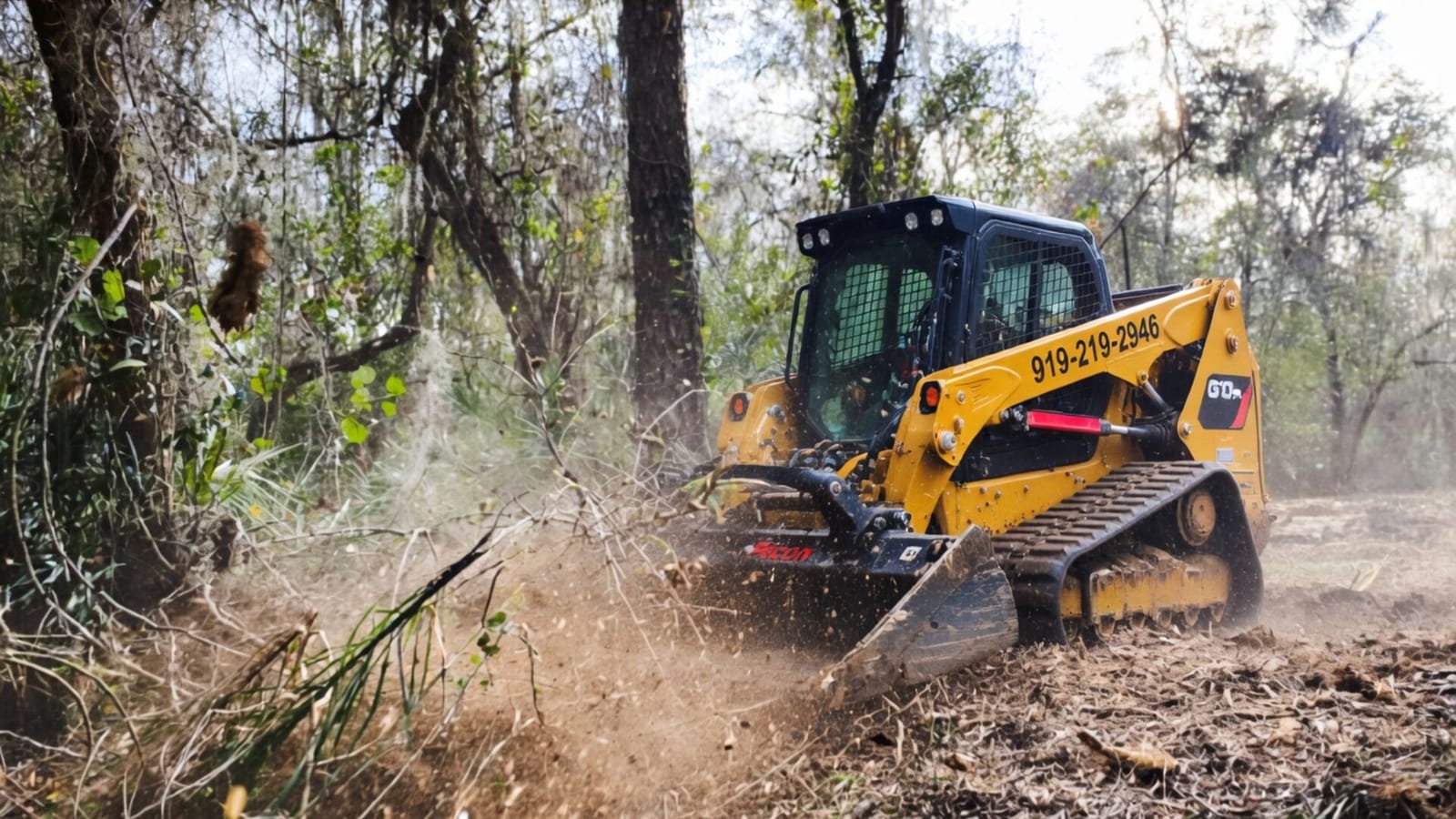
A wet wooded lot around Beaumont can be cleared, but the plan has to start with where the water sits, not with the trees. The flatwoods north and east of the city hold water above a tight subsoil, so the low swales saturate in wet spells and dry between them. Clear the dry ridges first, reach the swales in a dry window, keep a cover of chips on the soil, and never push anything into a ditch.
Why the Ground Stays Wet
Texas Parks and Wildlife maps much of this country as pine-hardwood flatwoods, found on high Pleistocene terraces and in places like Big Thicket National Preserve (TPWD, West Gulf Coastal Plain Pine-Hardwood Flatwoods). TPWD describes the land as “very gently undulating to flat” with ridges and swales, and the soil as fine textured with “a somewhat impermeable subsurface horizon, which leads to a perched water table.”
In plain terms, rain soaks in until it meets that layer and then has nowhere to go. A swale only a foot or two lower than its ridge can stay soggy for days or weeks. That is why one corner of a Lumberton or Vidor lot can be firm in the same week another corner is under water.
South of Beaumont the land gets flatter still. Jefferson County Drainage District No. 6 calls the county “pancake flat,” says most detention storage there has to be excavated, and warns that flooding happens outside FEMA-mapped floodplains from ponding and overland sheet flow (DD6 FAQ).
Reading a Lot by Its Trees
The trees tell you where the wet ground is before you ever see standing water. TPWD lists loblolly, shortleaf and slash pine with post oak, white oak and southern red oak on the drier ridges. In the wetter swales it lists water oak, willow oak, laurel oak, blackgum, sweetgum and green ash. Beneath both, red maple, American holly and winged elm form a midstory, and wax myrtle, possumhaw and yaupon fill the shrub layer. TPWD adds that Chinese tallow can invade.
Walk the property with that list in mind. Where the pines thin out and blackgum and sweetgum take over, the ground is lower and wetter, the stems are larger, and the work will be slower. Mark those areas before the quote; they shape price and schedule.
A Clearing Order That Works on Wet Ground
- Open the ridges first. Firm ground carries the machine, gives it room to turn, and becomes the access route to everything else.
- Leave the swales for a dry window. Even tracks rut a saturated swale. Ruts hold water, damage the roots of oaks you meant to keep, and leave a worse finish.
- Keep a mat on the soil. A forestry mulcher leaves the shrub layer and small trees as chips on the ground. On flat, fine-textured soil that cover protects bare dirt from the next heavy rain instead of letting it wash toward a ditch.
- Decide what stays. Healthy pines on the ridges and the best water oaks in the swales are often worth keeping. Tag them before the machine arrives.
If a house is planned, ask early whether the pad, drive and septic area can sit on the ridge.
Ditches Are Not a Disposal Option
On flat ground the ditch system does the work hills do elsewhere, and it only works when it is open. The City of Beaumont’s floodplain handout tells residents that creeks, ditches and stormwater ponds “must be clean and open so that water can move downstream,” and that dumping grass clippings, leaves, tree branches or trash into them “is a violation of State Law” (City of Beaumont, Floodplain Property Owner Handout). The same handout records that the October 2002 flood damaged hundreds of homes.
Brush pushed to the edge of a lot ends up in that ditch with the first big storm. Ground in place, it stays where it grew.
Storm-Damaged Trees on a Wooded Lot
Wet ground and shallow roots meet hurricane wind on this coast. After Hurricane Rita in September 2005, the Texas Forest Service found 771,000 acres of damaged and affected timber in Southeast Texas, with Orange, eastern Hardin and southern Jasper counties among the worst affected (Texas Forest Service, Hurricane Rita Timber Damage Assessment). It treated trees that were uprooted, snapped, leaning past 45 degrees or likely to die within a year as damaged, and noted that trees with lighter injury would grow more slowly and be more open to insects and disease.
On a lot, that means a leaning or hung tree is a hazard to deal with before the understory work starts, and a stand that has been through a storm is worth looking over for weakened trees near where a house will go.
Drainage Review on Larger Sites
Clearing alone is rarely a drainage event, but a subdivision or a commercial site can be. DD6’s Drainage Criteria Manual, updated in July 2025, requires a pre-submission conference for subdivisions and developments and applies a policy of no net increase in runoff to work adding more than a quarter acre of impervious surface (DD6 Drainage Criteria Manual). Requirements vary by parcel, scope and jurisdiction, and the governing authority makes the determination. Our Beaumont and Jefferson County permit guide covers the city and county permits as well.
Frequently Asked Questions
Can you clear a lot that is under water?
Not well. Work waits until the swale will carry the machine without rutting.
Will clearing make my lot drain better?
Clearing alone does not change the subsoil or the slope. It can make drainage problems easier to see and fix.
Should I keep the trees in the wet areas?
Often, yes. Water oaks and blackgum suit that ground, and their roots and shade hold the soil.
Get Your Wooded Lot Looked At
Price the work against each band on the Beaumont pricing guide, read more about the ground on our Beaumont land clearing page, then request a free quote and tell us which corners stay wet.
More from the Cut Brush Blog
Keep reading for more tips and guides on land clearing.
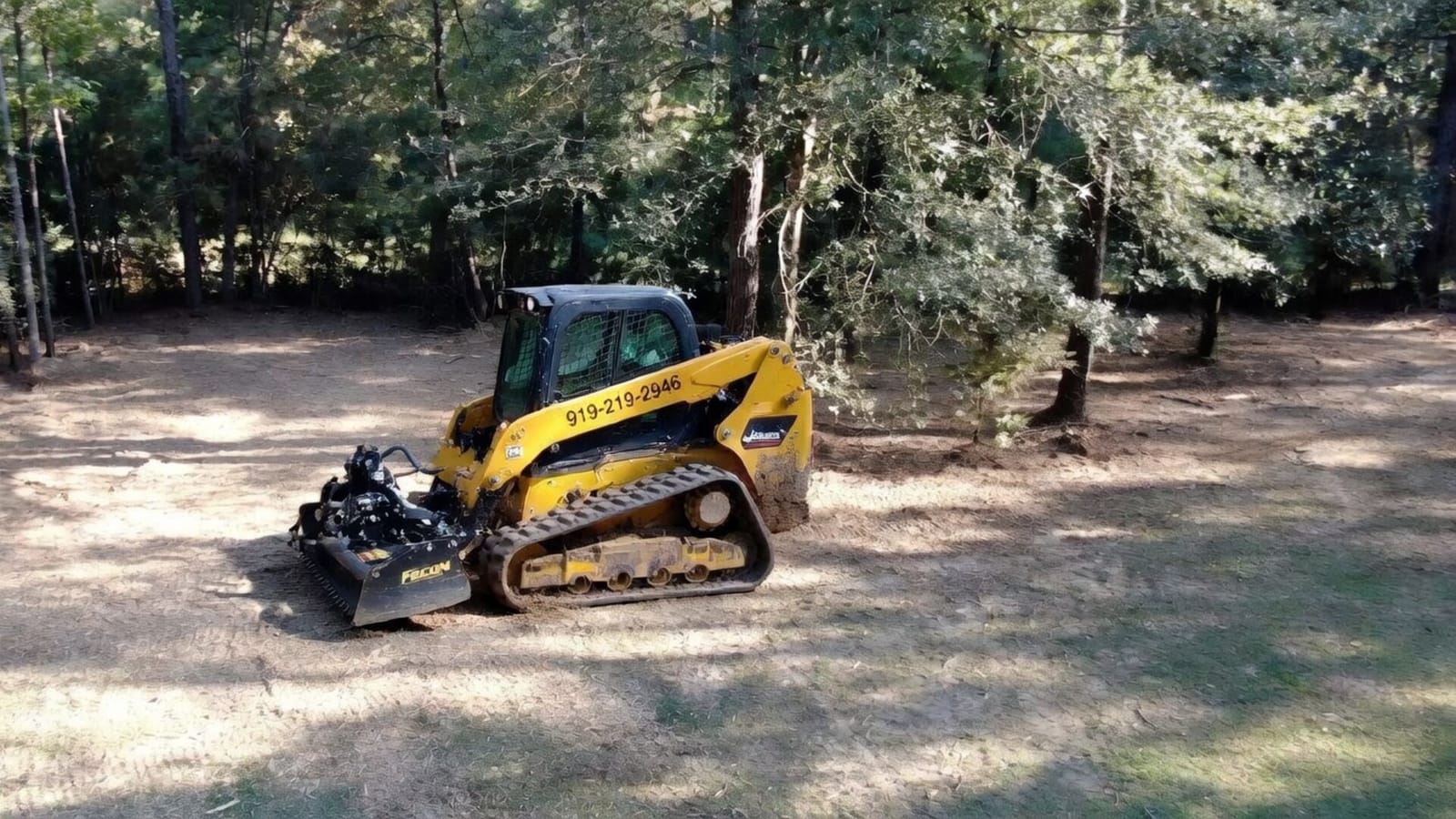 Guide
Guide Land Clearing Permits in Beaumont & Jefferson County, TX
When clearing land in Beaumont or Jefferson County needs a development permit, how DD6 drainage review and state stormwater rules apply, and how burning works.
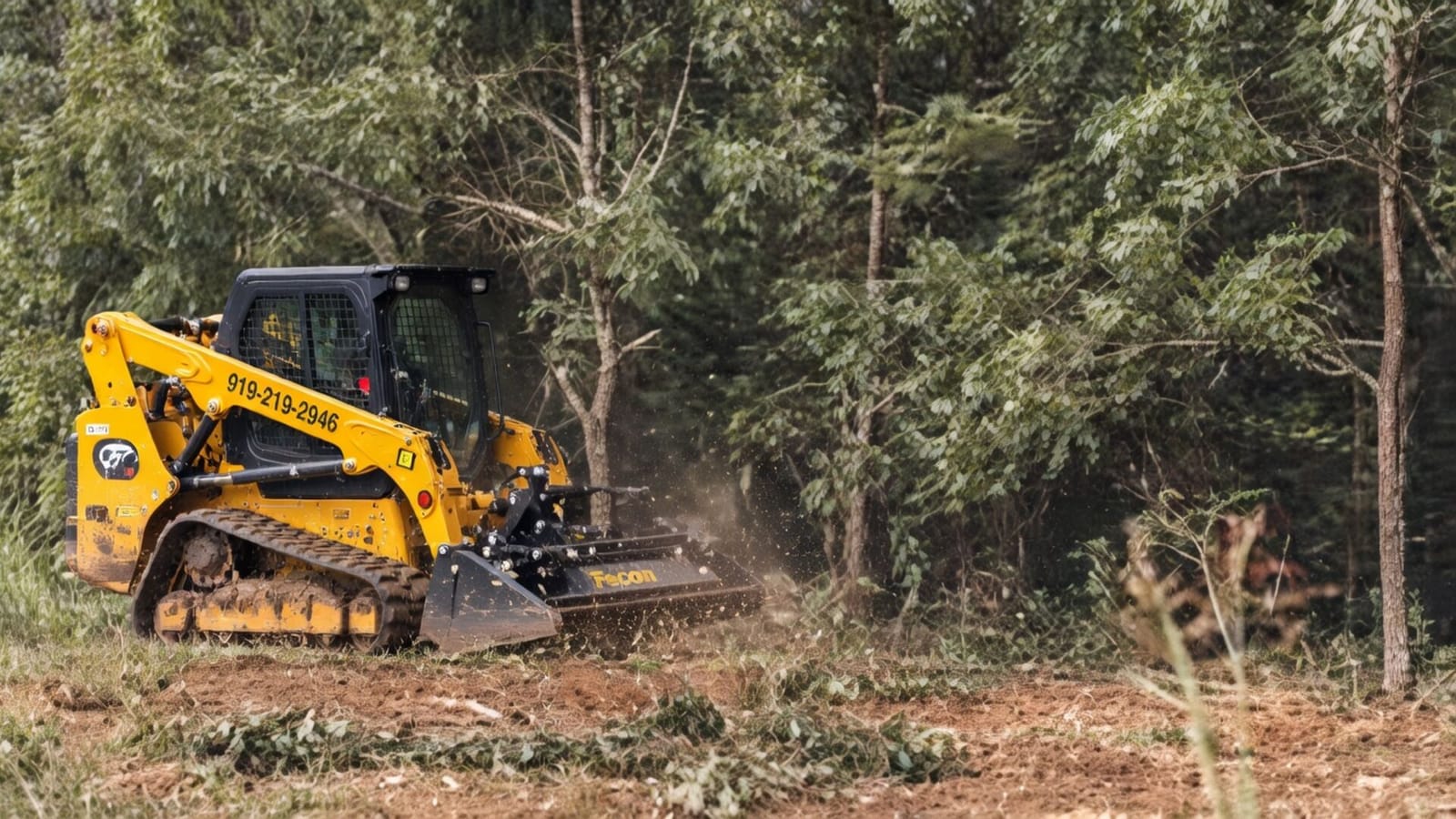 Cost Guide
 Forestry Mulching Cost in Beaumont, TX (2026)
Forestry mulching around Beaumont, TX runs $1,500 to $4,000 per acre. How ridge or swale ground, wet soil, storm-damaged trees and brush disposal move a quote.
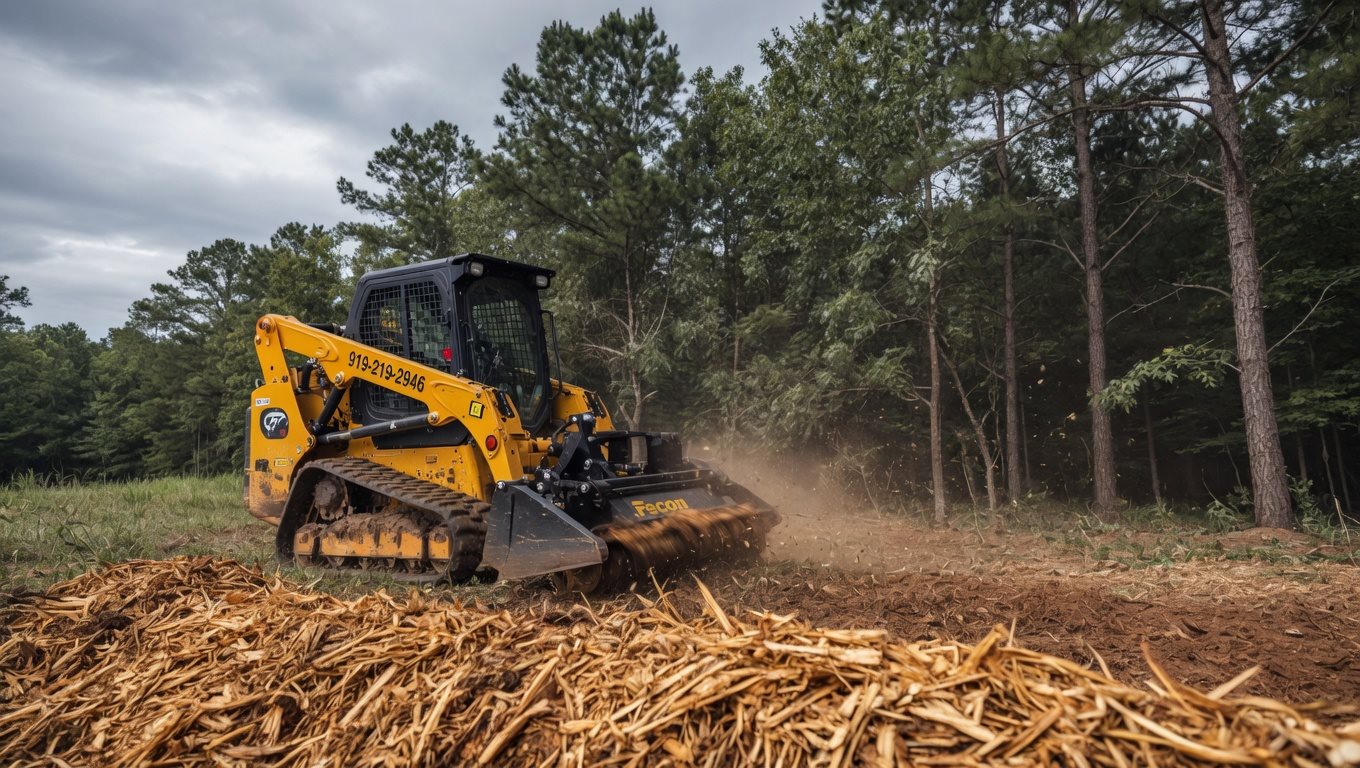 Cost Guide
 Land Clearing Cost Per Acre in Texas (2026 Guide)
Land clearing cost per acre in Texas runs $1,500 to $4,500. See what cedar density, rock, and access do to a quote, with real Hill Country ranges by vegetation type.
Ready to Get Started on Your Land?
Get a free, no-obligation estimate for property in Beaumont & the Golden Triangle.
Get Your Free QuoteOr call us directly: (919) 525-3950