
Forestry Mulching Cost in Beaumont, TX (2026)
Cut Brush Team · October 1, 2026 · 6 min read
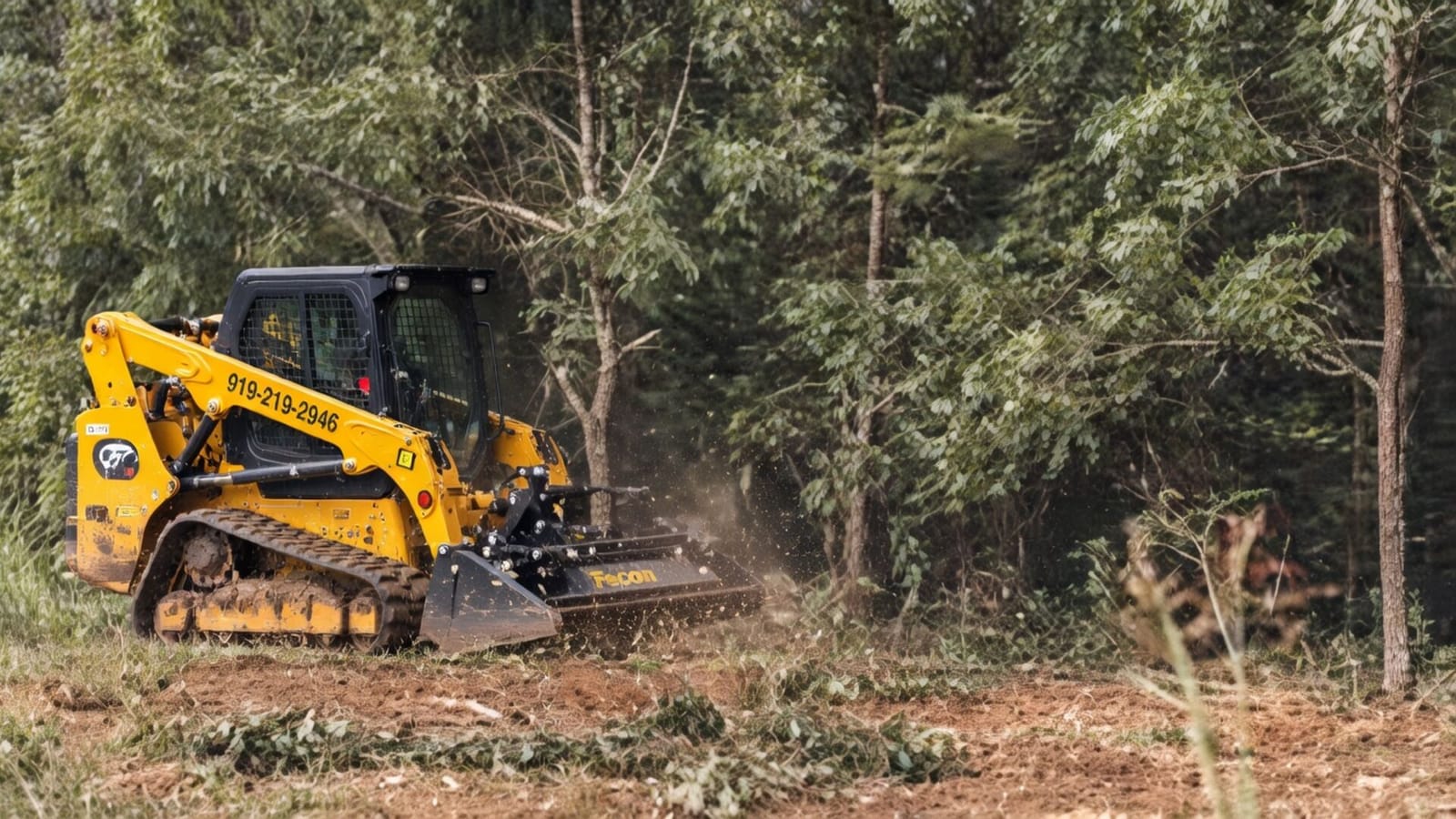
Forestry mulching around Beaumont, TX costs $1,500 to $4,000 per acre. A dry ridge of young pine, yaupon and wax myrtle sits near the low end. A wet swale packed with sweetgum, blackgum and tallow, or a stand full of storm-broken trees, sits near the high end. Search for a local figure today and you mostly find templated pages with no Beaumont number on them. This guide gives the range, explains what moves a Golden Triangle property within it, and lists what to ask any bidder.
Per-Acre Ranges Around Beaumont
| What the property looks like | Typical range | What drives it |
|---|---|---|
| Dry ridge with young pine, yaupon and wax myrtle | $1,500 – $2,000 / acre | Small stems, firm footing |
| Shaded lot, understory removed under a kept canopy | $2,000 – $3,000 / acre | Slow, careful work near keepers |
| Hardwood swale, tallow thicket or storm-damaged stand | $3,000 – $4,000 / acre | Stem size, soft ground, hazard trees |
| Whole-parcel clearing to a written finish | $1,500 – $4,500 / acre | A different scope, see below |
On anything under about two acres, getting the machine there outweighs the acreage. Trailering a tracked mulcher to a lot in Port Neches or Bridge City costs the same for a morning as for a full day, so most small jobs start near $1,500.
Ridge or Swale: The Ground Sets the Pace
Much of the wooded land north and east of Beaumont is what Texas Parks and Wildlife calls pine-hardwood flatwoods: nearly flat terraces broken by low ridges and shallow swales (TPWD, West Gulf Coastal Plain Pine-Hardwood Flatwoods). TPWD lists loblolly, shortleaf and slash pine with post oak on the ridges, and water oak, willow oak, laurel oak, blackgum, sweetgum and green ash in the swales, over a shrub layer of wax myrtle, possumhaw and yaupon.
For a mulching head those are two different jobs. Ridge ground carries smaller stems and firm footing, and an acre moves quickly. Swale ground carries larger hardwoods packed close together, often with tallow mixed in, and every stem takes longer. Most lots in Lumberton, Vidor or Silsbee have some of both, and the share that is swale does more to set the figure than the total acreage.
Wet Ground Moves the Date and the Number
TPWD describes the flatwoods soil as fine textured over a subsurface layer that leads to a perched water table, so the swales saturate in wet seasons and dry out between them. Further south, Jefferson County Drainage District No. 6 calls the county pancake flat and notes that flooding happens outside the FEMA maps from ponding and sheet flow (DD6 FAQ).
What that means for a quote is simple. A tracked machine can work damp ground, but standing water in a swale slows it, ruts the soil and can damage the roots of trees you wanted to keep. A job that can wait for a dry window costs less than one that has to go ahead in the wet. If part of your land holds water for days after a storm, say so in the quote request.
Storm-Damaged Trees Are Priced Separately
Hurricanes leave a kind of work brush does not. After Hurricane Rita in 2005, the Texas Forest Service counted 771,000 acres of damaged and affected timber across Southeast Texas, with Orange, eastern Hardin and southern Jasper counties among the worst hit (Texas Forest Service, Hurricane Rita Timber Damage Assessment). It counted a tree as damaged if it was uprooted, snapped, leaning more than 45 degrees or likely to die within a year.
A stand with trees like that is slower and riskier than standing understory. Each hung or leaning tree has to be brought down safely before it is ground, so those trees are counted and priced on their own, on top of the per-acre rate for the brush.
Burning, Hauling or Grinding in Place
Texas allows brush from land clearing to be burned on the property where it grew, but only outside city limits unless a local ordinance allows it, downwind of or 300 feet from neighbouring occupied buildings unless the neighbours agree in writing, in daylight, and with the wind between 6 and 23 mph (30 TAC 111.219). A county burn ban stops it entirely, and bans follow the weather, so check the Texas A&M Forest Service burn ban map for Jefferson, Orange, Hardin or Jasper before counting on a fire.
There is a fourth option some owners reach for, and it is not legal: pushing brush into a ditch. The City of Beaumont reminds residents that dumping branches and leaves into creeks or ditches violates state law. A plan built on burning can turn into a hauling bill. Mulching leaves the material on site as cover, so the question never arises.
Mulching or Full Clearing?
Forestry mulching grinds brush and small trees into chips where they stand. Stumps finish at ground level, the chips stay as cover, and no soil is moved.
Land clearing is priced on the finish: stumps pulled or left, material ground or hauled, ground shaped or left alone. At $1,500 to $4,500 per acre it suits a parcel headed for a slab, a drive or a utility trench. Grading or fill in a mapped flood zone can bring in a city or county development permit, which our Beaumont and Jefferson County permit guide explains.
Ask every bidder to state in writing which of the two they priced, whether hauling is included, and how leaning trees are handled.
Frequently Asked Questions
What does a single acre of mulching cost near Beaumont?
Between $1,500 and $4,000, depending on how much of it is swale and how dense the stems are. One acre on its own usually lands near the minimum, because the trailer trip costs the same at any size.
Is mulching cheaper than piling and burning?
Often, once a ban, a city limit or a neighbour’s house rules out the fire and the pile has to be hauled. Cutting, stacking, loading and trucking are four steps; grinding in place is one.
Can you mulch a lot that floods?
Yes, once it has dried enough to carry the machine. Our guide to clearing wet wooded lots around Beaumont covers timing and drainage.
Get a Number for Your Beaumont Property
A forestry mulching cost in Beaumont becomes one firm figure only after we confirm we can work at your address and the ground is seen: how much of it is swale, how wet the access is and what you want the land to do next.
Compare your property against each band on the Beaumont pricing guide, read about the local ground on our Beaumont land clearing page, then request a free quote. If we can take the job, the scope is written down, so the work you approve is the work you pay for.
More from the Cut Brush Blog
Keep reading for more tips and guides on land clearing.
 Guide
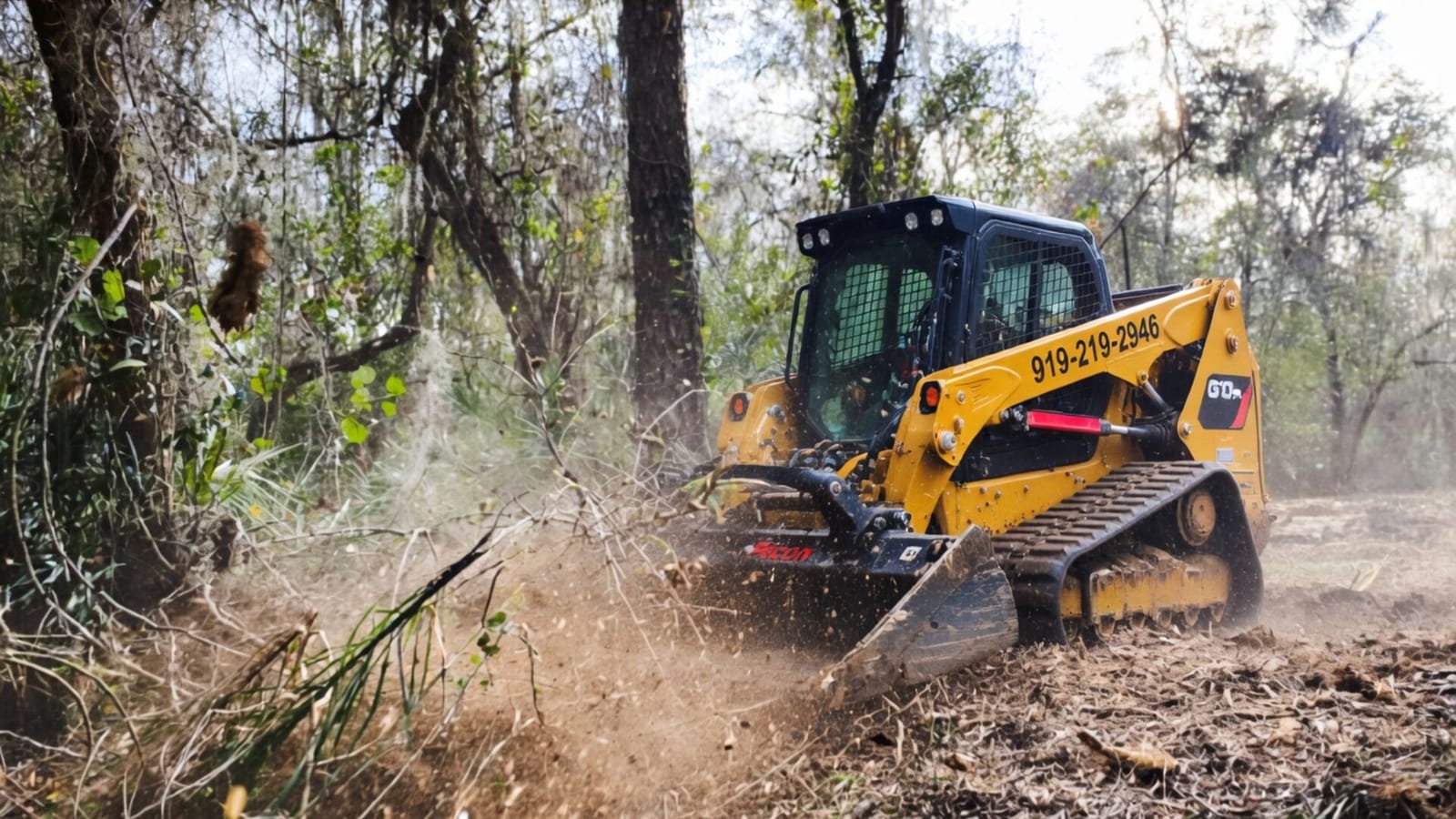
Guide Clearing a Wet Wooded Lot Around Beaumont, TX
Why wooded lots around Beaumont stay wet, how ridge and swale ground changes a clearing plan, and how to handle ditches, storm-damaged trees and drainage rules.
 Guide
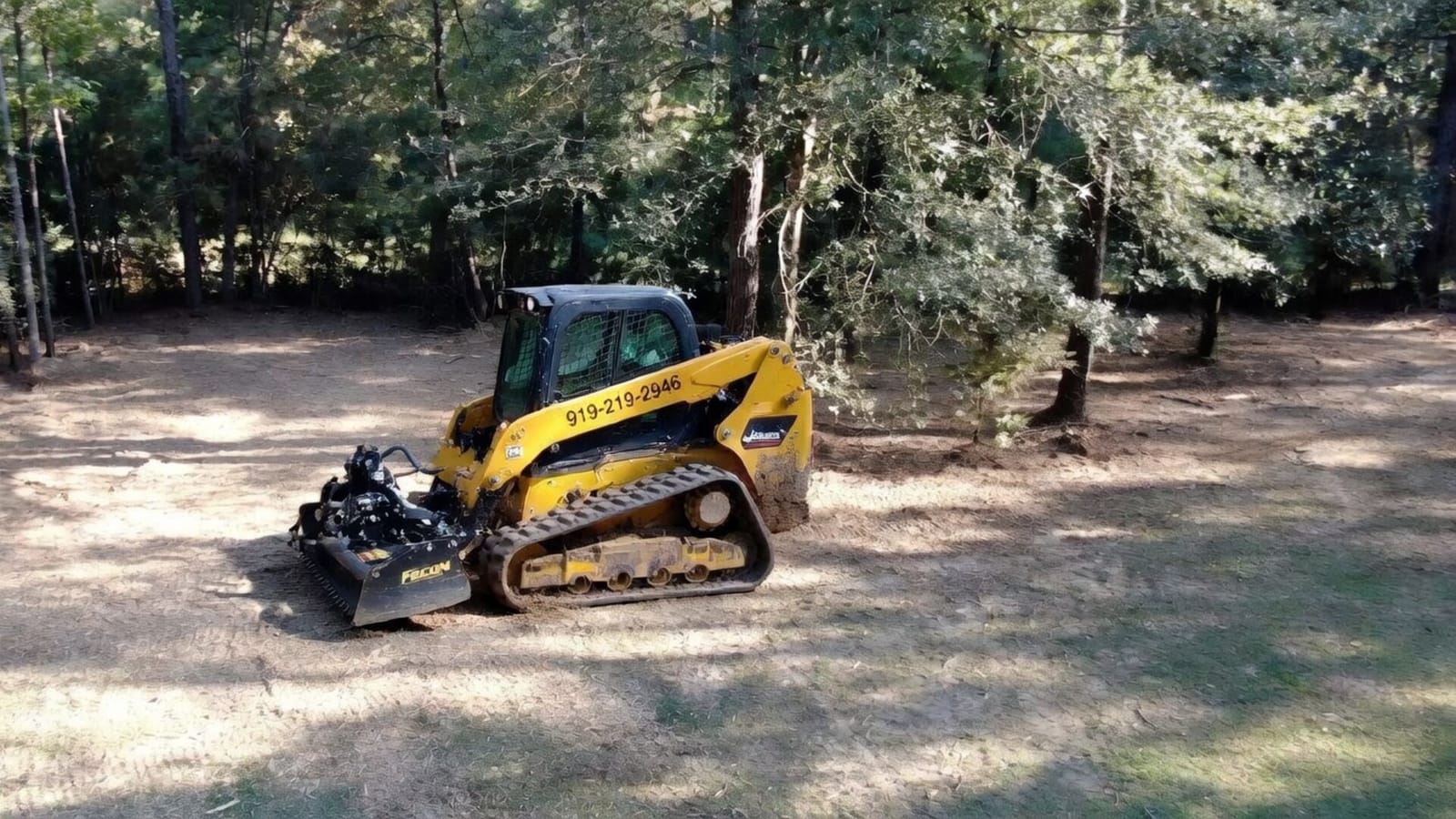
Guide Land Clearing Permits in Beaumont & Jefferson County, TX
When clearing land in Beaumont or Jefferson County needs a development permit, how DD6 drainage review and state stormwater rules apply, and how burning works.
Cost Guide Forestry Mulching Cost in Texas (2026 Per-Acre Guide)
Forestry mulching in Texas runs $1,500 to $4,000 an acre. See why cedar and rock, Blackland clay, yaupon and burn rules move a quote in each part of the state.
Ready to Get Started on Your Land?
Get a free, no-obligation estimate for property in Beaumont & the Golden Triangle.
Get Your Free QuoteOr call us directly: (919) 525-3950