

Land Clearing in Columbia, SC
Tracts, homesites, and pine ground across Richland, Lexington, and Kershaw County, with the acreage tier and the sand-versus-bottom question settled before we quote.
Why Choose Us
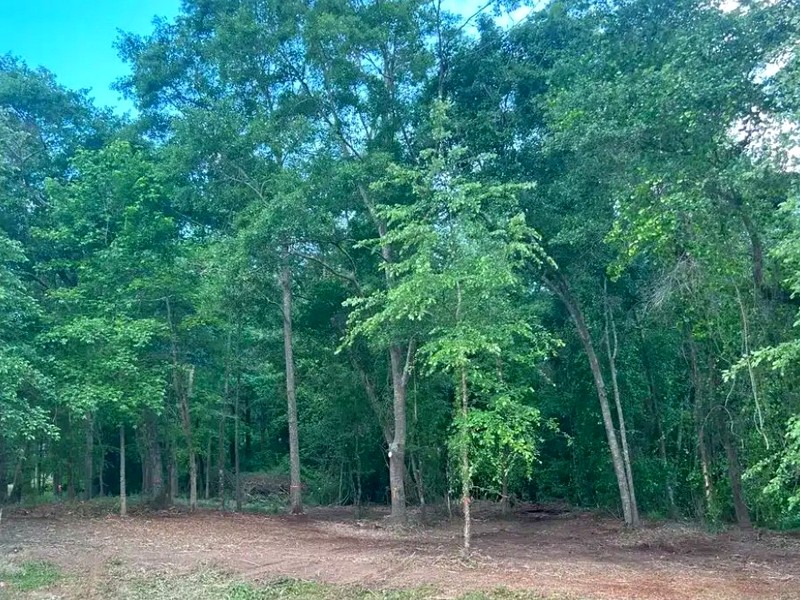
Land Clearing: Before & After
What the same ground looks like when the machine leaves.
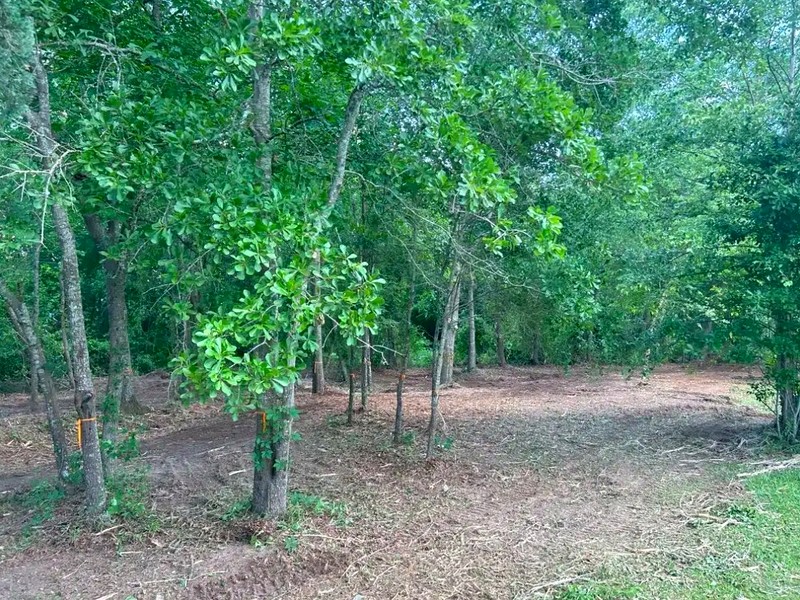
Understory removed, the stand kept, material left as cover – illustrative example
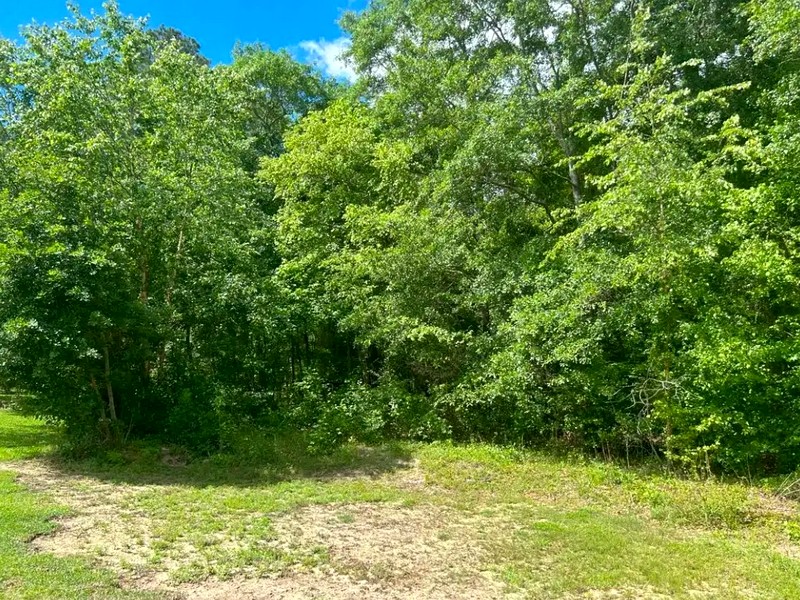
Grown shut to workable ground in a single pass – illustrative example
Land Clearing in Columbia: The State Counts Acres Before You Start
Most clearing questions in the Midlands come down to one number, and it is not the price. It is how many acres the work will disturb. South Carolina gates land disturbance in tiers, and the first tier begins below a single acre.
Under one acre in a non-coastal county, you submit a notification form for sites disturbing less than one acre, and once it is determined that NPDES coverage is not required, a letter of exemption is issued. Between one and two acres, anyone engaged in clearing, grading, or excavating must obtain coverage under the state's Construction General Permit before beginning any land disturbing activities, with a simplified stormwater management and sediment control plan and a stormwater pollution prevention plan. Above two acres, another tier again. And the one that catches people out: any activity that is part of a larger common plan of development or sale requires the standard notice of intent regardless of how much ground the individual piece disturbs.
There is a further wrinkle inside town. For a project under an acre sitting inside an MS4 or urbanized area, you have to contact that authority first to identify applicable requirements and obtain approval where they consider it appropriate. Columbia and the towns around it contain such areas, so the honest answer to "do I need a permit" genuinely depends on which side of a boundary a parcel sits. Cut Brush is a clearing contractor, not the permitting authority: we identify what commonly applies to a tract like yours and point you to the office that makes the determination.
Why the Midlands Is Clearing Ground
South Carolina's population grew faster than any other state in 2025, as it did in 2024. Richland County sits near 434,956 residents, and Lexington County added roughly 3,500 people between 2024 and 2025 to reach about 317,588, eighth among the state's counties for growth. The largest single change is at Blythewood, north of the city, where Scout Motors is building its first manufacturing plant for all-electric trucks and SUVs, a $2 billion investment with the potential to create 4,000 or more permanent jobs. Apartment and retail developers have been signing letters of intent around it, though construction runs on roughly a three-year horizon alongside the plant.
The Work We Take On
- Homesite and lot clearingPad, drive, and utility corridor opened on sandhill ground, with the trees you want kept flagged before a machine moves.
- Pine stand thinning and underbrushPlanted pine that has closed in underneath, opened back up so the stand and the ground beneath it can both work.
- Tract and acreage workMulti-acre clearing sequenced around the acreage tier the project falls into, so coverage is in hand before equipment moves.
- Sale preparationLand a buyer can walk shows differently from land they cannot, and in a state growing this fast that difference is measured in offers.
Two Kinds of Ground on One Tract
Columbia sits on the Fall Line, the boundary where the Piedmont hands off to the Coastal Plain, and the Sandhills ecoregion running through it is a nearly continuous belt of broad rolling hills along that line. These are ancient coastal dunes that now lie far inland, running from the Georgia line near Aiken northeast past Columbia and Camden toward Florence. The soils are sandy, drawn from coarse Cretaceous and Tertiary marine sediments, and the vegetation is predominantly pine forest interspersed with agricultural land, with hardwood forests confined to narrow floodplains along medium-gradient streams.
For clearing work that split is the whole story. Sandy upland drains, holds a machine well, and lets work move quickly. The hardwood bottoms hold water, slow a tracked machine considerably, and want better timing. A single tract that runs from a sandhill down to a creek is really two jobs, and any quote that treats it as one number is guessing at half of it. That is why we walk the whole tract rather than pricing from the road.
Pine Ground Is Its Own Kind of Job
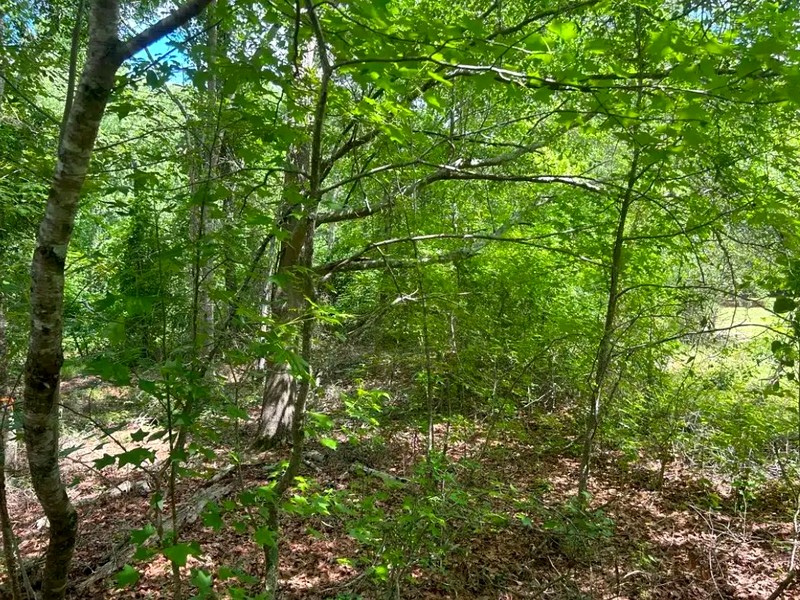
A great deal of Midlands acreage is planted or naturally regenerated pine with an understory that has closed in beneath it. Longleaf restoration is an active research area in the South Carolina Sandhills, and plenty of private ground here sits somewhere between plantation and woodland.
Opening that understory is efficient work: the overstory stays, the drum handles the smaller material below it, and what you get back is a stand you can walk, hunt, manage, or graze around. It is usually cheaper per acre than clearing mixed hardwood regrowth with larger stems, and it is the single most common request we get on wooded Midlands tracts. Tell us whether the pines are staying and the quote changes shape immediately.
How Land Clearing Works
Three steps from overgrown to usable, with a written number before any machine moves.
Establish the Acreage Tier
How much ground the project disturbs, and whether it belongs to a larger common plan, decides which state track applies and when work can legally begin.
Walk Upland and Bottom
Sandhill and stream bottom behave nothing alike under a machine. We look at both ends and tell you honestly if the tract is really two jobs.
Open It, Cover It, Hand It Back
Tracked equipment opens the ground and leaves a mat holding sandy soil. You walk the finished tract with us before we load up.
Why Property Owners Choose Cut Brush
The right machine for the ground, straight answers on the rules, and land you can use when we leave.
Acreage Tier Settled First
Coverage has to be in hand before land disturbing activity begins at one acre and up. We raise it at the quote so it never stops a job mid-week.
The Larger-Plan Trap Flagged
A small lot inside a larger common plan of development needs the full notice of intent regardless of size. We ask the question that most quotes skip.
Upland and Bottom Priced Separately
Sand works fast, hardwood bottoms do not. Walking the whole tract is how a Midlands quote stays accurate on ground that changes across it.
Pine Stands Kept Where You Want Them
Taking the understory out from beneath planted pine is efficient work and usually what an owner actually wants. The overstory stays.
Cover Left on Sandy Ground
Sandhill soil does not want to sit bare. The mulch mat holds the surface and adds organic matter as it breaks down.
Rules Flagged, Not Guessed
State tiers, MS4 and urbanized-area approvals, and larger-common-plan status all vary by parcel. We identify what commonly applies and point you to the office that decides.
Get a Free Land Clearing Quote
Describe the parcel, get a real number, decide on your own time. Want the ranges first? Start with the Columbia, SC pricing guide.
Request a Free QuoteRelated Services
If the project is bigger than land clearing, the rest of our clearing work covers the Columbia Area too.


Land Clearing Across the Columbia Area
We provide land clearing in these Richland, Lexington, Kershaw, Newberry, Fairfield, and Calhoun County communities.
Land Clearing FAQ
Ready to Put Your Land Back to Work?
Free written quotes for land clearing anywhere in Columbia & the Midlands.
Get Your Free Land Clearing QuoteOr call us directly: (919) 525-3950