

Forestry Mulching in Columbia, SC
Understory and regrowth processed beneath the canopy and left as ground cover, so the stand stays and the ground beneath it is usable again.
Why Choose Us
Forestry Mulching: Before & After
What the same ground looks like when the machine leaves.
Understory processed in place, the canopy untouched – illustrative example
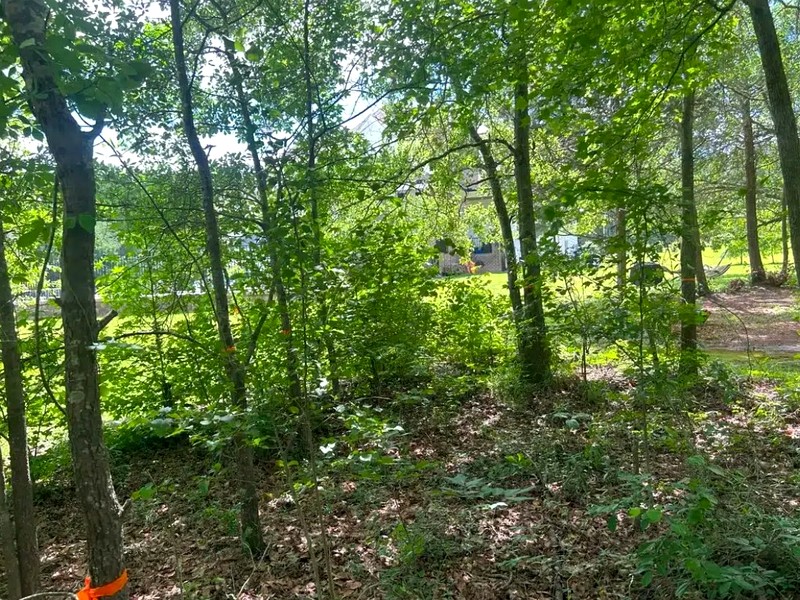
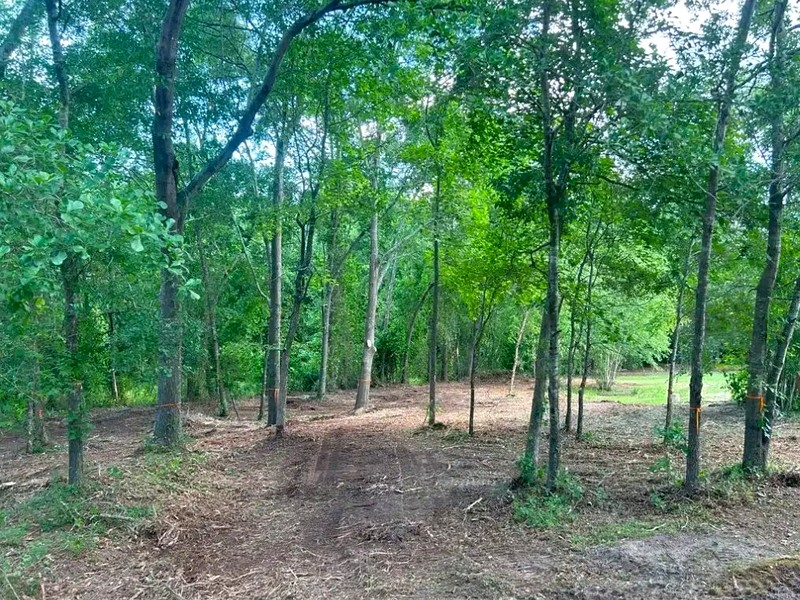
Edges and fence lines reclaimed with nothing stacked – illustrative example
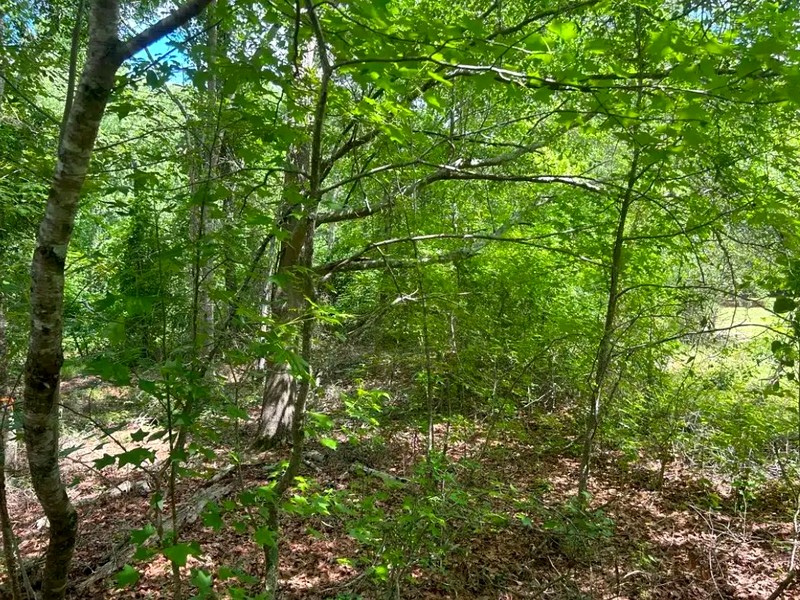
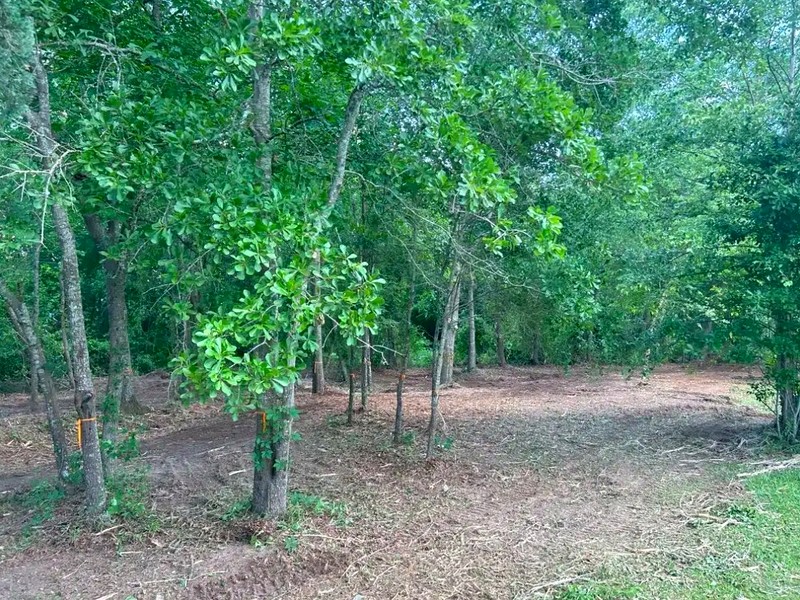
Forestry Mulching in Columbia: Take the Understory, Keep the Stand
A great deal of Midlands acreage has the same shape to it. Pine overhead, whether planted or naturally regenerated, and beneath it an understory that has quietly closed in over ten or fifteen years until the ground underneath stopped being usable. The owner does not want the pines gone. They want to be able to walk, hunt, graze, manage, or build somewhere on it again.
That is exactly the job a mulching head is best at. The drum takes the smaller material below the canopy in a single pass and leaves it on the ground as a mat, while the overstory stays untouched. It is faster and cheaper per acre than clearing mixed hardwood regrowth with larger stems, because the machine is working through material sized for it rather than fighting trunks. On most wooded tracts around Columbia this is the whole assignment.
Sandhill Ground Wants the Cover
The Sandhills ecoregion running through Columbia is a belt of broad rolling hills along the Fall Line, ancient coastal dunes now stranded far inland, with sandy soils drawn from coarse Cretaceous and Tertiary marine sediments. Predominantly pine forest, with hardwood confined to the narrow floodplains along medium-gradient streams.
Sandy soil that has been stripped bare does not hold well, and it is not rich to begin with. Leaving processed material on the surface as a mat keeps the ground covered and puts organic matter back as it breaks down. Down in the hardwood bottoms the calculation changes: those hold water, slow a tracked machine considerably, and want better timing rather than a heavier pass. On a tract that runs from sandhill to creek, we treat them as the two different jobs they are.
Where Mulching Stops
Two honest limits worth stating before a quote rather than after.
It does not remove stumps or set grade. The drum works at and slightly below grade. A building pad cut to grade needs clearing plus dirt work, not mulching alone. On a homesite we will tell you plainly which part of the job mulching finishes and which part needs a different machine.
It does not stop regrowth on its own. Understory comes back. On ground you intend to keep open, a maintenance pass every few years costs a fraction of the original clearing, and the interval depends on what is growing and how much light reaches the floor. We would rather set that expectation at the start than have you discover it in year four.
The Rules Follow the Acreage, Not the Method
Choosing to mulch rather than clear-and-haul does not change what the state asks of you. South Carolina gates land disturbance by acreage: under an acre in a non-coastal county means a notification form and a letter of exemption once coverage is ruled out; one to two acres means Construction General Permit coverage in hand before any clearing, grading, or excavating begins, plus a simplified plan and a SWPPP; above two acres is another tier. Anything that is part of a larger common plan of development or sale needs the full notice of intent regardless of its own size, and a sub-acre project inside an MS4 or urbanized area needs that authority contacted first.
Where mulching does help is on the disposal side: there is no pile to move, no trucking, and no disposal fee, because the material stays where it fell as ground cover. Our South Carolina land disturbance guide walks through the tiers properly.
Why the Work Is Here
South Carolina grew faster than any other state in 2025, as it did in 2024. Richland County sits near 434,956 residents and Lexington added roughly 3,500 people in a year to reach about 317,588. North of the city, the Scout Motors plant at Blythewood represents a $2 billion investment with the potential for 4,000 or more permanent jobs, and development interest has followed it. Ground that sat as unmanaged pine for two decades is suddenly worth opening up.
How Forestry Mulching Works
Three steps from overgrown to usable, with a written number before any machine moves.
Decide What Stays Overhead
Most tracts here keep their pines. We agree what the overstory looks like when we finish before anything about price is discussed.
One Pass Under the Canopy
The drum takes the understory and regrowth where it stands and leaves it as a mat. Nothing stacked, nothing trucked, no disposal fee.
Agree the Maintenance Interval
Understory returns. Before we leave you get an honest read on how often this ground will want a maintenance pass to stay open.
Why Property Owners Choose Cut Brush
The right machine for the ground, straight answers on the rules, and land you can use when we leave.
The Stand Stays
Taking the understory from beneath planted or regenerated pine is the most common job here, and the overstory is untouched when we finish.
Cheaper Per Acre Than Hardwood Clearing
Smaller material under a canopy is efficient work for a drum. It prices well below clearing mixed hardwood regrowth with larger stems.
Cover on Sandy Soil
Sandhill ground does not hold well when stripped. The mat keeps the surface in place and returns organic matter as it breaks down.
No Pile, No Hauling
Material stays on the tract, so there is nothing to stack, nothing to truck, and no disposal line on the invoice.
Bottoms Treated Differently
Hardwood floodplains along the streams hold water and want different timing from the uplands. We plan them separately rather than averaging.
Honest About the Return
Understory grows back. We name the likely maintenance interval instead of selling one pass as permanent.
Get a Free Forestry Mulching Quote
Describe the parcel, get a real number, decide on your own time. Want the ranges first? Start with the Columbia, SC pricing guide.
Request a Free QuoteRelated Services
If the project is bigger than forestry mulching, the rest of our clearing work covers the Columbia Area too.


Forestry Mulching Across the Columbia Area
We provide forestry mulching in these Richland, Lexington, Kershaw, Newberry, Fairfield, and Calhoun County communities.
Forestry Mulching FAQ
Ready to Put Your Land Back to Work?
Free written quotes for forestry mulching anywhere in Columbia & the Midlands.
Get Your Free Forestry Mulching QuoteOr call us directly: (919) 525-3950