

Brush Clearing & Kudzu Removal in Chattanooga, TN
Kudzu mats, privet walls, autumn olive, and cedar-claimed fields across Hamilton, Bradley, Catoosa, and Walker counties – cleared in hours, not grazing seasons.
Why Choose Us
Brush Clearing: Before & After
What the same ground looks like when the machine leaves.
Example Cut Brush project: an impassable thicket returned to open, usable ground
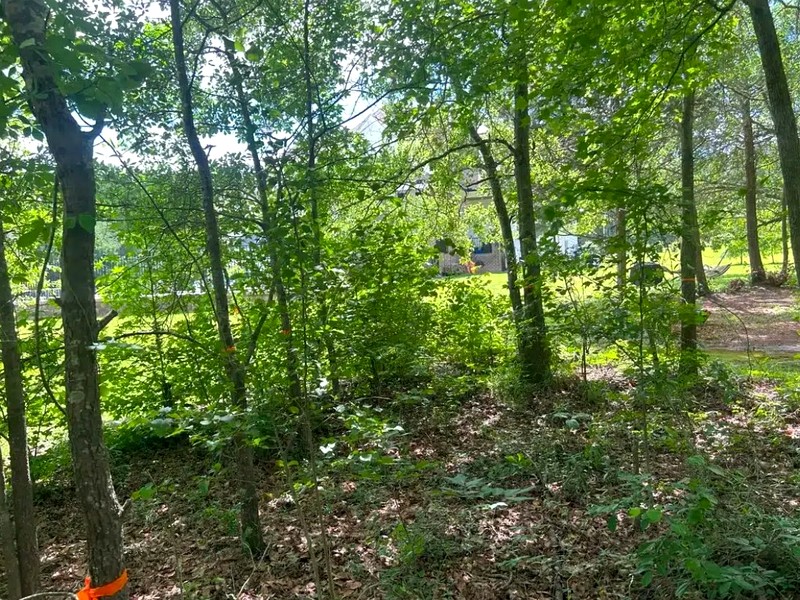
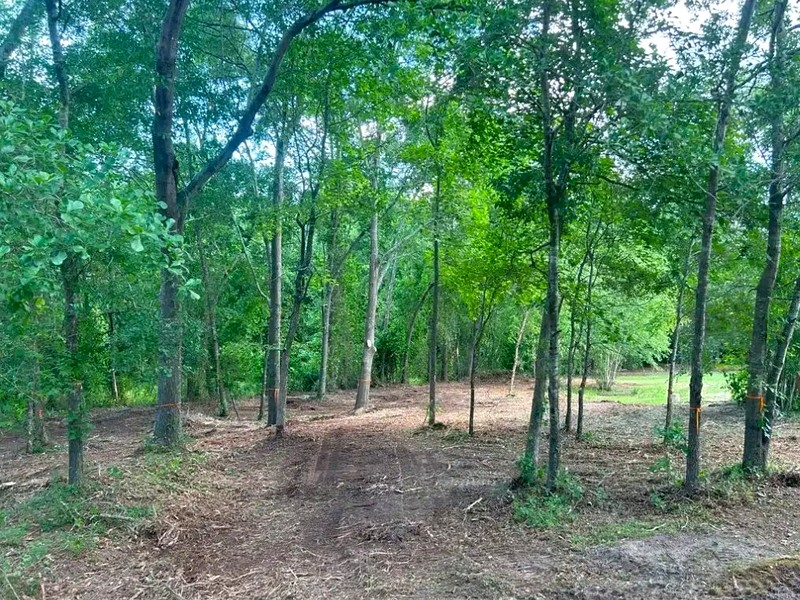
A buried boundary line found again – example Cut Brush project
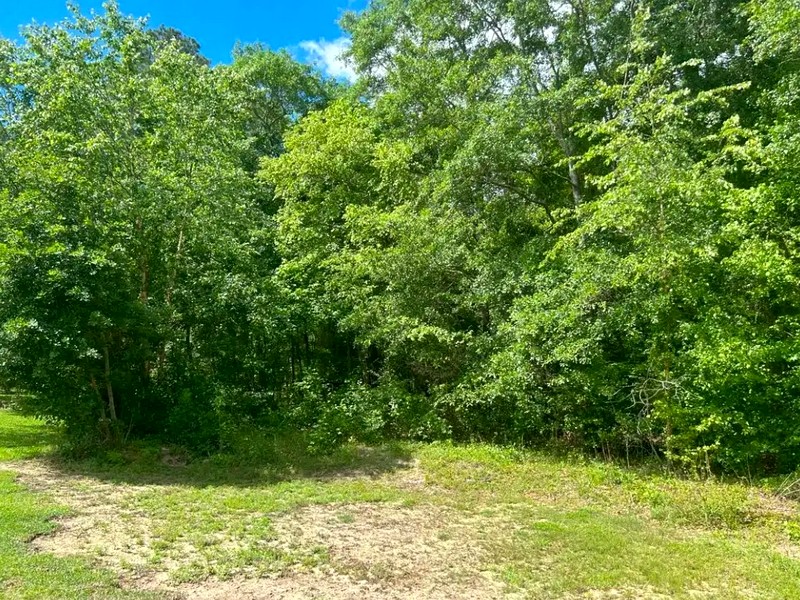
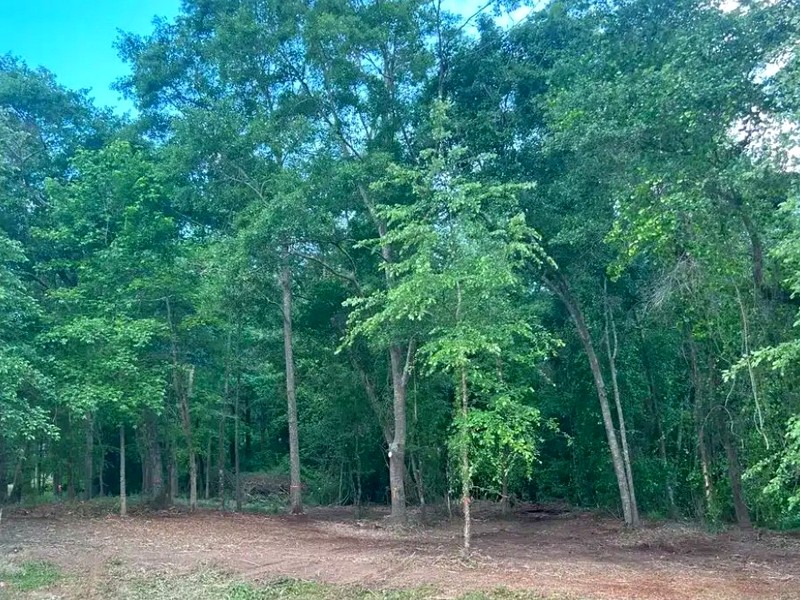
Brush Clearing in Chattanooga: Kudzu, Privet, and Overgrowth Removed
Chattanooga's kudzu problem is the stuff of civic legend. Starting in 2007, the city brought in hired goat herds, complete with guard llamas, to chew back the vines swallowing Missionary Ridge, and the goats became local celebrities doing it. It was a charming solution to a serious problem: Tennessee's Division of Forestry ranks kudzu among the state's major invasives, capable of adding more than a foot of growth in a single day. The goats were the patient answer. A forestry mulcher is the fast one. What a herd nibbles across in a season, the drum takes down in an afternoon, roots left in place to be managed, vines and canes converted to a mat of ground cover on the spot.
Cut Brush handles brush clearing across Greater Chattanooga: fence lines, field edges, creek margins, house perimeters, lake lots, and whole parcels that quietly went feral, on the Tennessee and Georgia sides alike.
Know Your Opponent: The Local Overgrowth Roster
- KudzuThe ridge-draping vine regrows from root crowns, so removing the mat is the opening move, not the whole game. We clear it hard and level with you about the follow-up it takes to keep it down.
- Chinese privetNumber one on the Georgia Forestry Commission's "Dirty Dozen" invasive list since 2009, and every bit as pushy north of the line. It forms sight-blocking walls along creeks and property edges that only machine work reopens.
- Autumn oliveListed as a Severe Threat by the Tennessee Exotic Pest Plant Council; it colonizes old pastures and field margins with silvery thickets that shrug off a mower.
- Mimosa and eastern red cedarMimosa spreads down roadsides and streambanks while cedar claims the thin-soiled limestone openings this valley specializes in; both come out clean under the drum.
Between the Mower and the Bulldozer
Woody overgrowth in this metro outguns residential equipment fast: multi-inch stems, vine mats that bind a cutter deck, and thicket stands a tractor cannot safely enter, often on ground that slopes. A mulching machine on tracks is the right-sized answer. It shears and shreds growth a bush hog cannot touch, holds grades a wheeled machine will not, and finishes with a layer of ground wood instead of windrows of torn stalks. And unlike scrape-it-bare clearing, it never exposes raw soil on a hillside, which in Ridge and Valley country is the difference between reclaiming ground and starting an erosion bill.
Why Burning the Brush Is the Wrong Move on Either Side of the Line
On the Tennessee side, an open fire within 500 feet of forest or woodland needs a Division of Forestry permit, available only from October 15 through May 15. On the Georgia side it is stricter: Catoosa and Walker counties sit inside EPD's summer open-burning ban from May 1 through September 30, which specifically bans yard and land-clearing debris fires, and even permitted burns outside the ban carry distance and daylight rules. Mulched brush ends the discussion before it starts. There is no pile, no permit clock, no smoke drifting toward the new subdivision next door, and no half-burned heap sitting in the corner of the field next spring.
Where Reclaimed Ground Pays Off Fastest
Around houses, first: a brush line pressed against a yard is tick and snake country, and pushing it back fifty feet changes how the property feels to live on. Pasture and fence lines in Bradley County, where working land still works, recover usable footage on every side of every field. Lake and creek parcels around Harrison and the Chickamauga Lake shoreline show their water again once the privet screen comes down. And for anyone listing land in a metro still adding thousands of residents a year, an opened, walkable parcel simply sells what a green wall hides. Overgrowth never improves with age here; the local species guarantee it.
How Brush Clearing Works
Three steps from overgrown to usable, with a written number before any machine moves.
Identify What Took Over
Kudzu, privet, autumn olive, cedar, or all four at once: we survey the growth, the ground under it, and any creek or slope complicating it, then quote in writing.
Take It Down to Ground Level
The drum works through the thicket and leaves it as cover where it stood. No piles, no fires, no trailer loads headed to a landfill.
Set Up the Defense
Before we leave you get the honest regrowth talk: which species will try again, on what timeline, and what maintenance actually keeps the ground yours.
Why Property Owners Choose Cut Brush
The right machine for the ground, straight answers on the rules, and land you can use when we leave.
Faster Than the Famous Goats
The city’s herds proved the demand; the drum supplies the speed. A season of grazing’s worth of kudzu comes down in a day.
Pasture Edges Recovered
Fencerows and field margins buried in privet and autumn olive go back to producing instead of encroaching.
Stable on the Grades
Tracked equipment clears sloped overgrowth wheeled machines cannot reach, and the mat keeps the reclaimed hillside in place.
Breathing Room for the House
Moving the brush line off the yard evicts the ticks, snakes, and rodents that were renting it.
Zero Burn Logistics
No Tennessee permit window to hit, no Georgia summer ban to wait out, no smoke to explain to the neighbors.
Straight Regrowth Talk
Kudzu and privet resprout; anyone who says otherwise is selling something. We tell you the real maintenance picture.
Get a Free Brush Clearing Quote
Describe the parcel, get a real number, decide on your own time. Want the ranges first? Start with the Chattanooga, TN pricing guide.
Request a Free QuoteRelated Services
If the project is bigger than brush clearing, the rest of our clearing work covers the Chattanooga Area too.


Brush Clearing Across the Chattanooga Area
We provide brush clearing in these Hamilton, Bradley, Catoosa, and Walker County communities.
Brush Clearing FAQ
Ready to Put Your Land Back to Work?
Free written quotes for brush clearing anywhere in Chattanooga & North Georgia.
Get Your Free Brush Clearing QuoteOr call us directly: (919) 525-3950