

Land Clearing in Chattanooga, TN
Homesites, acreage, and development tracts across Hamilton, Bradley, Catoosa, and Walker counties – cleared with the slopes, sinkholes, and state line accounted for.
Why Choose Us
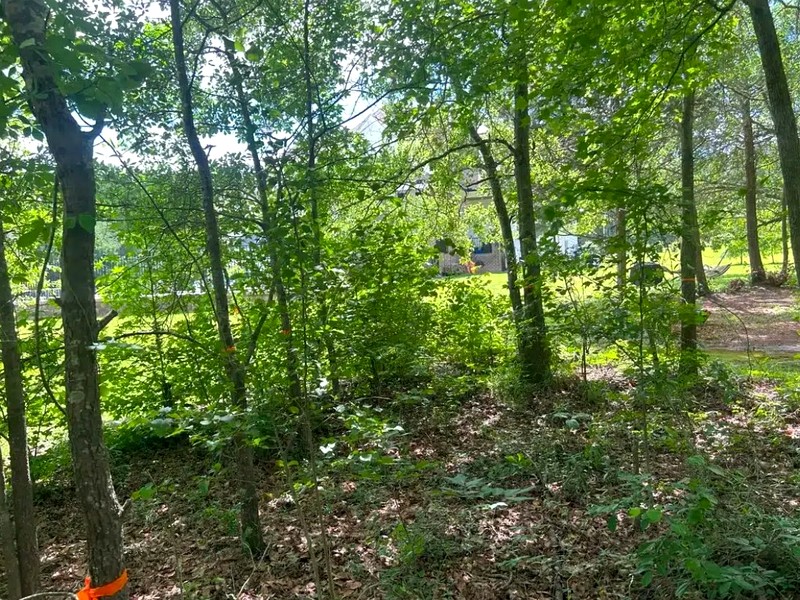
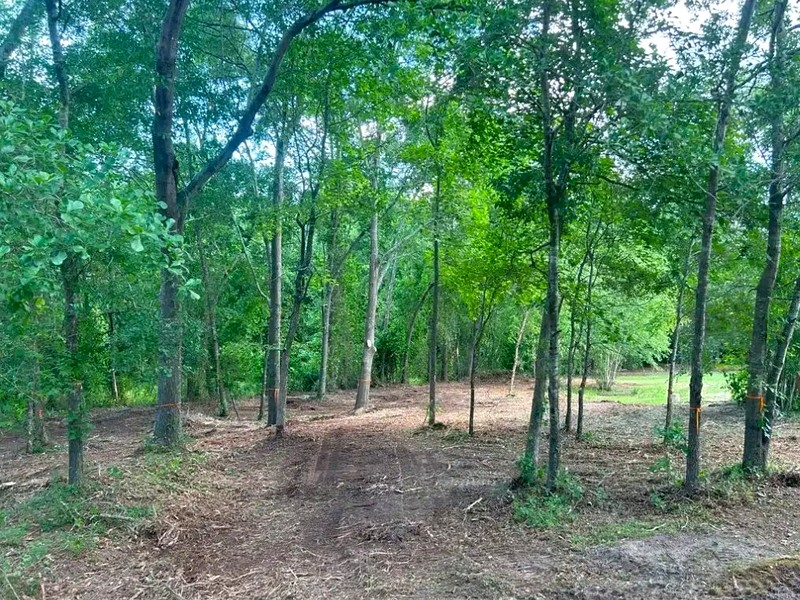
Land Clearing: Before & After
What the same ground looks like when the machine leaves.
Example Cut Brush project: mixed woods opened into usable acreage, debris kept on site as cover
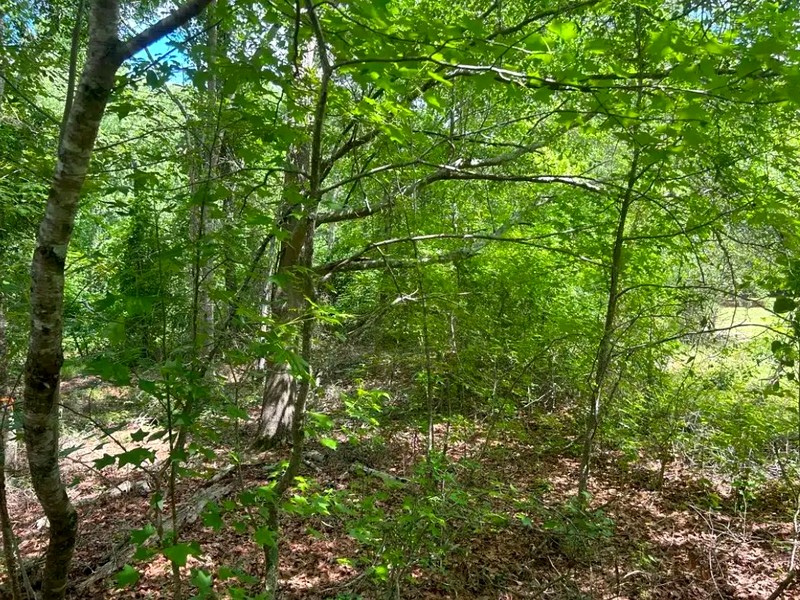
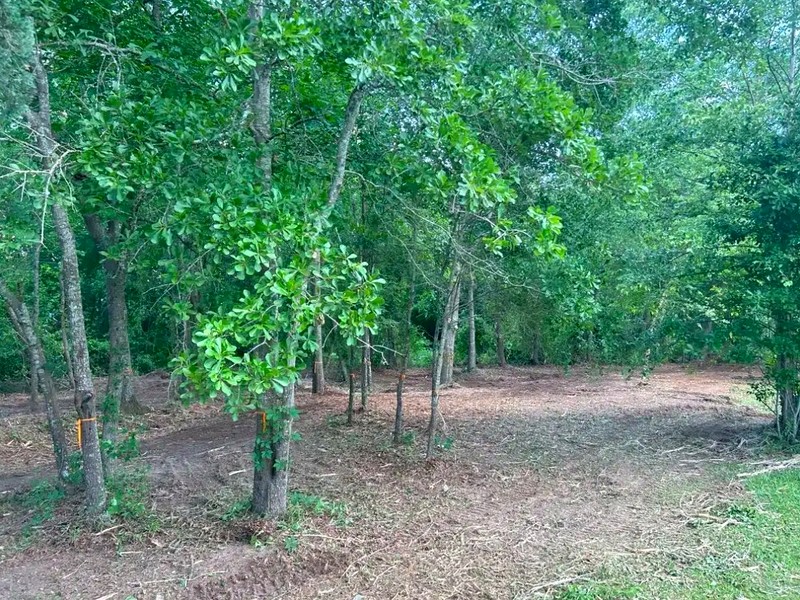
Standing growth converted to ground cover in a single pass – example Cut Brush project
Land Clearing in Chattanooga: Every Parcel Is Different
Spread a map of Greater Chattanooga and the terrain sorts itself into long, parallel stripes running northeast to southwest: sandstone-capped mountains, benched slopes, and limestone valley floors, with the Tennessee River carving its gorge straight through the middle. A ten-acre tract in this metro might be flat bottomland near Chickamauga Lake, a wooded bench partway up Walden Ridge, or a Georgia hillside outside Chickamauga, and each of those demands a different machine plan, a different erosion answer, and sometimes a different state government's paperwork. Land clearing here is a terrain-reading exercise before it is an equipment exercise.
Cut Brush clears homesites, acreage, pasture edges, and development ground across Hamilton, Bradley, Catoosa, and Walker counties. The approach that travels with us everywhere applies doubly in this metro: walk the ground first, quote in writing, and choose the method that leaves the land protected instead of scraped raw.
Four Things We Read Before Anything Gets Cut
- Slope and footingTracked machines handle far steeper ground than wheels, but the plateau edges around Lookout and Signal Mountain carry rimrock and grades beyond any honest operator's limit. Workable slopes get cleared; genuinely unsafe ones get named as such on the walk-through, not discovered mid-job.
- Karst signalsClosed depressions, odd drainage, and soft spots in a limestone valley can mean dissolving rock below. We note them, keep heavy equipment and concentrated runoff away from them, and tell you what we saw.
- Soil characterHamilton County's limestone-derived soils run clayey and cherty, with rock fragments through the subsoil. Chert dulls cutting teeth and clay holds water after rain, and the quote accounts for both instead of pretending the ground is sandy loam.
- Access and stagingRidge parcels often hang off narrow bench roads or steep drives. Where the trailer can park and how the machine reaches the work shapes the price as much as the vegetation does.
Why Sinkhole Country Rewards Low-Disturbance Clearing
East Tennessee's Valley and Ridge holds some of the highest sinkhole concentrations in a state where roughly a fifth of the land is karst-prone, and Hamilton County has recorded three or more sinkholes opening in populated areas within a single year. TDEC considers the hazard serious enough to publish stormwater design guidelines written specifically for karst terrain. What that means for clearing is simple: the less you disturb the soil, the less you change how water moves into the rock below. Mulch-in-place clearing keeps root mass anchoring the ground, leaves a cover layer that slows runoff, and never concentrates drainage the way bladed, bare-dirt clearing can. On valley-floor parcels, that is not a style preference. It is risk management.
Permits: Which State Is Your Parcel In?
On the Tennessee side, the City of Chattanooga requires a Land Disturbing Permit once a project disturbs 1,000 square feet or works near waters of the state, priced at $250 per acre with a $250 minimum (the city permit office answers at (423) 643-5892), and sites of an acre or more need TDEC construction stormwater coverage with a Notice of Intent and pollution prevention plan first. Unincorporated Hamilton County and towns like Collegedale and Soddy-Daisy fall under the county's water quality program. On the Georgia side, the local issuing authority handles land-disturbing permits even below an acre, and an acre or more means a Notice of Intent to Georgia EPD at least 14 days before disturbance. We flag which ladder of rules your project climbs before you sign anything, and we scope the work so mulched, soil-intact clearing stays out of the disturbance thresholds wherever the project allows it.
Where Chattanooga's Clearing Demand Is Concentrated
Follow the growth east and north. Ooltewah keeps getting named the metro's fastest-growing community, East Brainerd had nearly 400 homes rising in one development at the end of 2024, a 321-acre Apison tract is planned for several hundred more, and 430 homes were proposed off Highway 153 in Hixson. Soddy-Daisy logged $2.2 million in permits in a single month of 2025, most of it new construction, with wooded-lot subdivisions taking shape around Mowbray, Falling Water, and Bakewell-Sale Creek. Cleveland and Bradley County adopted a 20-year growth plan in 2025, and Ringgold and Fort Oglethorpe are updating their joint comprehensive plan on the Georgia end. Every one of those pins on the map represents wooded or overgrown ground turning into something else, and that conversion always begins with clearing done right.
How Land Clearing Works
Three steps from overgrown to usable, with a written number before any machine moves.
Read the Ground Together
We walk the parcel with you: slopes, rock, drainage, karst signs, keeper trees, and which state and county rules apply. The written quote follows, usually inside a day.
Match the Method to the Terrain
Mulch-in-place on most ground, selective work around hardwoods worth keeping, and construction-grade clearing where a build follows. Tracked machines, planned routes, no surprises.
Inspect the Finish
The job closes with you on the cleared ground: covered where it should be covered, open where you needed it open, inside every permit line and buffer.
Why Property Owners Choose Cut Brush
The right machine for the ground, straight answers on the rules, and land you can use when we leave.
Terrain-First Planning
Ridge bench, valley floor, or Georgia hillside, the machine plan starts from what the ground actually is, not from a satellite guess.
Karst Taken Seriously
Suspect depressions get flagged and worked around, and low-disturbance methods keep drainage patterns on sinkhole-prone valley floors intact.
Two-State Permit Fluency
City review, Tennessee construction-stormwater coverage, and Georgia local issuing authorities can all affect a project. We flag the likely path so the owner can confirm it with the appropriate office.
Honest About Slopes
Grades a tracked machine can work safely get quoted. Grades it cannot get named at the walk-through, before your money is involved.
Ready for Chert and Clay
Rocky, clayey limestone soils are the local normal. Equipment, teeth, and timelines are planned for them from the start.
No Burn Pile, No Ban Problem
Mulched vegetation stays as ground cover, so neither the Tennessee permit season nor Georgia’s summer burn ban ever touches your project.
Get a Free Land Clearing Quote
Describe the parcel, get a real number, decide on your own time. Want the ranges first? Start with the Chattanooga, TN pricing guide.
Request a Free QuoteRelated Services
If the project is bigger than land clearing, the rest of our clearing work covers the Chattanooga Area too.


Land Clearing Across the Chattanooga Area
We provide land clearing in these Hamilton, Bradley, Catoosa, and Walker County communities.
Land Clearing FAQ
Ready to Put Your Land Back to Work?
Free written quotes for land clearing anywhere in Chattanooga & North Georgia.
Get Your Free Land Clearing QuoteOr call us directly: (919) 525-3950