Greater Chattanooga's Trusted Land Clearing & Brush Removal Experts

Forestry mulching, lot clearing, and brush removal for Greater Chattanooga – valley floors, ridge lots, and both sides of the Tennessee-Georgia line, from Soddy-Daisy down to Ringgold.

Why Choose Us

Licensed & Insured TN & GA Coverage Free Estimates
Licensed & Insured
TN & GA Coverage
Free Estimates

Land Clearing Before & After

Overgrown in, usable out. This is the finished product.

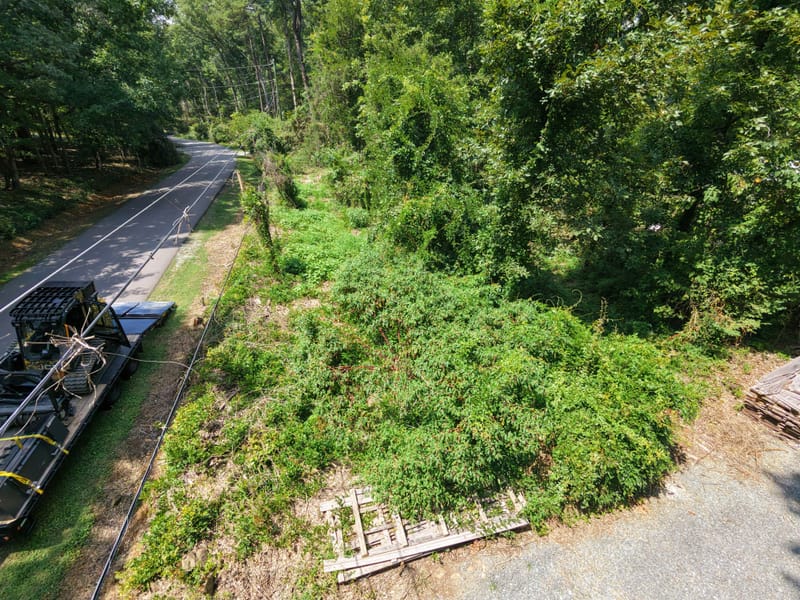
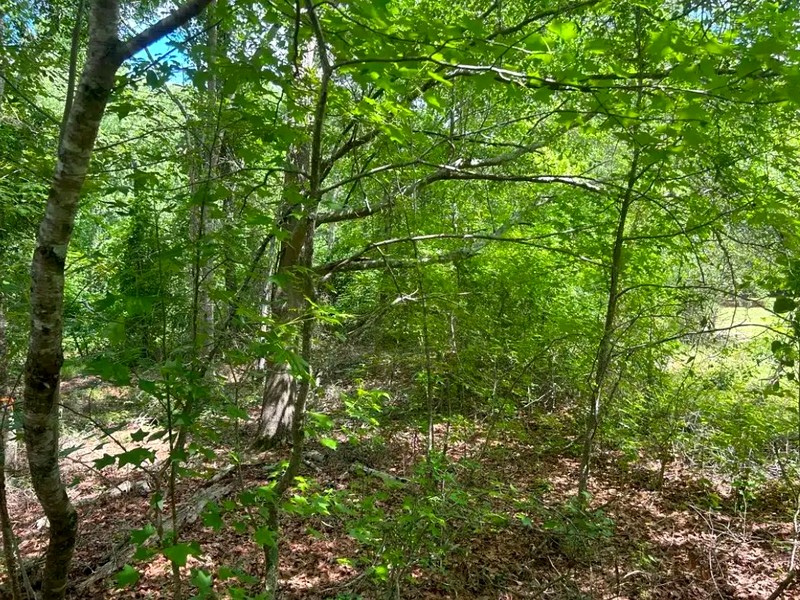
Ridge-lot thicket before Cut Brush clearing BEFORE
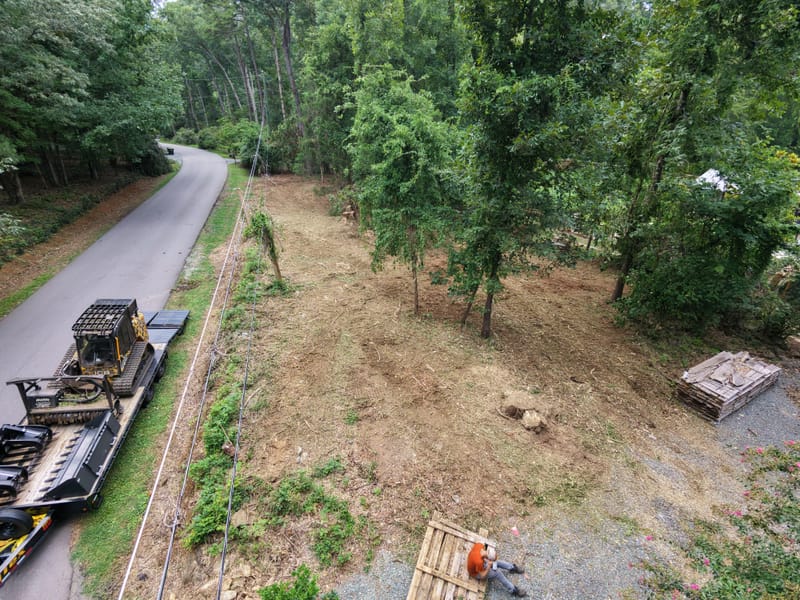
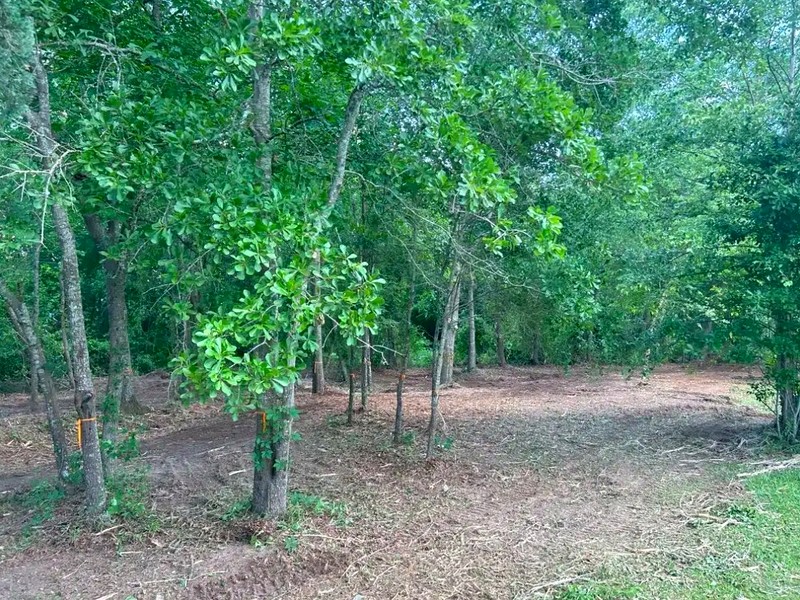
Cleared slope held together by a mulch mat AFTER
Kudzu and heavy brush before clearing BEFORE
Open valley ground after Cut Brush clearing AFTER

What Our Customers Say

Don't just take our word for it – hear from real Cut Brush customers.

★★★★★
"My 2-acre property was so thick you couldn't walk through it. One day later, it looked like a park."

– Jason M

★★★★★
"Fast, honest, no drama. They quoted Tuesday, cleared Thursday. Done by Friday."

– Carrie D.

★★★★★
"We didn't realize how much land we had until Cut Brush cleared it."

– Tony & Lisa R.

From Overgrown to Usable in Three Steps

One walk-through, one machine, one finished parcel.

1

Read the Parcel

The walk-through covers slope, karst low spots, access, and which state's rules your ground answers to. A written quote typically follows within a day.

2

Grind, Not Scrape

The mulcher converts standing thicket into ground cover in one pass, holding slopes together and skipping burn-permit season entirely.

3

Take It Back

Walk your opened land the day the machine loads out: no piles, no washouts, no leftover phase two.

See Cut Brush in Action

Watch our crew transform overgrown properties with professional forestry mulching equipment.

  • Before & after project walkthroughs
  • Professional equipment on real jobs
  • See the land clearing process start to finish

One Metro, Two States, Two Rulebooks

Greater Chattanooga is the rare land market where the first clearing question is not "how many acres?" but "which state?" A parcel in Ooltewah answers to Tennessee: a City of Chattanooga Land Disturbing Permit that kicks in at just 1,000 square feet inside city limits, TDEC stormwater coverage at an acre, and a winter burn-permit season. Twenty minutes south, the same brush on the same ridge in Ringgold or Chickamauga answers to Georgia: land-disturbing permits issued locally even for small sites, a 14-day state notice before larger projects break ground, and a summer ban on debris burning. Same metro, same kudzu, two governments. Clearing land here starts with knowing which set of rules your dirt reports to.

Cut Brush brings four services to the Chattanooga area: land clearing for homesites and acreage, forestry mulching as the low-impact method behind most of our work, lot clearing for the building boom east of the city, and brush clearing for ground the mower lost years ago. Every quote follows a walk-through of your actual parcel, and every job is planned around the permits, buffers, and slopes that parcel carries.

Growth, Slopes, and the Line Through the Middle

The metro added roughly 31,200 residents between 2020 and mid-2025 and is closing in on 595,000, with jobs doing the pulling: Volkswagen's ~4,500-person plant, Novonix's battery-materials investment of up to $2.1 billion at Enterprise South, and McKee Foods' Collegedale headquarters. Housing is sprinting to catch up, from nearly 400 homes rising in one East Brainerd development to 430 proposed off Highway 153 in Hixson and a 321-acre Apison tract, with Pratt, GreenTech, and D.R. Horton all building. At a mid-to-high $300s median, every wooded parcel along those corridors is one clearing job away from being the scarcest thing in the market: a buildable lot.

The terrain sets the method. This is Ridge and Valley country: sandstone-capped mountains over limestone valleys that run on karst, with some of the state's highest sinkhole concentrations, enough that TDEC publishes stormwater guidance specifically for karst ground. Slope and subsurface get read before the machine does anything. The vegetation matches the drama: kudzu here is famous enough that the city once hired goat herds to fight it on Missionary Ridge, and Chinese privet has led the Georgia Forestry Commission's "Dirty Dozen" invasive list since 2009.

And the state line splits the paperwork: Tennessee-side projects answer to the city's 1,000-square- foot disturbance trigger and TDEC's one-acre stormwater permit, while the Georgia side routes permits through local issuing authorities with a 14-day state notice and a summer burn ban in Catoosa and Walker counties. The FAQ below covers the details; the short version is that we sort out which rulebook your dirt reports to before quoting, and mulch-in-place work often stays below the triggers on both sides.

Serving Hamilton County and North Georgia

Hamilton and Bradley counties in Tennessee, plus Catoosa and Walker counties across the Georgia line.

Chattanooga Ooltewah Collegedale Apison Harrison Hixson Soddy-Daisy Signal Mountain East Ridge East Brainerd Cleveland McDonald Ringgold Fort Oglethorpe Chickamauga Flintstone Rossville

Chattanooga Land Clearing FAQ

Whichever state the parcel sits in, and the difference is real. On the Tennessee side, the City of Chattanooga requires a Land Disturbing Permit once a project disturbs 1,000 square feet of ground ($250 per acre, minimum $250), and TDEC's construction stormwater permit takes over at one acre. On the Georgia side, in Catoosa and Walker counties, land-disturbing permits come from the local issuing authority even below an acre, and projects of an acre or more file a Notice of Intent with Georgia EPD at least 14 days before ground is disturbed. We sort out which rulebook your parcel answers to before quoting, and mulch-in-place work that leaves the soil intact often avoids the disturbance triggers entirely.
Cut Brush quotes land clearing at $1,500 to $4,500 per acre, forestry mulching at $1,500 to $4,000, and brush work at $1,500 to $2,500. Valley-floor parcels tend toward the low end; benched, rocky, or steep ground climbs. The Chattanooga pricing guide lays out every band, and a free walk-through turns the band into a firm written number.
A great deal of it, yes. Tracked mulching equipment is made for grades that would strand wheeled machines, and the mulch mat it leaves behind is what keeps a cleared slope from washing. But we will not pretend every grade is workable: the plateau edges carry sandstone rimrock and pitches no responsible operator should put a machine on, and if your ground includes one of those, we say so at the walk-through and quote only what can be cleared safely.
It depends on the month and the state. In Tennessee, open burning within 500 feet of forest, grassland, or woodland requires a free Division of Forestry permit from October 15 through May 15, obtained through BurnSafeTN.org. In Catoosa and Walker counties on the Georgia side, EPD bans open burning of yard and land-clearing debris every summer from May 1 through September 30, and development-related land-clearing burns need ranger notification and a permit the rest of the year. Our standard answer sidesteps the whole calendar: mulched vegetation stays on the ground as cover, so there is nothing left to burn.
Hamilton County first: Chattanooga, East Brainerd, Ooltewah, Collegedale, Apison, Harrison, Hixson, Soddy-Daisy, Signal Mountain, and East Ridge. Then Cleveland and McDonald in Bradley County, and across the line into North Georgia: Ringgold, Fort Oglethorpe, Chickamauga, Flintstone, and Rossville.

Ready to Open Up Your Land?

Free, no-obligation clearing quotes on both sides of the Tennessee-Georgia line.

Get Your Free Quote

Or call us directly: (919) 219-2946

Call Free Quote